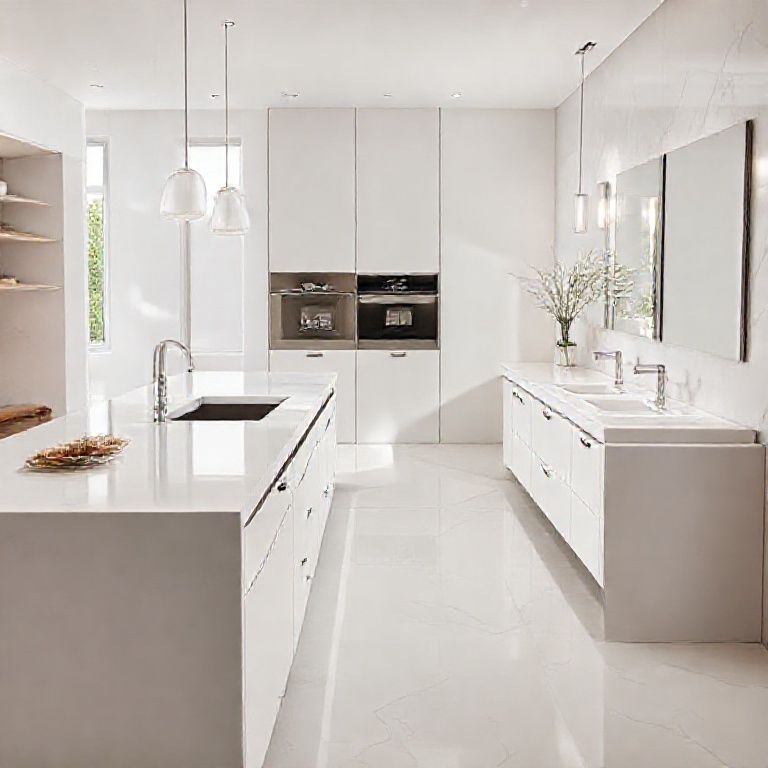
Understanding Stains on Quartz Countertops
When it comes to modern kitchen and bathroom designs, quartz countertops are a popular choice due to their durability, beauty, and low maintenance. However, despite their hardiness, quartz countertops can still get stained. Understanding what causes these stains and how to address them is crucial to maintaining the pristine appearance of your quartz surface.
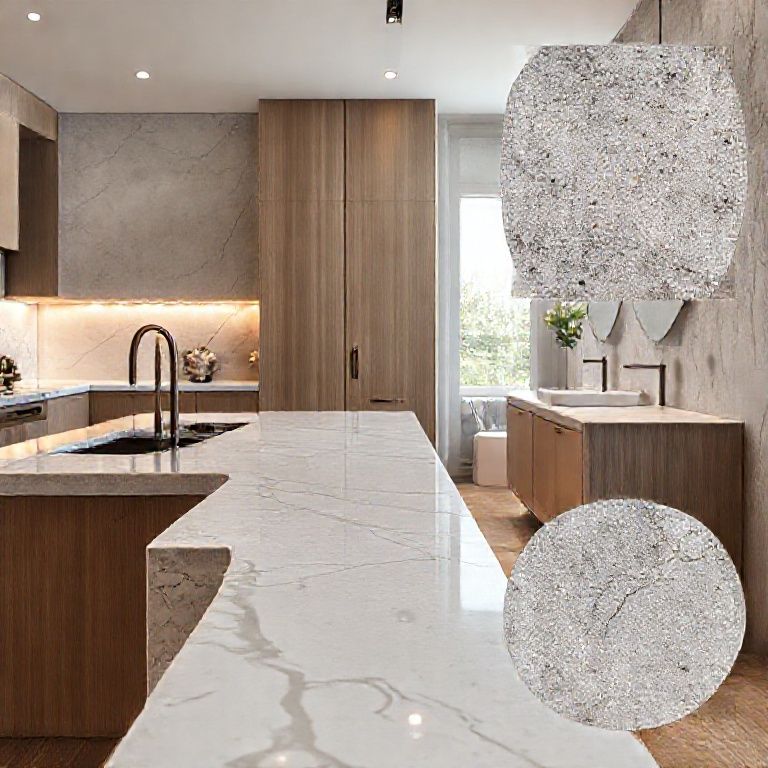
The Nature of Quartz
Quartz countertops are made from 94% silica, which makes them incredibly tough and resistant to scratches, stains, and heat. However, the surface of quartz can still be affected by certain types of stains. These are typically caused by:
Food and Beverage Spills: Coffee, tea, wine, and other acidic or sugary liquids can leave behind discoloration if not cleaned promptly. Grease and Oil: Cooking spills, particularly from frying or baking, can leave greasy marks on the surface. Cleaning Products: Some cleaning agents can cause streaks or dull spots if not used properly.
Immediate Action Steps
When you notice a stain on your quartz countertop, it’s important to act quickly. Here are some immediate steps to take:
Wipe Up Spills Immediately: Use a clean, dry cloth to blot up any liquid spills as soon as possible. This will prevent the stain from setting in. Avoid Harsh Chemicals: If you’re tempted to use a powerful cleaner, think again. Many cleaning products can actually damage the surface of your quartz.
Natural Cleaning Solutions
For minor stains, you can often use natural, non-abrasive cleaners to restore your quartz countertop without risking damage. Here are some effective options:
Lemon Juice and Baking Soda: Mix lemon juice with a small amount of water to create a diluted solution. Apply this solution to the stain and then sprinkle baking soda on top. Let it sit for a few minutes before wiping clean with a damp cloth. Vinegar and Water: Mix equal parts of white vinegar and water in a spray bottle. Spray the solution onto the stain, let it sit for a few minutes, and then wipe clean with a cloth. Olive Oil and Salt: Create a paste using olive oil and salt. Apply the paste to the stain and let it sit for a few minutes before wiping clean. This method can help lift stains without scratching the surface.
Professional Cleaning Methods
If natural remedies don’t work, or if the stain is particularly stubborn, it may be time to use professional cleaning methods. Here’s what you can do:
Professional Polishing: A professional cleaner can use specialized equipment to polish the surface of the quartz, removing stains without damaging the material. This method is particularly effective for deep-set stains. Nano-Coating: Applying a nano-coating to your quartz countertop can provide an additional layer of protection against stains. This is a great long-term solution to maintain the beauty of your countertop.
By understanding the nature of quartz and taking immediate action when a stain appears, you can effectively maintain the beauty of your countertop and ensure it remains a stunning focal point in your home.
Long-term Care and Prevention of Stains
Maintaining the beauty and functionality of your quartz countertop over time requires a combination of regular cleaning and preventive measures. Here’s how you can go beyond immediate stain removal and ensure your quartz countertop remains pristine and durable.
Regular Cleaning Routine
Consistency is key when it comes to keeping your quartz countertop looking its best. Here’s a simple routine to follow:
Daily Wipe-Down: Use a soft, damp cloth to wipe down your quartz countertop after each use. For tougher spills, use a mixture of water and vinegar or lemon juice. Weekly Deep Clean: Once a week, perform a more thorough cleaning. Use a commercial quartz cleaner or a homemade solution of water and vinegar. Avoid abrasive pads that can scratch the surface.
Preventative Measures
To prevent stains from forming in the first place, consider these preventative measures:
Use Trivets and Coasters: When serving hot dishes or drinks, always use trivets to protect the surface from heat. Coasters can also prevent acidic and sugary drinks from staining the countertop. Cut Boards and Mats: Place a cutting board or mat in areas where you frequently prepare food. This will help contain spills and protect your countertop from grease and food particles. Avoid Direct Heat: While quartz is heat-resistant, prolonged exposure to direct heat can dull the surface. Avoid placing hot pots and pans directly on the countertop.
Advanced Stain Prevention Products
For those looking for an extra layer of protection, advanced stain prevention products are available:
Quartz Sealant: Applying a quartz sealant can create a barrier that makes stains easier to remove. This product should be reapplied every few months to maintain its effectiveness. Anti-Fingerprint Coating: An anti-fingerprint coating can help keep fingerprints and smudges from showing up on your quartz surface, making it easier to maintain a clean look.
Recognizing and Addressing Persistent Stains
Sometimes, despite your best efforts, stains may persist. Here’s how to handle these stubborn cases:
Consult a Professional: If a stain doesn’t budge with regular cleaning methods, it may be time to call in a professional. They have access to advanced cleaning tools and techniques that can restore your countertop to its original beauty. Regular Maintenance: Regular maintenance and professional cleanings can prevent stains from becoming a recurring issue. Schedule professional cleanings every six months to ensure your countertop remains in top condition.
Long-Term Tips for Quartz Countertop Care
To ensure your quartz countertop remains beautiful and functional for years to come, follow these long-term tips:
Avoid Using Sharp Objects: Never use sharp objects to scrape off food or clean the surface, as this can scratch the quartz. Instead, use a soft cloth or a non-abrasive cleaner. Use Appropriate Cutting Boards: Always use wooden or plastic cutting boards to avoid scratching the surface. Metal or glass cutting boards can cause minor scratches that may lead to stains. Proper Ventilation: If you work with strong-smelling foods or use cleaning products with strong odors, ensure proper ventilation in your kitchen or bathroom to prevent lingering smells from staining the surface.
By combining a regular cleaning routine with effective preventive measures and advanced stain prevention products, you can maintain the stunning beauty of your quartz countertop for years to come. With these tips, your quartz surface will remain a lasting and elegant addition to your home.