Exploring the Cost and Features of Artificial Stone and Quartz Countertops
When it comes to selecting countertops for your kitchen or bathroom, the decision between artificial stone and quartz can be daunting. Both materials have their own set of advantages and are highly sought after for their durability, aesthetic appeal, and ease of maintenance. However, a significant factor that often influences this decision is cost. Let’s explore the cost and features of both artificial stone and quartz to determine which one might hold the title for being more expensive.
Understanding Artificial Stone
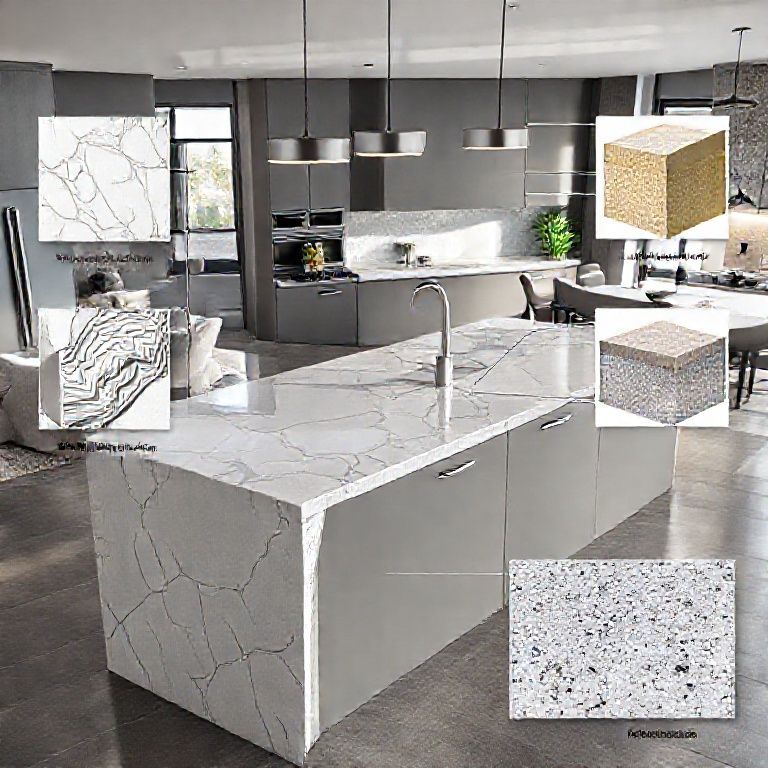
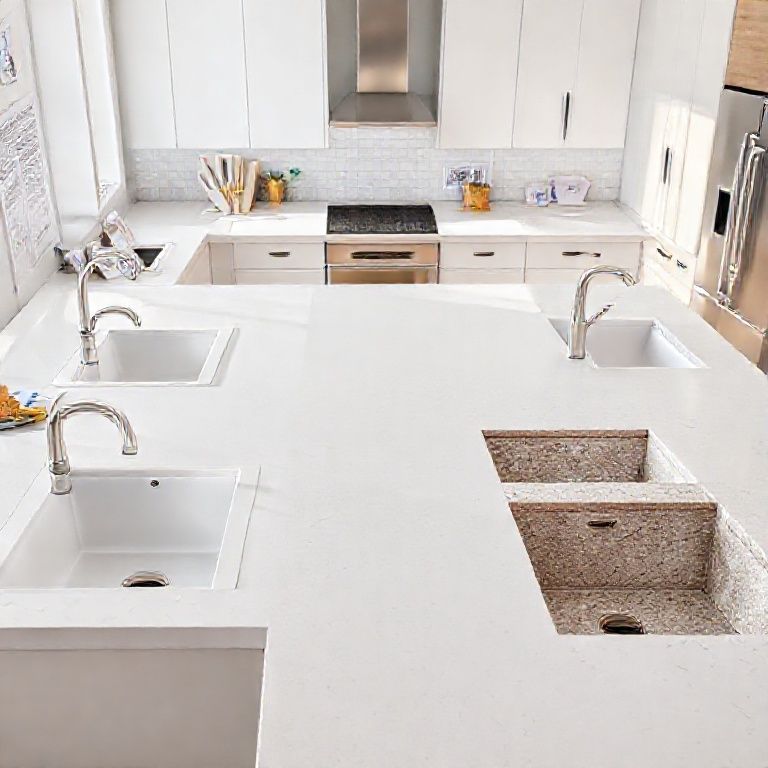
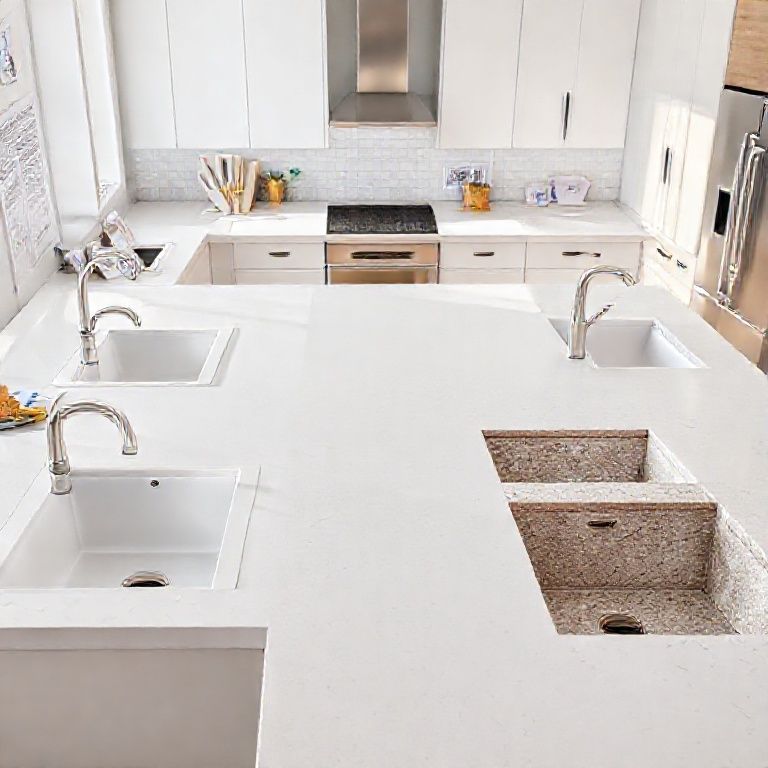
Artificial stone, also known as cultured stone, is a composite material made from a mixture of natural stone powders, water, and polymers. The process involves molding and curing the mixture to create a material that closely resembles natural stone. This versatile material is known for its high durability, ease of installation, and the ability to mimic various natural stone designs.
Cost of Artificial Stone
The cost of artificial stone countertops can vary significantly based on several factors:
Design and Color: Custom designs and unique color patterns can increase the cost as they require more labor and materials. Thickness and Size: Larger and thicker slabs might cost more due to material and labor expenses. Brand and Quality: Higher quality brands with advanced technology and better durability can command a higher price.
Typically, artificial stone countertops range from $30 to $60 per square foot, depending on the complexity of the design and the quality of the material.
Features of Artificial Stone
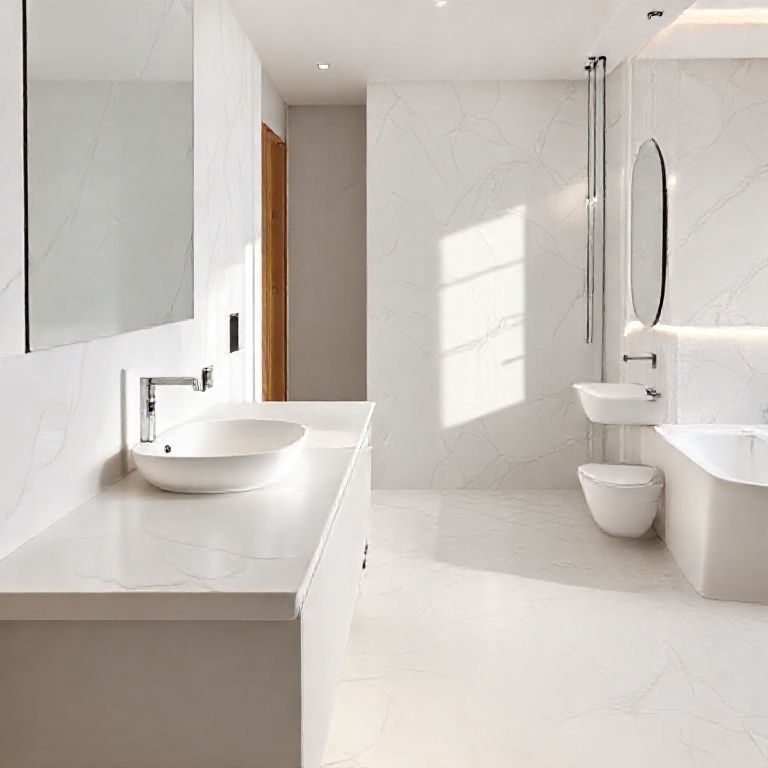
Durability: Artificial stone is known for its high resistance to scratches, stains, and heat. It is less likely to chip or crack compared to natural stone. Ease of Maintenance: Unlike natural stone, artificial stone does not require sealing and can be cleaned with a simple damp cloth. Aesthetic Versatility: Artificial stone can replicate the look of various natural stones, including marble, granite, and quartz, offering a wide range of design options. Cost-Effective: Generally, artificial stone is more affordable compared to many natural stones, making it a popular choice for many homeowners.
Understanding Quartz Countertops
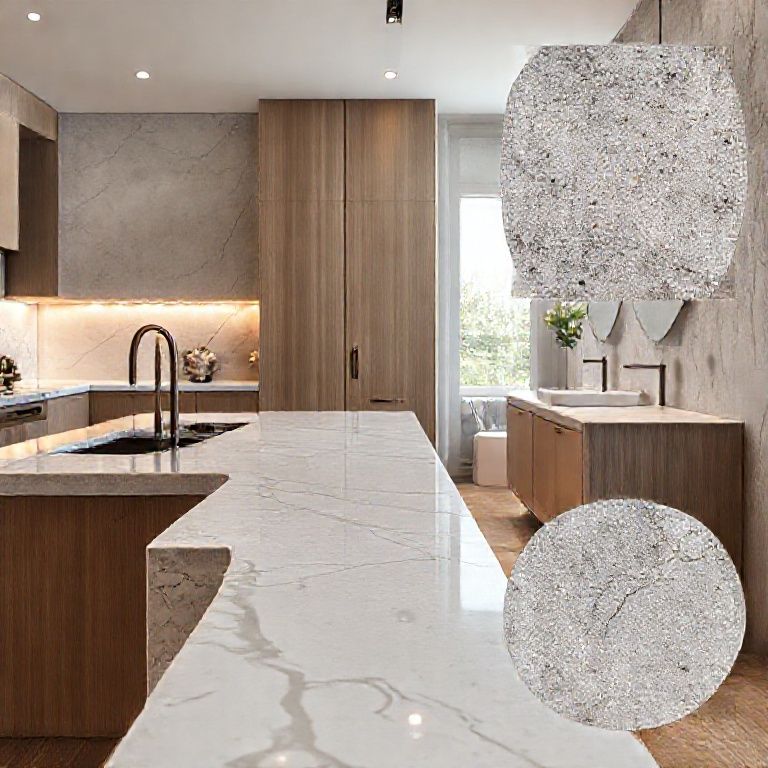
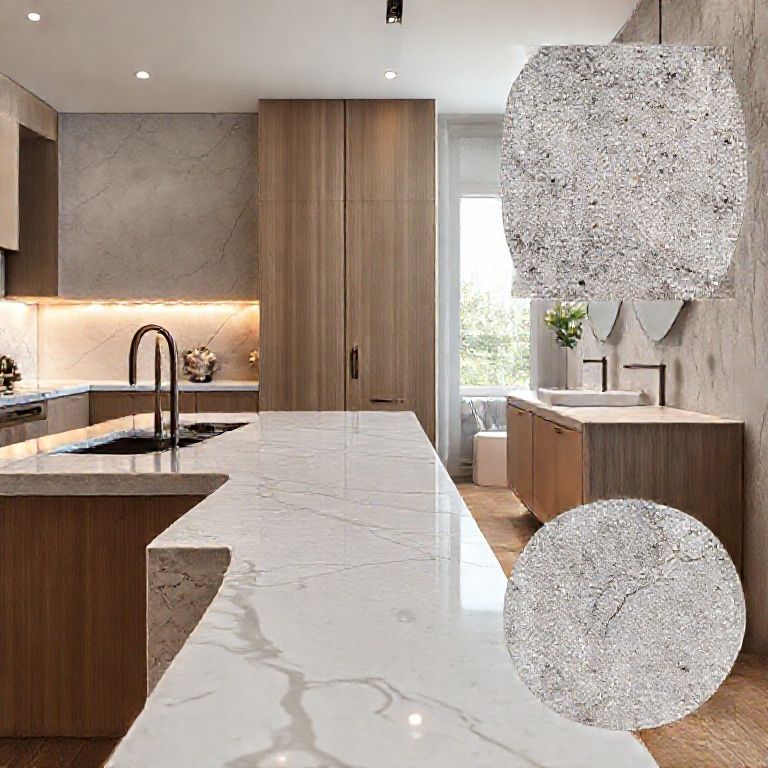
Quartz is a popular choice for modern kitchen and bathroom designs. It is a composite material made from 90% crushed stone (usually granite) and 10% polymer resin. The crushed stone is fused together to create a solid surface that offers unmatched durability and aesthetic appeal.
Cost of Quartz Countertops
The cost of quartz countertops can vary depending on several factors:
Color and Design: Quartz comes in a wide range of colors and patterns, with some custom designs and colors costing more due to the complexity of production. Brand and Quality: High-end brands with superior quality and advanced technology may have a higher price point. Installation Complexity: The installation of quartz can be more complex, often requiring professional installation to ensure a flawless finish.
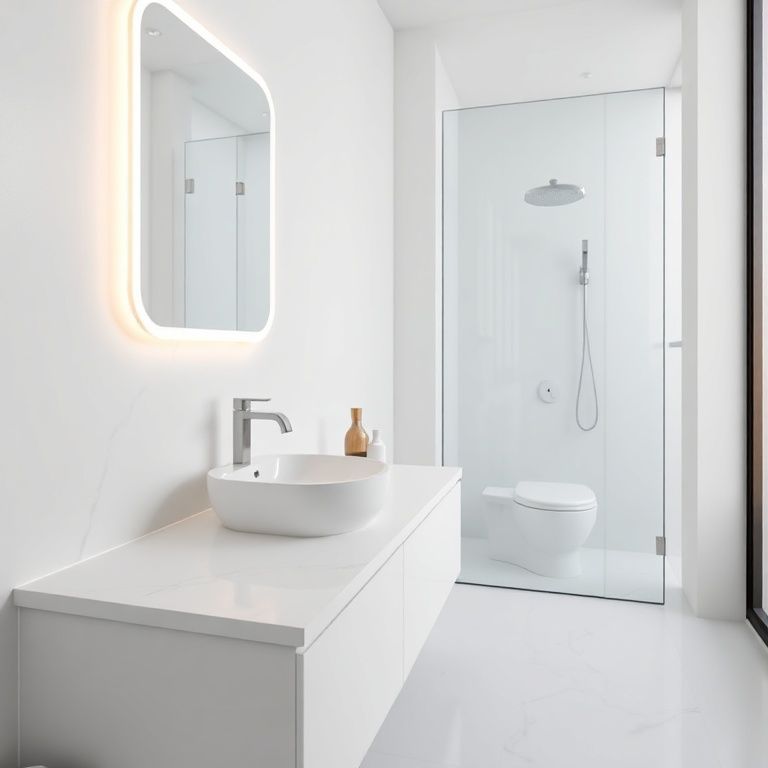
Typically, quartz countertops range from $40 to $100 per square foot, depending on the design and quality of the material.
Features of Quartz Countertops
Durability: Quartz is incredibly durable, resistant to scratches, stains, and heat. It does not chip or crack easily, making it an excellent choice for high-traffic areas. Maintenance: Quartz countertops do not require sealing and are easy to clean with a simple wipe down. They are also non-porous, making them resistant to bacteria and stains. Aesthetic Appeal: Quartz offers a vast array of colors and patterns, allowing for unique and custom designs. It can mimic the appearance of natural stone while offering a sleek, modern look. Longevity: Quartz countertops are known for their long-lasting nature, often lasting for decades with proper care.
Comparing the Costs
When comparing the costs of artificial stone and quartz countertops, it’s clear that both materials offer substantial value for money. However, quartz generally falls into a higher price bracket due to its superior quality and durability.
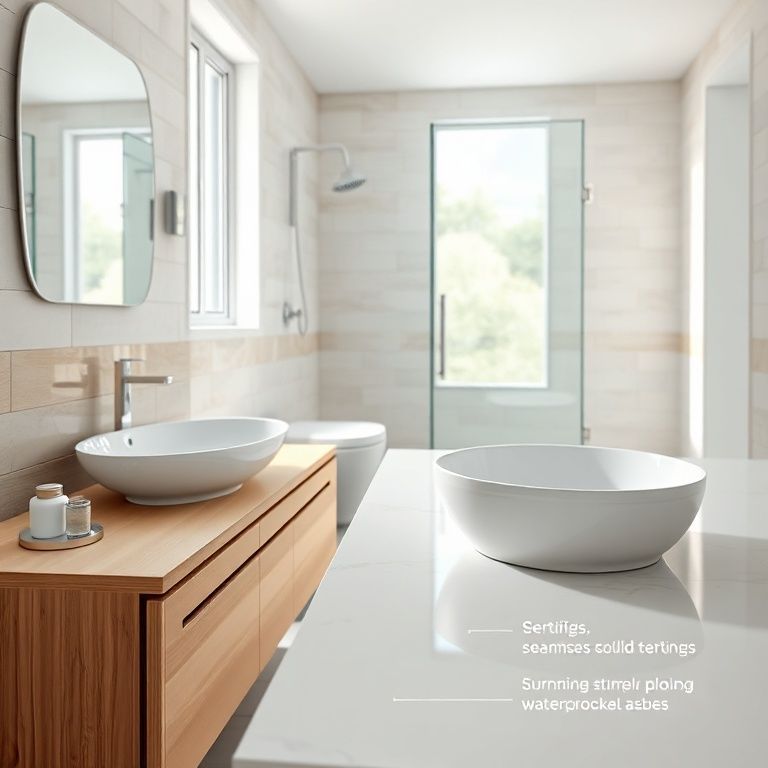
Artificial Stone: Typically ranges from $30 to $60 per square foot. Quartz: Typically ranges from $40 to $100 per square foot.
The higher cost of quartz is often justified by its enhanced durability and aesthetic versatility, which can make it a worthwhile investment for many homeowners.
Conclusion
In conclusion, both artificial stone and quartz countertops offer unique benefits that cater to different preferences and budgets. While quartz generally commands a higher price due to its superior quality and durability, artificial stone provides a cost-effective alternative without compromising on aesthetics or functionality. The choice between the two ultimately depends on your specific needs, design preferences, and budget considerations.
Stay tuned for part two of our article, where we will delve deeper into the installation, maintenance, and long-term value of both artificial stone and quartz countertops to help you make an informed decision.
Installation, Maintenance, and Long-Term Value of Artificial Stone vs. Quartz
Having explored the cost and features of artificial stone and quartz countertops in part one, it’s essential to dive deeper into their installation, maintenance, and long-term value. Understanding these aspects will provide a more comprehensive view of which material might be the best fit for your kitchen or bathroom design, and whether the higher cost of quartz is justified over time.
Installation
Artificial Stone
The installation of artificial stone countertops is relatively straightforward. Here are some key points to consider:
Material Handling: Artificial stone is lightweight, making it easier to handle and install compared to natural stone materials. Cutting and Shaping: Artificial stone can be easily cut and shaped to fit your space, allowing for custom designs and intricate cuts. Professional Installation: While artificial stone is easier to install, professional installation is still recommended to ensure a seamless and professional finish.
Quartz
Quartz countertops require more careful handling and professional installation due to their solid surface nature. Here are some important considerations:
Material Handling: Quartz is a solid surface material, which makes it heavier and more challenging to handle compared to artificial stone. Cutting and Shaping: Quartz can be cut and shaped, but it requires specialized tools and expertise to achieve precise cuts. Professional Installation: Due to the complexity of the material and the need for a flawless finish, professional installation is highly recommended for quartz countertops.
Maintenance
Artificial Stone
Artificial stone is known for its low maintenance requirements. Here’s what you need to know:
Cleaning: Artificial stone can be cleaned with a simple damp cloth. It does not require sealing, making it easy to maintain. Stain Resistance: While artificial stone is resistant to stains, it’s still advisable to avoid using abrasive cleaners to maintain its appearance. Durability: Despite its low maintenance needs, artificial stone can be prone to scratches and chips if not handled carefully.
Quartz
Quartz is renowned for its low maintenance requirements and durability. Here’s what you need to know:
Cleaning: Quartz countertops can be cleaned with a simple wipe-down using a damp cloth. They do not require sealing, making them extremely easy to maintain. Stain and Scratch Resistance: Quartz is highly resistant to stains, scratches, and heat, providing a long-lasting and clean surface. Bacteria Resistance: The non-porous nature of quartz makes it resistant to bacteria and mold, ensuring a hygienic surface.
Long-Term Value
Artificial Stone
Artificial stone offers a balance of aesthetics, durability, and cost-effectiveness. Here are some long-term value considerations:
Durability: While artificial stone is durable, it can be more1. 耐用性:虽然人造石在耐用性方面表现良好,但它可能在长时间暴露于高温或受到剧烈撞击时出现划痕或损坏。相比之下,石英石台面的耐用性更高,更能抵御高温和冲击。
成本效益:人造石的价格通常比石英石便宜,但其耐用性和维护成本可能会随时间增加。石英石虽然初始成本较高,但其耐用性和易于维护的特点使得长期来看,成本效益更高。
外观和设计:人造石和石英石都可以模仿各种天然石材的外观,提供丰富的设计选择。石英石在色彩和图案的表现力方面优于人造石,提供更加细腻和高端的视觉效果。
安装和维护:人造石的安装相对简单,适合DIY,但维护相对简单。石英石台面安装需要专业技能,但由于其表面光滑,维护也非常方便,只需定期擦拭即可保持光洁。
环保性:人造石和石英石都是环保材料,但石英石由于其材料成分和制造工艺,可能在环保性能上更优越。两者都不会释放有害物质,但石英石的生产过程中的碳排放和能耗可能有所不同。
市场需求:石英石由于其高端的外观和卓越的耐用性,市场需求较高,特别是在高端住宅和商业项目中。人造石则在预算有限但仍希望拥有高端外观的项目中有更广泛的应用。
品牌和选择:市场上有许多品牌提供高质量的人造石和石英石产品,各品牌在耐用性、外观和价格上的差异可能较大。消费者可以根据具体需求和预算选择最适合的材料。
未来趋势:随着材料科学的进步和环保意识的增强,石英石的市场地位可能进一步提升。新型人造石材料可能会在耐用性和环保性方面进行改进,但石英石的独特优势可能会保持其在高端市场的竞争力。
综合来看,选择人造石还是石英石台面,取决于具体的预算、设计需求、耐用性要求以及长期维护考虑。石英石可能在高端市场中占据优势,但人造石提供了性价比和设计灵活性。