
When you step into a high-end kitchen or a futuristic hotel lobby, there is often a specific visual element that catches your eye—a surface that seems to flow effortlessly from one plane to another without a single visible break. It looks like marble, but it feels warmer to the touch. It has the gravitas of stone but the fluidity of silk. This is the magic of acrylic artificial marble, often referred to in the industry as “solid surface.” If you have been scouring the internet for “亚克力 人造大理石的优缺点是什么呢图片” (what are the pros and cons of acrylic artificial marble with pictures), you are likely at a crossroads of a major design decision. Whether you are renovating your dream kitchen or conceptualizing a commercial space, understanding this material is the key to unlocking a level of bespoke luxury that traditional stone simply cannot provide.
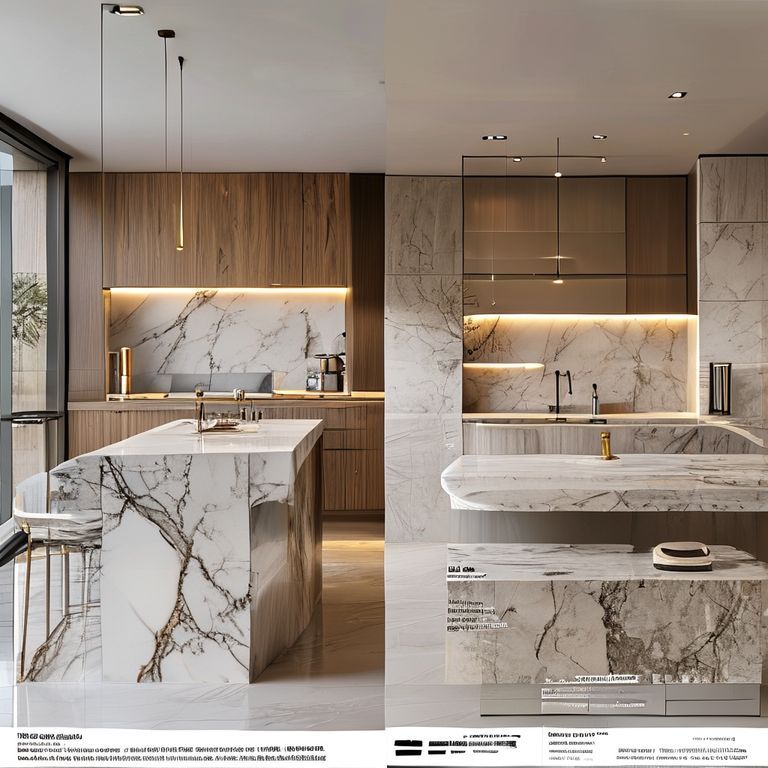
Acrylic artificial marble is a sophisticated composite material, typically made from a blend of high-quality acrylic resins (like Polymethyl Methacrylate or PMMA), natural minerals (mostly Alumina Trihydrate or ATH), and pigments. Unlike polyester-based artificial stones which can feel “plastic-y” and brittle, true acrylic stone is the gold standard. It represents the perfect marriage of chemistry and artistry. But why is it currently dominating the portfolios of world-class architects? The answer lies in its unique list of “pros,” starting with its most famous trait: the seamless joint.
In the world of natural stone or quartz, joints are an unavoidable reality. No matter how skilled the installer, you will always see the line where two slabs meet. Acrylic artificial marble defies this limitation. Through a chemical bonding process using a color-matched adhesive, pieces of acrylic stone are fused together and then sanded smooth. The result is a monolithic appearance. Imagine a ten-foot kitchen island with a waterfall edge where the grain flows perfectly and there isn’t a single crack or seam for dirt to hide in. This isn’t just an aesthetic triumph; it’s a functional one. Without seams, the surface becomes a fortress against bacteria and mold, making it one of the most hygienic options available for food preparation areas and medical environments.
Beyond the seamless look, we have to talk about “thermoforming.” This is the “superpower” of acrylic marble. When heated to a specific temperature, the material becomes flexible. It can be bent into curves, twisted into organic shapes, or molded into integrated sinks that flow directly out of the countertop. If you’ve ever seen a bathroom vanity where the sink bowl is the exact same material and color as the counter, with no rim or gap between them, you’re looking at acrylic stone. This flexibility allows designers to move away from the rigid, boxy shapes of traditional cabinetry and embrace the “soft-minimalism” trend that is currently taking the world by storm.
From an aesthetic perspective, the variety is staggering. Because the pigments are added during the manufacturing process, the color and pattern are consistent throughout the entire thickness of the slab. This means that if you nick the edge, you won’t see a different color underneath. You can find slabs that mimic the delicate veining of Calacatta marble, the deep translucency of onyx, or the bold, vibrant pops of solid primary colors. Some high-acrylic content stones even offer a degree of translucency, allowing designers to back-light the material. Imagine a bar top that glows from within at night—this is an effect that natural marble can rarely achieve with such uniformity.
However, the “pro” list doesn’t stop at beauty. One of the most underrated benefits of acrylic artificial marble is its repairability. Natural stone is a “one-and-done” deal; if you crack a granite slab or chip a piece of marble, the repair is usually visible and difficult to execute. Acrylic stone, however, is “renewable.” Because the material is homogeneous, scratches can be sanded out by a professional (or even a dedicated DIYer with the right pads). If a heavy pot is dropped and causes a deep chip, a technician can “patch” it with a piece of the same material and some adhesive, sand it down, and the damage literally disappears. It is a surface that can be restored to its original factory finish even after years of heavy use, which provides a level of long-term value that is hard to ignore.
Finally, we must consider the “touch” factor. Natural stone is cold. While that might be pleasant in a tropical climate, it can feel sterile and uninviting in a home environment. Acrylic marble has a much lower thermal conductivity. It feels warmer and softer to the touch, lending a sense of “domestic comfort” to a space. It absorbs sound better than hard stone, reducing the clatter of plates and silverware, contributing to a calmer, more serene kitchen atmosphere. It is the “approachable” luxury material—elegant enough for a gala, but durable and comfortable enough for a Tuesday morning breakfast with the kids.
While the advantages of acrylic artificial marble make it sound like a miracle material, a truly informed decision requires a balanced view. No material is perfect, and “solid surface” has its own set of “cons” and quirks that you need to be aware of before you sign that contract. If you’ve been looking for “亚克力 人造大理石的优缺点” (pros and cons of acrylic marble), this is the part where we get down to the brass tacks of daily life and maintenance.
The most significant “con” of acrylic artificial marble is its sensitivity to heat. While natural granite or high-quality quartz can often withstand a hot pot for a few seconds (though not recommended), acrylic stone is essentially a high-grade plastic composite. If you take a boiling pot of pasta off the stove and set it directly on an acrylic surface, you are likely to leave a permanent scorch mark or, in extreme cases, cause the material to crack or deform. This is the “kryptonite” of the material. You must get into the habit of using trivets or heat pads. For some homeowners, this is a deal-breaker; they want a surface they don’t have to “baby.” However, for those who value the seamless aesthetic, using a trivet is a small price to pay.
Another consideration is the surface’s “hardness” relative to other materials. Acrylic marble is softer than quartz or granite. This is why it can be sanded and repaired, but it also means it is more prone to surface scratches. If you slide a heavy ceramic bowl with a rough bottom across the counter, it might leave a faint white mark. Over time, particularly on dark-colored or high-gloss surfaces, a “patina” of small scratches can develop, which might dull the shine. While these can be buffed out, it means that an acrylic countertop requires a bit more “mindfulness” than a rugged granite one. This is why many designers recommend a matte or semi-gloss finish for high-traffic kitchens, as these finishes hide daily wear and tear much better than a mirror-polish.
Chemical sensitivity is also on the list. While acrylic is non-porous and resists stains from common household items like red wine, coffee, or lemon juice, it can be damaged by harsh chemicals. Nail polish remover (acetone), strong oven cleaners, or industrial solvents can “eat” into the resin and damage the finish. You have to be careful about what you leave sitting on the counter. Usually, warm soapy water is all you need for cleaning, which is a pro in itself, but you do have to banish the more aggressive cleaning agents from your under-sink cabinet.
Then there is the issue of “authenticity.” For the purists who believe that there is no substitute for the soul of natural stone, acrylic artificial marble can sometimes feel “too perfect.” It lacks the cold, crystalline depth and the unique geological “flaws” that make every slab of natural marble a one-of-a-kind piece of earth’s history. While the patterns in high-end acrylic stones are incredibly realistic, they are still printed or mixed by human hands. If you are looking for a material that feels like it was pulled from a mountain in Carrara, acrylic stone might feel a bit too “manufactured” for your taste.
Price is another factor that surprises many. People often assume that “artificial” means “cheap.” That is far from the case with high-quality acrylic artificial marble. Because the manufacturing process for 100% acrylic solid surface is complex and the materials (PMMA) are expensive, a top-tier acrylic countertop can often cost as much as, or even more than, mid-range granite or quartz. You aren’t just paying for the material; you are paying for the specialized labor required to create those invisible seams and custom-molded edges. If you see a “solid surface” at a bargain-basement price, it is likely a polyester-blend, which is much more brittle, prone to yellowing over time, and lacks the repairability of the real deal.
So, how do you decide? The choice to use acrylic artificial marble usually comes down to your priorities. If you are a design-forward thinker who dreams of a sleek, futuristic, and hygienic space where the architecture flows without interruption, this is your material. If you are someone who loves to cook with heavy cast-iron skillets and wants a countertop that can handle a “war zone” of heat and sharp knives without a second thought, you might be better served by quartz or granite.
In the end, acrylic artificial marble is for the curator of “vibe.” It’s for the person who wants their home to feel like a seamless sanctuary. It is for the business owner who wants a front desk that looks like a single, glowing piece of art. When you weigh the pros of hygiene, repairability, and incredible design flexibility against the cons of heat sensitivity and “softness,” you find a material that doesn’t just sit in a room—it defines it. It’s not just a countertop; it’s a statement of modern capability. By understanding these nuances, you can move past the simple search for “pictures” and start envisioning how this remarkable material will actually perform in the rhythm of your daily life.









