
The Allure of the “Chameleon” Surface
Home renovation isn’t just about picking out colors; it’s about curating a feeling. When you walk into a kitchen or a bathroom, the surfaces act as the stage for your daily life. Among the crowded marketplace of granite, quartz, and laminate, one material has quietly risen to the top of the “architect’s favorites” list: Acrylic Artificial Marble. Often referred to in the industry as “Solid Surface,” this material is the ultimate chameleon. It can look like a slab of Carrara marble plucked from an Italian quarry, or it can look like a futuristic, glowing piece of art. But what exactly is it, and why is everyone suddenly obsessed with those glossy “picture-perfect” Instagram kitchens featuring it?
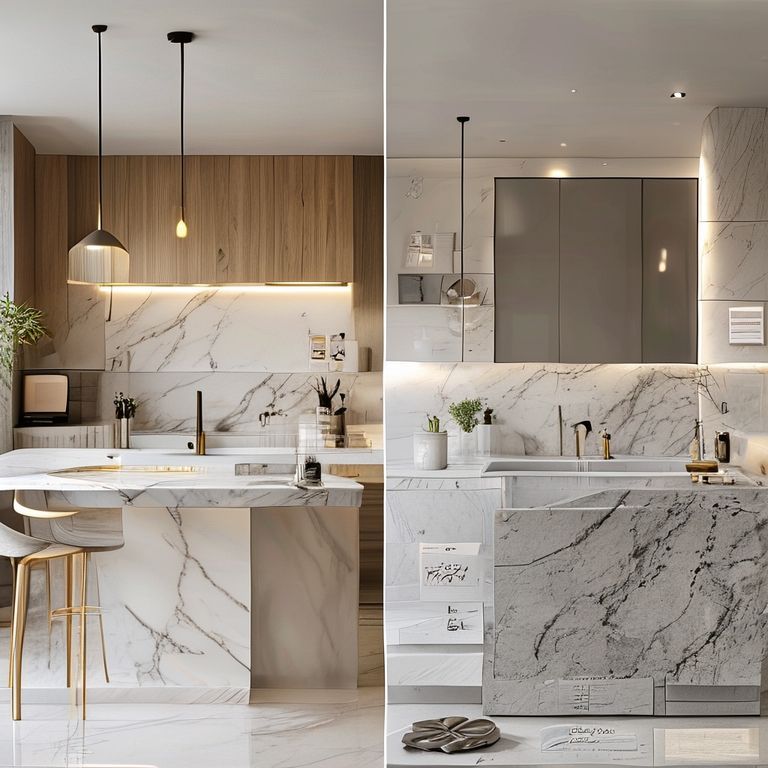
To understand the magic, we have to look under the hood. Acrylic artificial marble is a sophisticated blend of high-performance acrylic resins (like PMMA or MMA) and natural minerals (typically Alumina Trihydrate or ATH). This isn’t your grandma’s plastic-feeling countertop. It is a high-density, non-porous material that feels remarkably silky to the touch. It’s warmer than natural stone and offers a level of visual continuity that granite simply cannot touch. If you’ve ever seen a photo of a kitchen island that seems to flow effortlessly from the top down to the sides with no visible seams, you are likely looking at the power of acrylic.
The “Pros”: Why You’ll Fall in Love
The most significant advantage—the “holy grail” of acrylic artificial marble—is its seamless joining. In the world of natural stone or quartz, you are always at the mercy of the slab size. If your counter is longer than ten feet, you’re going to have a seam. With acrylic marble, professional installers use a specialized color-matched adhesive that chemically bonds the pieces together. Once sanded, the joint disappears completely. You get a monolithic, single-piece look that is breathtaking. This isn’t just about vanity; it’s about hygiene. No seams mean no place for crumbs, mold, or bacteria to hide.
Speaking of hygiene, the non-porous nature of this material is a total game-changer for anyone who actually uses their kitchen. If you spill red wine, turmeric, or beet juice on a natural marble countertop, you usually have about five seconds of panic before a permanent stain sets in. Acrylic marble doesn’t have pores. The liquid just sits on the surface, waiting for a damp cloth to wipe it away. It’s an “anxiety-free” surface that caters to the reality of a busy household rather than the demands of a museum.
Then there is the element of “Design Freedom.” Because acrylic becomes pliable when heated (a process called thermoforming), it can be bent into curves, waves, or even wrapped around columns. Have you ever wanted a bathroom sink that flows directly out of the countertop without a single lip or edge? Acrylic makes that a reality. It allows for integrated sinks and backsplashes that look like they were carved from a single, giant block of ice. This sculptural potential is why high-end hotels and luxury retail stores gravitate toward it.
Finally, we have to talk about repairability. This is where acrylic artificial marble truly shines over its competitors. If you drop a heavy cast-iron skillet on a quartz countertop and it chips, you’re looking at an expensive, difficult repair that might never look right. If you scratch acrylic marble, or even if you somehow manage to chip it, a professional can sand it down and buff it back to its original glory. It’s one of the few surfaces in your home that can actually be “renewed” years after installation. It grows with you, rather than just aging.
A Tactile Experience
When you run your hand across a high-quality acrylic surface, there’s a distinct “softness” to the touch that stone lacks. It doesn’t have that biting coldness when you lean against it on a winter morning. It absorbs the ambient temperature of the room, making it a much more “companionable” surface for a home. The aesthetic versatility is equally impressive. Manufacturers have mastered the art of “veining,” creating patterns that mimic the deep, soulful movements of natural stone while maintaining a consistency that nature rarely provides. You get the look you fell in love with in the showroom, without the “surprise” of a weird brown spot in the middle of your white slab that often comes with natural stone.
The Reality Check: Navigating the Challenges
While we could sing the praises of acrylic artificial marble all day, every material has its “Kryptonite.” If you are considering this for your home, you need to know the trade-offs. The most prominent “Con” is heat resistance. While natural granite can handle a hot pot straight off the stove (though it’s still not recommended), acrylic marble is essentially a high-grade resin. If you place a scorching hot pan directly on the surface, it can scorch, discolor, or even crack. It’s a material that demands you keep your trivets and hot pads handy. It’s not a deal-breaker for most, but it does require a shift in habits if you’re used to being a bit reckless with your cookware.
The second consideration is scratch resistance. Acrylic is “softer” than quartz or granite. This softness is what allows it to be repairable and warm to the touch, but it also means it picks up fine “spiderweb” scratches over time, especially on darker colors or high-gloss finishes. If you’re the type of person who loses sleep over a tiny surface scuff that only you can see in a certain light, you might find yourself opting for a matte finish or a lighter color where these marks are virtually invisible. The upside remains that you can buff these out, but the reality is that the material will show its life story more readily than a diamond-hard quartz.
The Cost of Quality
When people ask about the price, the answer is often “it depends.” Pure acrylic marble is generally more expensive than its “polyester-blend” cousins. Some manufacturers mix acrylic with polyester to bring the cost down, but you lose the thermoforming ability and the UV stability. If you want the real deal—the stuff that won’t yellow over time and can be bent into beautiful shapes—you’re looking at a premium price point. It often sits in the middle-to-high range of countertop options, typically more expensive than basic granite but sometimes more affordable than high-end, rare marbles or boutique quartz.
However, the “cost” isn’t just the sticker price. You have to factor in the installation. Because the seamless look requires specialized training and equipment, you cannot DIY an acrylic marble installation. You are paying for the artistry of a fabricator who knows how to make those seams vanish. This is an investment in the long-term aesthetic and functionality of your space.
Making the Right Choice for Your Space
So, who is acrylic artificial marble for? It’s for the design lover who craves a “clean” look. It’s for the person who wants a white kitchen but is terrified of the maintenance that comes with real Carrara marble. It’s for the homeowner who values hygiene and wants a surface that is as easy to clean as a dinner plate. If you are designing a bathroom, acrylic is arguably the best material on the market because it is entirely waterproof and can be molded into coved backsplashes that prevent water from ever seeping behind the cabinets.
On the flip side, if you are a “chaotic” cook who loves to slide hot trays across the counter and hates using cutting boards, you might find the maintenance of acrylic a bit frustrating. It’s a material that rewards a little bit of care with a lifetime of beauty.
Visualizing the Transformation
Imagine a kitchen where the island looks like a solid, glowing white monolith. No lines, no breaks, just pure, flowing form. Or a bathroom where the vanity and the sink are one continuous, silky-smooth piece of “stone.” That is the promise of acrylic artificial marble. When looking at photos of these installations, pay attention to the corners and the edges. Notice how the light reflects off the surface without being interrupted by a seam. That’s the “Acrylic Advantage.”
In the end, choosing a surface is about balancing your lifestyle with your aesthetic goals. Acrylic artificial marble offers a unique proposition: it gives you the beauty of stone with the flexibility of modern technology. It’s a material that doesn’t just sit in your home; it enhances the way you live in it. Whether you’re drawn to the matte, stone-like textures or the high-gloss, ultra-modern finishes, it’s a choice that says you value both form and function. Just keep those trivets ready, and your acrylic marble will likely be the most talked-about feature of your home for decades to come. It’s not just a countertop; it’s a statement of seamless elegance.









