
亚克力人造大理石价格表,亚克力人造大理石的坏处
The modern interior is no longer just a collection of functional objects; it is a curated sensory experience. When you walk into a kitchen where the light dances off a seamless, velvety surface, or a bathroom that feels like a private sanctuary carved from a single block of stone, you are likely witnessing the magic of acrylic artificial marble. Often referred to in the industry as “solid surface,” this material has staged a quiet revolution in architecture and design. But for the discerning homeowner or the pragmatic developer, the initial allure of aesthetics eventually meets the grounded reality of the budget. Understanding the “Acrylic Artificial Marble Price List” isn’t just about reading numbers on a spreadsheet; it’s about understanding the alchemy of resin, minerals, and craftsmanship that dictates those figures.
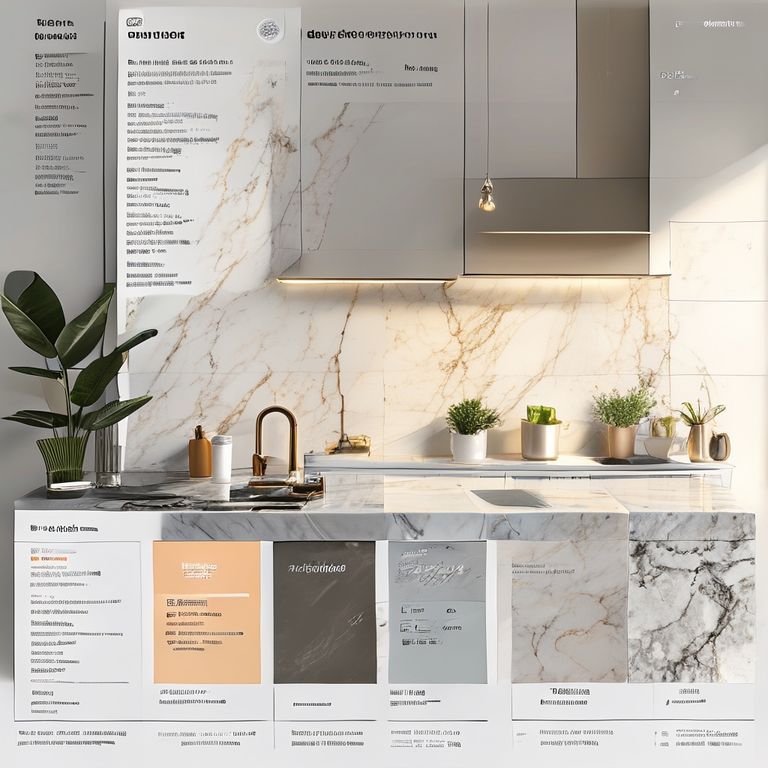
To truly grasp why one slab of acrylic marble costs $150 while another commands $600, we have to look beneath the surface—literally. Acrylic artificial marble is primarily composed of Methyl Methacrylate (PMMA) resin, Alumina Trihydrate (ATH) as a filler, and various pigments. The “acrylic” part is the secret sauce. High-end, pure acrylic surfaces are thermoformable, meaning they can be heated and bent into gravity-defying curves without losing their structural integrity. They are non-porous, antibacterial, and possess a depth of color that cheaper alternatives can’t replicate. When you see a price list, the first thing you’re paying for is the purity of that acrylic content.
There is a distinct hierarchy in the world of artificial stone. At the entry level, you often find “modified acrylic.” This is a blend of polyester resin and acrylic. It’s a sturdy, beautiful material, but it lacks the extreme flexibility and UV resistance of its pure-blooded cousins. Consequently, the price reflects this. If your project involves straight lines and standard kitchen counters, modified acrylic is a brilliant way to achieve a luxury look without the luxury price tag. However, if you’re envisioning a futuristic, curved reception desk or a translucent wall that glows from within, your eyes should wander toward the premium end of the price list where 100% pure acrylic resides.
Geography and brand prestige also play significant roles in the price fluctuations you see in a standard price list. Global titans like DuPont (Corian) or LG (Hi-Macs) have spent decades refining their chemical formulas and building a network of certified fabricators. When you buy into these brands, you aren’t just buying a slab; you’re buying a warranty, a global supply chain, and a guarantee of color consistency that is vital for large-scale commercial projects. On the other hand, the rise of high-quality independent manufacturers in manufacturing hubs has democratized the material. These “challenger” brands often offer comparable technical specifications at a fraction of the cost, making the dream of a seamless marble-look kitchen accessible to a much wider audience.
But let’s talk about the “Marble” in the name. Natural marble is a fickle mistress—it stains if you look at it wrong, it’s cold to the touch, and it requires a level of maintenance that many modern lifestyles simply can’t accommodate. Acrylic artificial marble mimics the intricate veining and sophisticated palettes of Carrara or Calacatta marble but adds a layer of invincibility. The price list for “veined” or “patterned” acrylic is invariably higher than that for solid colors. This is because creating those organic, flowing patterns requires a complex manufacturing process where pigments are injected and swirled by hand or via high-tech robotics to ensure no two slabs look identical. You are paying for the artistry of the imitation.
Another factor that often catches people off guard when reviewing a price list is the thickness of the material. Standard industry thicknesses are usually 6mm, 12mm, and sometimes 19mm. A 6mm sheet is perfect for wall cladding or vertical surfaces where weight is a concern, but for a high-traffic countertop, 12mm is the gold standard. It provides the necessary tensile strength to withstand the rigors of daily life. Choosing the right thickness is a balancing act between the structural requirements of your design and the constraints of your wallet.
Furthermore, we must consider the finish. A price list usually quotes the price for a “standard” finish, but acrylic marble is a shapeshifter. It can be sanded down to a matte, satin, or high-gloss sheen. A high-gloss finish on a dark-colored acrylic slab looks like a pool of midnight water, but it requires more labor to achieve and maintain, which might be reflected in the final fabrication quote rather than the raw material price.
In the grand scheme of interior investment, the acrylic artificial marble price list represents a gateway to longevity. Unlike laminate, which can peel, or wood, which can warp, acrylic marble is renewable. If you scratch it, you can sand it out. If you chip it, it can be filled and polished until the scar vanishes. This “infinite life” quality means that while the upfront cost might be higher than some budget materials, the cost-per-year of its lifespan is remarkably low.
As we move into the second part of our exploration, we will delve deeper into the specific price brackets you can expect in the current market, the hidden costs of fabrication and installation, and how to strategically choose the right material for specific zones of your home or business. Navigating these costs is about more than just finding the cheapest deal; it’s about finding the “sweet spot” where your vision of a beautiful space meets the functional demands of your reality.
Transitioning from the theoretical allure of acrylic marble to the practicalities of procurement requires a sharp eye for detail. When you finally sit down with an “Acrylic Artificial Marble Price List,” it’s helpful to categorize the options into tiers. This mental scaffolding allows you to allocate your budget where it will have the most impact.
Tier one is the “Solid Essentials.” These are the monochromatic whites, grays, and blacks. Because these slabs are easier to produce with absolute consistency, they sit at the most accessible price point. In the current market, you might find these ranging from $40 to $80 per linear foot (or equivalent square meter pricing depending on the region). For a minimalist, “Scandi-style” kitchen or a clean, clinical medical environment, these solid colors provide a sleek, uninterrupted aesthetic that is incredibly cost-effective. They offer all the benefits of the material—seamless joins and non-porosity—without the premium attached to complex patterns.
Tier two is the “Textured and Granular” collection. These slabs incorporate small chips of acrylic or mineral fillers to create a speckled, granite-like appearance. These are the workhorses of the industry. They are exceptionally forgiving; the small patterns hide fingerprints, water spots, and minor scratches much better than solid colors. From a pricing perspective, they usually command a 15% to 25% premium over the solids. For a busy family home where the kitchen island is the site of homework, meal prep, and social gatherings, this tier offers the best “bang for your buck.”
Then we reach Tier three: the “Artisan Veined” and “Translucent” series. This is where the price list starts to climb into the territory of true luxury. These materials are engineered to replicate the deep, dramatic veining of natural stone or to allow light to permeate through the slab. A backlit bar made of translucent acrylic marble is a showstopper, a piece of functional art that transforms a room. Prices here can soar upwards of $150 to $300 per slab or more, depending on the complexity of the design. When you are looking at these prices, remember that you are essentially purchasing a designer product. The manufacturing yield for these complex patterns is lower, and the demand for aesthetic perfection is higher.
However, a crucial lesson in navigating an acrylic marble price list is recognizing that the cost of the slab is only part of the story. Unlike buying a piece of furniture, you cannot simply “buy” a countertop. You must buy the material, the fabrication, and the installation. This “hidden” part of the price list can sometimes equal or even exceed the cost of the raw material. Fabrication involves templating your space, cutting the slabs with precision CNC machines, creating the seamless “V-groove” joins, and polishing the edges. A complex edge profile—like an ogee or a mitered waterfall edge—will add to the labor cost. When looking at a quote, always clarify if it’s “supply only” or “fully installed.”
Strategic selection can save you a fortune. For example, why use the same premium veined material for your laundry room as you do for your main kitchen island? Designers often use a “hero” material for the most visible areas and a coordinated, lower-tier solid color for secondary surfaces. This allows you to indulge in a high-end acrylic marble where it matters most while staying within a total project budget.
Another tip for those hunting for a bargain: ask about “remnants.” Fabricators often have off-cuts from large commercial jobs—beautiful pieces of premium acrylic marble that are too small for a full kitchen but perfect for a bathroom vanity, a coffee table top, or a shelving unit. These remnants are often sold at a steep discount, allowing you to snag a tier-three material at a tier-one price.
In the realm of commercial applications, the price list takes on a different dimension. For hotels, hospitals, or airports, the primary driver is often maintenance and hygiene. The fact that acrylic marble is “GreenGuard” certified for indoor air quality and can be bleached or disinfected without damaging the surface makes it an invaluable asset. In these contexts, the price is viewed through the lens of a long-term facility management budget. A slightly higher upfront cost is easily justified by the reduction in replacement frequency and the ease of daily cleaning.
As we look toward the future, the technology behind acrylic artificial marble continues to evolve. We are seeing the introduction of recycled content into the resin mix, catering to the growing demand for sustainable luxury. While “eco-friendly” lines might currently sit at a premium on the price list, they represent the direction the industry is heading. Furthermore, the integration of smart technology—such as wireless charging coils embedded directly beneath the surface of the acrylic—is turning these “marbles” into active participants in our digital lives.
Ultimately, the “Acrylic Artificial Marble Price List” is a map of possibilities. It reflects a material that has successfully bridged the gap between the raw beauty of the earth and the precision of modern chemistry. Whether you are a developer looking to add value to a multi-unit complex or a homeowner crafting your dream kitchen, these surfaces offer a canvas that is as durable as it is beautiful. By understanding the tiers of pricing, the importance of acrylic content, and the value of professional fabrication, you can make an informed decision that elevates your space. Don’t just look for the lowest number; look for the material that speaks to the longevity and the aesthetic soul of your project. In the world of fine interiors, the best investment is the one that continues to delight the eye and withstand the touch, year after year, seamless and serene.









