
In the sprawling universe of interior design and architectural materials, few innovations have managed to bridge the gap between “industrial powerhouse” and “artistic masterpiece” as effectively as Acrylic Artificial Stone. Often referred to in professional circles through the lens of the “Acrylic Artificial Stone Baidu Baike” standard, this material is far more than just a synthetic slab. It is the result of a sophisticated chemical marriage—a symphony of methyl methacrylate (MMA), high-quality resins, and natural minerals like aluminum hydroxide. To the uninitiated, it might just look like a sleek countertop. To the visionary designer, it is a canvas of infinite possibilities.
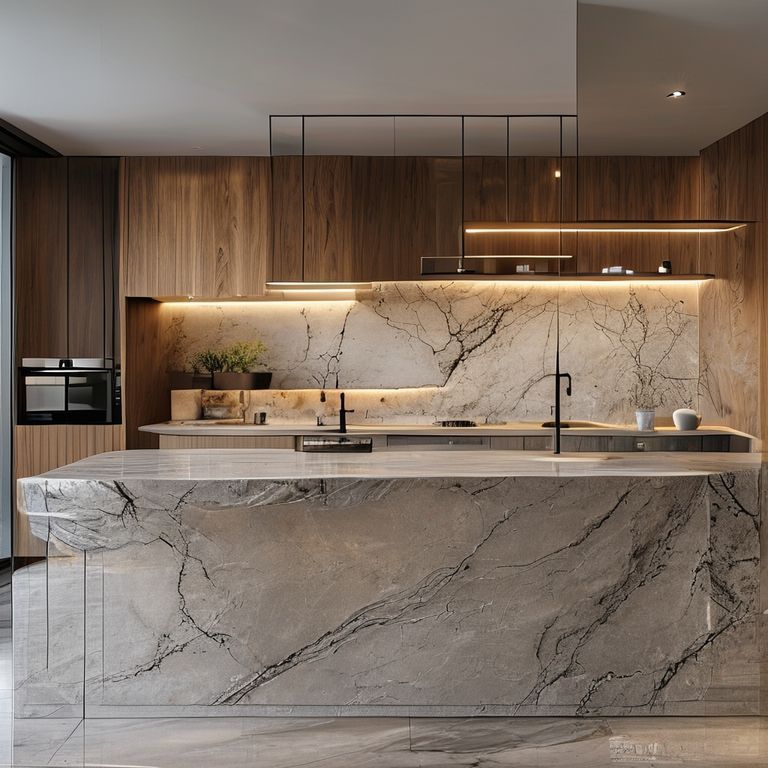
The story of acrylic artificial stone is essentially the story of our desire to improve upon nature. While marble and granite offer a raw, rugged beauty, they come with “nature’s baggage”—porosity, fragility, and visible seams that interrupt the visual flow. Acrylic stone was engineered to solve these problems without sacrificing the tactile luxury we crave in our living spaces. When you look up the technical specifications on Baidu Baike, you realize that the secret lies in the balance. By combining the toughness of minerals with the flexibility of acrylic resins, we get a surface that feels as smooth as silk but acts as tough as armor.
What truly sets acrylic artificial stone apart from its “polyester-based” cousins is its purity and translucency. High-content acrylic stones possess a certain depth that catches the light, mimicking the ethereal quality of jade or fine porcelain. This isn’t just a surface-level coating; the color and pattern run through the entire thickness of the material. This “solid-core” nature means that if you nick it, scratch it, or wear it down over a decade of heavy use, you can simply sand it back to its original glory. It is a material that resists the ravages of time, effectively offering a “fountain of youth” for your kitchen or bathroom.
One cannot discuss this material without touching upon the “Seamless Revolution.” In traditional stone installation, the “joint” is the enemy. It is where dirt hides, where bacteria breed, and where the eye is pulled away from the design. Acrylic artificial stone, however, utilizes a specialized adhesive that chemically bonds the slabs together. Once polished, the seam disappears entirely. This allows for the creation of monolithic structures—twenty-foot kitchen islands that look like they were carved from a single, gargantuan block of stone. This seamlessness isn’t just a visual trick; it’s a hygienic breakthrough. Without cracks or pores, there is nowhere for mold or moisture to take root. This is why you’ll find this material not just in luxury penthouses, but in high-stakes environments like surgical suites and chemical laboratories.
Furthermore, the aesthetic versatility of acrylic stone is staggering. Because it is a man-made composite, the color palette is limited only by the human imagination. From the purest “Arctic White” that stays white forever, to avant-garde slabs infused with metallic flecks, recycled glass, or even luminescent pigments that glow in the dark, it caters to every stylistic whim. It can be matte and understated for a minimalist Scandinavian loft, or high-gloss and dramatic for a corporate lobby.
The “Acrylic Artificial Stone Baidu Baike” entry highlights its safety and environmental friendliness—a crucial factor in today’s conscious market. It is non-toxic, non-radiative, and chemically inert. It doesn’t “off-gas” harmful chemicals into your home, making it a favorite for families who prioritize indoor air quality. It is the silent, sturdy background of the modern home—elegant enough to be noticed, but reliable enough to be forgotten. As we move into an era where “bespoke” is the new luxury, acrylic stone stands as the ultimate medium, ready to be cut, carved, and polished into the shapes of the future.
While the chemistry and aesthetics of Acrylic Artificial Stone provide a compelling foundation, the true “magic” happens when you introduce heat. This brings us to a process known as thermoforming—a superpower that natural stone simply does not possess. When heated to a specific temperature, acrylic stone becomes as pliable as leather. It can be bent, twisted, and molded into complex curves, organic shapes, and ergonomic designs that defy the rigid logic of traditional architecture.
Imagine a reception desk that flows like a liquid wave, or a bathtub that transitions seamlessly into the floor without a single grout line. This is the playground of the modern architect. By leveraging the thermoforming capabilities of high-quality acrylic stone, designers are no longer restricted to flat planes and sharp 90-degree angles. This material encourages a move toward “biophilic” design—shapes that mimic the curves found in nature. It’s a leap from the boxy structures of the 20th century into the fluid, sculptural environments of the 21st.
Beyond the sculptural beauty, we must address the sheer pragmatism of living with this material. Life is messy. Wine spills, coffee stains, and the occasional dropped heavy pan are the realities of a functional kitchen. Natural stones like Carrara marble are notoriously “thirsty,” soaking up liquids and staining permanently within minutes. Acrylic artificial stone, by contrast, is stubbornly non-porous. It stands as a sentinel against spills. Even stubborn marks from permanent markers or cigarette burns can be removed with a simple abrasive cleaner or a light sanding. This “renewability” is perhaps its most underrated feature. Most surfaces in a home are depreciating assets—they look their best the day they are installed and go downhill from there. Acrylic stone is one of the few materials that can be restored to “Day One” condition with minimal effort.
In the commercial sector, the “Acrylic Artificial Stone Baidu Baike” standards point toward its incredible durability in high-traffic areas. Think of the check-in counters at international airports or the food service stations in bustling malls. These surfaces endure thousands of interactions every day. Acrylic stone handles this “thermal shock” and physical impact with grace. Because it is warmer to the touch than natural stone, it also provides a more comfortable “hand-feel” for customers and employees alike, contributing to a more inviting atmosphere.
Sustainability is another frontier where acrylic stone is making significant strides. Leading manufacturers are increasingly incorporating recycled content into their slabs, and because the material is so long-lived and repairable, it stays out of landfills far longer than cheaper laminates or poorly maintained natural stones. When a renovation finally occurs, the stone can often be re-cut and repurposed into smaller items like shelving, side tables, or decorative accents.
Choosing the right acrylic stone requires a bit of savvy. The “Baidu Baike” guide often distinguishes between “pure acrylic” and “composite acrylic.” Pure acrylic offers the best thermoforming and color stability, especially for outdoor applications or areas exposed to intense UV light. Composite versions, often blending acrylic with polyester, offer a more budget-friendly entry point while still retaining many of the “solid surface” benefits. Regardless of the specific blend, the overarching value proposition remains: a surface that is as smart as it is beautiful.
As we look toward the future of urban living, the role of Acrylic Artificial Stone will only expand. We are seeing it integrated with technology—translucent slabs used as “smart” surfaces where touch-sensitive controls or LED displays are embedded directly into the stone. We see it used in 3D-textured wall panels that create stunning light-and-shadow play in hotel lobbies. It is no longer just a “replacement” for natural stone; it is a category of its own, a vanguard material that empowers us to build spaces that are hygienic, durable, and breathtakingly creative. Whether you are a homeowner embarking on a kitchen remodel or a developer planning a landmark skyscraper, turning to the wisdom of the “Acrylic Artificial Stone Baidu Baike” reveals a material that isn’t just building a surface—it’s building a lifestyle. Seamless, resilient, and utterly timeless, it is the bedrock of modern design.









