
Part 1: Outline
H1: Introduction to Engineered Marble: Pros, Cons, and Characteristics
H2: What is Engineered Marble?
H3: Definition and Scope
H3: Composition and Materials
H4: Marble Powder and Calcium Carbonate
H4: Resin Binder and Additives
H2: How Engineered Marble is Made
H3: Crushing and Purification
H4: Particle Size and Blend
H3: Molding, Curing, and Finishing
H4: Polished vs Matte Finishes
H2: Core Properties
H3: Non-Porosity and Water Resistance
H3: Stain Resistance and Hygiene
H3: Heat Sensitivity and Durability
H4: Thermal Handling
H2: Pros
H3: Aesthetic Versatility
H3: Uniform Color and Pattern
H3: Maintenance Advantages
H3: Cost Considerations
H2: Cons
H3: Susceptibility to Heat and Etching
H3: Potential for Scratching and Dulling
H4: Edge and Surface Care
H3: Environmental and Sustainability Notes
H2: Compare with Alternatives
H3: Natural Marble vs Engineered Marble
H3: Quartz vs Engineered Marble
H3: Solid Surface vs Engineered Marble
H2: Design and Application Guidance
H3: Kitchen Countertops
H4: Edges and Profile Options
H3: Bathrooms and Wet Areas
H4: Shower Surrounds and Wall Cladding
H2: Care and Maintenance
H3: Daily Cleaning
H4: Cleaning Agents to Use and Avoid
H3: Stain Management
H2: Installation and Longevity
H3: Professional vs DIY
H4: Substrate and Seaming
H2: Cost and Warranty
H3: Price Ranges
H3: Warranties and Brand Support
H2: Troubleshooting
H3: Common Issues and Fixes
H2: Final Thoughts
H2: FAQs
H3: How is engineered marble made?
H3: Is it safe for kitchens?
H3: Can it be used outdoors?
H3: Does it require sealing?
H3: How do I repair chips or scratches?

Part 2: Article
Engineered Marble: Pros, Cons, and Characteristics
What is Engineered Marble?
Engineered marble is a man-made surface created by combining crushed marble with a resin binder to form solid slabs. It’s designed to mimic the look of natural marble while offering added consistency, durability, and maintenance benefits. Unlike natural marble, which shows varied veining and color from block to block, engineered marble provides uniform color and patterns across large surfaces. This makes it a popular choice for kitchen countertops, bathroom vanities, and wall cladding in both residential and commercial settings.
Composition and Materials
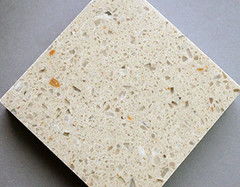
Engineered marble blends crushed marble particles with a polymer resin and other additives. The marble powder provides the visual texture, while the resin binds the particles into a cohesive sheet. Additives like pigments, UV stabilizers, and sealing agents can influence color stability, sheen, and performance.
Marble Powder and Calcium Carbonate
The core visual appeal comes from the marble powder (often calcium carbonate) that gives a familiar marble look. This powder is carefully grated and mixed to achieve specific patterns, veining, and translucency. The particle size and distribution influence the surface’s perceived depth and luxury.
Resin Binder and Additives
The resin binder locks the powder into a uniform matrix. It also helps control porosity, scratch resistance, and overall strength. Additives can enhance flexibility, cure time, and heat tolerance. The final product is a solid, non-porous panel that’s ready for fabrication into countertops, shelves, or walls.
How Engineered Marble is Made
Engineered marble undergoes several stages from raw materials to finished slabs.
Crushing and Purification
Raw marble is crushed to create a fine powder that will blend with the resin. Purity and particle sizing are tightly controlled to ensure consistent texture and performance.
Particle Size and Blend
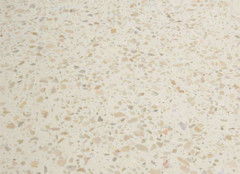
Mixing different particle sizes helps recreate natural stone’s depth while preserving a uniform surface. Colorants may be added to achieve a wide palette, from pure whites to bold veining-inspired designs.
Molding, Curing, and Finishing
The mix is poured into molds and cured under controlled heat and pressure. After curing, surfaces can be honed, polished, or given a matte finish. The edge profiles are shaped, and the sheets are cut to size for installation.
Polished vs Matte Finishes
A polished finish offers high gloss and strong reflectivity, giving the surface a luxurious look. A matte finish reduces glare and adds a softer touch, which can be more forgiving in high-traffic areas.
Core Properties
Engineered marble brings several defining traits that influence where and how it’s used.
Non-Porosity and Water Resistance
The resin matrix produces a non-porous surface. This reduces staining from spills and makes cleaning straightforward. A non-porous surface also resists bacterial growth better than many porous materials.
Stain Resistance and Hygiene
Stain resistance is a major benefit, especially in kitchens and bathrooms where spills are common. The surface can generally handle common substances, but acidic or highly pigmented materials should be treated promptly to prevent discoloration.
Heat Sensitivity and Durability
Engineered marble isn’t impervious to heat. Direct contact with hot pans or unusually high heat can cause discoloration, dulling, or micro-etching. That’s why many designers advocate using trivets or hot pads.
Thermal Handling
In practice, the material handles typical kitchen temperatures well, but prolonged exposure to heat can create micro-damage. Compared with some granite or quartz options, engineered marble is generally less heat-tolerant.
Pros
Engineered marble offers a blend of aesthetics and practicality that appeals to many homeowners and designers.
Aesthetic Versatility
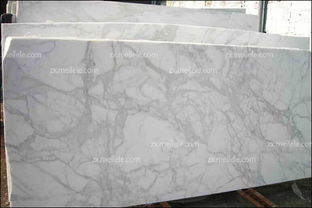
With a broad spectrum of colors and veining patterns, engineered marble can mimic classic marble or offer bold, modern looks. You can achieve subtle, understated beauty or dramatic, high-contrast designs depending on the project.
Uniform Color and Pattern
The consistent color and veining reduce the risk of unexpected variations across slabs. This makes it easier to plan large installations and maintain a cohesive look.
Maintenance Advantages
Non-porous surfaces resist stains and are easier to clean than many natural stones. Routine cleaning often just requires warm water and a mild soap, without specialized sealers or repeated resealing.
Cost Considerations
Material and installation costs for engineered marble typically sit between high-end laminate and natural stone options. For many homeowners, the price-to-performance ratio offers a compelling value, especially when a consistent look is desired.
Cons
No material is perfect, and engineered marble has trade-offs to consider.
Susceptibility to Heat and Etching
Hot cookware can scorch or leave marks on the surface, especially if the resin is compromised or prolonged contact occurs. Ambient heat is less risky, but never place hot pots directly on it.
Potential for Scratching and Dulling
Sharp objects or heavy use can scratch or dull the surface over time. While many slabs resist minor abrasions, the surface can show wear with heavy kitchen use.
Edge and Surface Care
Edges are particularly vulnerable because they’re often exposed to impacts, cutting, or cleaning chemicals. Proper edge profiles and protective measures help extend life.
Environmental and Sustainability Notes
Manufacturing engineered marble involves synthetic materials, so recycling and end-of-life disposal require consideration. Some brands offer recycled-content options, but the non-porous resin may complicate recycling through standard streams.
Compare with Alternatives
Understanding how engineered marble stacks up against other materials helps with decision-making.
Natural Marble vs Engineered Marble
Natural marble offers unique, one-of-a-kind veining and a premium aura. It’s timeless but tends to be more porous, stains easily, and requires more maintenance (sealing, careful cleaning). Engineered marble provides consistency, easier upkeep, and often lower maintenance costs, though it sacrifices some of the organic charm found in natural stone.
Quartz vs Engineered Marble
Quartz surfaces (engineered quartz) blend crushed quartz with resin, delivering excellent scratch resistance and higher heat resistance in many cases. Quartz tends to be more durable in busy kitchens, but price and design choices vary. Engineered marble remains a strong choice for those who prioritize marble aesthetics and a softer, more delicate look.
Solid Surface vs Engineered Marble
Solid-surface materials (like acrylic) offer excellent repairability and seamless looks, especially for vertical applications. They’re generally softer and more forgiving than engineered marble but may not achieve the same depth of natural stone appearance.
Design and Application Guidance
Choosing the right material for your space involves a mix of function, style, and budget.
Kitchen Countertops
For kitchens, engineered marble can deliver a luxurious vibe with consistent veining. Consider edge profiles that balance aesthetics with durability, like eased or slightly rounded edges. In busy kitchens, pairing with a durable backsplash and a practical sink install improves longevity.
Edges and Profile Options
Chamfered edges, half-bullnose, and square edges each create a distinct look. The profile choice can influence maintenance and resilience.
Bathrooms and Wet Areas
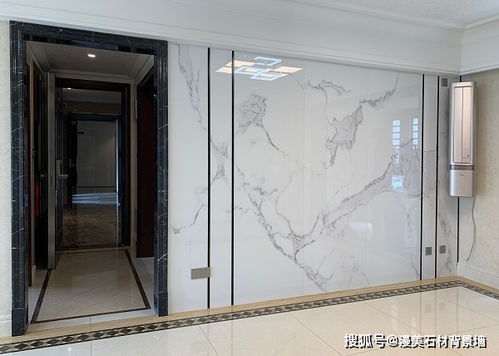
Vanities, shower niches, and walls benefit from the water resistance and easy cleaning. Matte or honed finishes hide water marks better, while polished options emphasize luxury.
Shower Surrounds and Wall Cladding
Non-porous surfaces resist soap scum and mold better than porous materials. Adequate ventilation remains important to prevent moisture-related issues over time.
Care and Maintenance
Keeping engineered marble looking fresh is straightforward with a routine.
Daily Cleaning
Use a soft cloth or sponge with warm water and mild soap. Avoid abrasive scrubbers that can dull the surface. For routine maintenance, a gentle cleaner designed for solid surfaces works well.
Cleaning Agents to Use and Avoid
Stick with pH-balanced cleaners. Avoid bleach, ammonia, or highly acidic products that can etch the surface or degrade the resin.
Stain Management
Treat spills promptly, especially with highly pigmented liquids like coffee, red wine, and turmeric. A soft cleaner and a mild bleach alternative can be effective for stubborn stains, but test first on a small area.
Installation and Longevity
Proper installation and care influence how long engineered marble performs well in a space.
Professional vs DIY
Professional installation ensures accurate measurements, proper substrate preparation, and secure sealing where needed. DIY can be feasible for smaller projects but may not achieve the same precision.
Substrate and Seaming
A stable substrate, moisture control, and careful seam placement are essential. Seams should be matched to minimize visual disruption and maintain surface integrity.
Cost and Warranty
Budget planning includes material costs, fabrication, and installation.
Price Ranges
Engineered marble typically falls between mid-range to premium categories, depending on color, pattern complexity, thickness, and brand. Labor costs for fabrication and installation also influence the final price.
Warranties and Brand Support
Look for warranties that cover cracking, delamination, and edge chipping. Warranties vary by brand and region; reading them carefully helps avoid surprises.
Troubleshooting
Even with careful planning, issues can arise. Knowing how to respond helps protect your investment.
Common Issues and Fixes
Etching from acidic substances can occur, as can micro-scratches. Some issues are fixable with professional refinishing; others may require replacement of a panel.
Final Thoughts
Engineered marble offers a balanced blend of marble aesthetics and practical performance. It’s a versatile option for many spaces, especially where a consistent look and easier maintenance are priorities. Weighing heat exposure, wear, and care against desired aesthetics will guide you to the right choice.
Frequently Asked Questions
How is engineered marble made?
Engineered marble is created by combining crushed marble powder with a resin binder, then curing the mixture into solid slabs. Colorants and additives tune appearance and performance, and the slabs are finished with polished or matte surfaces.
Is engineered marble heat resistant?
It has decent heat tolerance for everyday use, but direct contact with hot pots and prolonged high heat can cause damage, such as discoloration or dulling. Always use trivets and protect surfaces from extreme heat.
How do I clean engineered marble?
Use mild soap and warm water or a cleaner designed for solid-surface materials. Avoid abrasive pads and harsh chemicals, especially those with strong acids, ammonia, or bleach.
Can engineered marble be used outdoors?
Outdoor use is possible with certain formulations, but most engineered marble products are designed for indoor environments. Outdoor exposure can lead to color fading or other changes depending on sunlight and weather exposure.
Does engineered marble require sealing?
Most engineered marbles are non-porous and do not require sealing. However, some manufacturers recommend periodic maintenance or sealers for specific products or finishes, so follow the brand’s guidelines.









