
Part 1: Outline (HTML headings)
Outline: How to Clean Stains on Artificial Marble Countertops
Introduction
What this guide covers
Why artificial marble stains behave differently
What is artificial marble?
Composition: resin matrix and marble dust
Porosity and stain resistance
Common brands and variants
Common stain types on engineered stone
Oil-based stains
Organic stains: coffee, tea, fruit juice, wine
Ink and dye stains
Metal and rust marks
Safety and prep steps
Patch testing: why and how
Protective gear and workspace setup
Daily cleaning essentials
Gentle cleaners to keep on hand
Tools that won’t scratch
Deep cleaning methods: step-by-step
Method A — Soap and water
Steps and best practices
Method B — Baking soda paste
Recipe and application
When to avoid or limit use
Method C — Hydrogen peroxide for organic stains
How to use safely
Timing and rinse tips
Tackling tough stains
Ink and marker stains
Red wine, coffee, and berry stains
Metallic marks and rust-like stains
Maintenance and prevention
Sealing considerations for engineered marble
Preventive habits to minimize future staining
When to call a professional
Situations that warrant expert help
Conclusion
FAQs
Part 2: The Article
How to Clean Stains on Artificial Marble Countertops
Introduction
If you’re dealing with stains on your artificial marble countertop, you’re not alone. These surfaces look high-end and easy to care for, but stains can still pop up from coffee spills, red wine, and even everyday kitchen mishaps. The good news is that with the right approach, most stains can be lightened or removed without damaging the surface. In this guide, you’ll find practical, step-by-step methods that work for common stain types while keeping your engineered stone looking its best.

What is artificial marble?
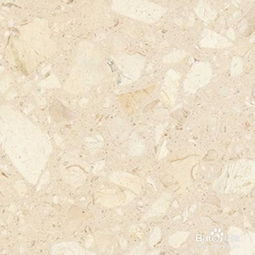
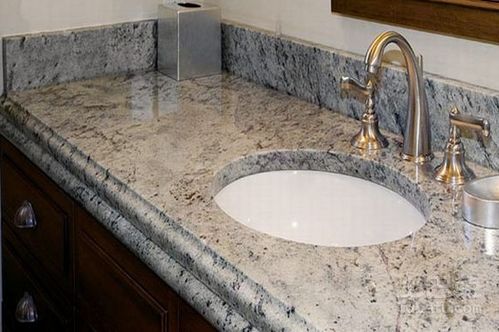
Artificial marble, also known as engineered marble or cultured marble, is a man-made surface composed of crushed stone (often marble dust) bound together with a resin or polymer binder. This mixture is cast into slabs and finished to mimic natural stone. Because it’s non-porous, engineered marble resists staining more than some natural stones—but it isn’t immune. Harsh acids, strong abrasives, or prolonged exposure to certain chemicals can dull the finish or cause micro-scratches that trap stains.
Composition, porosity, and stain resistance
- Composition: Engineered marble blends marble dust with a resin binder. This creates a smooth, consistent surface that’s easier to clean than some natural stones.
- Porosity: Most engineered marble is designed to be non-porous, which helps prevent deep staining. However, accidental spills left to sit can still penetrate if the surface is damaged or if cleaners aren’t complementing the material.
- Stain resistance: It’s generally resistant to many common stains, but it isn’t stain-proof. Acidic substances, oil-based residues, and pigment-rich liquids can leave marks if not cleaned promptly or if abrasive cleaners are used.
Common stain types on engineered stone
Oil-based stains
Oil from cooking, salad dressings, or greasy foods can leave dull, dark spots. These are usually surface-level and respond well to gentle cleaning methods.
Organic stains: coffee, tea, fruit juice, wine
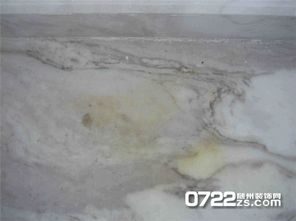
Stains containing tannins and pigments—like coffee, tea, red wine, berries, and fruit juices—tend to be more stubborn. They can appear as dark shadows or blotches that require a little extra cleaning power.
Ink and dye stains
Markers, permanent ink, or certain dye-based foods can leave concentrated pigment marks that resist simple soap-and-water cleaning.
Metal and rust marks
Metal particles or rust-like streaks can create orange-brown discolorations. These often require a slightly different approach than organic stains.
Safety and prep steps
Patch testing: why and how
Before you tackle any stain, test your cleaner on a small, inconspicuous area to confirm it won’t discolor or dull the surface. If the color changes, stop and try a milder option or skip that method entirely.
Protective gear and workspace setup
- Wear gloves if you’re using chemicals beyond everyday soap and water.
- Use soft microfiber cloths to avoid scratching.
- Work in a well-ventilated area when using hydrogen peroxide or stronger cleaners.
- Have a clean, dry towel ready to dry the surface after treatments.
Daily cleaning essentials
Gentle cleaners to keep on hand
- Mild dish soap (pH-balanced) diluted with warm water.
- A few microfiber cloths for wiping and drying.
- A spray bottle for easy application.
Tools that won’t scratch
- Non-abrasive sponges
- Microfiber or soft cotton towels
- Soft bristle brushes for grout lines or edges, if needed (gentle and used carefully)
Deep cleaning methods: step-by-step
Method A — Soap and water
1) Mix a few drops of mild dish soap with warm water in a spray bottle.
2) Spray onto the stained area and wipe with a clean microfiber cloth using circular motions.
3) Rinse with clean water and wipe dry with a separate cloth.
4) Repeat as needed for light stains. This method is often enough for everyday residues and light discoloration.
Method B — Baking soda paste
Baking soda is mildly abrasive, so use it carefully on engineered marble.
Recipe: 1 tablespoon baking soda 1–2 teaspoons water (adjust to form a paste)
Steps:
1) Apply the paste to the stain in a thick layer.
2) Cover with plastic wrap or a small plate to keep moisture in and let it sit for 10–15 minutes. Do not leave it on for hours—overexposure can dull the surface.
3) Gently scrub with a soft cloth or sponge in a circular motion.
4) Rinse thoroughly with clean water and dry completely.
5) If the stain persists, you can reapply once or twice, but avoid repeating frequently to prevent dulling the surface.
Cautions: Baking soda is abrasive. Do not scrub aggressively or use on glossy or highly polished areas that show micro-scratches easily.
Method C — Hydrogen peroxide for organic stains
Hydrogen peroxide can brighten organic stains without harsh chemicals.
Concentration and safety:
- Use 3% hydrogen peroxide (drugstore strength).
- Do a patch test first in a hidden spot to ensure no whitening or discoloration.
Steps:
1) Dampen a microfiber cloth with 3% hydrogen peroxide, or lightly spray the stain with it.
2) Let it sit for 5–10 minutes if the stain is stubborn; shorter times are better for delicate surfaces.
3) Rinse with clean water and dry with a fresh cloth.
4) If needed, repeat once more, but avoid leaving peroxide on the surface for extended periods.
Tips: Do not mix hydrogen peroxide with bleach or ammonia. Always rinse thoroughly to prevent residue buildup.
Handling tough stains: special scenarios
Ink and marker stains
- Blot with a cloth to lift as much pigment as possible.
- Apply a small amount of 3% hydrogen peroxide, cover with plastic wrap if needed, and wait 5–10 minutes, then rinse and dry.
- If still visible, repeat once. Avoid rubbing vigorously to prevent abrasion.
Red wine, coffee, and berry stains
- Start with soap and water; if stubborn, switch to baking soda paste for a short period.
- For persistent pigment-heavy stains (like red wine), hydrogen peroxide can be effective after patch testing.
- Always rinse thoroughly and dry to prevent any dull spots.
Metallic marks and rust-like stains
- Use a non-abrasive cleaner and a microfiber cloth; avoid harsh metal tools that can scratch.
- If stains persist, a slightly diluted hydrogen peroxide solution or a mild rust-removing product designed for non-porous surfaces can help, but test first.
- Do not use strong acidic products that could etch the surface.
Maintenance and prevention
Sealing considerations for engineered marble
- Most engineered marble surfaces are non-porous, so sealing isn’t typically required.
- Check your manufacturer’s guidance; some specialty surfaces may recommend a sealer, but use only products designed for engineered stones.
- Regular cleaning with gentle products remains the best defense against staining.
Preventive habits to minimize future staining
- Wipe up spills immediately, especially acidic or pigmented liquids.
- Use coasters for beverages and mats under fruit or tomato-based sauces.
- Clean spills within a few minutes, not hours, to prevent pigment from settling.
- Avoid abrasive cleaners and scouring pads; stick to soft cloths and non-abrasive tools.
When to call a professional
Situations where professional help might be worth it
- Stains that are deeply set and do not respond to standard cleaning methods.
- Surface discoloration after using an inappropriate cleaner.
- Visible etching or dulling that affects the countertop’s appearance.
Conclusion
Stains on artificial marble countertops don’t have to be a mystery or a source of ongoing frustration. With a clear plan—identify the stain type, patch-test cleaners, and apply gentle, proven methods—you can restore most surfaces to their original luster. Remember to keep your routine simple, use non-abrasive tools, and pick the right cleaner for the job. With a little care, your engineered marble will stay bright, clean, and ready for the next kitchen adventure.
FAQs
1) Can I use vinegar or lemon juice on artificial marble?
- Avoid acidic cleaners like vinegar or lemon juice for routine cleaning, since they can dull or etch the surface over time.
2) Is baking soda safe on engineered marble?
- Baking soda is generally safe in small amounts for short periods, but it’s mildly abrasive. Don’t scrub aggressively and avoid leaving a baking soda paste on for long.
3) What should I do if a stain won’t go away?
- Patch-test a new cleaner, then try a combination method (soap and water, then baking soda paste, then hydrogen peroxide with caution). If the stain persists, consider professional cleaning or resurfacing options.
4) How often should I clean my artificial marble countertop?
- Wipe daily with a mild soap-and-water solution to remove residues and prevent buildup. Do a deeper clean as needed for spills that stain or for routine maintenance.
5) Can I seal artificial marble countertops?
- Most engineered marble surfaces don’t require sealing. Always check your product’s guidelines or with the manufacturer before applying a sealer.









