
The whisper of luxury, the gleam of sophistication, the cool, smooth touch underfoot – marble has long been a symbol of timeless elegance and enduring beauty. For centuries, it has graced the halls of palaces, adorned the sculptures of masters, and added an unmistakable air of prestige to countless interiors. Yet, the very qualities that make natural marble so desirable – its unique veining, its inherent richness – also present challenges: its porous nature, its susceptibility to staining and etching, and its often considerable cost and logistical complexities. This is where the innovative world of artificial marble steps in, offering a compelling alternative that marries the aesthetic appeal of its natural counterpart with enhanced performance and remarkable versatility. But what precisely is artificial marble, and how does it differ from the stone quarried from the earth?

The term “artificial marble” is a broad umbrella encompassing a range of engineered surfacing materials that are designed to mimic the look and feel of natural marble. These are not simply imitations; they are sophisticated composites born from advancements in material science, meticulously crafted to replicate the visual splendor of marble while overcoming many of its practical limitations. At its core, artificial marble is a man-made material, created through a carefully controlled manufacturing process. This process typically involves combining natural mineral fillers with synthetic resins and pigments. The exact composition and manufacturing techniques vary depending on the specific type of artificial marble, leading to a spectrum of materials each with its own distinct characteristics.
One of the most prevalent forms of artificial marble is quartz surface, often referred to by brand names like Silestone or Caesarstone. This material is made from approximately 90-95% ground natural quartz, a hard mineral, combined with polymer resins and pigments. The quartz provides exceptional hardness and durability, making these surfaces highly resistant to scratches, chips, and heat. The resins bind the quartz particles together, and the pigments are introduced to achieve a vast array of colors and patterns, often designed to emulate the veining and coloration of natural marble. The manufacturing process for quartz surfaces is a marvel of engineering: the mixture is vibrated under vacuum to remove air pockets, then cured under intense heat and pressure. This results in a non-porous, incredibly dense, and exceptionally uniform material. The “marble-like” appearance is achieved by carefully designing the distribution of pigments and sometimes by incorporating specific veining patterns during the manufacturing process.
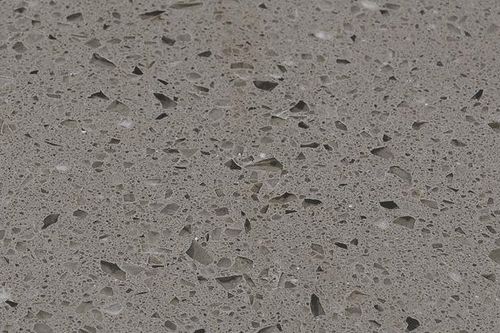
Another significant category is solid surface, perhaps best known through brands like Corian. Solid surface materials are typically composed of a blend of acrylic polymers and alumina trihydrate (ATH), derived from bauxite ore. Unlike quartz surfaces, solid surfaces are completely non-porous, meaning they have no voids or cracks where bacteria can harbor. This makes them exceptionally hygienic and easy to clean, a significant advantage in kitchens and bathrooms. While solid surfaces can be formulated to mimic marble, they often offer a more homogenous color and pattern. Their key differentiator lies in their thermoformability – they can be heated and shaped into seamless curves, integrated sinks, and intricate designs that are impossible with natural stone. This allows for truly bespoke and fluid interior elements. The aesthetic mimicry of marble in solid surfaces is achieved through the careful incorporation of pigments and particulate matter that replicate the visual depth and subtle variations of natural stone.
Then there are resin-based artificial marbles, sometimes referred to as composite stones or engineered marbles. These materials often use a higher proportion of natural stone aggregates, such as marble chips or granite dust, bound together with a polymer resin, typically polyester or epoxy. The manufacturing process often involves vibrocompression, similar to quartz surfaces, to create dense and durable slabs. These materials can achieve a very convincing resemblance to natural marble, often with more pronounced veining and a slightly softer feel than pure quartz. The resin content makes them less susceptible to staining than natural marble and provides a degree of flexibility during fabrication. The appearance is directly influenced by the size and type of aggregate used, with finer aggregates creating a more uniform look and larger chips yielding a bolder, more variegated appearance.

The appeal of artificial marble extends far beyond its mere resemblance to natural stone. Its creation is a testament to human ingenuity, a deliberate engineering of surfaces that not only capture the aesthetic essence of marble but also enhance its practicality. Each type of artificial marble – be it quartz, solid surface, or resin-based – represents a unique solution tailored to different needs and design aspirations. The journey from raw materials to a finished slab is a controlled, precise process that allows for a level of consistency and predictability that natural quarrying simply cannot offer. This meticulous creation is the bedrock of its distinct advantages.
The distinguishing factors of artificial marble become most apparent when we consider their performance, maintenance, and application. While natural marble is undeniably beautiful, its inherent porosity means it readily absorbs liquids, making it prone to staining from wine, coffee, or oils. It’s also sensitive to acidic substances like lemon juice or vinegar, which can cause etching – a dulling of the surface. Regular sealing is often required to mitigate these issues, adding an ongoing maintenance burden. Artificial marbles, particularly quartz and solid surfaces, are engineered to be non-porous or extremely low porosity. This translates into significantly enhanced stain resistance and ease of cleaning. Spills can typically be wiped away with mild soap and water, leaving no trace. This makes them ideal for high-traffic areas like kitchen countertops and bathroom vanities, where spills and daily use are inevitable.
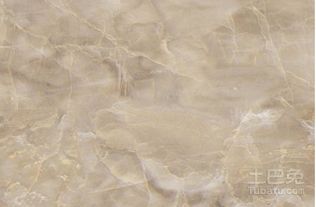
Durability is another area where artificial marble often shines. Quartz surfaces, with their high quartz content, are exceptionally hard and resistant to scratching and impact. While no surface is entirely impervious, they offer a robust performance that can withstand the rigamarole of everyday life. Solid surfaces, while softer than quartz, are highly impact-resistant and, importantly, can be repaired. Minor scratches or chips can often be buffed out or even filled, seamlessly restoring the surface. Resin-based artificial marbles also offer good durability, often exceeding that of natural marble in terms of resistance to cracking and chipping due to the binding properties of the resin. This engineered resilience ensures that artificial marble surfaces maintain their pristine appearance for years to come, reducing the need for costly replacements or extensive repairs.
The aesthetic versatility of artificial marble is truly remarkable. While natural marble offers a unique beauty in each slab, its patterns and colors are dictated by geological processes. Artificial marble, on the other hand, can be manufactured in an almost limitless spectrum of colors and patterns. Designers can select from a vast palette, from classic white with subtle grey veining to bold, dramatic swirls in deep hues. The manufacturing process allows for precise control over the pattern, enabling the creation of consistent veining that runs across multiple slabs – a significant advantage when planning large installations or matching patterns. Furthermore, artificial marbles can achieve finishes that are difficult or impossible with natural stone, such as a highly polished, mirror-like sheen or a more matte, textured finish that evokes the tactile qualities of honed stone. This ability to precisely dictate appearance opens up a world of creative possibilities for interior designers and homeowners.
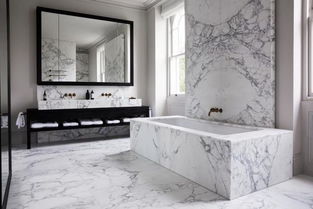
Cost-effectiveness is also a compelling argument for artificial marble. While high-end engineered stones can command a premium price, they often represent a better long-term investment when considering the combined cost of material, installation, and ongoing maintenance compared to natural marble. The efficiency of manufacturing, the reduced wastage due to precise cutting, and the lower maintenance requirements all contribute to a more predictable and often more economical total cost of ownership. Furthermore, the availability of a wider range of price points within the artificial marble category means that luxury aesthetics can be achieved within a broader range of budgets.
In terms of application, artificial marble has become a ubiquitous material in contemporary design. Kitchen countertops are perhaps its most popular domain, where its stain and scratch resistance, coupled with its beauty, make it a highly practical choice. Bathroom vanities, shower surrounds, and even full-height wall cladding benefit from its water resistance and ease of cleaning. Beyond these functional areas, artificial marble finds its way into a myriad of other applications:
Flooring: Durable and aesthetically pleasing, it can replicate the grandiosity of marble floors without the inherent fragility. Wall Panels and Backsplashes: Adding a touch of elegance and sophistication to any room. Furniture: Used for tabletops, console tables, and decorative accents, offering a sleek and modern finish. Commercial Spaces: Its durability and hygienic properties make it ideal for high-traffic areas in hotels, restaurants, and retail environments. Artistic Installations and Sculptures: The moldability of solid surfaces, in particular, allows for the creation of unique, fluid artistic forms.
The choice between natural and artificial marble ultimately hinges on a careful consideration of priorities. For those who cherish the unique, unrepeatable artistry of nature and are prepared for the associated maintenance, natural marble remains an unparalleled choice. However, for those seeking a harmonious blend of breathtaking aesthetics, superior performance, and practical ease, artificial marble offers a compelling and sophisticated solution. It represents not a compromise, but rather an evolution, an intelligent reimagining of a beloved material that continues to grace and elevate our living spaces with its enduring allure.









