
The very mention of marble evokes images of timeless grandeur, classical sculptures, and opulent palaces. For centuries, natural marble has been the benchmark of luxury and sophisticated beauty in architecture and interior design. However, the allure of marble comes with a price, not just in terms of cost, but also in its inherent limitations. It can be porous, prone to staining and etching, and its extraction can raise environmental concerns. Enter artificial marble, a modern marvel that skillfully captures the essence of its natural counterpart while offering a compelling array of benefits that are revolutionizing the way we design and build our living spaces.

Artificial marble, often referred to as engineered stone, is not a compromise; it’s an intelligent evolution. It’s a testament to human ingenuity, a material born from a deep understanding of natural stone’s beauty and a desire to enhance its performance. The manufacturing process typically involves combining natural quartz or marble dust with resins, polymers, and pigments. This meticulously controlled process allows for a level of consistency and customization that natural stone simply cannot match. The result is a material that boasts the visual appeal of marble – the veining, the subtle color variations, the depth – but with a significantly improved profile in terms of durability, maintenance, and even design flexibility.
One of the most striking advantages of artificial marble is its sheer consistency. Unlike natural marble, where each slab is a unique entity with potential imperfections or unexpected color shifts, engineered stone offers uniformity. This predictability is invaluable for designers and homeowners alike. When you select a particular pattern or color of artificial marble, you can be confident that the piece you receive will closely match the sample. This is particularly important for large-scale installations like kitchen countertops, bathroom vanities, or expansive flooring projects where a cohesive and seamless look is paramount. No more worrying about whether two slabs will perfectly align or if a vein will disrupt the intended aesthetic.

Beyond its visual consistency, artificial marble truly shines in its performance characteristics. Its non-porous nature is a game-changer, especially in high-traffic, moisture-prone areas like kitchens and bathrooms. Natural marble, with its open pores, can easily absorb liquids, leading to unsightly stains from coffee, wine, or grease. It also becomes a breeding ground for bacteria, making it less hygienic. Artificial marble, however, is virtually impermeable. This means spills can be wiped away with ease, and the surface remains hygienic and resistant to bacteria and mold growth. This ease of maintenance translates into less stress and more enjoyment of your living spaces. Imagine a kitchen where you don’t have to constantly fret over accidental spills or a bathroom that feels consistently fresh and clean.
The enhanced durability of artificial marble is another significant draw. The combination of natural stone particles and resilient resins creates a material that is exceptionally hard and resistant to chips, scratches, and cracks. This makes it an ideal choice for surfaces that experience a lot of wear and tear. Kitchen countertops, for instance, are constantly subjected to chopping, dropping utensils, and the general hustle and bustle of culinary activities. Artificial marble can withstand these daily challenges with remarkable resilience, maintaining its pristine appearance for years to come. Similarly, as flooring, it offers a robust solution that can endure the foot traffic of a busy household without showing signs of wear.
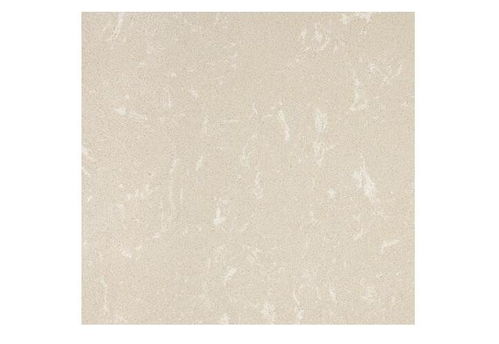
The design possibilities with artificial marble are truly expansive. While it replicates the classic beauty of natural marble, it also opens up a world of creative freedom. Manufacturers can control the color and pattern with incredible precision, allowing for a wider spectrum of hues and veining designs than what is found in nature. This means you can achieve the sophisticated look of Calacatta marble in a shade that perfectly complements your existing decor, or perhaps opt for a bold, contemporary color that makes a statement. The ability to create custom patterns and finishes means that artificial marble can be tailored to virtually any design aesthetic, from minimalist modern to opulent traditional. Whether you’re envisioning a sleek, monochromatic kitchen island or a bathroom with intricate marble-look detailing, artificial marble offers the flexibility to bring your vision to life.
Furthermore, the environmental considerations surrounding artificial marble are increasingly becoming a factor in its popularity. While the extraction of natural stone can have ecological impacts, engineered stone often utilizes recycled materials and more controlled manufacturing processes. The durability and longevity of artificial marble also contribute to sustainability, as it reduces the need for frequent replacement. This conscious choice towards materials that are both beautiful and responsible is a growing trend in the design world, and artificial marble fits seamlessly into this ethos. It allows for the appreciation of marble’s aesthetic without the associated environmental burdens.
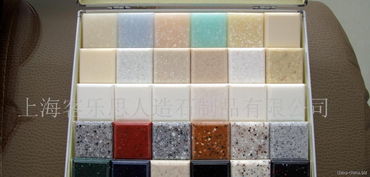
In essence, artificial marble represents a harmonious blend of nature’s artistry and human innovation. It offers the timeless elegance we associate with marble but elevates it with superior performance, unparalleled consistency, and a vast palette of design possibilities. As we continue to seek materials that are not only aesthetically pleasing but also practical, durable, and responsible, artificial marble emerges as a compelling solution, proving that sometimes, the best of nature can be improved upon through thoughtful engineering.
Delving deeper into the practical applications and stylistic versatility of artificial marble reveals why it has become such a celebrated material in contemporary design. Its suitability for a wide range of projects, from the most intimate residential spaces to high-traffic commercial environments, underscores its adaptability and enduring appeal. The initial decision to opt for artificial marble is often driven by a desire for a specific aesthetic, but it’s the material’s inherent qualities that solidify its place as a long-term favorite.
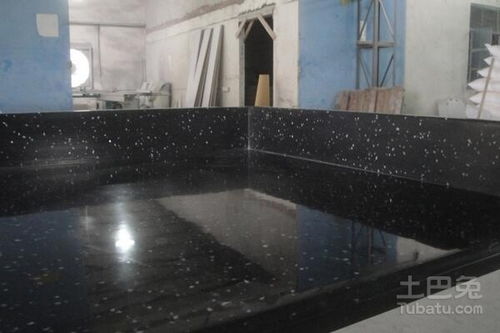
Consider the kitchen, often described as the heart of the home. It’s a space that demands both beauty and resilience. Artificial marble countertops are a standout choice for several reasons. Their non-porous surface is a significant advantage when it comes to hygiene and cleaning. Spills of food and drink, common occurrences in any kitchen, can be wiped away without leaving a trace, preventing stains and the growth of harmful bacteria. This is a stark contrast to natural marble, which requires diligent sealing and careful attention to prevent damage from acidic foods like lemon juice or vinegar. The scratch and chip resistance of engineered stone also means that you can prepare food directly on the surface with less worry, although using a cutting board is always advisable for the longevity of any countertop material. The vast array of colors and patterns available allows for complete customization. Whether you prefer the classic veining of Carrara marble or a more dramatic, marbled effect, there’s an artificial marble option to suit every taste and kitchen design, from a sleek, modern minimalist look to a more traditional, warm aesthetic.
Bathrooms are another area where artificial marble truly excels. The constant exposure to moisture makes a non-porous, water-resistant material a top priority. Artificial marble vanities, shower surrounds, and flooring are not only practical but also contribute to a spa-like ambiance. The ease of cleaning is paramount in a bathroom, and engineered stone makes this task effortless. Soap scum, toothpaste, and other bathroom products can be easily wiped away, maintaining a fresh and hygienic environment. The visual continuity that can be achieved with artificial marble, especially in shower enclosures where large slabs can be used to minimize grout lines, creates a seamless and luxurious feel. Imagine stepping into a bathroom that feels like a personal sanctuary, where the surfaces are as beautiful as they are easy to maintain.
Beyond kitchens and bathrooms, artificial marble’s application extends to flooring. Engineered stone tiles offer the elegance of marble with superior durability for high-traffic areas. This makes them an excellent choice for entryways, living rooms, and even commercial spaces like hotels and retail stores. The consistent color and pattern ensure a uniform look across large floor areas, and the material’s resistance to wear and tear means it will maintain its beauty for years to come, even under heavy foot traffic. Unlike some other flooring materials that can fade or scratch easily, artificial marble provides a long-lasting and visually appealing solution.
The versatility of artificial marble is not limited to its functional applications; it also extends to its aesthetic potential. Manufacturers are constantly innovating, pushing the boundaries of what’s possible with engineered stone. This includes the development of thinner slabs for more delicate applications, larger slab sizes for seamless installations, and a wider range of finishes beyond the traditional polished look, such as matte or honed surfaces. The ability to achieve intricate designs, custom edge profiles, and even integrate lighting elements opens up a new realm of creative possibilities for architects and interior designers.
The cost-effectiveness of artificial marble is another compelling factor. While the initial investment might be comparable to some mid-range natural stones, its superior durability, low maintenance, and resistance to damage often translate into lower long-term costs. The reduced need for frequent sealing, the avoidance of costly repairs due to staining or chipping, and its extended lifespan all contribute to a better return on investment. This makes it an attractive option for homeowners and developers who are looking for a high-quality, beautiful material that also offers practical economic benefits.
When comparing artificial marble to its natural counterpart, it’s not about declaring one superior to the other, but rather recognizing their distinct strengths and suitability for different needs. Natural marble possesses an inimitable organic beauty and historical significance that can be irreplaceable in certain contexts. However, for those who seek the aesthetic of marble with enhanced performance, greater design flexibility, and simplified maintenance, artificial marble presents an exceptionally compelling proposition. It allows for the realization of ambitious design visions without compromising on practicality or durability.
In conclusion, artificial marble has firmly established itself as a material of choice for modern design. Its ability to convincingly mimic the visual appeal of natural marble while offering superior durability, stain resistance, and ease of maintenance makes it an ideal solution for a wide range of applications. From the busy kitchen to the serene bathroom, and from elegant flooring to statement architectural features, artificial marble empowers designers and homeowners to create spaces that are not only stunningly beautiful but also incredibly practical and long-lasting. It represents the intelligent fusion of timeless aesthetics and cutting-edge engineering, offering a glimpse into the future of sophisticated and functional material design.









