
When you step into a modern kitchen that feels both impeccably clean and breathtakingly luxurious, there is a high probability that the centerpiece—the countertop—is crafted from artificial stone. In the world of interior design, the debate between natural and synthetic materials has shifted dramatically over the last decade. No longer is “man-made” a euphemism for “low quality.” Instead, artificial stone has become the gold standard for homeowners who refuse to compromise between the raw beauty of the earth and the high-performance demands of a busy lifestyle.
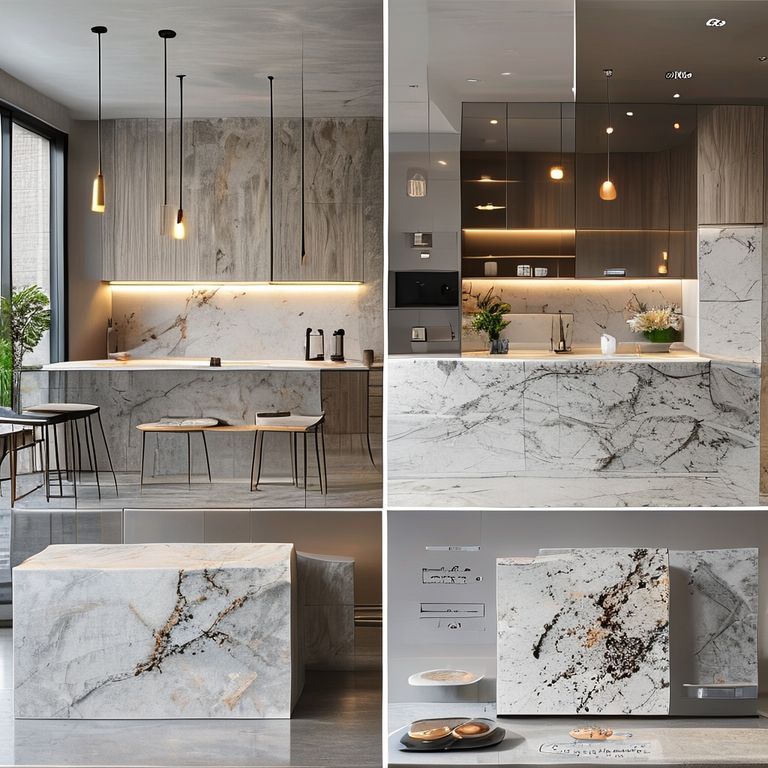
If you have been scouring the internet for “人造石做台面好不好呢图片大全” (Is artificial stone good for countertops? Picture collection), you are likely at a crossroads. You want a surface that looks like it belongs in an architectural digest, but you also want a surface that can survive a spilled glass of red wine or a stray lemon slice without permanent scarring. Artificial stone, primarily categorized into engineered quartz and solid surfaces, is the answer to this modern dilemma.
To understand why these surfaces have captured the hearts of designers globally, one must first look at the artistry behind their creation. Engineered quartz, for instance, is a marvel of material science. It is composed of roughly 90-95% crushed natural quartz crystals—one of the hardest minerals on Earth—bonded together with high-quality polymer resins and pigments. The result is a slab that possesses the cool, heavy feel of natural stone but with a structural integrity that nature simply cannot guarantee.
When you browse through a gallery of artificial stone installations, the first thing that strikes you is the sheer variety. Unlike natural marble, which is limited to the veins and colors found in a specific quarry, artificial stone is a canvas for human creativity. Manufacturers can now replicate the ethereal, spider-web veining of Calacatta marble or the deep, moody speckles of volcanic granite with such precision that even a trained eye might struggle to tell the difference. However, the advantage here is consistency. When you choose a pattern from a catalog, the slab that arrives at your home will look exactly like the one you fell in love with, avoiding the “quarry lottery” where natural stone slabs might have unexpected discolorations or structural fissures.
But the allure of artificial stone goes far beyond its “Instagrammable” exterior. The primary reason homeowners choose this material is its nearly invincible nature. Natural stones like marble and granite are porous; they are essentially petrified sponges that can soak up oils, acids, and dyes, leading to stubborn stains and bacterial growth. Artificial stone is engineered to be non-porous. The resin binder fills every microscopic gap, creating a surface that is hermetically sealed against the chaos of a kitchen. This means you can knead dough directly on the counter, chop vegetables (though we still suggest a cutting board to protect your knives), and live your life without the constant anxiety of “etching” or staining your investment.
Furthermore, the design flexibility of solid surfaces—another popular form of artificial stone—is unparalleled. Solid surface materials, made from acrylic or polyester resins, can be thermoformed. This means they can be heated and curved to create seamless transitions from the countertop into the sink or up the wall as a backsplash. Imagine a kitchen island that looks like a single, fluid piece of sculpted stone, devoid of the grime-catching grout lines or seams that plague traditional tile or natural stone installations. This “seamless” aesthetic is a hallmark of high-end minimalism and is one of the most sought-after features in contemporary renovations.
In the realm of color and texture, artificial stone is a playground for the senses. You are not restricted to the earthy browns and greys of traditional stone. If your vision involves a pristine, “hospital-grade” white kitchen, there is an artificial stone for that. If you want a matte, concrete-look industrial vibe without the cracking and sealing issues of real concrete, artificial stone delivers. Even the finish can be customized—from a high-gloss mirror shine that reflects your pendant lighting to a soft, honed “leather” texture that feels warm and organic to the touch.
As we move further into the details of performance and cost-effectiveness, it becomes clear that choosing artificial stone isn’t just about following a trend; it’s about making a strategic decision for the longevity of your home. The “picture collection” you see online isn’t just a display of beauty; it is a testament to the versatility of a material that has redefined the boundaries of domestic architecture. Whether you are a culinary enthusiast who needs a rugged workspace or a design aficionado who wants a show-stopping focal point, artificial stone bridges the gap with effortless grace.
Continuing our journey into the world of artificial stone, we must address the practicalities that make this material a favorite for long-term satisfaction. While the visual impact is what initially draws people in, it is the day-to-day “livability” that keeps them happy years after the renovation dust has settled.
One of the most compelling arguments for artificial stone is its low-maintenance profile. In a world where time is our most precious commodity, the last thing anyone wants is a countertop that requires a complex ritual of sealing, buffing, and specialized pH-neutral cleaners. Natural stones often require annual sealing to maintain their resistance to moisture. Artificial stone, by contrast, is a “set it and forget it” solution. A simple wipe-down with warm water and a mild detergent is usually all it takes to keep the surface looking brand new. This ease of care makes it particularly popular for high-traffic areas, such as the family bathroom or a bustling kitchen where kids are prone to leaving juice rings and toothpaste smears.
From a structural standpoint, artificial stone offers a level of toughness that is hard to beat. Because it is an engineered product, it lacks the internal flaws, such as hidden cracks or weak spots, that can cause natural stone to chip or snap under pressure. This durability allows for bolder design choices, such as long, unsupported overhangs for breakfast bars or thinner, sleeker profiles that fit a modern aesthetic. You get the weight and “clink” of real stone, but with a tensile strength that allows for more adventurous architectural silhouettes.
Let’s talk about the “Picturesque” potential—the “图片大全” aspect of your search. When you look at high-quality images of artificial stone, pay attention to the edges. One of the subtle luxuries of this material is the variety of edge profiles available. Because the color and pattern go all the way through the slab, fabricators can carve intricate ogee edges for a traditional look, or sharp, mitered “waterfall” edges where the stone appears to flow off the counter and down to the floor. This waterfall effect is a massive trend in luxury real estate, creating a sense of continuity and grandeur that makes an island look like a piece of fine furniture rather than just a workspace.
Sustainability is another area where artificial stone is making significant strides. Many manufacturers are now incorporating recycled materials—such as crushed glass or mirrors—into their slabs, giving them a unique shimmer while reducing the environmental footprint. Furthermore, because these materials are so long-lasting, they don’t need to be replaced as often as cheaper laminates or wood, which ultimately reduces waste. Some brands have even achieved Greenguard certification, ensuring that the material does not off-gas harmful chemicals, contributing to a healthier indoor air quality for your family.
When comparing cost, artificial stone often sits in the “sweet spot” of the market. While it is generally more expensive than laminate or butcher block, it is frequently more affordable than rare marbles or high-end granites. When you factor in the lack of maintenance costs and the increased resale value of your home, the return on investment is exceptionally high. Potential buyers recognize the value of quartz or solid surface countertops; they see it as a sign that the home has been upgraded with quality and longevity in mind.
To truly appreciate the “Is artificial stone good?” question, one must envision the different lifestyles it accommodates. For the minimalist, it provides the pure, monochromatic surfaces that define the style. For the maximalist, it offers bold, dramatic patterns that can serve as the “art piece” of the room. For the busy parent, it offers a hygienic, stain-resistant surface that can handle the chaos of a Tuesday night dinner.
In the gallery of your mind—and the many images you will find in your research—view artificial stone as the ultimate chameleon. It can be rustic, industrial, classic, or futuristic. It can mimic the ruggedness of slate or the elegance of onyx. But regardless of the look, the underlying promise remains the same: a surface that is built to endure, designed to inspire, and destined to be the heart of your home for decades to come.
In conclusion, if you are looking for a countertop that marries the spectacular visuals of the earth’s most beautiful minerals with the indestructible performance of modern engineering, artificial stone is not just a good choice—it is the definitive choice. It turns the functional necessity of a countertop into a decorative triumph, ensuring that your kitchen or bathroom is not just a room, but a sanctuary of style and resilience. Explore the collections, find the pattern that speaks to your soul, and rest easy knowing that your choice is as practical as it is beautiful.









