
人造石做台面好不好呢图片视频教程大全,人造石台面对人体是否有害?
When you step into a kitchen that feels effortlessly high-end, the kind of space that looks like it belongs on a luxury magazine cover, there is almost always a secret hero at play: the countertop. For years, the debate raged between natural marble and granite, but a new titan has taken the throne. Artificial stone—often referred to as quartz or solid surface depending on its composition—has transitioned from a “budget alternative” to the gold standard of interior design. But the question remains: is artificial stone actually good for your home? Or is it just a passing trend backed by clever marketing?
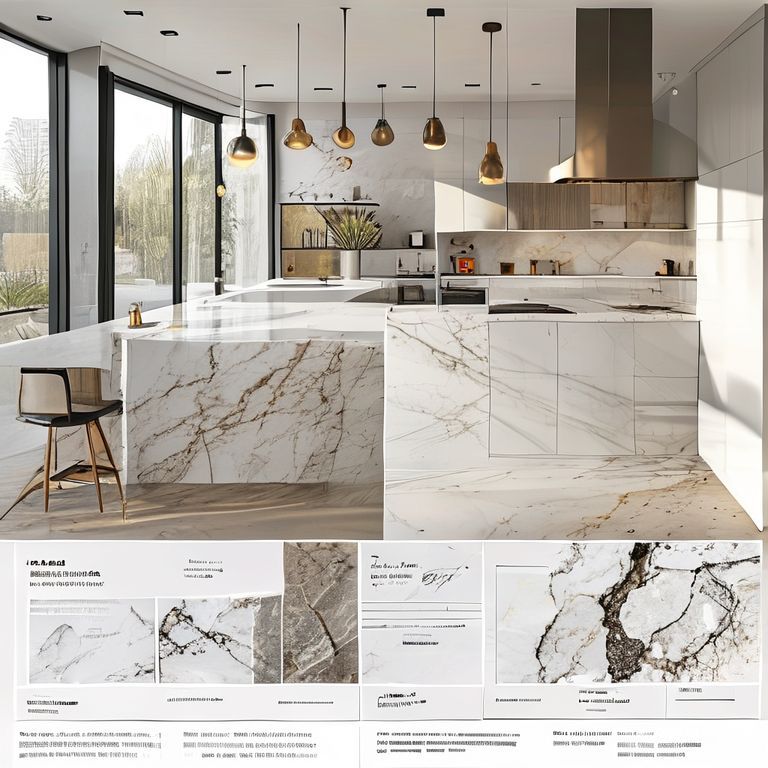
To understand the appeal, we have to look past the surface. Artificial stone is a marvel of human engineering. By combining crushed natural stone (usually around 90-93% quartz) with high-quality resins and pigments, manufacturers have created a material that outperforms nature itself in several key categories. If you’ve been scouring the internet for a “comprehensive collection of pictures and video tutorials” on this subject, you’re likely looking for a sign. Consider this your definitive guide.
Let’s talk aesthetics first. The visual range of artificial stone is, quite frankly, staggering. In the “pictures” section of any design portfolio, you’ll see artificial stone mimicking the deep, dramatic veining of Calacatta marble, the speckled grit of industrial concrete, or the pure, clinical white of a high-tech laboratory. Unlike natural stone, which is limited by what the earth provides, artificial stone is limited only by imagination. You can get consistent patterns that allow for “book-matching,” where the veins on two different slabs line up perfectly at the seam. This is nearly impossible with natural stone without spending a fortune and wasting half a mountain of material.
But a countertop isn’t just a piece of art; it’s a workbench. This is where the “is it good?” question gets a resounding yes. If you’ve ever lived with natural marble, you know the terror of a spilled glass of red wine or a stray lemon wedge. Natural stone is porous; it breathes, which also means it drinks. Artificial stone is non-porous. The resin binder creates a surface that is virtually impenetrable to liquids. This isn’t just about avoiding stains—it’s about hygiene. In a world where we are more conscious than ever about bacteria and cleanliness, having a surface that doesn’t harbor microscopic mold or germs in its pores is a massive win for families.
Durability is another heavy hitter. Quartz-based artificial stone is incredibly hard—ranking just below diamonds and rubies on the Mohs scale. It resists scratches from knives (though we still suggest a cutting board) and doesn’t chip as easily as granite. When you watch video tutorials on the “stress testing” of these materials, you’ll see researchers dropping heavy pots and dragging cast iron pans across the surface with minimal to no damage. It’s built for the chaos of a real kitchen where things get dropped, spilled, and slammed.
However, “artificial stone” is a broad umbrella. You have Quartz, which is the heavy-duty, stone-like option, and then you have Solid Surface (like Corian), which is more acrylic-based. Solid surface is a designer’s dream because it can be thermoformed—literally bent and curved with heat. Imagine a countertop that flows seamlessly into the sink, or a kitchen island with rounded, organic corners that feel soft to the touch. In the “visual tutorial” world, seeing a solid surface being joined is like watching magic. The seams are chemically bonded and sanded down until they completely disappear. You could have a 20-foot island that looks like it was carved from a single, unbroken block of stone.
People often ask about the “feel” of the material. There’s a misconception that man-made means “plastic-y.” High-quality quartz feels cold and heavy to the touch, just like natural stone. It carries a premium weight that adds value to your home. When you’re flipping through those gallery pictures of modern renovations, pay attention to the edges. Artificial stone allows for “mitred edges,” making a standard 2cm slab look like a massive 6-inch thick monolithic block. This architectural trick is one of the biggest trends in luxury homes right now.
Is it perfect? Nothing is. While artificial stone is heat-resistant, it isn’t heat-proof. The resins can be damaged by extreme thermal shock—so you’ll still want to use a trivet for that pot of boiling pasta. But when you weigh that minor habit change against the relentless maintenance of sealing, polishing, and worrying about natural stone, the trade-off is a no-brainer for most modern homeowners. You’re buying peace of mind packaged in a stunning, customizable slab.
Now that we’ve established the “why,” let’s move into the “how.” If you were to watch a full-length video tutorial on the life cycle of an artificial stone countertop, you’d see a fascinating blend of heavy industrial power and delicate craftsmanship. Understanding the installation and maintenance process is what separates a “good” countertop from a “forever” countertop.
The journey starts with templating. This is arguably the most vital step in any tutorial. Professional installers use laser scanners to create a digital map of your cabinets. Why? Because no wall is perfectly straight. Artificial stone is rigid; it doesn’t bend to fit your crooked 1920s farmhouse walls. The laser template ensures that when the slab is cut via CNC (Computer Numerical Control) machines, it drops into place with surgical precision. If you’re a DIY enthusiast watching tutorials, this is the part where you realize that while you can do many things yourself, stone fabrication is a specialized art form.
When the slab arrives, the “magic” of the installation happens. For quartz, installers use color-matched epoxy to join pieces. For solid surfaces, they use a specialized liquid acrylic. If you’re looking at video tutorials for seamless joins, pay attention to the “suction cup” leveling tools. These devices pull the slabs together with thousands of pounds of pressure while the adhesive cures. Once sanded and buffed, the seam becomes invisible to the naked eye. This is the hallmark of a high-quality artificial stone installation.
But let’s talk about the long-term. How do you keep these “picture-perfect” surfaces looking brand new ten years down the line? The beauty of artificial stone lies in its low-maintenance soul. Forget the specialized “stone soaps” and the annual resealing rituals required by granite and marble. For 99% of messes, a microfiber cloth and a drop of mild dish soap are all you need. In the tutorial for “deep cleaning,” you might see the use of a glass cleaner or a specialized quartz polish to bring back that factory shine, but honestly, the material does most of the work for you.
A common question that pops up in every comment section is: “Is artificial stone cheaper than natural stone?” The answer is: not necessarily, and that’s a good thing. You aren’t buying a “cheap” product; you’re buying a superior engineered product. While some basic quartz can be more affordable than high-end exotic granite, premium artificial stones with intricate veining can actually cost more. The value isn’t just in the sticker price; it’s in the longevity. When you factor in the zero-cost maintenance and the fact that it won’t stain or crack over time, the “total cost of ownership” is significantly lower than natural alternatives.
Let’s look at the “Video Tutorial” aspect of repairs. One of the hidden superpowers of solid surface artificial stone is that it is “renewable.” If you somehow manage to scratch it or even burn it with a cigarette or a hot pan, a professional can literally sand the damage away and rebuff the surface. It’s like having a “reset” button for your kitchen. Quartz is harder to repair, but because it’s so tough, you’re much less likely to need a repair in the first place.
Design-wise, the “Pictures” you see in 2024 and 2025 are moving toward integrated features. We are seeing artificial stone being used for backsplashes that climb all the way to the ceiling, creating a “waterfall” effect where the stone flows off the edge of the counter and down to the floor. We’re seeing integrated wireless charging stations hidden underneath the stone, so you can charge your phone just by setting it on the counter. Because it’s man-made, we can hide technology inside it in ways nature never intended.
To wrap up this comprehensive look: is artificial stone good? If you value a blend of high-fashion aesthetics, rugged durability, and effortless cleaning, then it isn’t just “good”—it’s likely the best choice you can make for your home. Whether you’re watching a tutorial on how to install a farmhouse sink into a quartz top or scrolling through pictures of minimalist “Japandi” kitchens, you’ll see that artificial stone is the common thread. It provides the canvas upon which the rest of your life happens. It’s where your kids will do their homework, where you’ll prep your holiday meals, and where friends will gather for years to come. In the grand tutorial of home building, choosing a material that works as hard as you do is the smartest move you can make. Grab your samples, look at the lighting in your room, and get ready to transform your space with a surface that truly has it all.









