
人造石做台面好不好呢图片视频,人造石台面的优缺点
When you step into a kitchen that feels truly “expensive,” it’s rarely just about the appliances or the lighting. The real magic happens at eye level, where the horizontal planes of the countertops catch the light and ground the entire room’s aesthetic. Lately, the buzz in the interior design world has been centered around one specific question: Is artificial stone actually better than the real thing? If you’ve been scrolling through social media, searching for “人造石做台面好不好呢图片视频” (Is artificial stone good for countertops? Pictures and videos), you’ve likely seen the stunning visual evidence. But beyond the glossy photos and the satisfying “clean-up” videos, there is a deep, functional story to be told about why artificial stone has moved from a “budget alternative” to the gold standard of luxury living.
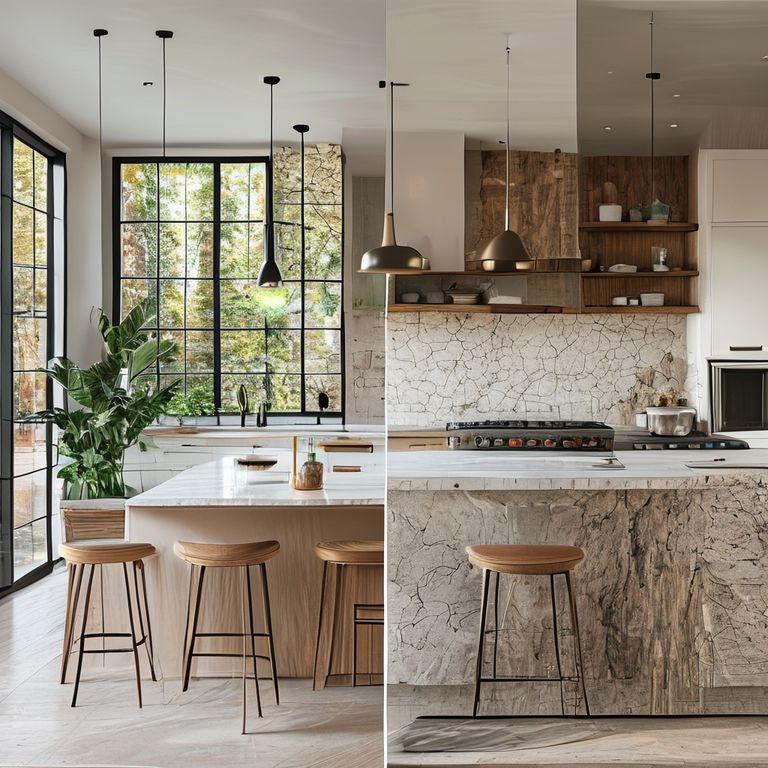
To understand the appeal, we first have to dismantle the myth that “artificial” means “fake” or “cheap.” In the context of modern surfacing, artificial stone—often referred to as engineered stone or quartz—is a feat of human ingenuity. By combining roughly 90% to 94% crushed natural quartz with high-quality resins and pigments, manufacturers have created a material that outperforms natural marble and granite in almost every measurable category. When you watch a high-definition video of a quartz slab being polished, you aren’t just seeing a surface; you’re seeing a precision-engineered product designed to survive the chaos of a busy household while looking like a piece of high-end art.
The visual versatility is the first thing that grabs your attention. Natural stone is a lottery; you might find a slab of marble you love, but it might have a weak vein that cracks during installation, or a muddy patch of color that ruins the flow. Artificial stone removes that uncertainty. Design houses can now replicate the most sought-after Calacatta marble patterns with uncanny accuracy. They can also create finishes that nature never intended—sleek, matte blacks that don’t fingerprint, concrete-look surfaces that don’t crack, and even translucent slabs that can be backlit for a dramatic, glowing bar effect. When you look at pictures of these installations, the consistency is what makes them look so sophisticated. There’s a deliberate rhythm to the veining that guides the eye, making the kitchen feel cohesive rather than cluttered.
But beauty is only skin deep, and a kitchen countertop needs to be a workhorse. This is where the “artificial” nature of the stone becomes its greatest strength. Natural stones like marble and granite are porous—they are essentially sponges on a microscopic level. If you spill a glass of red wine or leave a slice of lemon on a marble surface, you have a very short window of time before that liquid seeps into the stone and creates a permanent stain or an “etch” (a dull spot caused by acid). In contrast, the resin binder in artificial stone acts as a permanent sealant. It creates a non-porous shield that repels liquids. You can find countless videos online of people pouring coffee, wine, and even oil onto engineered stone, letting it sit, and then wiping it away with a simple damp cloth to reveal a pristine surface. This “low-maintenance luxury” is the primary reason why it has become the darling of modern homeowners.
Furthermore, the structural integrity of artificial stone is vastly superior for the ambitious architectural features we see in contemporary homes. Think of those massive “waterfall” islands where the stone flows seamlessly from the top down to the floor. Or the ultra-slim, minimalist countertops that look like they’re hovering over the cabinetry. These designs require a material that is flexible and strong. Natural stone is brittle; it can snap under its own weight if it isn’t supported perfectly. Artificial stone, thanks to those resin binders, has a higher flexural strength. This allows for longer overhangs on breakfast bars and more intricate edge detailing without the constant fear of chipping or cracking.
If you’re watching videos of professional kitchen installs, you’ll also notice the seams—or rather, the lack of them. One of the most significant drawbacks of natural stone is that every slab is a different size, and matching the patterns at a joint is an absolute nightmare. With artificial stone, fabricators can use color-matched adhesives to create joints that are nearly invisible to the naked eye. This creates the illusion of a single, massive piece of stone carved specifically for your home. It’s this level of precision that elevates a kitchen from “nice” to “extraordinary.”
Ultimately, choosing a countertop material is about balancing your aspirations with your reality. We all want the look of a five-star hotel kitchen, but most of us don’t have a professional cleaning crew to maintain it. Artificial stone bridges that gap. It offers the high-end, bespoke look of rare earth minerals with the “set it and forget it” durability of a modern composite. As we move into part two, we’ll look closer at the specific types of artificial stone available—from quartz to the revolutionary sintered stone—and how to decide which one fits your specific lifestyle and budget.
Continuing our journey into the world of engineered surfaces, it becomes clear that “artificial stone” is a broad umbrella covering several distinct technologies, each with its own “wow” factor. While quartz remains the most popular choice, a new contender has entered the chat: Sintered Stone. If you’ve seen videos of people literally blow-torching a countertop or cutting vegetables directly on the surface without a cutting board, you’re likely looking at sintered stone (often branded as Dekton or Neolith). This material takes the concept of artificial stone and pushes it to the extreme. It’s made using “sinteringized particle technology,” which essentially mimics the metamorphic process that creates natural stone in the earth, but does it in a matter of hours using immense heat and pressure.
The result is a surface that is virtually indestructible. While standard quartz is heat resistant, it can still suffer from “thermal shock” if you place a red-hot pan directly from the stove onto it (the resin can melt or discolor). Sintered stone, however, doesn’t care about heat. It’s also incredibly UV resistant, making it the perfect choice for those stunning outdoor kitchens and patio bars you see in luxury travel magazines. The pictures of these outdoor setups are breathtaking, showing how the stone maintains its vibrant color even under the harsh glare of the sun, whereas natural stone might fade or crumble over time.
Another aspect that makes artificial stone so attractive to the modern consumer is the health and safety factor. In an era where we are more conscious than ever about the cleanliness of our homes, the non-porous nature of these surfaces is a major selling point. Bacteria, mold, and mildew need tiny crevices to hide and grow. Natural stone is full of those crevices. Artificial stone, being solid all the way through, offers no sanctuary for germs. This makes it a “food-safe” surface in the truest sense. You can knead dough directly on the counter or prep raw ingredients with the peace of mind that a quick wipe-down with soap and water actually sanitizes the area.
Now, let’s talk about the “Investment” side of the conversation. Some skeptics argue that artificial stone doesn’t hold the same “resale value” as natural granite or marble. However, the market data tells a different story. Today’s homebuyers are savvy. They know that a marble countertop, while beautiful, is a liability that requires constant sealing and careful use. When they walk into a home and see high-quality artificial stone, they see a kitchen that is ready for real life. They see a surface that won’t look “beaten up” in five years. In that sense, artificial stone is a value-add because it preserves the “newness” of the kitchen long after the renovation is complete.
When you are browsing through pictures and videos to make your final decision, pay close attention to the finish. The “Polished” look is the classic choice—it reflects light and makes a small kitchen feel much larger. However, the “Honed” (matte) and “Leathered” (textured) finishes are currently exploding in popularity. A leathered artificial stone surface has a slight ripple to it that feels incredible to the touch. It hides fingerprints and water spots even better than the polished version, making it the ultimate “low-effort” aesthetic. Seeing a video of how light softly diffuses across a honed surface versus the sharp glint of a polished one can help you decide the “mood” of your room.
The environmental impact is also a point worth noting. Many high-end artificial stone manufacturers are now incorporating recycled materials—such as crushed glass or mirrors—into their slabs. Furthermore, because these stones are manufactured in controlled environments, the waste is minimal compared to the massive amounts of “overburden” and scrap generated in natural stone quarrying. Choosing an engineered surface can often be the more responsible choice for the eco-conscious designer.
So, how do you make the final call? If your heart is set on that “human-made perfection,” start by visiting a showroom where you can see the slabs in full size. Pictures and videos are a fantastic starting point, but you need to feel the cool temperature of the stone and see how the patterns look from different angles. If you are a heavy cook who uses high heat and does a lot of heavy-duty prep, look into Sintered Stone. If you want the widest variety of colors and the best balance of price and performance, Quartz is your best friend.
In conclusion, “人造石做台面好不好呢” (Is artificial stone good for countertops?) isn’t just a question with a “yes” or “no” answer—it’s an invitation to upgrade your daily experience. It’s about choosing a surface that works for you, rather than you working for it. Whether you’re drawn in by the mesmerizing videos of its creation or the stunning pictures of finished luxury homes, the reality of artificial stone lives up to the hype. It is the perfect marriage of science and art, providing a backdrop for your life that is as durable as it is beautiful. Transform your kitchen into a space that doesn’t just look good on camera, but stands the test of time in the real world.









