
The kitchen has long been heralded as the beating heart of the home, a place where culinary magic meets social connection. In the modern era, the centerpiece of this sanctuary is undoubtedly the countertop. While natural stone like marble and granite once held the crown of luxury, a new protagonist has emerged to dominate the interior design scene: artificial stone. Whether you are scrolling through a curated image gallery or watching a high-definition cinematic video of a sleek, minimalist kitchen, the allure of man-made surfaces is undeniable. But what exactly makes these surfaces the darling of architects and homeowners alike?
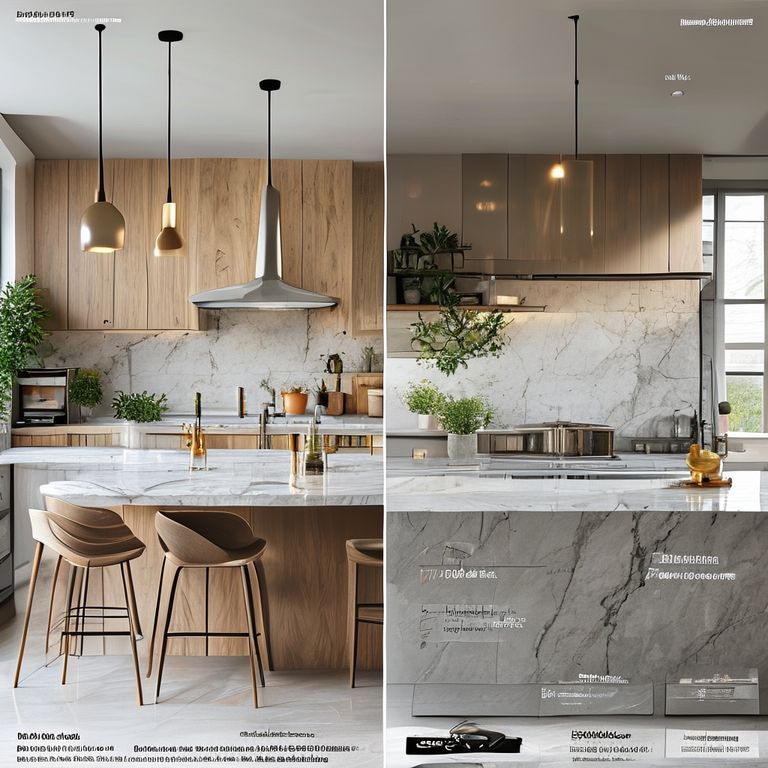
Artificial stone, often referred to as engineered stone or solid surface depending on its composition, is a masterclass in human ingenuity. It bridges the gap between the raw, unpredictable beauty of nature and the precision of modern engineering. Generally, these surfaces are composed of crushed stone—usually quartz—bound together by high-quality resins and pigments. The result is a slab that is as sturdy as rock but as versatile as a blank canvas. When you look at an “Image Gallery of Artificial Stone Countertops,” you aren’t just looking at a workspace; you are looking at a tailored design element that can be molded, curved, and colored to fit any imaginative whim.
The first major draw of artificial stone is its sheer aesthetic consistency. Natural stones are beautiful because of their flaws, but those flaws can be a nightmare for a designer trying to achieve a cohesive look across a large kitchen island. Artificial stone removes the guesswork. You can pick a specific shade of “Cloud White” or “Midnight Sparkle” from a catalog, and the slab delivered to your door will match the sample perfectly. This predictability allows for a level of design precision that natural materials simply cannot offer. If you’ve ever watched a “Video Introduction to Modern Kitchens,” you’ve likely seen those breathtaking, seamless transitions where the countertop flows directly into the sink or climbs up the wall as a backsplash. This “monolithic” look is one of the greatest triumphs of artificial stone.
Beyond the visual appeal, the durability factor is a massive selling point. Life in the kitchen is chaotic. There are heavy pots, sharp knives, and the occasional spilled glass of red wine. Artificial stone, particularly quartz-based varieties, is incredibly dense and hard. It boasts a high resistance to scratches and chips, making it a robust companion for a busy family. Because it is non-porous—meaning there are no microscopic holes for liquids to seep into—it is naturally resistant to staining. You don’t have to worry about a lemon wedge or a splash of vinegar etching the surface the way you would with delicate marble. This non-porous nature also means it is exceptionally hygienic. Bacteria, mold, and mildew have nowhere to hide, which is a significant peace of mind when you are preparing a meal for your loved ones.
However, the conversation wouldn’t be complete without acknowledging the nuances of the “Cons.” While artificial stone is tough, it is not invincible. The most common vulnerability is heat. Because these slabs are held together by resin, they are susceptible to “thermal shock” or melting if a scorching hot pan is placed directly on the surface. Unlike granite, which can take the heat of a blowtorch, artificial stone requires the use of trivets or hot pads. This is a small trade-off for its beauty, but one that users should be aware of to protect their investment.
Another consideration is the price. While it is often marketed as a cost-effective alternative to high-end marble, premium artificial stones can actually exceed the price of some natural stones. The cost is driven by the quality of the resins used, the complexity of the patterns, and the brand’s reputation. When you are browsing through a “Video Gallery of Luxury Stone Finishes,” the ones that look the most like real Calacatta marble are often the result of sophisticated printing and layering technologies, which come at a premium.
Furthermore, some critics argue that artificial stone lacks the “soul” of natural stone. There is a certain romanticism in knowing your countertop was forged in the earth over millions of years. Artificial stone, by contrast, is a product of a factory. While it can mimic the veining of marble with startling accuracy, it remains a replica. For some homeowners, this is a non-issue; for others, the authenticity of the material matters deeply.
In the grand scheme of interior design, the rise of artificial stone represents a shift toward practicality without sacrificing glamor. It offers a level of customization that was previously impossible. Imagine a countertop with an integrated wireless charging station hidden beneath the surface, or a glowing translucent slab backlit by LEDs to create a dramatic evening ambiance. These are the possibilities that artificial stone brings to the table. As we move into part two, we will delve deeper into the practicalities of maintaining this luster and how to navigate the specific cleaning methods that keep these surfaces looking brand new for decades.
Once you have fallen in love with the aesthetic and selected the perfect slab from a “Picture Collection of Designer Countertops,” the focus shifts to longevity. How do you ensure that the gleaming surface you see in a promotional video remains just as vibrant five or ten years down the line? The good news is that artificial stone is one of the most low-maintenance high-end materials on the market. Unlike natural stone, which requires periodic sealing to maintain its water resistance, artificial stone is “set and forget” in that regard. However, “low maintenance” does not mean “no maintenance.”
The secret to a pristine artificial stone surface lies in your daily routine. For everyday spills—be it coffee, juice, or grease—a soft cloth and warm, soapy water are your best friends. It’s a simple ritual that prevents the buildup of “surface film” which can dull the shine over time. Many people make the mistake of using aggressive scrubbers or abrasive scouring pads. Even though quartz is hard, the resins can be scratched by harsh abrasives, leading to a loss of that factory-fresh polish. Think of your countertop as a high-performance vehicle; you wouldn’t wash a Ferrari with a wire brush, and the same logic applies here.
When dealing with more stubborn messes, like dried food or a stray splash of paint from a weekend DIY project, the approach should be “gentle but firm.” A plastic putty knife can be used to carefully scrape away dried residue without marring the surface. For oily or greasy stains, a mild degreaser is effective, but it is vital to rinse the area thoroughly with fresh water afterward. One of the most common pitfalls found in “Cleaning Method Videos” is the use of harsh chemicals. Bleach, oven cleaners, and high-pH drain openers can cause permanent discoloration or “clouding” on the resin. If a spill of a harsh chemical occurs, the best course of action is to neutralize it immediately with plenty of water.
For those who want to go the extra mile, there are specialized “Artificial Stone Cleaners” available on the market. These products are formulated to be pH-neutral and often contain enhancers that bring out the depth of the stone’s color. While not strictly necessary for hygiene, they are wonderful for achieving that “showroom sparkle” before a dinner party. If you are a fan of “Cleaning Tips for the Modern Home,” you likely know the trick of using a microfiber cloth for the final buff. Microfiber picks up the tiny particles that cotton might leave behind, ensuring a streak-free finish that looks incredible under recessed kitchen lighting.
Let’s talk about the “Video Introduction” aspect mentioned in our theme. In the digital age, a static image only tells half the story. If you are in the process of choosing a material, I highly recommend seeking out videos that show the stone in motion. See how the light dances off the flecks of mirror or quartz. Watch a “Durability Test Video” where professionals demonstrate the impact resistance or the way the material handles common household acids like vinegar. These visual aids provide a tactile sense of the product that a photo can’t replicate. They also offer a realistic look at the different finishes—honed (matte), polished (glossy), or leathered (textured). Each finish has its own personality and its own minor variations in cleaning requirements. A polished surface is the easiest to wipe down but shows fingerprints more readily, while a honed surface hides smudges but might require a bit more elbow grease to clear away oils.
Another pro-tip for those looking at “Images of Installed Kitchens” is to pay close attention to the seams. Because artificial stone comes in large slabs, seams are inevitable in larger kitchens. However, a skilled installer can make these seams almost invisible by using color-matched epoxy. This is another area where artificial stone outshines its natural counterparts. In a video demonstration of a professional installation, you can see how the two pieces are joined and leveled to create a surface that feels like a single, continuous piece of stone.
Wrapping up the journey of artificial stone, it’s clear why it has become the gold standard for the modern home. It offers a bridge between the high-maintenance luxury of the past and the fast-paced, functional needs of the present. It’s a material that invites you to actually use your kitchen, to cook with passion, and to gather without the constant fear of damaging a precious surface. By understanding the balance of its strengths—like its non-porous nature and color consistency—and its minor weaknesses—like heat sensitivity—you can make an informed decision that elevates your home’s value and your daily quality of life.
Whether you are inspired by a “Complete Picture Collection” of stunning interiors or motivated by the practical “How-to Videos” on maintenance, artificial stone remains a top-tier choice. It’s a testament to how far we’ve come in material science, providing a surface that is as beautiful as it is resilient. So, as you plan your next renovation or simply look to refresh your current space, give artificial stone the consideration it deserves. It’s more than just a countertop; it’s the foundation of your home’s most vital room, ready to handle everything from a quiet morning coffee to a chaotic festive feast with grace and style.









