
The kitchen has long been heralded as the heart of the home, but if the kitchen is the heart, the countertop is undoubtedly its soul. It is the stage upon which the chaotic, beautiful theater of daily life unfolds. From the frantic morning espresso ritual to the slow, wine-soaked Saturday dinner prep, the surfaces we choose to live upon define the texture of our existence. In this quest for the perfect balance between the ruggedness of nature and the precision of human innovation, one material has risen to a state of near-total hegemony: Quartz.
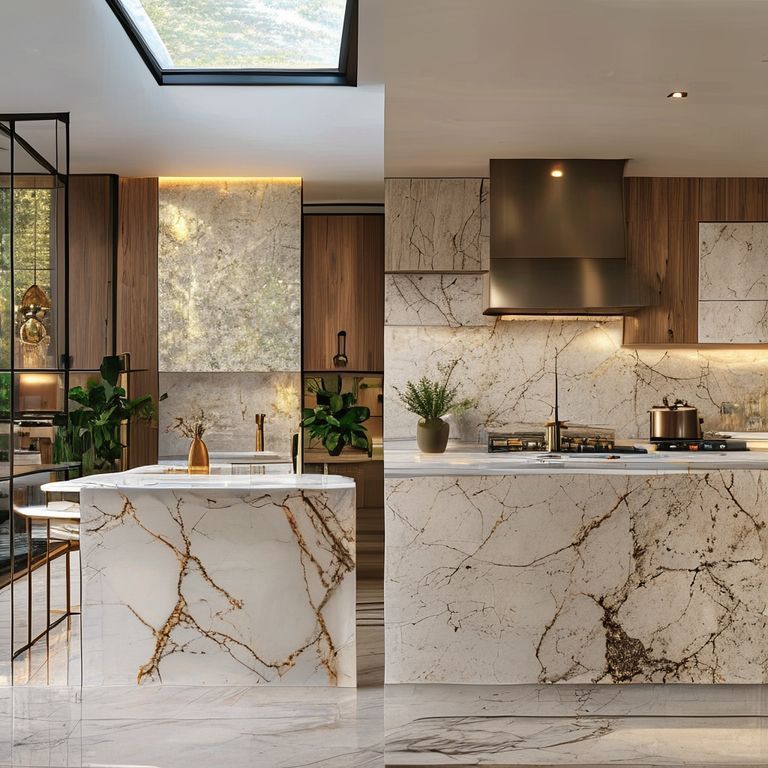
To understand the allure of quartz—or 石英石—one must first look past the polished showroom slabs and delve into the alchemy of its creation. Unlike granite or marble, which are sliced directly from the earth and carry with them the inherent flaws and vulnerabilities of raw stone, quartz is a triumph of engineering. It is a composite material, typically comprised of roughly 93% crushed natural quartz—one of the hardest minerals on the planet—bonded together with high-quality polymer resins and pigments. This synergy creates a surface that is not merely a mimic of nature, but an evolution of it.
Imagine, for a moment, the architectural challenges of the 21st century. We demand spaces that are “Instagram-ready” at a moment’s notice, yet we live lives that are messy, hurried, and occasionally destructive. We want the ethereal, veined beauty of Calacatta marble, but we shudder at the thought of a single drop of lemon juice or a splash of beetroot juice leaving a permanent scar on our investment. This is where the narrative of quartz becomes truly compelling. It offers the aesthetic liberation of high-end natural stone without the existential anxiety of maintenance.
The visual vocabulary of modern quartz is staggering. In the early days of engineered stone, the patterns were often repetitive or “mushy,” lacking the depth of natural rock. Those days are ancient history. Today’s premium quartz surfaces utilize advanced 3D printing and vein-injection technologies that recreate the erratic, emotional flow of natural minerals with startling accuracy. You can find slabs that evoke the brooding, stormy grays of a Belgian bluestone, the crisp, minimalist purity of a Nordic white, or the dramatic, gold-flecked veins of a rare Italian breccia. The difference? These “engineered” masterpieces are non-porous.
This non-porous nature is the secret weapon of quartz. In the world of interior design, porosity is the enemy. Natural stones like marble and granite are essentially sponges at a microscopic level; they breathe, they absorb, and they stain. Quartz, through the vacuum-vibro-compression process (often referred to as the Bretonstone process), is rendered completely solid. This means bacteria, mold, and mildew have no place to hide. In an era where domestic hygiene has moved from a chore to a central pillar of well-being, the “health” of our surfaces matters. When you prepare food on a quartz counter, you aren’t just working on a beautiful object; you are working on a surface that is fundamentally hostile to pathogens.
But let’s talk about the “feel.” There is a specific tactile pleasure in running one’s hand across a cold, heavy slab of quartz. It carries a thermal mass that feels grounded and permanent. It doesn’t have the “clink” of cheap laminate or the clinical coldness of stainless steel. It feels like the earth, refined. Architects often speak of “material honesty,” and while quartz is an engineered product, it doesn’t try to hide its power. It is heavy, it is dense, and it commands the room.
When you choose quartz for a project, you are participating in a design revolution that favors longevity over the disposable. We are moving away from the “fast fashion” of home decor. People are looking for materials that will look as pristine in twenty years as they do the day they are installed. Quartz stone answers this call with a shrug of its shoulders. It resists scratches from the sharpest chef’s knives and shrugs off the heat of a hurried morning. It is the silent partner in the home—always performing, never demanding a spotlight, yet always catching the eye when the afternoon sun hits its polished facets.
As we transition from the technical brilliance of quartz into its broader impact on lifestyle, it becomes clear that this isn’t just about a kitchen counter. It’s about a philosophy of living where beauty doesn’t have to be fragile.
Beyond the kitchen, the narrative of quartz stone is expanding into every corner of the modern architectural landscape. We are witnessing a migration of this versatile material into bathrooms, laundry rooms, and even as vertical wall cladding in high-end commercial lobbies. The reason is simple: once you experience the “set it and forget it” luxury of quartz, everything else starts to feel like a high-maintenance liability.
In the sanctuary of the bathroom, quartz is redefining the “spa-at-home” aesthetic. Traditional tiles come with the perennial headache of grout lines—lines that inevitably discolor, crack, and harbor grime. By using large-format quartz slabs for shower walls and vanity tops, designers are creating seamless, monolithic environments that feel expansive and incredibly easy to clean. Imagine a shower encased in a single, continuous flow of slate-grey quartz; it’s a brutalist dream tempered by the warmth of soft lighting. There is no scrubbing of grout, no worrying about water seepage. It is a fortress of tranquility.
Furthermore, the environmental conversation around quartz is becoming increasingly sophisticated. As consumers become more conscious of the footprint of their homes, the “engineered” aspect of quartz reveals a hidden virtue. While quarrying any stone has an impact, the production of quartz often utilizes “waste” stone—leftover fragments from other mining processes—and turns them into something of immense value. Moreover, because quartz is essentially a “lifetime” product, it reduces the cycle of replacement that plagues cheaper, less durable materials. You buy it once, and you are done. That is the ultimate form of sustainable consumption: buying something that doesn’t need to be thrown away.
The versatility of quartz also plays a massive role in its global dominance. If you are a designer working on a minimalist “Japandi” interior, there is a matte-finish, sand-colored quartz that fits the muted, organic palette perfectly. If you are designing a maximalist, high-gloss penthouse in Dubai or New York, there are quartz options with mirror-flecked inclusions that dance under chandeliers. This chameleon-like ability to adapt to any stylistic “vibe” is what makes it a favorite for architects. It is a reliable medium for their creative vision.
One cannot overlook the economic wisdom of choosing quartz. When it comes to resale value, “Quartz Countertops” has become one of the most powerful phrases in a real estate listing. It signals to a potential buyer that the home is modern, well-maintained, and built with premium materials. It is an investment that pays dividends not just in daily enjoyment, but in equity. Unlike trendy wallpaper or specific paint colors that might alienate a buyer, a high-quality quartz surface is a universal signifier of quality.
However, the real magic of quartz isn’t found in a spreadsheet or a real estate brochure. It’s found in the small moments. It’s the way the surface reflects the glow of a candle during a quiet dinner. It’s the peace of mind you feel when your toddler decides to use the island as a canvas for their permanent markers (knowing a bit of rubbing alcohol will whisk it away). It’s the reliability of a surface that doesn’t chip when a heavy cast-iron skillet is dropped on its edge.
In the grand tapestry of human construction, we have always sought materials that could outlast us. We built with granite in Egypt and marble in Rome. Today, we build with quartz. It is our generation’s contribution to the legacy of stone—a material that takes the best of what the earth provided over millions of years and perfects it through the lens of modern science.
When you stand in a kitchen anchored by a massive, stunning quartz island, you aren’t just looking at a piece of furniture. You are looking at a centerpiece of stability in an unstable world. It is a surface that invites you to cook, to create, to spill, to live, and to gather. It doesn’t ask you to walk on eggshells. It asks you to bring your life to it.
In conclusion, the rise of quartz stone—石英石—is not merely a trend of the current decade. It is a fundamental shift in how we perceive the surfaces of our lives. It represents the end of the compromise between “pretty” and “practical.” As we look toward the future of home design, quartz remains the gold standard, the silent alchemist turning everyday rooms into galleries of durable art. Whether you are an architect, a homeowner, or a dreamer planning your “forever home,” quartz is the foundational element that turns a house into a sanctuary. It is, quite literally, the rock upon which modern luxury is built.









