Part 1
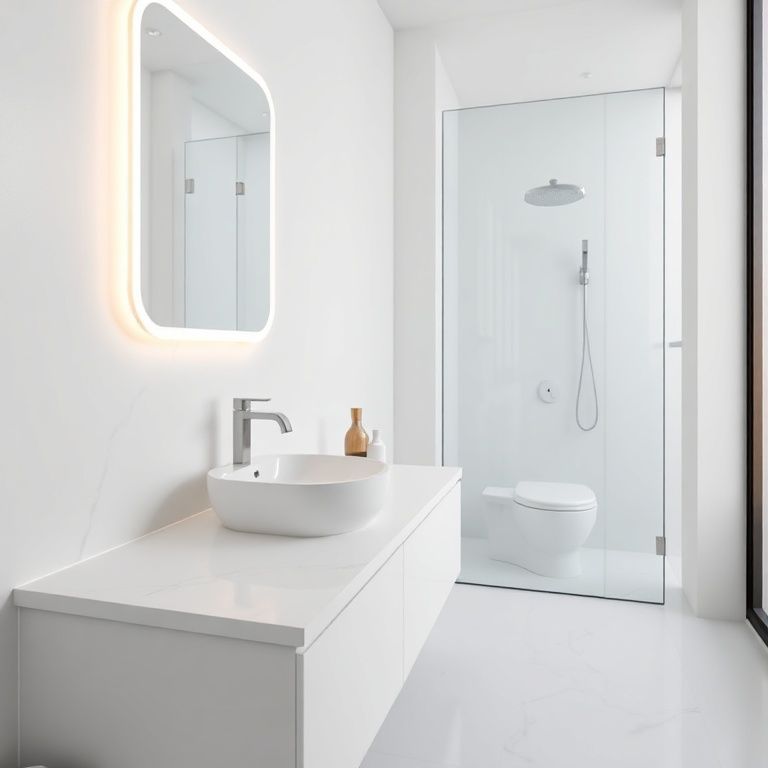
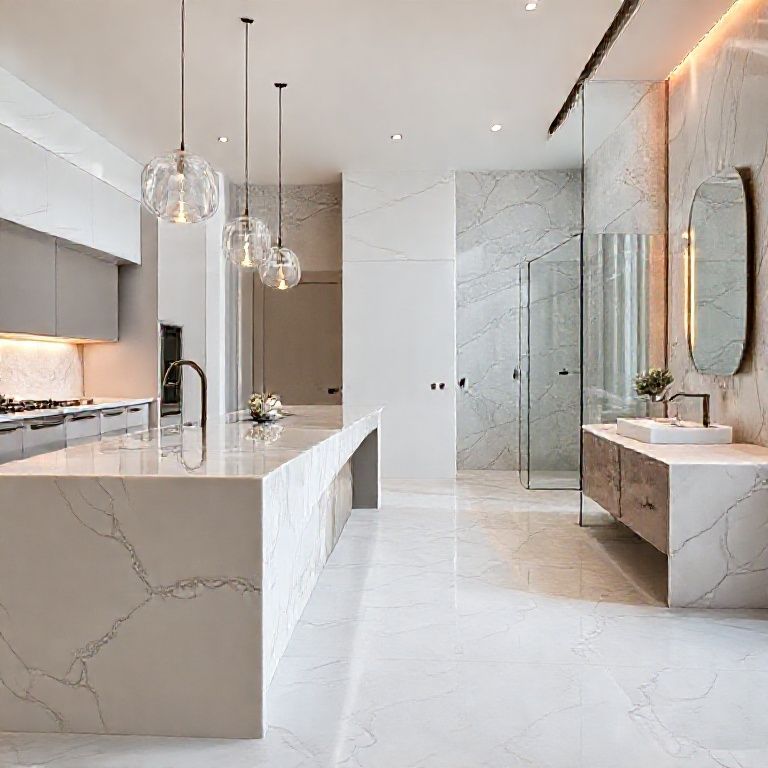
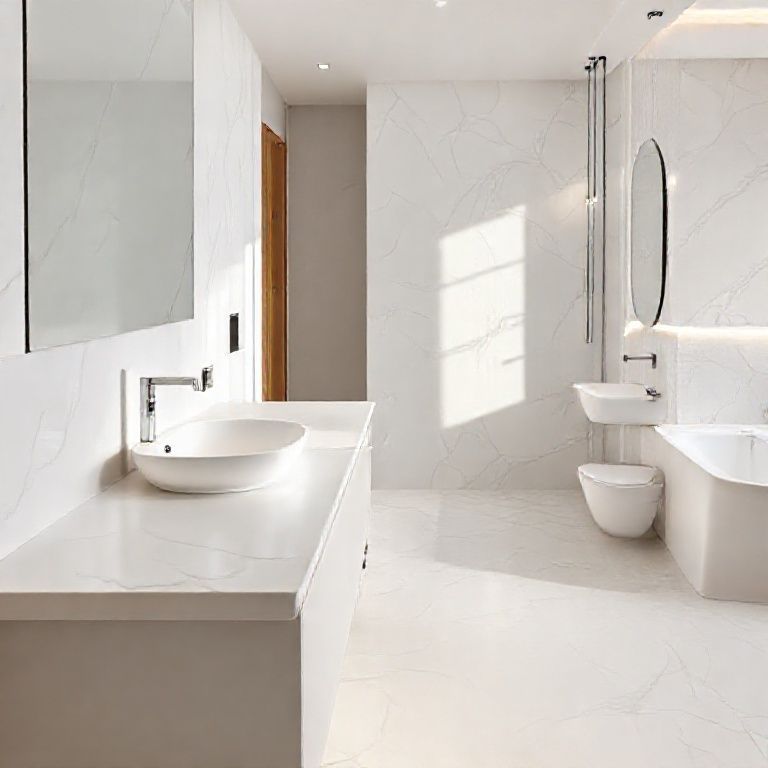
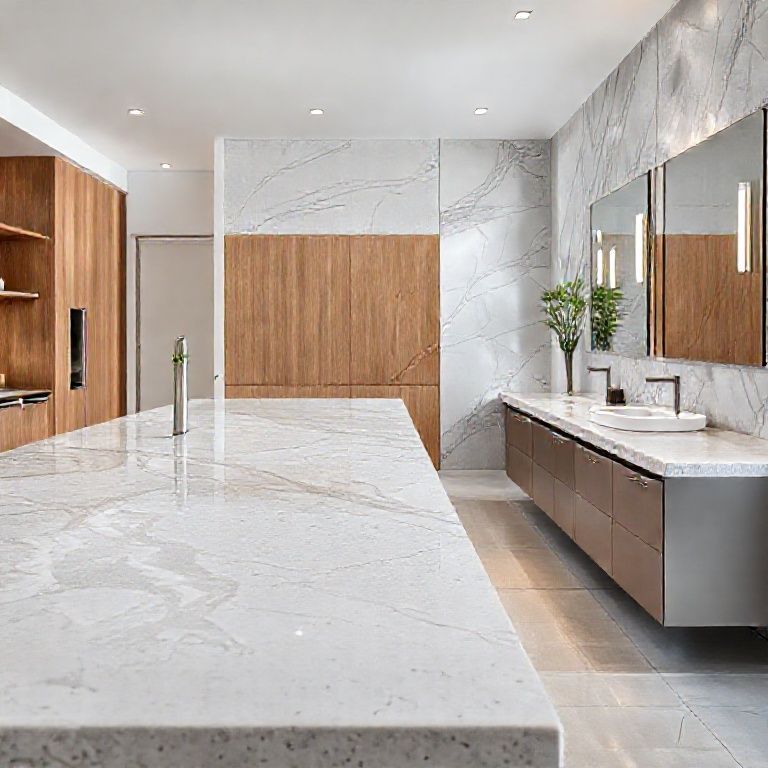
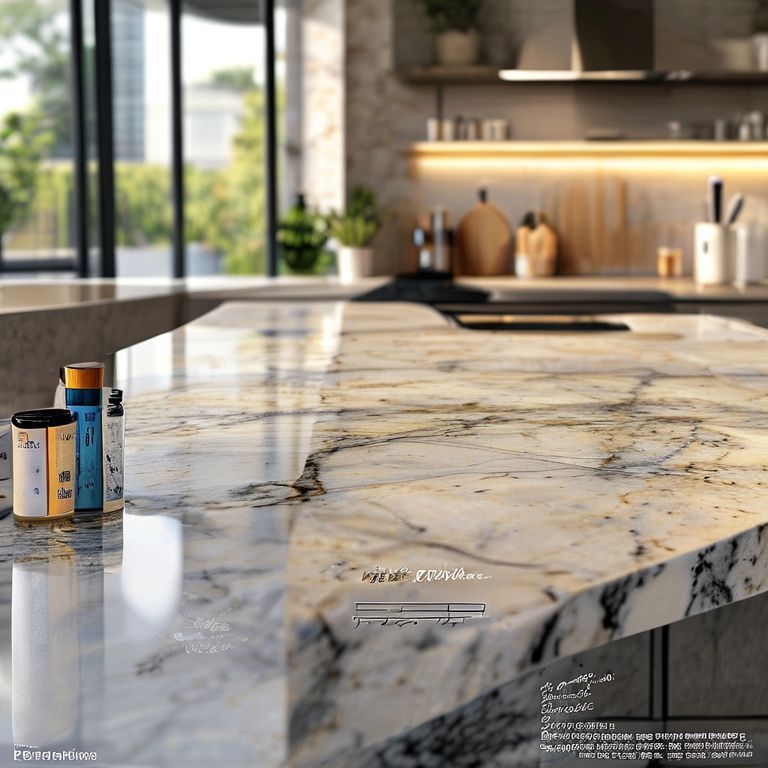
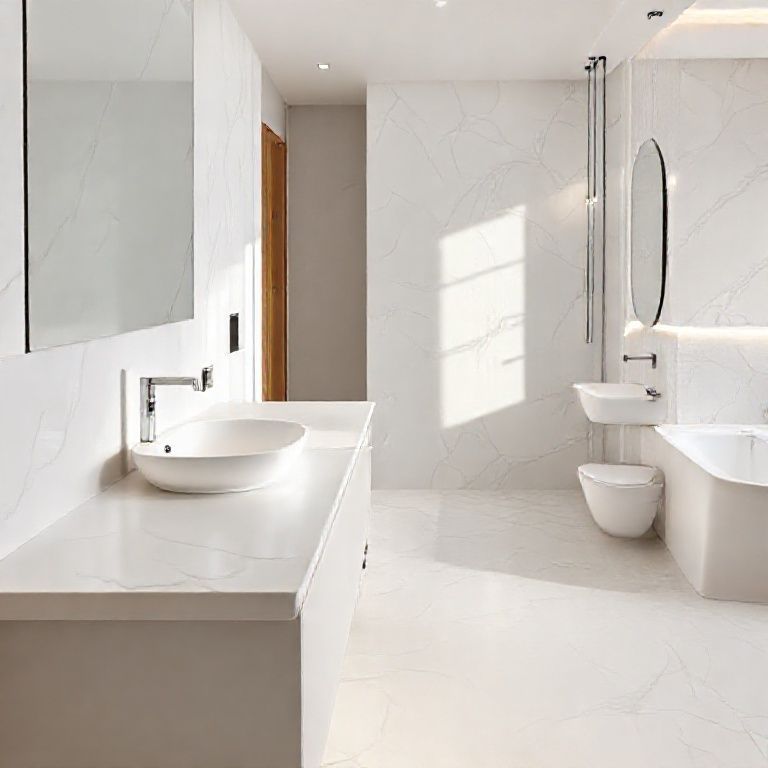
Artificial marble has become a popular choice for countertops, bathroom vanities, and other interior design elements due to its durability, aesthetic appeal, and relatively low cost compared to natural marble. However, a common concern that arises when discussing this material is whether it emits radiation and if it poses any significant health risks.
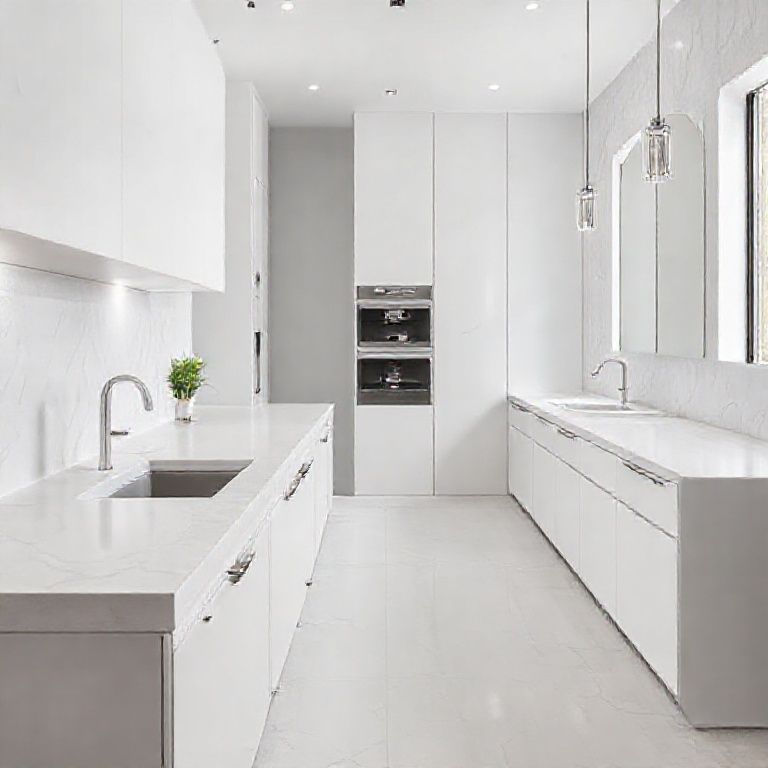
To understand this concern, it’s crucial to first understand what artificial marble is. Artificial marble, also known as engineered stone, is a composite material made from a mixture of quartz or other minerals, resins, and pigments. It is created through a process that involves heating and pressure, resulting in a solid surface that mimics the appearance of natural stone.
The Myth of Radiation
One of the most pervasive myths about artificial marble is that it emits radiation. To address this myth, we need to delve into the nature of radiation and how it interacts with materials.
Radiation: The Basics
Radiation can be categorized into two main types: ionizing and non-ionizing. Ionizing radiation, such as that from X-rays or gamma rays, has enough energy to remove tightly bound electrons from atoms, which can lead to cellular damage and various health issues, including cancer. Non-ionizing radiation, such as visible light, ultraviolet light, and radio waves, does not have enough energy to remove electrons from atoms, making it generally less harmful.
Artificial Marble and Radiation
Artificial marble, composed primarily of quartz and resins, does not emit ionizing radiation. The materials used in its creation—quartz, which is a natural mineral found in many parts of the world, and synthetic resins—are not known to emit radiation. The process of manufacturing artificial marble involves high temperatures and pressure, but these conditions do not result in the emission of ionizing radiation. Therefore, artificial marble does not pose a radiation risk in terms of ionizing radiation.
Safety and Health Concerns
While the concern about radiation is unfounded, it’s essential to consider other potential health concerns associated with artificial marble.
Non-Toxic Materials
One of the significant advantages of artificial marble is that it is made from non-toxic materials. The resins used in its creation are typically low-VOC (volatile organic compounds) formulations, which means they emit fewer harmful fumes during and after installation. This makes artificial marble a safer option compared to some other composite materials that can release toxic chemicals.
Durability and Maintenance
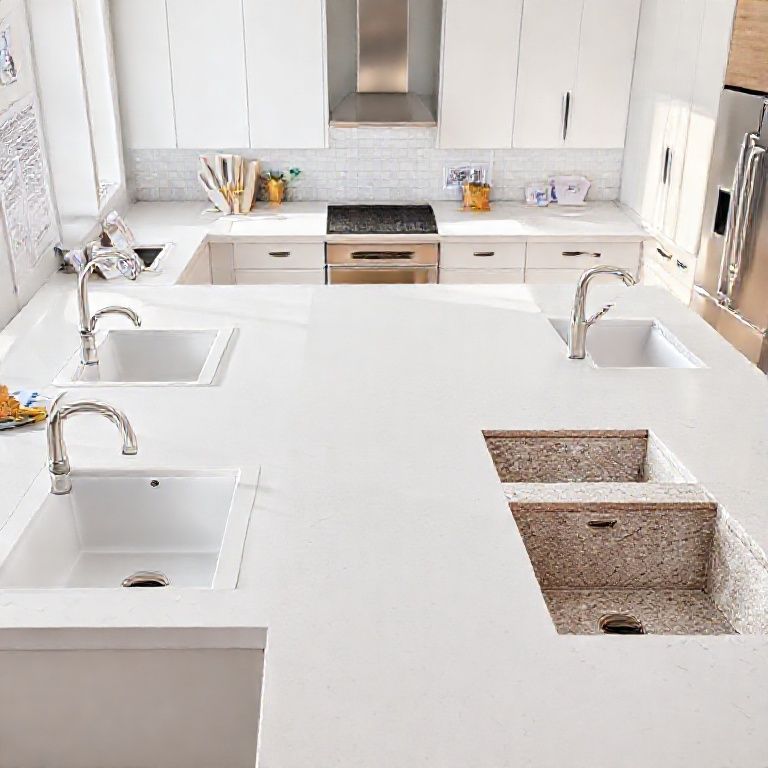
Artificial marble is renowned for its durability. It is resistant to stains, scratches, and impact, which means it requires minimal maintenance. This durability translates into long-term safety and reliability, reducing the need for frequent replacements or repairs that could expose you to potentially harmful materials.
Potential Allergens and Irritants
Although artificial marble is generally safe, it is essential to consider the possibility of allergens or irritants from other sources in your home. For instance, if you have pets, their dander or hair can accumulate on the surface. However, since artificial marble is easy to clean, this risk is minimal.
Conclusion
In summary, the myth that artificial marble emits radiation is unfounded. The materials and processes involved in its creation do not produce ionizing radiation, and the material itself is composed of non-toxic substances. Artificial marble’s durability and low-maintenance nature make it a safe and practical choice for your home.
In the next part of this exploration, we will further discuss the environmental impact of artificial marble and compare it to natural stone, providing a holistic view of its advantages and any remaining concerns.
Part 2
Having addressed the primary concern about radiation, it’s essential to explore the broader picture regarding the environmental impact of artificial marble and compare it to natural stone. This will provide a more complete understanding of its benefits and any potential drawbacks.
Environmental Impact
One of the significant advantages of artificial marble is its relatively low environmental impact compared to natural stone.
Natural Stone: The Environmental Drawbacks
Natural stone, such as marble, limestone, and granite, is quarried from the earth, which can lead to significant environmental degradation. Quarrying operations can result in habitat destruction, soil erosion, and water pollution. Additionally, transporting natural stone from distant quarries to construction sites contributes to carbon emissions, adding to the environmental footprint.
Artificial Marble: A Sustainable Alternative
Artificial marble offers a more sustainable alternative to natural stone. The production process for artificial marble involves combining quartz and resins, which can be sourced from sustainable quarries. While the manufacturing process does generate some emissions, it is generally more localized, reducing transportation impacts. Furthermore, artificial marble is recyclable, meaning that its end-of-life disposal has a minimal environmental footprint.
Health Benefits
The health benefits of using artificial marble extend beyond the absence of radiation.
Non-Porous Surface
Artificial marble is a non-porous surface, which means it does not absorb liquids or stains. This characteristic significantly reduces the risk of bacterial and fungal growth, making it a hygienic choice for kitchens and bathrooms. Natural stone, on the other hand, is porous and can harbor bacteria and mold, posing potential health risks.
Low Maintenance
As previously mentioned, artificial marble is easy to clean and maintain. Its resistance to stains and scratches means that it does not require frequent cleaning or special treatments to preserve its appearance. This low maintenance translates into a healthier environment, as fewer cleaning products are needed, reducing exposure to potentially harmful chemicals.
Allergen-Free
Artificial marble is free from natural fibers and organic materials that can harbor allergens. This makes it an excellent choice for individuals with allergies or respiratory conditions. The clean, sterile surface minimizes the risk of allergen accumulation, contributing to a healthier living environment.
Comparison with Natural Stone
To provide a comprehensive view, let’s compare artificial marble with natural stone in terms of health and environmental impact.
Durability
While natural stone is often prized for its aesthetic appeal and durability, it is not as resistant to stains and scratches as artificial marble. Over time, natural stone can develop stains, which can harbor bacteria and mold. Artificial marble, with its non-porous surface, remains clean and hygienic.
Maintenance
Natural stone requires regular maintenance, including sealing to prevent stains and scratches. This maintenance often involves the use of chemicals that can pose health risks. Artificial marble, on the other hand, requires minimal maintenance and does not need sealing, reducing exposure to chemicals.
Environmental Footprint
The environmental impact of natural stone is higher due to the extensive quarrying and transportation processes involved. Artificial marble, with its more localized production and recyclable nature, offers a more sustainable option.
Cost
While natural stone can be more expensive upfront, its long-term durability often results in lower maintenance costs over time. However, the initial cost of artificial marble can be higher, but its low maintenance and durability make it a cost-effective choice in the long run.
Conclusion
In conclusion, artificial marble offers numerous health and environmental benefits compared to natural stone. Its non-porous surface, low maintenance, and allergen-free nature make it a safer and more hygienic choice for your home. Additionally, its relatively low environmental impact and recyclability contribute to a more sustainable living environment.
By understanding the full picture, you can make an informed decision about using artificial marble in your home, confident in its safety and benefits for both your health and the environment.
This comprehensive exploration aims to provide you with a clear understanding of artificial marble’s safety, dispelling myths and highlighting its advantages. Whether you’re considering artificial marble for your kitchen, bathroom, or any other area of your home, you can now make an informed choice with confidence.