Financial and Practical Considerations
Introduction to Marble Tiles in Home Renovation
When it comes to home renovation, selecting the right flooring can significantly impact both the aesthetics and functionality of your space. Marble tiles have long been celebrated for their luxurious appearance and timeless elegance. However, despite their visual appeal, marble tiles are not always the best choice for several practical and financial reasons. This first part of our article will focus on the cost, maintenance, and practicality of using marble tiles in home renovations.
The Cost Factor: Why Marble Tiles Are Expensive
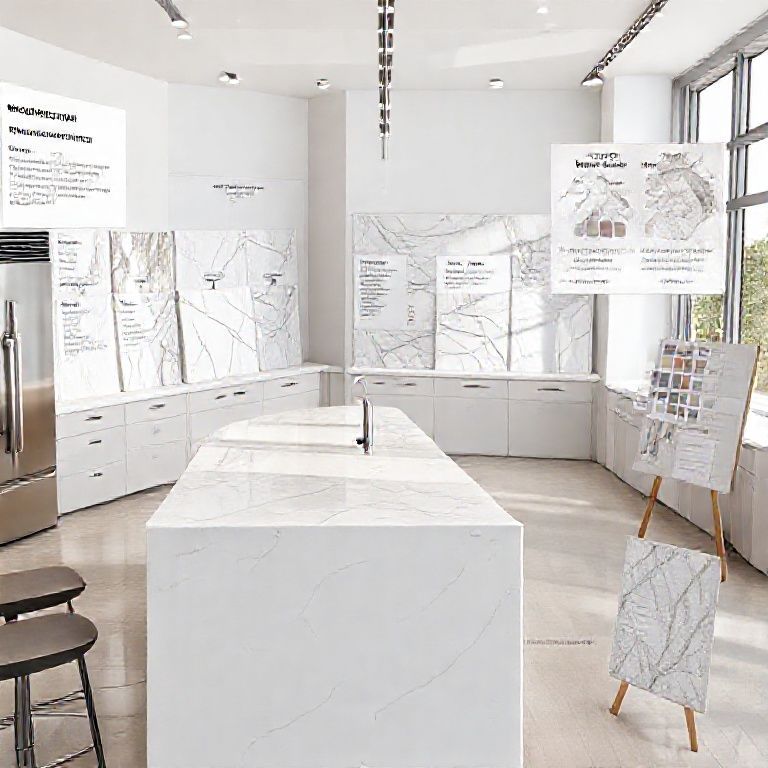
First and foremost, one of the most significant drawbacks of marble tiles is their cost. Marble is a natural stone that requires extensive mining and processing, which drives up its price. Here are some key points to consider:
Initial Cost: Marble tiles are significantly more expensive than many other types of tiles. High-quality marble tiles can cost several times more than standard ceramic or vinyl tiles. This high initial cost can make marble tiles prohibitive for many homeowners.
Installation Costs: The installation of marble tiles requires specialized skills and equipment. Skilled labor is needed to cut, fit, and polish the marble tiles to ensure a seamless and professional finish. This adds another layer of expense to the renovation project.
Long-Term Financial Implications: While marble tiles may appear to be an investment in luxury, they often end up costing more in the long run due to the need for regular maintenance and potential damage that can lead to costly repairs.
Maintenance and Practicality: Challenges of Marble Tiles
Marble is a beautiful stone, but it is also highly susceptible to staining, etching, and scratching. Here are some practical considerations regarding the maintenance of marble tiles:
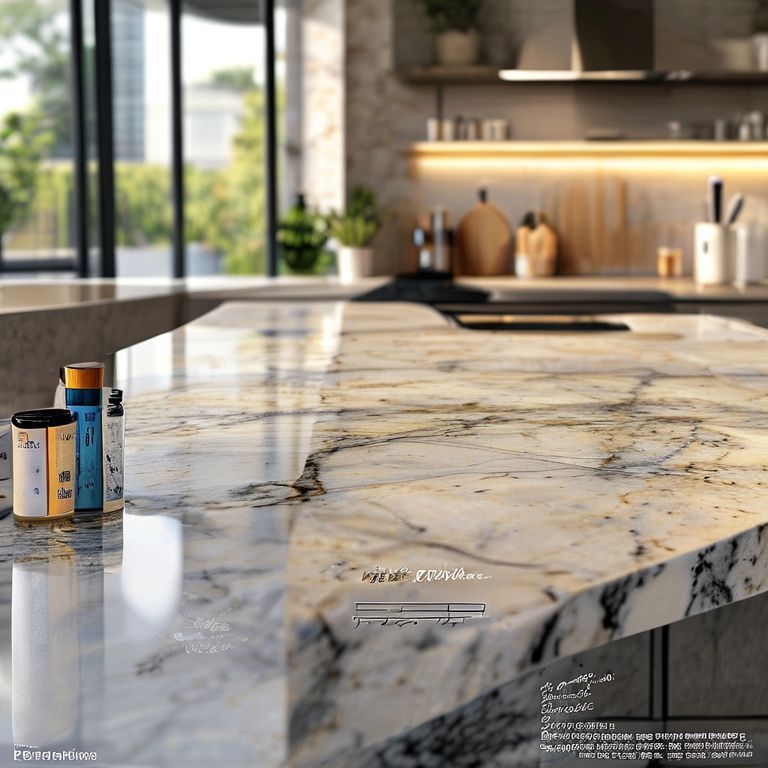
Staining and Etching: Marble is a porous stone that can easily absorb stains from food, drinks, and everyday spills. While it can be polished to remove minor stains, deeper etching can be more challenging to rectify. Regular sealing is required to protect marble tiles from staining, which adds to the maintenance cost.
Scratches and Damage: Unlike more durable tiles, marble is prone to scratching. Even minor scratches can be difficult to repair and may require professional intervention. The high cost of repairs is another reason why marble tiles are not always practical for everyday use.
Cleaning Requirements: Cleaning marble tiles requires special care. Regular cleaning with pH-neutral cleaners is essential to prevent damage. Using harsh chemicals can etch the marble surface, leading to permanent damage. This need for careful cleaning adds an extra layer of maintenance that many homeowners may find inconvenient.
Alternative Flooring Options
Given the high cost and maintenance requirements of marble tiles, it’s worth considering alternative flooring options that offer a balance of beauty, durability, and practicality. Here are some popular alternatives:
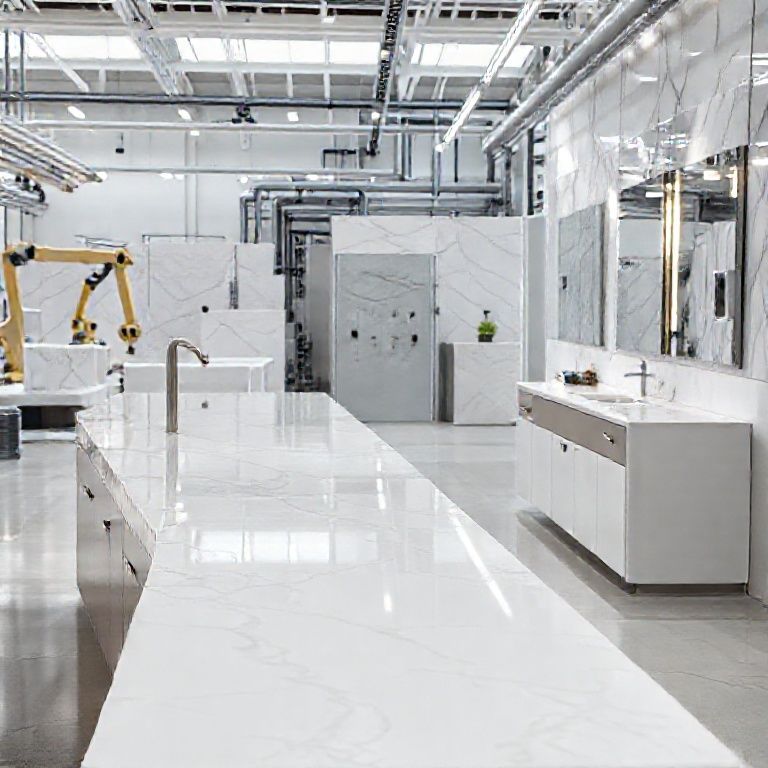
Quartz Tiles: Quartz tiles are made from a blend of natural minerals and synthetic materials, offering a high level of durability and resistance to stains and scratches. They are also much more affordable than marble tiles and require less maintenance.
Porcelain Tiles: Porcelain tiles are known for their durability and resistance to stains, making them a practical choice for high-traffic areas. They are also relatively easy to clean and maintain, offering a more cost-effective option compared to marble.
Engineered Wood Flooring: For those who prefer a more natural look, engineered wood flooring can offer the aesthetic appeal of wood without the high maintenance and cost associated with solid wood flooring. It is also highly durable and can withstand heavy foot traffic.
Conclusion
In conclusion, while marble tiles offer a luxurious and elegant look, their high cost and demanding maintenance requirements make them less practical for most home renovation projects. The initial expense, along with the need for skilled labor and ongoing maintenance, can add up quickly. By exploring alternative flooring options, homeowners can achieve a beautiful and functional renovation without the drawbacks associated with marble tiles.
Stay tuned for Part 2, where we will delve into the long-term durability and aesthetic considerations of using marble tiles in home renovation.
Long-Term Durability and Aesthetic Considerations
Introduction to Durability and Aesthetics
In the second part of this comprehensive guide, we will explore the long-term durability and aesthetic considerations of using marble tiles in home renovation projects. While marble tiles offer an exquisite appearance, their durability and suitability for different areas of the home can be questionable. We will discuss why marble tiles may not be the best long-term choice and explore alternative materials that offer better durability and aesthetic appeal.
Durability Issues: Why Marble Tiles Lack Long-Term Resilience
Marble is a beautiful stone, but its inherent properties make it less than ideal for long-term durability in many aspects of home renovation. Here are some critical points to consider:
Porosity and Staining: Marble is a highly porous stone, which means it can easily absorb liquids and stains. This makes it particularly susceptible to discoloration and etching, especially in high-traffic areas like kitchens and bathrooms. Even minor spills can lead to permanent stains, requiring regular sealing and maintenance.
Scratching and Damage: Unlike more durable materials, marble is prone to scratching and damage. Even everyday activities can leave visible scratches on marble tiles, which can be difficult to repair. This not only affects the appearance of the tiles but also their functionality, as damaged areas may become uneven and pose tripping hazards.
Weathering and Erosion: Over time, marble can undergo weathering and erosion, especially in areas exposed to moisture and UV rays. This can lead to the deterioration of the marble surface, resulting in uneven wear and a loss of aesthetic appeal. Regular maintenance and protection are essential to mitigate these effects.
Alternative Durable Materials
Given the durability issues associated with marble tiles, it’s important to explore alternative materials that offer better long-term resilience. Here are some durable and aesthetically pleasing options:
Ceramic Tiles: Ceramic tiles are known for their durability, resistance to stains, and low maintenance requirements. They come in a wide range of colors and patterns, allowing for versatile design options. Ceramic tiles are suitable for both high-traffic areas and more decorative spaces.
Natural Stone Tiles (Other than Marble): Other natural stones, such as travertine and limestone, offer a more durable alternative to marble. These stones are less porous and more resistant to staining and scratching, making them ideal for high-traffic areas. They also provide a beautiful, natural look that complements various interior designs.
Hardwood Flooring: For those who prioritize both durability and aesthetics, hardwood flooring is an excellent choice. While it requires regular maintenance to prevent scratches and damage, hardwood floors are highly durable and can withstand heavy foot traffic. They also offer a warm and inviting appearance that enhances the overall ambiance of a home.
Aesthetic Considerations: Balancing Beauty and Practicality
When it comes to aesthetics, marble tiles can offer a stunning and luxurious look, but there are several factors to consider to ensure they complement your home’s overall design.
Color and Pattern: Marble tiles come in a variety of colors and patterns, from classic white and grey to vibrant hues and intricate designs. While these variations can add visual interest, they also require careful selection to ensure they harmonize with the existing decor. The porosity of marble can also cause uneven coloration, which may not always be desirable.
Contrast and Design: In design terms, marble tiles can provide a striking contrast to other materials, such as wood or ceramic. However, the contrast can also lead to visual inconsistencies if not carefully managed. For example, the natural veining in marble can create a busy pattern that may overwhelm a space if not balanced with simpler, more neutral elements.
Versatility and Customization: While marble tiles offer versatility in terms of design, their maintenance requirements can limit their use in certain areas of the home. For instance, marble is not recommended for kitchens and bathrooms due to its susceptibility to moisture and staining. In these areas, more practical materials like porcelain or quartz tiles are often preferred.
Conclusion
In conclusion, while marble tiles offer a luxurious and elegant appearance, their long-term durability and suitability for various areas of the home can be questionable. The porosity, scratching, and weathering issues associated with marble make it less than ideal for long-term use in high-traffic areas. By exploring alternative materials that offer better durability and aesthetic appeal, homeowners can achieve a beautiful and functional renovation that stands the test of time.
When considering marble tiles for your home renovation, it’s essential to weigh the initial cost and maintenance requirements against the long-term benefits of more durable and practical materials. Ultimately, the best choice will depend on your specific needs, budget, and design preferences.
For those seeking a timeless and elegant look without the drawbacks of marble, alternative materials like ceramic, natural stone, and hardwood offer a perfect blend of beauty, durability, and practicality.