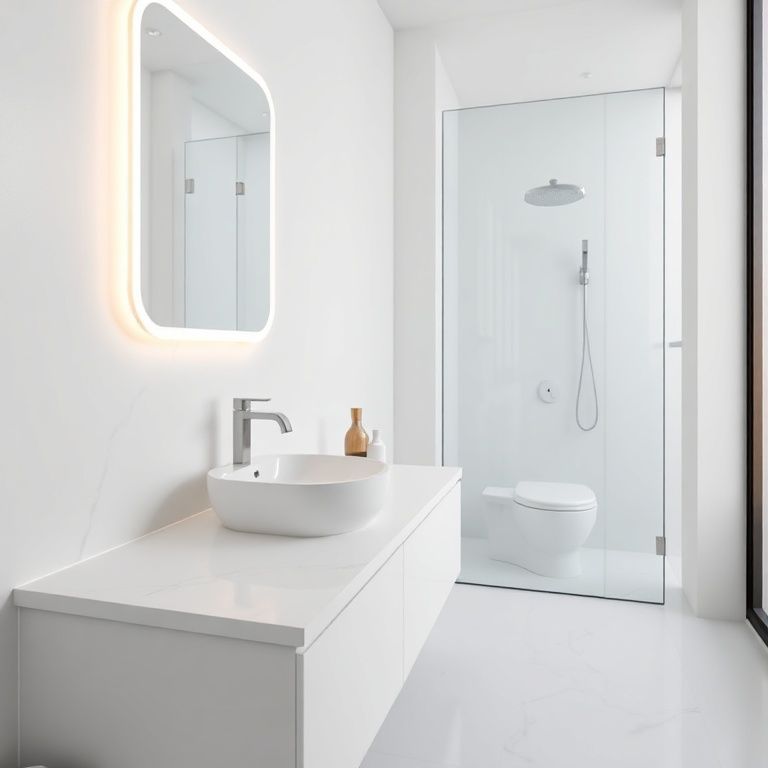
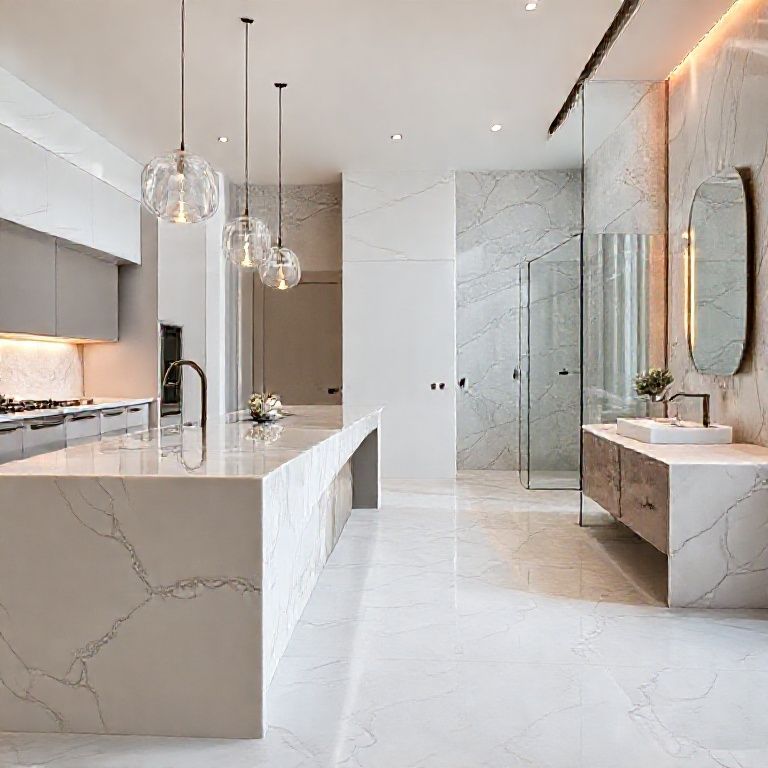
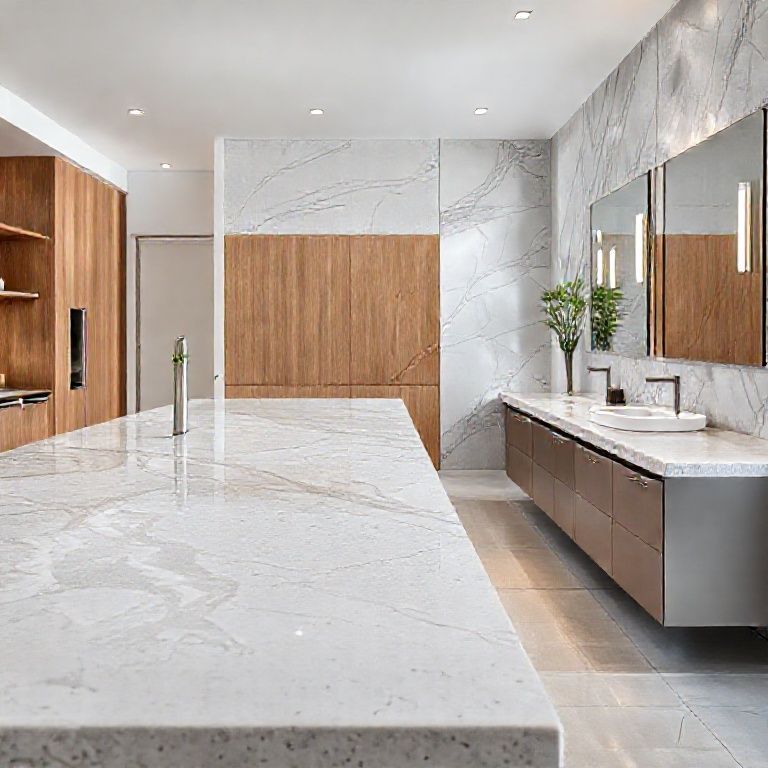
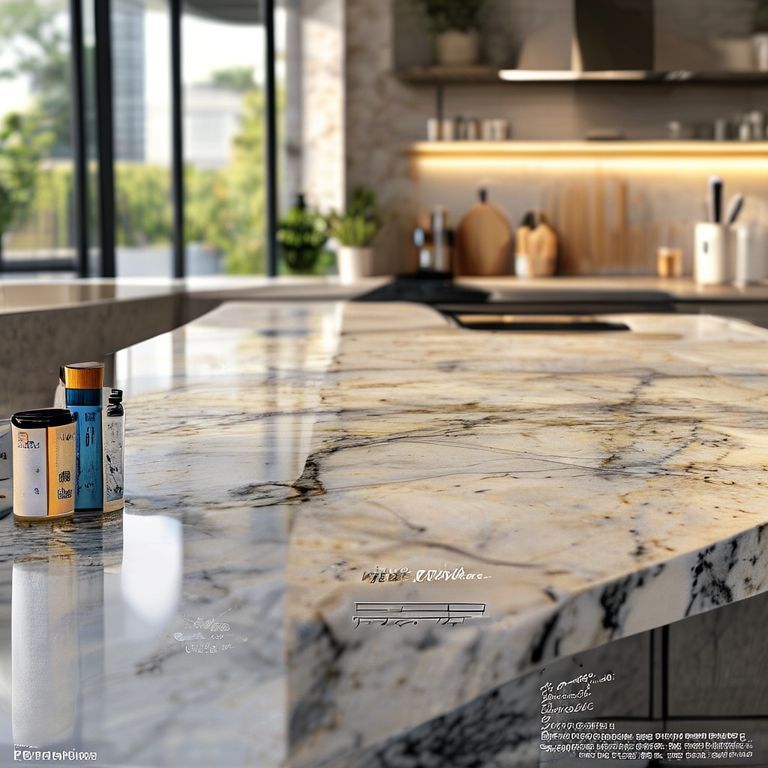
In the world of high-end dining tables, marble is often touted as the epitome of luxury and elegance. The shimmering, veined beauty of marble surfaces can transform any dining space into a sophisticated haven. However, despite its allure, there are several compelling reasons why a marble dining table might not be the best choice for every household. This first part will focus on the maintenance complexities and cost implications associated with marble dining tables.
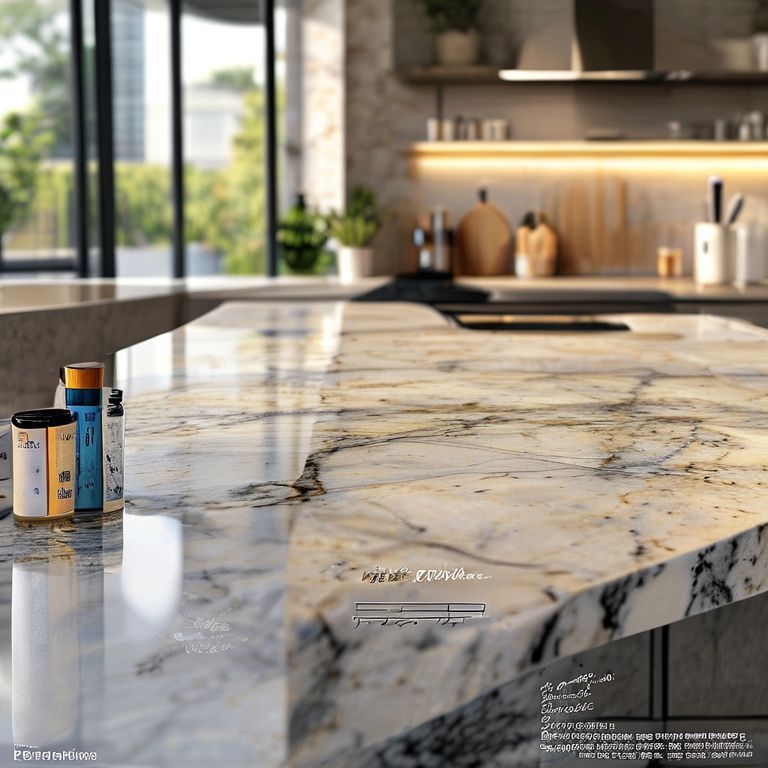
The Maintenance Challenge
Marble, while visually stunning, is a material that demands meticulous care and attention. Unlike more durable and low-maintenance materials like solid wood or engineered surfaces, marble requires regular upkeep to maintain its pristine appearance. Here are some of the maintenance challenges:
Stain Sensitivity: Marble is highly porous, which makes it incredibly susceptible to stains from food, drinks, and everyday spills. Unlike other surfaces, marble cannot be easily wiped clean. Even a minor spill can leave a permanent mark, requiring professional intervention to rectify.
Acidic Stains: Beverages containing acids, such as wine, citrus juices, and cola, can cause etching on marble surfaces. Over time, these acidic stains can mar the beauty of the marble, leading to an unsightly appearance that might require expensive restoration work.
Cleaning Products: Marble cannot be cleaned with harsh chemicals or abrasive cleaners. Using the wrong cleaning products can cause discoloration and damage to the surface. This necessitates the use of specific, gentle cleaning agents that might not always be readily available.
Sealing Requirements: To protect the marble and prevent stains and etching, it must be sealed regularly. The frequency and type of sealer required can vary depending on the quality and finish of the marble. This ongoing maintenance can be a significant hassle and expense.
The Cost Factor
The initial purchase of a marble dining table is often just the beginning. The costs associated with maintaining a marble surface can quickly add up. Here’s a breakdown of why the cost implications of marble dining tables extend beyond the initial price tag:
Professional Cleaning: Regular professional cleaning services are often necessary to keep marble in top condition. These services can be costly, especially if the marble table is of high quality or has a unique finish.
Sealing Treatments: As mentioned earlier, sealing treatments are a must for protecting marble surfaces. These treatments need to be applied periodically, and the cost can accumulate over time. High-quality sealers might be required to maintain the table’s beauty and integrity.
Repair Costs: In the unfortunate event of damage, such as chips, cracks, or etching, repairing a marble surface can be very expensive. Specialized craftsmen or companies are needed to repair marble, and the cost can be significant, often exceeding the cost of alternative dining tables.
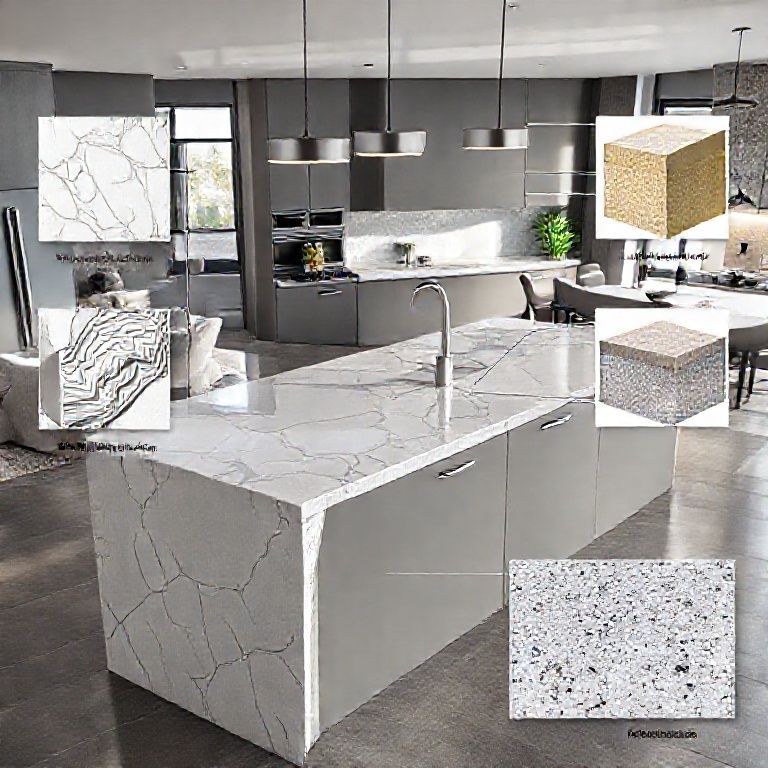
Insurance and Replacement: Given the potential for damage and the high cost of repairs, insuring a marble dining table might become necessary. This adds to the overall expense, and if the table ever needs to be replaced, the cost of a new marble table can be prohibitive.
Conclusion
While the aesthetic appeal of a marble dining table is undeniable, the maintenance complexities and associated costs are significant considerations. The need for regular professional cleaning, sealing treatments, and potential repair costs can make marble tables less practical than they first appear. In the next part, we will explore additional aspects such as durability, alternative materials, and the long-term value proposition to provide a complete picture of why a marble dining table might not be the best choice for every household.
Continuing our detailed examination of why a marble dining table might not be the most practical choice, this second part delves into the durability concerns, alternative materials, and the long-term value proposition. While marble exudes luxury, understanding its limitations in these areas is crucial for making an informed decision.
Durability Concerns
Marble, despite its elegant appearance, has notable durability limitations that make it less than ideal for everyday use in most dining spaces. Here are some critical points to consider:
Fragility: Marble is a relatively soft stone, ranking around 3 on the Mohs scale of mineral hardness. This softness makes it prone to scratches, chips, and even cracks. Unlike harder materials like granite or quartz, which are far more resilient, marble is easily damaged with minimal force.
Thermal Sensitivity: Marble is also sensitive to temperature changes. Sudden heat can cause thermal shock, leading to cracks and chips. This makes it unsuitable for areas where hot dishes are frequently placed directly on the surface, such as in a bustling kitchen.
Water Absorption: Although marble is often polished to a high shine, it has a high water absorption rate. This characteristic makes it susceptible to water spots and stains, which can mar its appearance over time.
Alternative Materials
Given the drawbacks of marble, exploring alternative materials can provide both durability and aesthetic appeal without the associated maintenance and cost concerns. Here are some excellent alternatives:
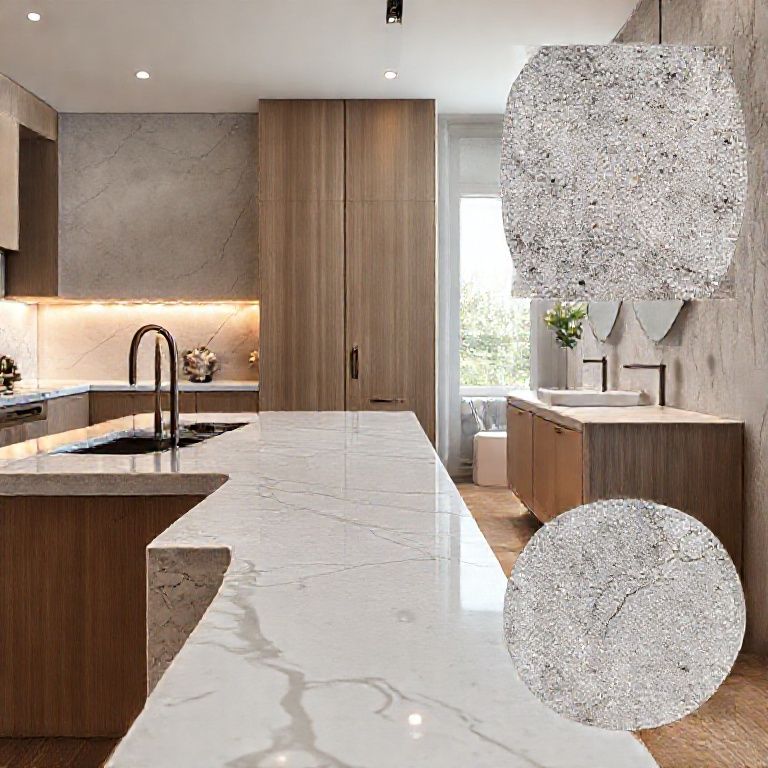
Granite: Granite is a much harder and more durable stone compared to marble. It boasts a Mohs hardness rating of 6-7, making it far more resistant to scratches, chips, and thermal shock. Granite also comes in a wide variety of colors and finishes, offering an elegant and practical option for dining tables.
Quartz: Quartz countertops have become increasingly popular for their durability and low maintenance. Quartz is an engineered stone made from 93% quartz and 7% resin, providing a scratch-resistant, non-porous surface that is highly resistant to stains and heat. It is also available in various colors and finishes to match any decor.
Solid Wood: High-quality solid wood dining tables offer both beauty and durability. While they require regular maintenance, such as oiling and refinishing, they are much more resistant to scratches and chips than marble. Solid wood also has a timeless appeal and can be refinished multiple times to maintain its appearance.
Long-Term Value Proposition
When considering the long-term value of a dining table, it’s important to weigh not just the initial purchase price but also the ongoing maintenance costs and potential for damage. Here’s how marble fares in this regard:
Initial Cost vs. Maintenance Expenses: While the initial cost of a marble dining table might be comparable to other materials, the long-term expenses related to maintenance can be significantly higher. Regular professional cleaning, sealing treatments, and potential repair costs add up over time, making the overall ownership cost much greater than initially anticipated.
Replacement Frequency: Due to its susceptibility to damage, a marble dining table might need to be replaced more frequently than other durable materials. This replacement cycle can further escalate costs and is a factor to consider when evaluating the long-term value.
Alternative Durability: Durable materials like granite, quartz, and high-quality solid wood provide a more lasting solution. These materials not only offer better resistance to everyday wear and tear but also tend to hold their value better over time. This longevity translates into a more cost-effective option in the long run.
Conclusion
In summary, while marble dining tables exude undeniable elegance and luxury, their practical limitations make them a less advisable choice for many households. The maintenance challenges, high costs, durability concerns, and the availability of more practical and durable alternatives all play a significant role in this decision. By understanding these factors, you can make a well-informed choice that aligns with both your aesthetic preferences and practical needs. When it comes to selecting a dining table, opting for a material that balances beauty, durability, and ease of maintenance is key to ensuring long-term satisfaction and value.
By considering the multifaceted aspects of marble dining tables, you can make a more informed decision that aligns with your lifestyle and budget, ensuring that your dining space remains beautiful, practical, and enduring.