Why You Should Consider Alternatives to Marble Dining Tables
When it comes to furnishing your dining area, the choice of materials for your dining table can significantly influence its longevity, ease of maintenance, and overall aesthetic appeal. While marble dining tables are often lauded for their elegance and luxurious appearance, there are several compelling reasons why they might not be the best choice for your home. Let’s delve into the intricate details that make alternatives to marble dining tables a more practical and sustainable option.
Durability Issues
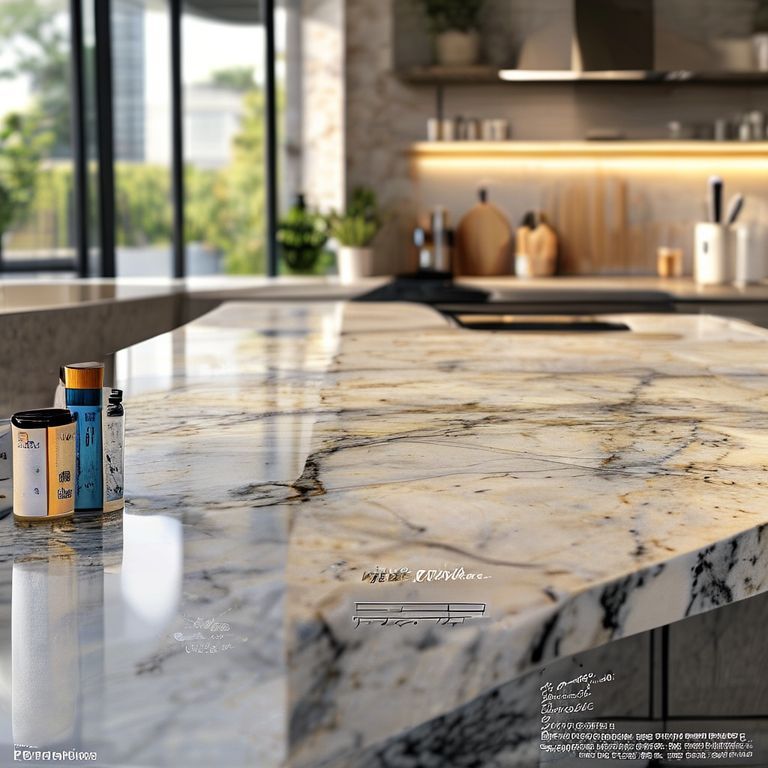
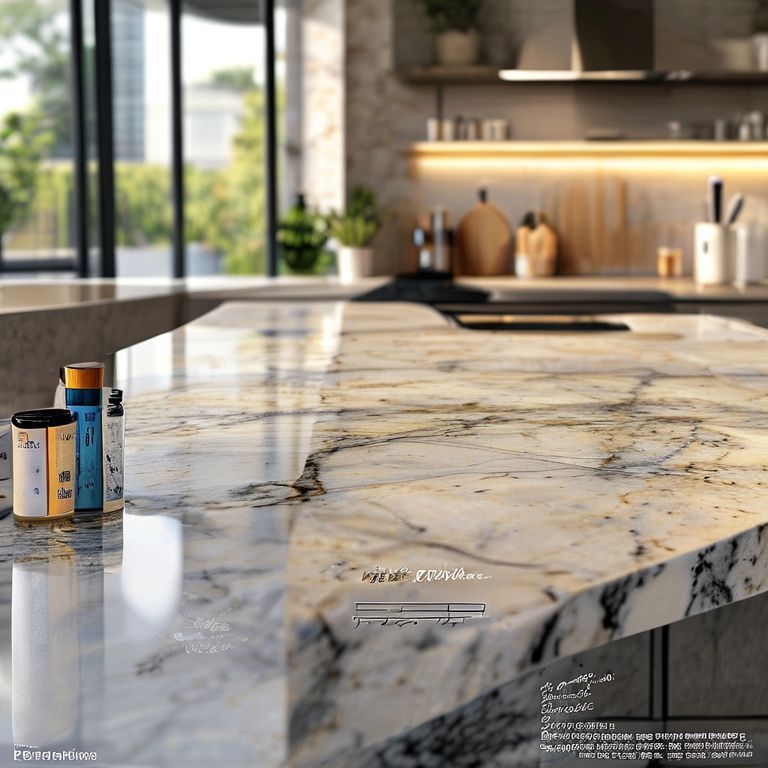
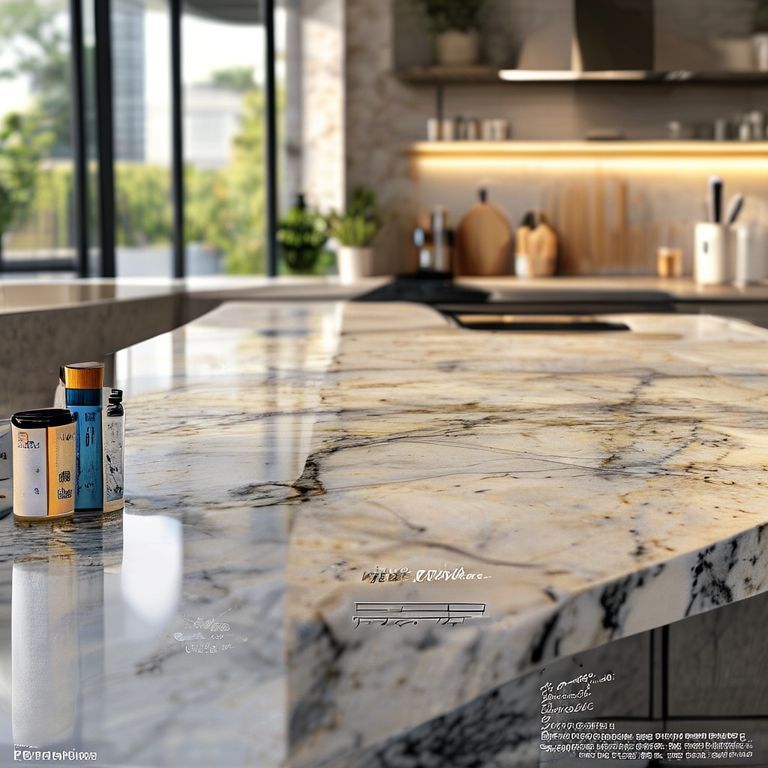
One of the primary concerns with marble dining tables is their durability. Marble is a relatively soft stone, which makes it prone to scratches, chips, and other forms of damage. Even minor impacts, such as dropping a heavy object, can leave permanent marks on the surface. This inherent softness means that while a marble table can look stunning, it often requires careful handling and potentially frequent repairs.
In contrast, materials such as hardwood, engineered wood, or solid wood dining tables offer greater durability. These options are much more resistant to scratches and dents, providing a more resilient surface that can withstand the rigors of daily use. The density of these materials ensures that they maintain their structural integrity over time, reducing the need for costly repairs or replacements.
Maintenance Challenges
Marble requires a level of maintenance that can be both time-consuming and costly. To keep a marble dining table looking its best, regular cleaning and sealing are essential. Spills, even from seemingly harmless beverages like water, can leave unsightly stains if not addressed promptly. Additionally, harsh chemicals used in cleaning can actually damage the marble’s surface, leading to further deterioration.
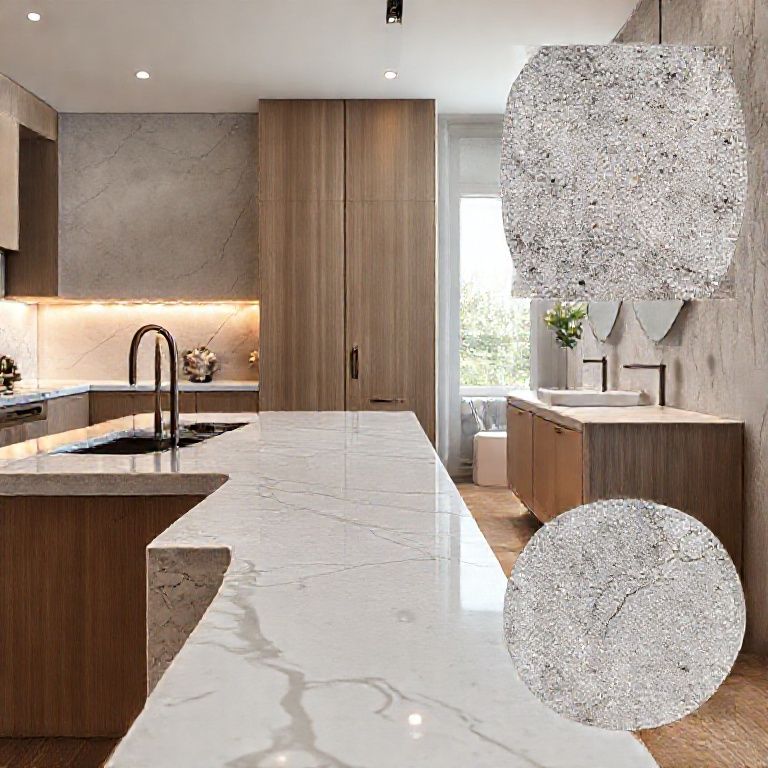
Maintaining a marble table often involves the use of specialized products, such as marble polish and sealants, which can be expensive and may not always be readily available. Over time, these products can also build up on the surface, requiring additional cleaning to maintain a pristine appearance.
On the other hand, alternative materials like hardwood or solid wood require less intensive maintenance. These tables typically need regular dusting and occasional wiping with a soft cloth. For more thorough cleaning, a simple wood polish or conditioner can suffice, making maintenance a more manageable task for most homeowners.
Cost Implications
The cost of a high-quality marble dining table can be quite substantial, and this expense often extends beyond the initial purchase price. The need for regular maintenance and the potential for damage mean that owning a marble table can lead to increased long-term costs.
Consider the following:
Initial Cost: High-quality marble dining tables can range from a few thousand to tens of thousands of dollars, depending on the size, craftsmanship, and the specific type of marble used. Maintenance Costs: Regular cleaning, sealing, and potential repairs can add to the overall expense. Even minor repairs, such as fixing a crack or chip, can be costly due to the specialized nature of marble repair services. Replacement Costs: If a marble table is damaged beyond repair, the cost of replacing it can be prohibitive, especially if you are seeking a piece that matches the original in size, design, and quality.
In contrast, dining tables made from alternative materials like hardwood or engineered wood are generally more affordable upfront. While there will still be some maintenance costs, these are typically lower than those associated with a marble table. Furthermore, the durability of these materials means that they often require fewer replacements over time.
Aesthetic Considerations
While marble is undeniably beautiful and can add a touch of elegance to a dining space, it may not always be the most practical choice for every home. The unique patterns and colors of natural marble can be stunning, but they also come with a level of unpredictability. No two pieces of marble are exactly alike, which means that achieving a cohesive look can be challenging, especially if you have multiple pieces of furniture made from the same material.
Alternative materials offer more predictability and consistency in appearance. Hardwood and solid wood dining tables, for example, come in a wide range of colors and finishes, allowing for greater customization to fit your specific aesthetic preferences. Many wood types also offer uniformity in their appearance, making it easier to create a cohesive look throughout your dining area.
Moreover, alternative materials can often be stained or painted to achieve a specific look, providing additional flexibility in terms of design. This versatility allows homeowners to refresh their dining space more easily, whether they are looking to update their decor or simply change the color scheme.
Environmental Impact
The production and transportation of marble can have a significant environmental impact. Marble mining often leads to habitat destruction and contributes to greenhouse gas emissions. Additionally, the transportation of large marble slabs, which are typically used in dining tables, requires substantial energy, further increasing the environmental footprint.
In comparison, many alternative materials, such as sustainably sourced hardwood or engineered wood, can be produced in a more environmentally friendly manner. Sustainable forestry practices and advanced manufacturing techniques can help minimize the environmental impact associated with these materials. By choosing these alternatives, you can reduce your contribution to resource depletion and environmental degradation.
Conclusion
In conclusion, while marble dining tables offer undeniable beauty and elegance, they come with a host of challenges that make them less practical for many homeowners. From durability issues and maintenance challenges to high costs and aesthetic limitations, the drawbacks of marble tables are significant.
By considering alternatives like hardwood, engineered wood, or solid wood, you can enjoy a more durable, easier-to-maintain, and cost-effective dining table that also aligns with sustainable practices. Ultimately, the choice of dining table material should reflect both your aesthetic preferences and practical needs, ensuring that your dining space is both beautiful and functional for years to come.
Why You Should Consider Alternatives to Marble Dining Tables
In the previous part, we explored several compelling reasons why marble dining tables may not be the best choice for your home, including issues with durability, maintenance, cost, aesthetic flexibility, and environmental impact. In this second part, we will delve deeper into these factors, providing additional insights and practical considerations to help you make an informed decision about your dining table.
Durability Revisited
The durability of a dining table is crucial, especially when it comes to a high-traffic area like the dining room. Marble, despite its elegant appearance, is inherently soft and prone to scratches and chips. Even a small impact can leave a permanent mark on the surface, which can be difficult to repair. This vulnerability means that marble tables often require careful handling and may not withstand the rigors of daily use as well as more robust materials.
In contrast, alternative materials such as hardwood, engineered wood, or solid wood offer superior durability. These materials are much harder than marble, providing a more resilient surface that can better withstand the wear and tear of regular use. For example, hardwood dining tables made from species like oak, maple, or cherry are known for their strength and ability to resist scratches and dents. Engineered wood and solid wood tables also offer high durability, often at a more affordable price point.
Maintenance Revisited
Maintenance is another significant factor to consider when choosing a dining table. Marble requires regular care to maintain its appearance and prevent damage. Spills, even minor ones, can leave stains if not cleaned promptly. Additionally, marble is sensitive to certain cleaning agents, which means that using the wrong product can actually cause more harm than good.
To keep a marble table looking its best, it often requires the use of specialized cleaning products and regular sealing. These products can be expensive and may not always be readily available. Over time, the buildup of these products on the surface can require additional cleaning to maintain a pristine appearance.
Alternative materials like hardwood or solid wood offer much lower maintenance requirements. These tables typically need only regular dusting and occasional wiping with a soft cloth. For more thorough cleaning, a simple wood polish or conditioner can suffice, making maintenance a more manageable task. This lower level of maintenance not only saves time but also reduces the need for costly products and services.
Cost Revisited
The cost implications of owning a marble dining table extend beyond the initial purchase price. The need for regular maintenance and the potential for damage mean that owning a marble table can lead to increased long-term costs.
Consider the following:
Initial Cost: High-quality marble dining tables can range from a few thousand to tens of thousands of dollars, depending on the size, craftsmanship, and the specific type of marble used. Maintenance Costs: Regular cleaning, sealing, and potential repairs can add to the overall expense. Even minor repairs, such as fixing a crack or chip, can be costly due to the specialized nature of marble repair services. Replacement Costs: If a marble table is damaged beyond repair, the cost of replacing it can be prohibitive, especially if you are seeking a piece that matches the original in size, design, and quality.
In contrast, dining tables made from alternative materials like hardwood or engineered wood are generally more affordable upfront. While there will still be some maintenance costs, these are typically lower than those associated with a marble table. Furthermore, the durability of these materials means that they often require fewer replacements over time, resulting in lower long-term costs.
Aesthetic Considerations Revisited
While marble is undeniably beautiful, its unique patterns and colors can make achieving a cohesive look challenging. The natural variations in marble can lead to differences in appearance that may not always complement other pieces of furniture seamlessly. Achieving a consistent look can be particularly challenging继续探讨,我们还可以深入分析一些具体的设计和风格方面的考量。
适应性和设计灵活性
对于许多家庭来说,多功能性和设计的灵活性非常重要。虽然大理石的美观无疑是其吸引人之处,但其在实际使用中的灵活性和适应性相对较差。大理石餐桌通常是固定设计,无法轻易调整或扩展。如果家庭成员数量变化或有特殊用途的需求,比如需要扩展餐桌以容纳更多人,大理石餐桌可能无法满足这些需求。
相比之下,其他材料如木质餐桌,可以通过添加扩展板或使用可折叠设计来满足不同需求。这种灵活性使得木质餐桌在家庭中更为实用,尤其是在有孩子或经常有客人来访的家庭中。
环境适应性
大理石餐桌在不同环境中的表现也有所不同。例如,在潮湿或温度变化较大的环境中,大理石可能会受到影响,出现裂缝或其他损害。这种情况在家庭的一些特定区域,比如靠近窗户或厨房的餐桌,尤其容易发生。
相反,木质餐桌在不同环境条件下表现更为稳定。木材具有一定的弹性和抗变形能力,能够在不同温湿度条件下保持其形状和功能。这使得木质餐桌更加适应各种家庭环境,不易受到环境因素的影响。
在某些文化和传统背景中,木质家具被视为更为自然和环保的选择。许多家庭尤其是那些重视可持续发展的家庭,更倾向于选择木质餐桌。木材是一种可再生资源,通过可持续的林业管理可以保证其供应,而大理石的开采对环境的影响则相对较大。
个人喜好和风格
个人喜好和装饰风格也是决定餐桌材料选择的重要因素。对于追求现代简约风格的家庭来说,大理石的光滑和简洁的外观可能更为合适。而对于喜欢自然、温暖和传统风格的家庭来说,木质餐桌可能更符合其整体装饰风格。
总结
总体而言,选择餐桌材料时需要综合考虑多个因素,包括耐用性、维护成本、长期使用的便利性以及对家庭环境和个人风格的适应性。虽然大理石餐桌以其优雅的外观和高档的质感吸引了许多消费者,但其在耐用性、维护成本和实用性方面的缺陷使得它并不总是最佳选择。
相比之下,木质餐桌在这些方面表现更为出色,提供了更高的耐用性、更低的维护成本以及更大的设计和使用灵活性。因此,对于许多家庭来说,选择木质或其他替代材料的餐桌可能是更为明智和实用的选择。