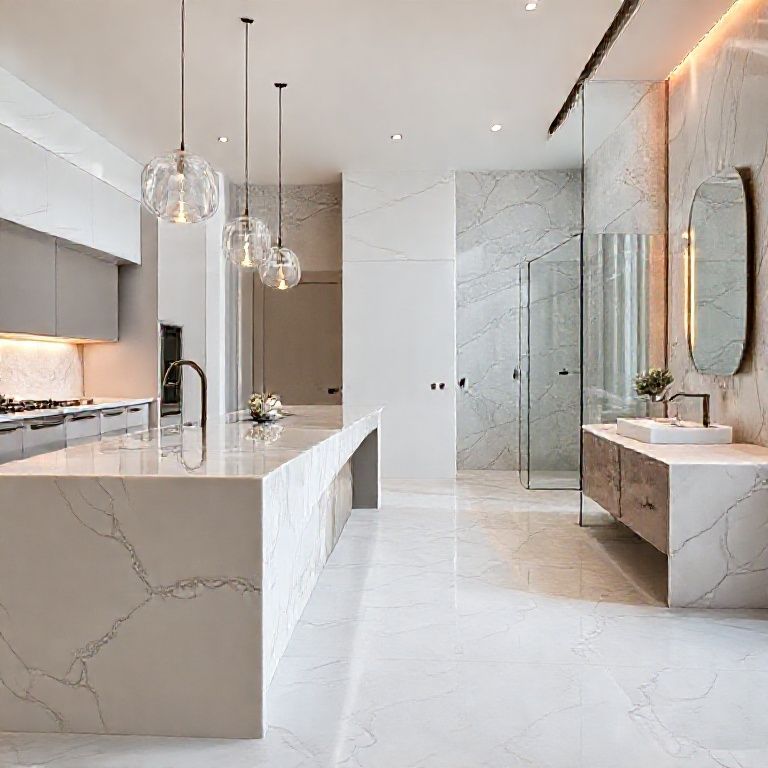
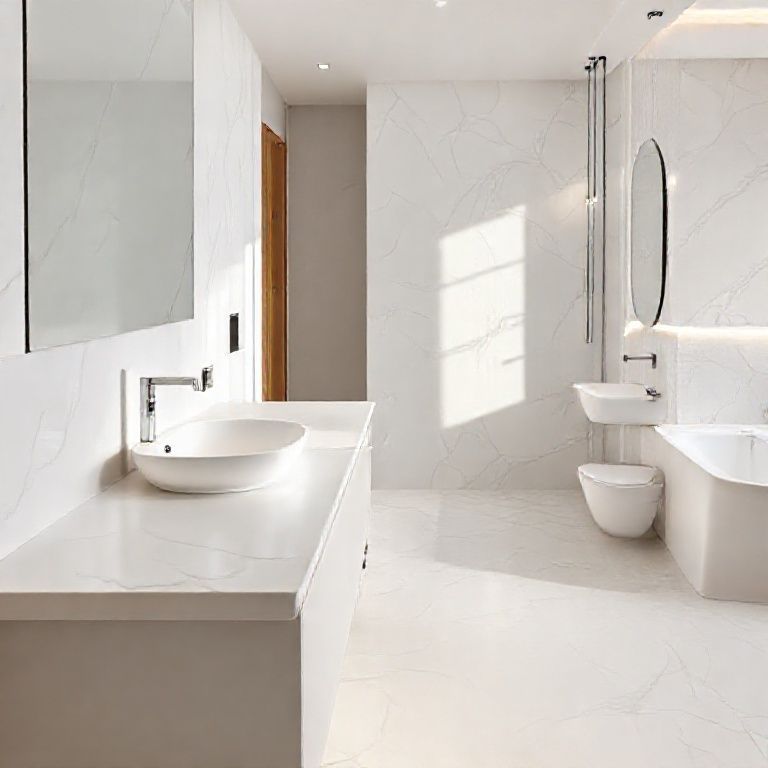
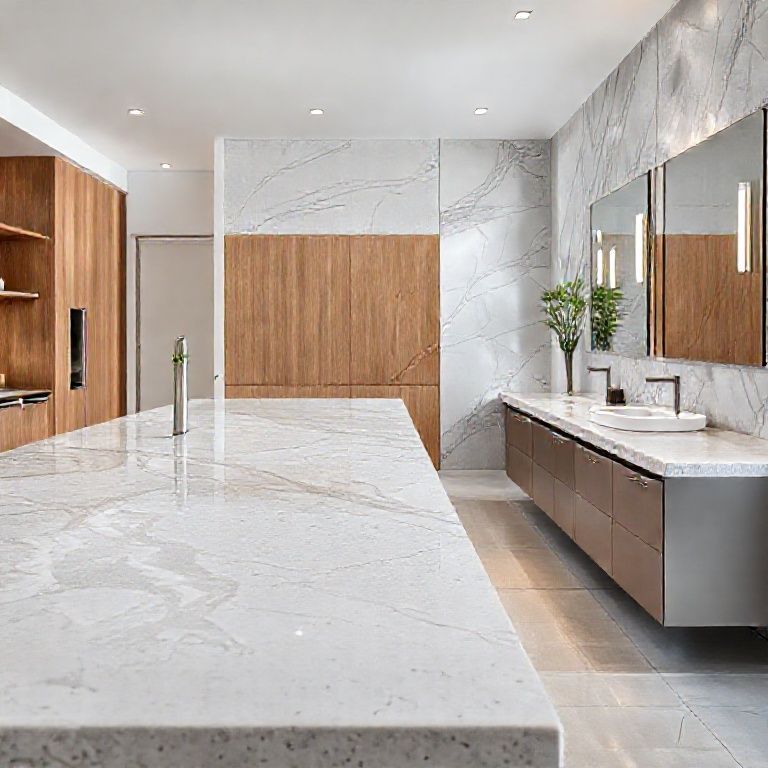
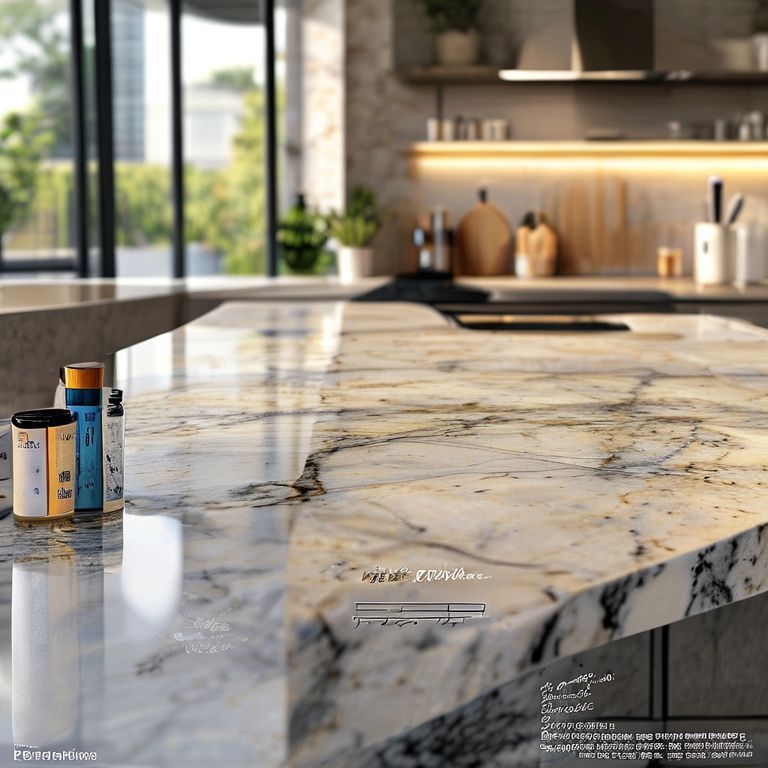
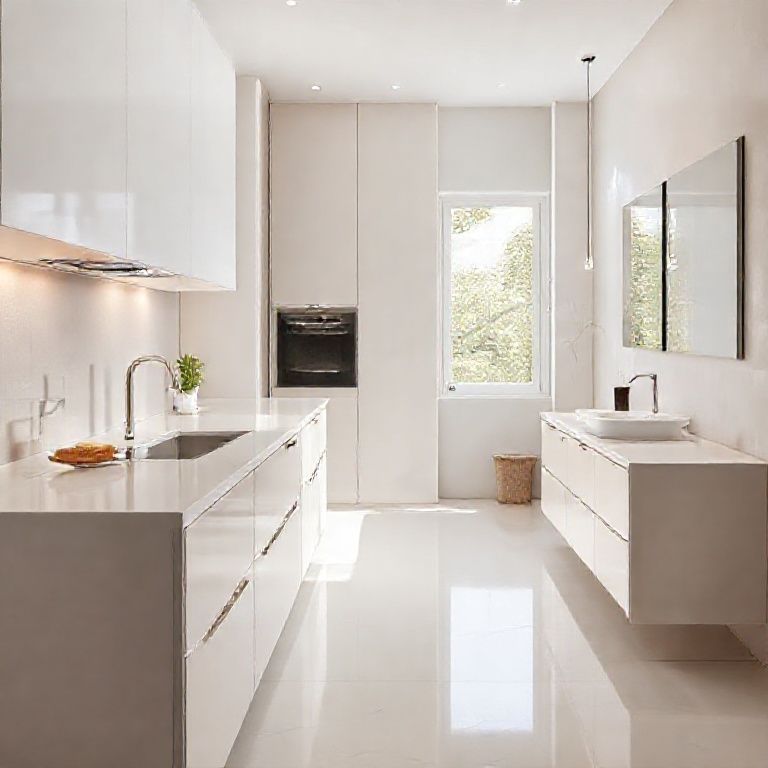
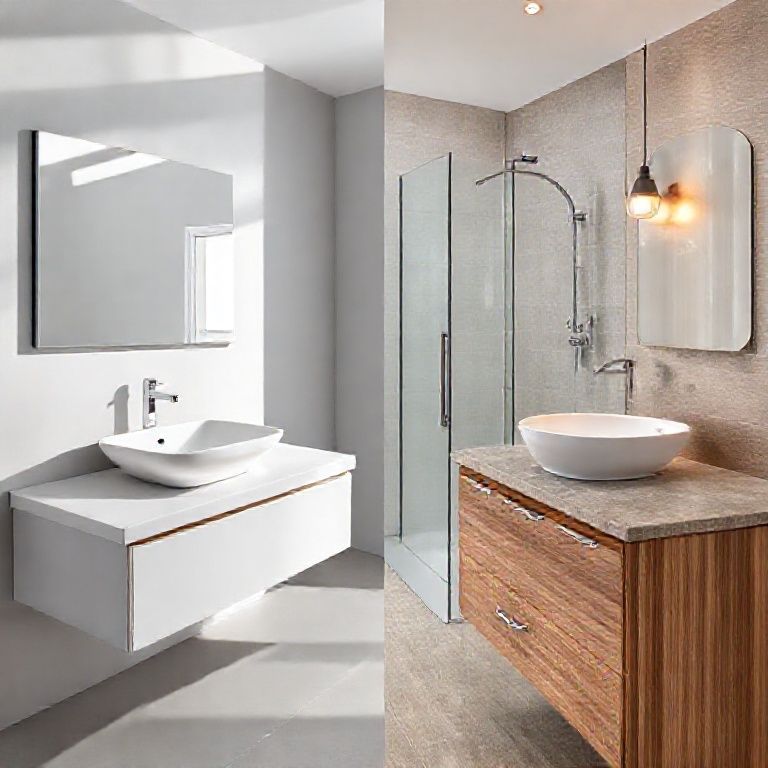
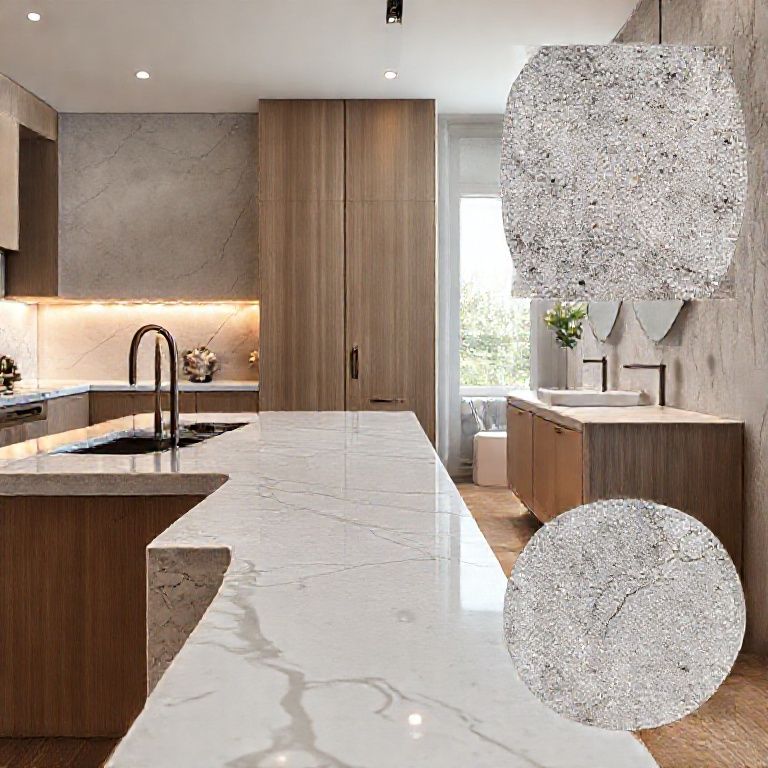
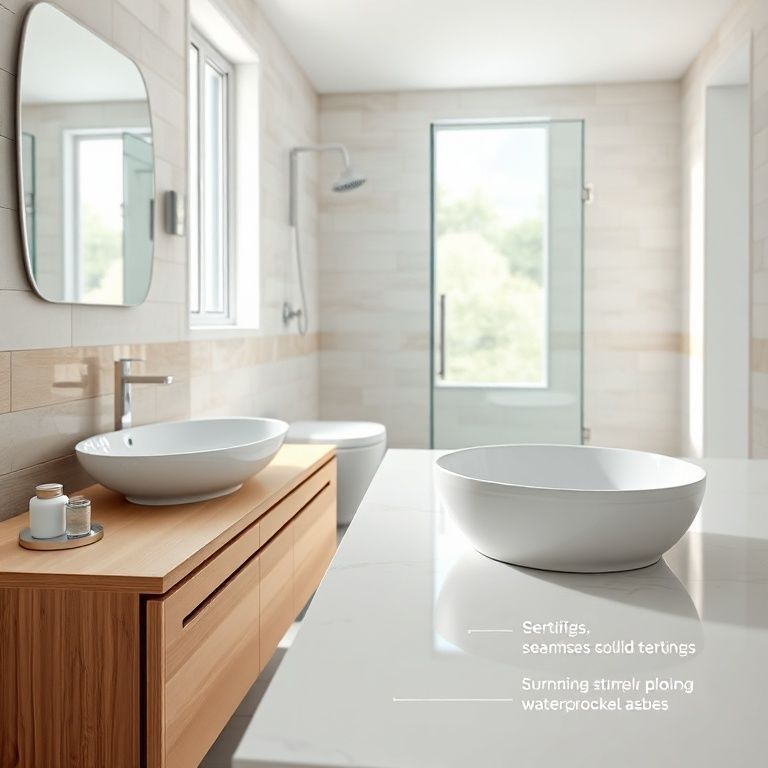
When it comes to interior design, the choice of flooring materials can make or break the aesthetic appeal and functionality of a space. Among the myriad of options available, large marble tiles often stand out for their luxurious appearance and timeless elegance. However, despite their visual charm, there are several compelling reasons why interior design typically advises against using large marble tiles. This article delves into the multifaceted reasons behind this preference, focusing on maintenance challenges, cost implications, durability, and alternative options.
Maintenance Challenges
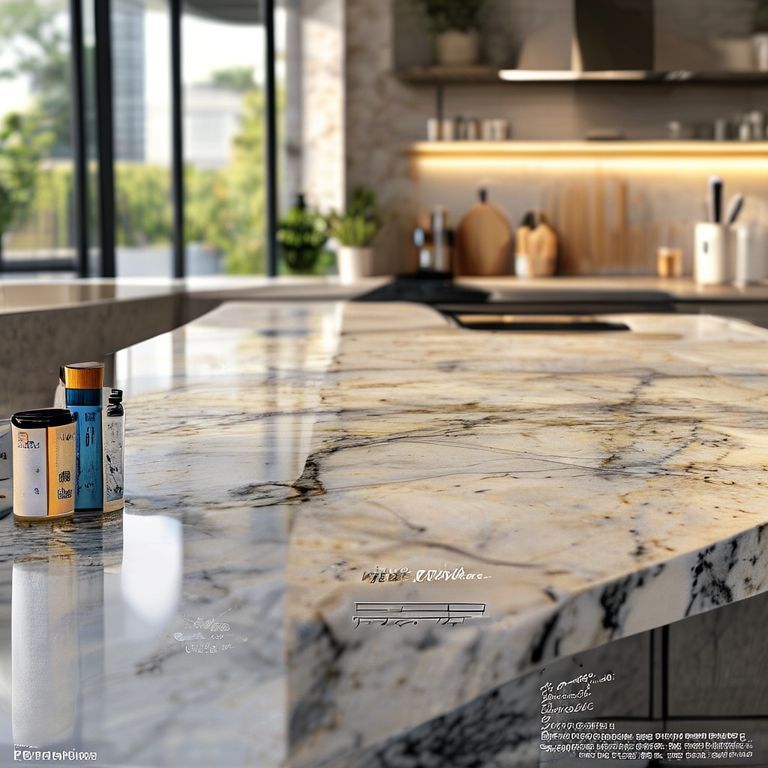
One of the primary reasons large marble tiles are often not recommended in interior design is their susceptibility to maintenance challenges. Marble is a natural stone, which means it is inherently porous and prone to absorbing stains and moisture. When water or acidic substances come into contact with marble, they can cause long-term damage, leading to unsightly discoloration and even structural deterioration.
Unlike more impervious materials such as ceramic or vinyl tiles, marble requires regular sealing to maintain its pristine appearance. The process of sealing involves applying a protective coating to the surface of the marble to prevent stains and moisture penetration. This task is not a one-time effort; it needs to be repeated periodically, often every few months, to ensure the marble remains protected. This ongoing maintenance can be both time-consuming and costly, especially for large areas where the tiles are used extensively.
Moreover, cleaning marble tiles demands a delicate approach. Traditional cleaning solutions, even those designed for stone surfaces, can sometimes be too harsh and lead to further damage if not used carefully. This necessitates the use of specialized products and techniques that may not be readily accessible to the average homeowner. As a result, maintaining marble tiles can become a demanding and somewhat frustrating endeavor, requiring either professional help or a significant investment of time.
Cost Implications
The cost implications associated with large marble tiles are another significant factor that dissuades many interior designers from recommending them. Marble is an expensive material due to its natural beauty and the labor-intensive process required to cut and install the tiles. The cost of high-quality marble tiles can vary widely depending on the type, color, and finish, but generally, they are more expensive than other flooring options like ceramic, porcelain, or laminate.
The initial investment in marble tiles is only the beginning. As previously mentioned, the need for regular sealing adds an additional layer of cost. Furthermore, any repairs or replacements due to damage or wear will likely incur significant expenses. For example, replacing a single damaged marble tile can be quite costly, as it requires matching the color, size, and pattern precisely, which can be challenging to achieve.
Considering these factors, the overall cost of maintaining and repairing marble tiles over time can be prohibitively high, making it a less attractive option for many homeowners and designers. The initial allure of marble’s elegance may fade when the long-term financial commitment is factored in.
Durability Concerns
While marble tiles offer a stunning visual appeal, their durability is often called into question. Marble is relatively soft compared to other natural stones like granite or quartzite, which makes it more susceptible to scratches, chips, and other forms of damage. The Mohs scale, which measures the hardness of minerals, rates marble at around 3 to 4, indicating its vulnerability to wear and tear.
In high-traffic areas where marble tiles are frequently walked upon or used for activities that involve impact, the risk of damage increases significantly. Even everyday activities such as dragging furniture, placing heavy objects, or using sharp utensils can lead to scratches or chips in the marble surface. Over time, this can mar the tile’s appearance and reduce its overall lifespan.
To mitigate these durability concerns, marble tiles often require professional installation and careful handling. This adds to the overall cost and complexity of the project. Additionally, the aesthetic appeal of marble can be compromised by even minor damage, which may require costly repairs or complete replacement.
Alternative Options
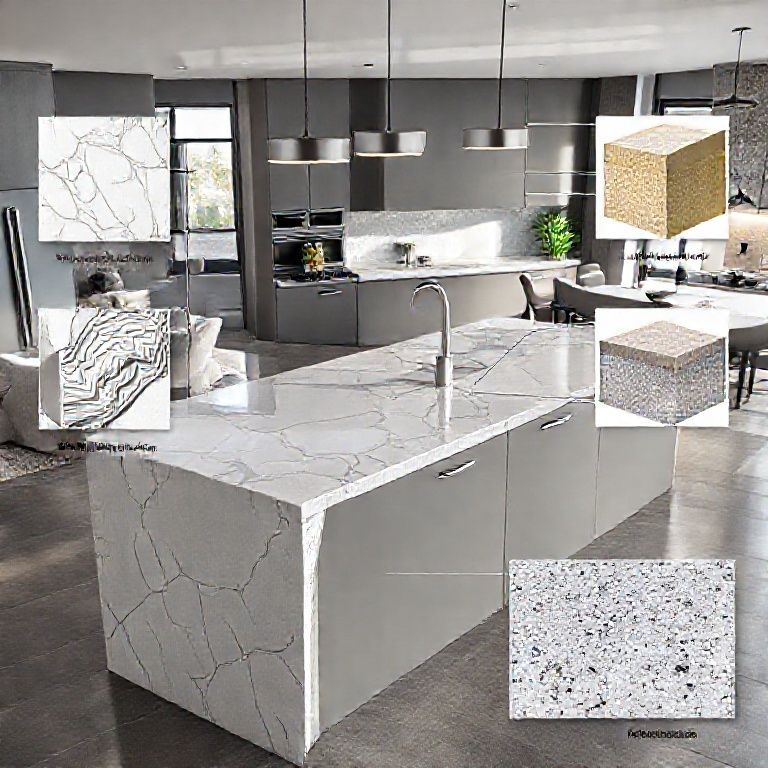
Given the maintenance challenges, cost implications, and durability concerns associated with large marble tiles, many interior designers recommend exploring alternative options that offer comparable aesthetics with fewer drawbacks. Some of the alternatives include:
Porcelain Tiles: Porcelain tiles are a popular choice for their durability, low porosity, and resistance to stains and moisture. They are also available in a wide range of colors and patterns, making them a versatile option for various design schemes. While they may not have the same luxurious appearance as marble, they offer a practical and long-lasting solution.
Laminate Flooring: Laminate flooring is another excellent alternative, known for its affordability, durability, and ease of maintenance. It mimics the look of natural stone without the high cost and maintenance requirements. Laminate tiles can be easily cleaned and replaced if damaged, making them a practical choice for busy households.
Engineered Stone: Engineered stone combines the aesthetics of natural stone with the durability of engineered materials. These tiles are less porous than marble, making them more resistant to stains and moisture. They also offer a range of designs and colors, providing a luxurious look without the high maintenance and cost.
Natural Stone Alternatives: For those who desire the elegance of natural stone but want to avoid the drawbacks of marble, options like quartzite or slate can be considered. These stones are harder and more durable than marble, offering a long-lasting and low-maintenance alternative.
In conclusion, while large marble tiles may offer a striking visual appeal, the maintenance challenges, cost implications, and durability concerns make them a less practical choice for many interior design projects. Exploring alternatives like porcelain tiles, laminate flooring, engineered stone, and other natural stone options can provide a more sustainable and cost-effective solution, ensuring a beautiful and functional space.
In the previous section, we discussed the maintenance challenges, cost implications, and durability concerns associated with large marble tiles. In this part, we will delve deeper into the environmental impact of using marble and explore even more alternatives that offer a practical and sustainable solution for your interior design needs.
Environmental Impact
The environmental impact of using large marble tiles is another significant consideration for interior designers and environmentally conscious homeowners. The production and transportation of marble involve substantial energy use and contribute to greenhouse gas emissions. The process of extracting marble from quarries, transporting it to manufacturing facilities, and then to the end user involves significant carbon footprints.
Moreover, the use of natural marble is not entirely sustainable. The extraction of marble can lead to environmental degradation, including soil erosion, habitat destruction, and water pollution. These impacts are not only detrimental to the local ecosystem but also raise ethical concerns about the sourcing of natural materials.
By opting for alternative materials, such as porcelain tiles, laminate flooring, or engineered stone, you can reduce your environmental footprint. These materials often have a lower carbon footprint and are produced using more sustainable manufacturing processes. Additionally, many manufacturers of these alternatives use recycled materials or employ eco-friendly production techniques, further minimizing their environmental impact.
Further Alternatives
1. Porcelain Tiles
Porcelain tiles are a top alternative to large marble tiles for several reasons. They are highly durable, with a high resistance to scratches, stains, and moisture. This makes them an excellent choice for high-traffic areas where durability is crucial. Porcelain tiles are also available in a wide range of colors and patterns, allowing for versatile design options that can mimic the look of marble while offering superior functionality.
2. Laminate Flooring
Laminate flooring offers a luxurious look that closely resembles natural stone without the high maintenance and cost. It is made from layers of compressed wood fibers covered by a protective layer of vinyl or melamine. Laminate flooring is incredibly durable, easy to install, and available in various designs and colors. It is also more环保,因为它通常不含有害化学物质,并且可以使用回收材料制成。
3. Engineered Stone
工程石材是由天然石材碎片和树脂混合而成的复合材料。它们具有耐用性和美观性,同时比天然大理石更耐刮擦和抗污。工程石材还可以模拟多种石材的外观,提供广泛的设计选择。
4. Quartzite
石英岩是一种耐用且美观的天然石材,通常用于台面和地板。与大理石相比,石英岩更耐刮擦和抗污,不需要频繁的密封处理。它的价格也通常比大理石便宜。
5. Slate
板岩是另一种耐用且美观的天然石材,常用于地板和墙面。它具有天然的裂纹和条纹,提供独特的视觉效果。板岩比大理石更耐用,不易刮花,且不需要频繁的维护。
6. Vinyl Plank Flooring
乙烯基板材是一种现代且经济的地板选择,外观类似于木地板或石材地板。它具有高耐用性、防水性和易于清洁的特点。乙烯基板材通常比大理石更耐用,且价格更加实惠。
Why Designers Recommend Alternatives
Durability: As previously discussed, alternatives like porcelain, laminate, and engineered stone are often more durable than large marble tiles. They can withstand daily wear and tear better, reducing the need for frequent repairs and replacements.
Cost-Effectiveness: While the initial cost of alternatives may vary, they often provide better value over time due to their lower maintenance and repair costs. The durability and low maintenance requirements mean that these materials can save money in the long run.
Maintenance: Many alternatives require minimal maintenance. Porcelain tiles, for example, only need regular cleaning with a mild detergent and water, making them much easier to maintain compared to marble.
Design Flexibility: Alternatives offer a wide range of colors, patterns, and finishes. This flexibility allows designers to create cohesive and stylish interiors without the limitations and high costs associated with large marble tiles.
Environmental Considerations: Alternatives often have a lower environmental impact compared to natural marble. They can be produced using sustainable practices and recycled materials, aligning with modern eco-friendly design principles.
Conclusion
While large marble tiles offer an undeniable aesthetic appeal, their practical drawbacks—including high maintenance, cost, and durability concerns—make them a less favorable choice for many interior design projects. By exploring alternatives such as porcelain tiles, laminate flooring, engineered stone, and other natural stone options, you can achieve a beautiful and functional space without compromising on sustainability or long-term value.
When making your choice, consider the specific needs of the space, the level of traffic, and your long-term goals for the area. With careful consideration and research, you can find a flooring solution that not only meets your aesthetic desires but also stands the test of time and use.