The Hidden Costs and Maintenance Challenges of Marble in Home Design
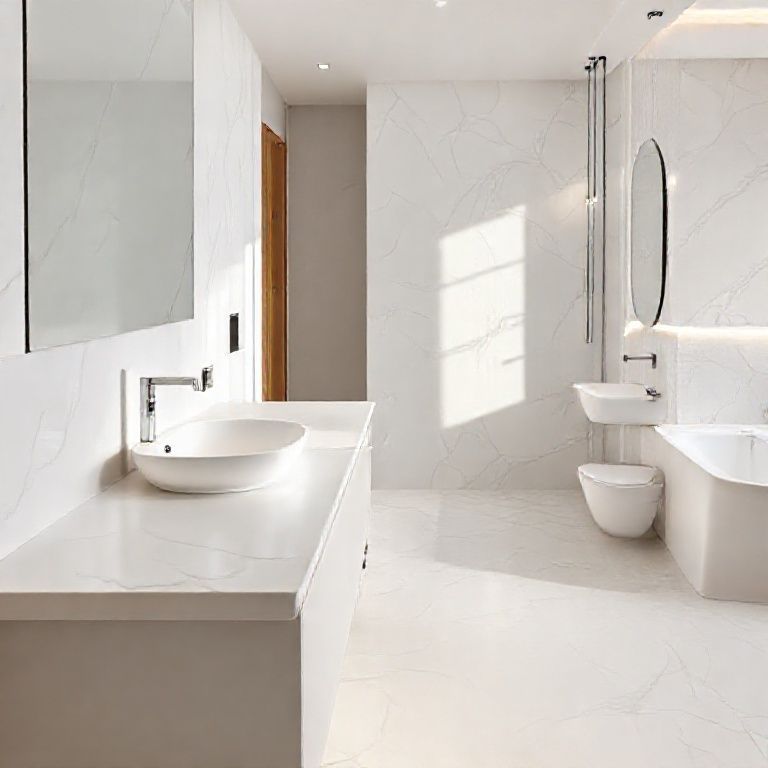
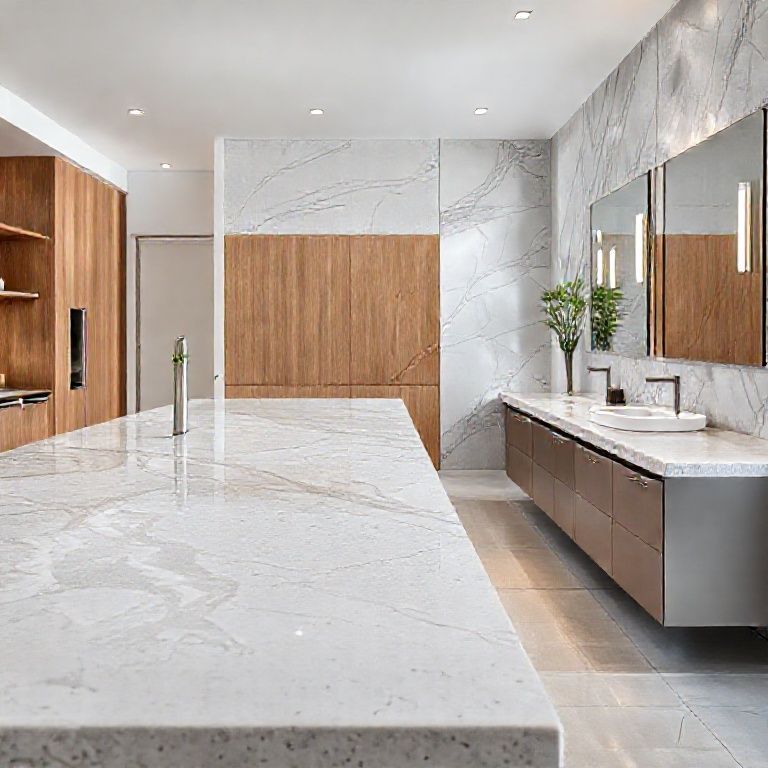
When it comes to selecting materials for home interior design, marble often stands out due to its striking beauty and timeless elegance. However, beneath this surface lies a variety of underlying issues that make it less than ideal for many spaces. In this first part of our exploration, we will discuss the hidden costs, maintenance challenges, and durability concerns that come with using marble in home design.
1. The High Upfront Cost
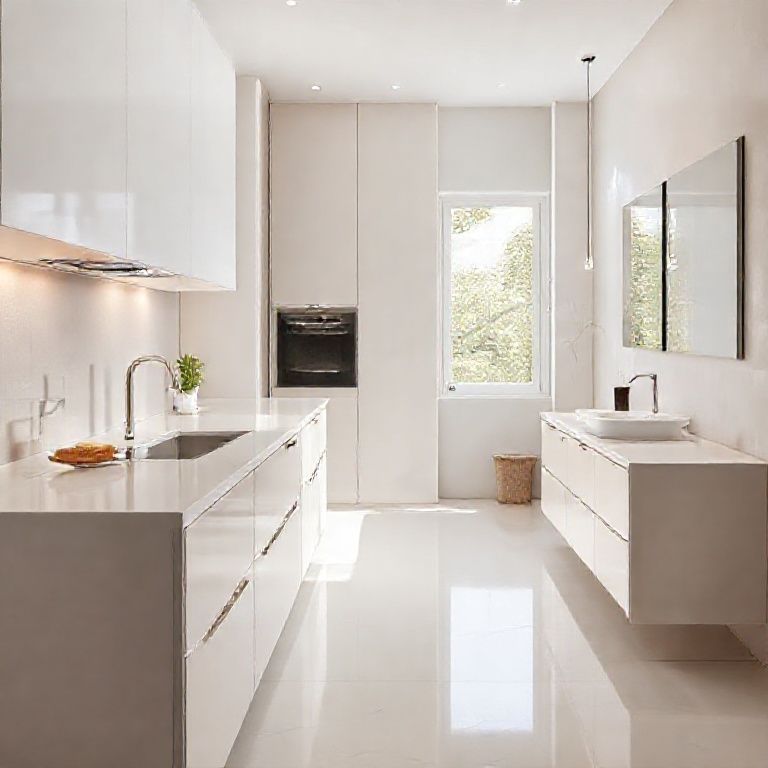
One of the primary reasons why marble is not recommended for home interior design is its high upfront cost. Marble is a luxury material, and as such, it carries a significant price tag. This is due to the expensive mining and processing required to extract and shape the stone. The cost is further inflated by the need for specialized labor to install marble, which requires a high level of skill and precision.
While the initial expense might seem justified by the stone’s aesthetic appeal, it is essential to consider the overall budget for your home renovation or new construction. Investing in marble might be a financial strain, especially when compared to more economical alternatives that still offer stunning visual effects.
2. Maintenance Requirements
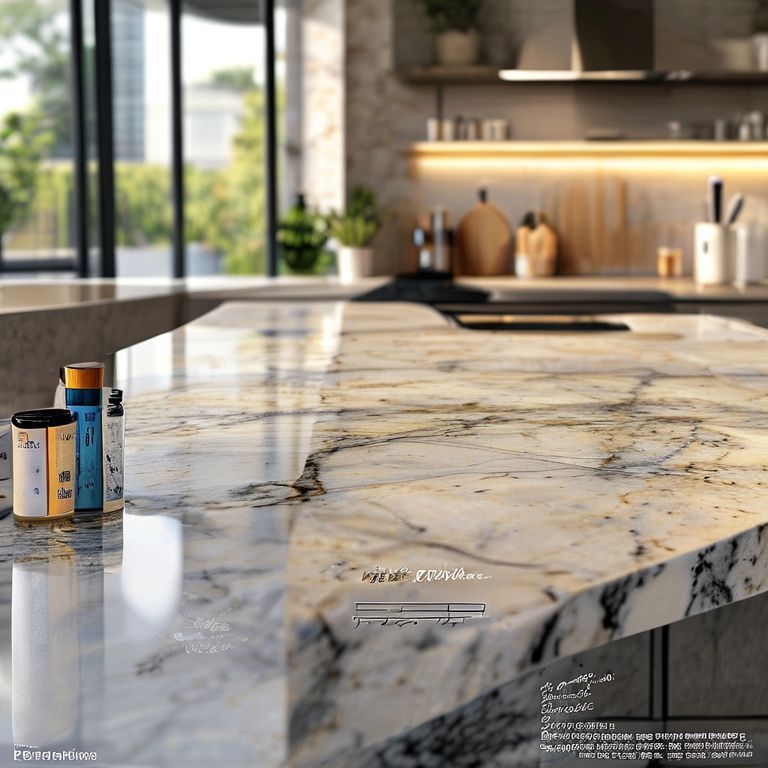
Marble is a beautiful, yet fragile material that demands meticulous care to maintain its pristine appearance. Unlike more durable materials like granite, marble is highly susceptible to scratches, stains, and etchings. This makes it a challenging material to maintain, especially in high-traffic areas like kitchens and bathrooms.
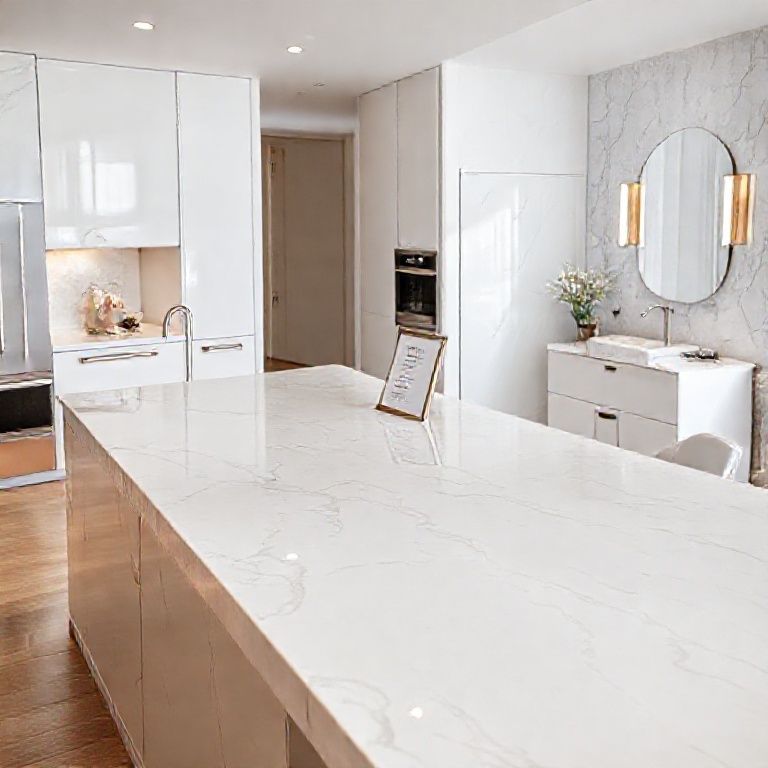
To keep marble looking its best, regular cleaning with a pH-neutral cleaner is necessary to prevent acid etching from common household cleaners. Additionally, spills should be wiped up immediately to avoid staining. Over time, even with diligent care, marble can develop a dull, dingy appearance, necessitating professional re-sealing and polishing. These maintenance tasks can add to the overall cost and effort required to keep marble in good condition.
3. Durability Concerns
Marble’s natural composition makes it less durable compared to other stone options. Unlike quartz or granite, which are made from tightly packed minerals, marble is composed of calcite, a more porous material. This porosity makes marble more susceptible to stains and etchings from acidic substances like lemon juice, vinegar, and coffee. Even a single spill can leave a permanent mark on marble, leading to a decrease in its aesthetic appeal over time.
Moreover, marble is naturally soft, ranking a 3 to 4 on the Mohs scale of mineral hardness. This softness means that marble can easily be scratched by everyday objects such as keys, jewelry, and even furniture legs. While high-grade marble can be treated to increase its hardness, the treatment process can be costly and may not fully address the material’s inherent vulnerability.
4. Environmental and Ethical Concerns
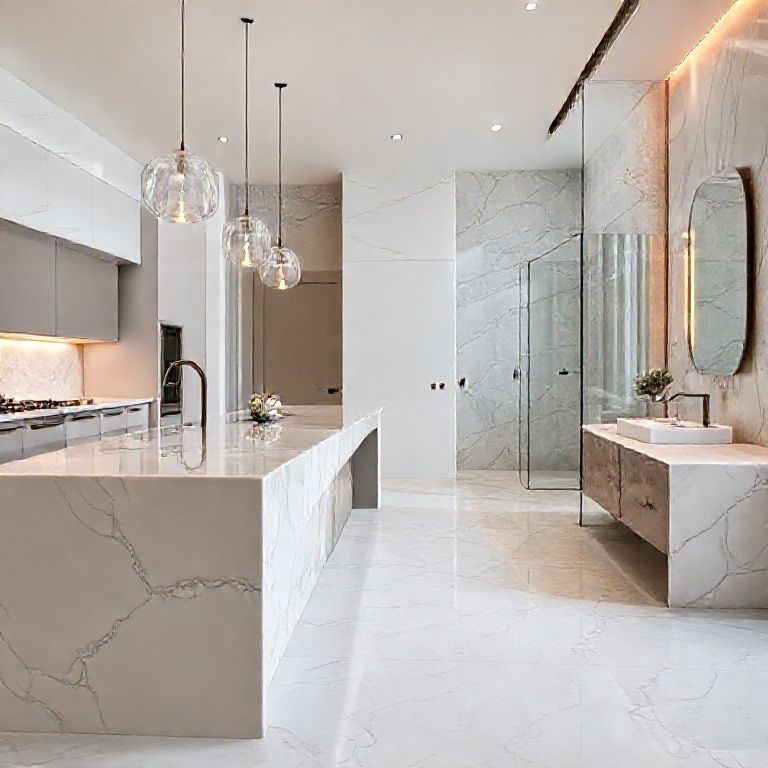
Another significant factor to consider is the environmental and ethical implications of using marble in home design. Marble mining can lead to substantial environmental degradation, including habitat destruction and increased carbon emissions. The transportation of marble from its source to the construction site also adds to its carbon footprint.
Furthermore, the ethical concerns surrounding the mining of marble are not to be ignored. Many marble quarries operate under questionable labor conditions, raising concerns about the treatment of workers and the sustainability of the mining practices. Choosing marble can inadvertently support these unethical practices, which is a consideration that many environmentally conscious consumers want to avoid.
Conclusion
While marble undeniably offers a luxurious and elegant touch to home interiors, its high upfront cost, demanding maintenance requirements, durability issues, and environmental and ethical concerns make it less than ideal for many spaces. In the next part of this guide, we will explore alternative materials that can provide similar aesthetic benefits without the accompanying drawbacks, offering a more practical and sustainable choice for home design.
Alternatives to Marble for Elegant and Practical Home Interiors
Having discussed the various downsides of using marble in home interior design, it’s time to turn our attention to more practical and sustainable alternatives that can offer similar aesthetic benefits without the associated drawbacks. In this second part, we will explore several alternative materials that can be used to achieve elegant and stylish home interiors while addressing the issues we highlighted in the first part.
1. Granite
Granite is often considered the closest alternative to marble in terms of aesthetics and durability. Composed of tightly packed minerals, granite is highly resistant to stains and scratches, making it a much more durable option. Unlike marble, granite does not have a porous surface, which means it is less prone to etching and staining from acidic substances. Additionally, granite is more affordable than marble, offering a cost-effective solution for those seeking a luxurious look without the high maintenance requirements.
Granite also comes in a wide range of colors and patterns, allowing for versatile design possibilities. Whether you’re looking for a sleek, modern kitchen countertop or a timeless, elegant bathroom vanity, granite can be tailored to fit your specific design needs.
2. Quartz
Quartz is another excellent alternative to marble, known for its durability and resistance to stains and scratches. Like granite, quartz is composed of tightly packed minerals, making it highly impervious to acidic substances. This means that quartz surfaces can withstand spills and stains without leaving permanent marks, reducing the need for frequent cleaning and maintenance.
Moreover, quartz offers a vast array of colors and finishes, providing designers with a versatile material that can complement various design styles. Quartz is also more affordable than marble, making it a practical choice for those seeking a luxurious look at a lower cost.
3. Engineered Stone
Engineered stone is a composite material made from natural stone powder and resin, offering a durable and stylish alternative to marble. Like granite and quartz, engineered stone is resistant to stains and scratches, making it a low-maintenance option for home interiors. Additionally, engineered stone can be crafted into various shapes and sizes, providing designers with a high degree of flexibility in terms of design and installation.
One of the key advantages of engineered stone is its cost-effectiveness. Since it is made from a combination of natural stone and resin, it is generally more affordable than marble, making it an attractive option for those looking to achieve a high-end look without the high price tag.
4. Ceramic and Porcelain Tiles
For areas like kitchens and bathrooms where durability is paramount, ceramic and porcelain tiles offer an excellent alternative to marble. These tiles are highly resistant to stains, scratches, and moisture, making them ideal for high-traffic areas. Unlike marble, ceramic and porcelain tiles do not absorb water, reducing the risk of water damage and mold growth.
Ceramic and porcelain tiles also come in a wide range of colors, patterns, and finishes, allowing designers to create visually stunning and cohesive interiors. Additionally, these tiles are generally more affordable than marble, making them a practical choice for budget-conscious homeowners.
5. Wood and Laminate
For those seeking a more organic and warm aesthetic, wood and laminate offer elegant alternatives to marble. Wood provides a natural, timeless look that can add warmth and character to any room. Laminate, on the other hand, offers a versatile and durable surface that can mimic the look of marble while being more resistant to scratches and stains.
Both wood and laminate are generally more affordable than marble, making them accessible options for those looking to achieve a luxurious look without the high cost. Additionally, these materials can be easily customized to fit various design styles, providing a high degree of flexibility for homeowners and designers.
Conclusion
While marble offers undeniable aesthetic appeal, its high upfront cost, demanding maintenance requirements, durability concerns, and environmental and ethical implications make it less than ideal for many home interiors. However, there are numerous alternatives available that can provide similar visual benefits without the associated drawbacks. From durable stone options like granite and quartz to practical and affordable materials like ceramic tiles and wood, there are plenty of choices that can help you create elegant and stylish interiors without compromising on practicality or sustainability.
By considering these alternatives, you can make more informed decisions for your home design, ensuring that your choices align with your budget, lifestyle, and values. Whether you’re renovating an existing space or designing a new home, exploring these alternatives can help you achieve a beautiful and functional interior that stands the test of time.