Corian Countertops vs Quartz Countertops: Durability and Aesthetics
When it comes to selecting the ideal countertop material for your kitchen or bathroom, the choices can seem endless. Among the most popular options are Corian and Quartz, each offering unique benefits and drawbacks. This first part focuses on durability and aesthetics, two crucial factors to consider when choosing your new countertop.
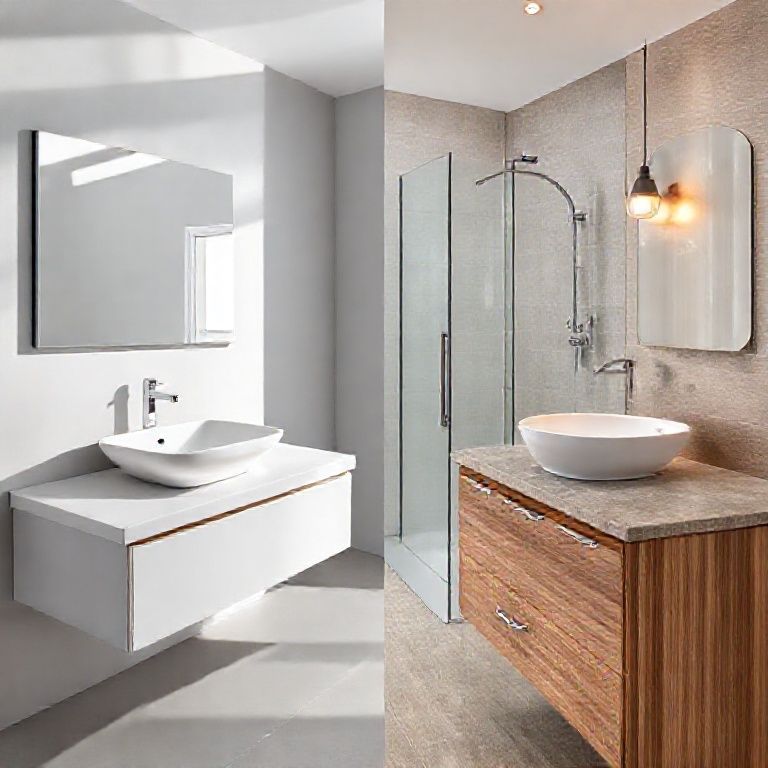
Corian Countertops: Durability
Corian, a material developed by DuPont, is a type of solid surface countertop made from a mixture of acrylic resin and other additives. It’s known for its exceptional durability and resistance to scratches, making it a top choice for high-traffic areas like kitchens. Here’s a deeper look at its durability:
Scratch Resistance: Corian countertops are highly scratch-resistant. Unlike natural stone, which can be easily marred by sharp objects, Corian maintains its pristine appearance even after years of heavy use.
Heat Resistance: Corian can withstand high temperatures, making it suitable for areas where pots and pans are frequently placed. It’s also resistant to most household cleaners, which means spills and stains can be easily wiped away without damaging the surface.
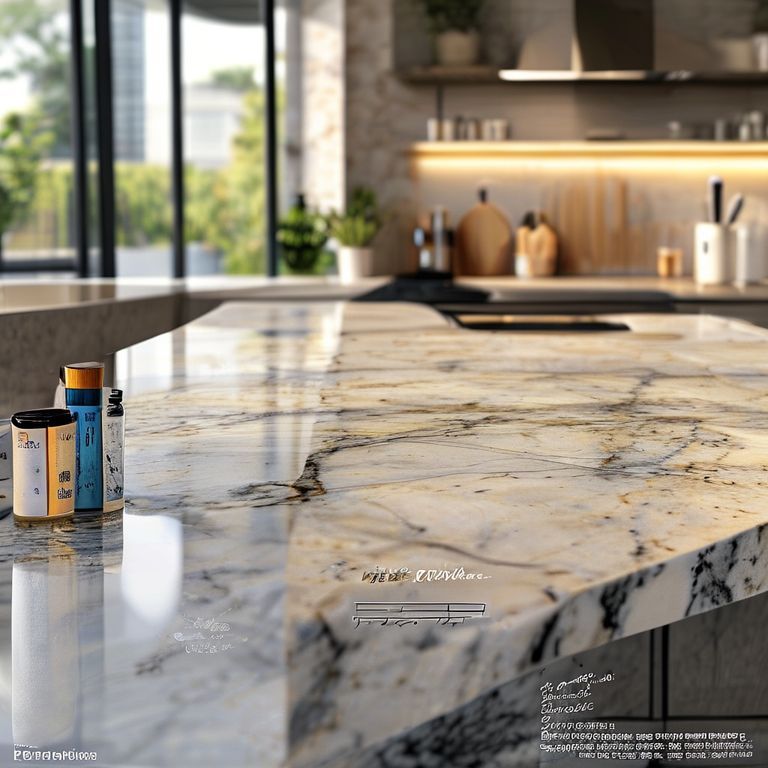
Aging and Weathering: Corian does not fade or degrade over time, unlike some natural materials. This means it will maintain its vibrant color and texture year after year.
Quartz Countertops: Durability
Quartz, a composite material made from 90% quartz stone and 10% resin, has become a favorite due to its impressive durability and unique aesthetic appeal. Here’s a closer look at its durability:
Scratch Resistance: Quartz is known for its high scratch resistance, thanks to the extensive compression process that integrates quartz particles into a solid matrix. This makes it a great choice for areas where kitchenware is often placed.
Heat Resistance: Quartz countertops can also handle high temperatures and are resistant to thermal shock. This makes them a durable option for both kitchen and bathroom use.
Aging and Weathering: Quartz does not fade or degrade over time, maintaining its color and appearance. Its natural stone base gives it a timeless look that resists the effects of weathering.
Aesthetics
Both Corian and Quartz offer stunning aesthetics, but they do so in different ways.
Corian Aesthetics
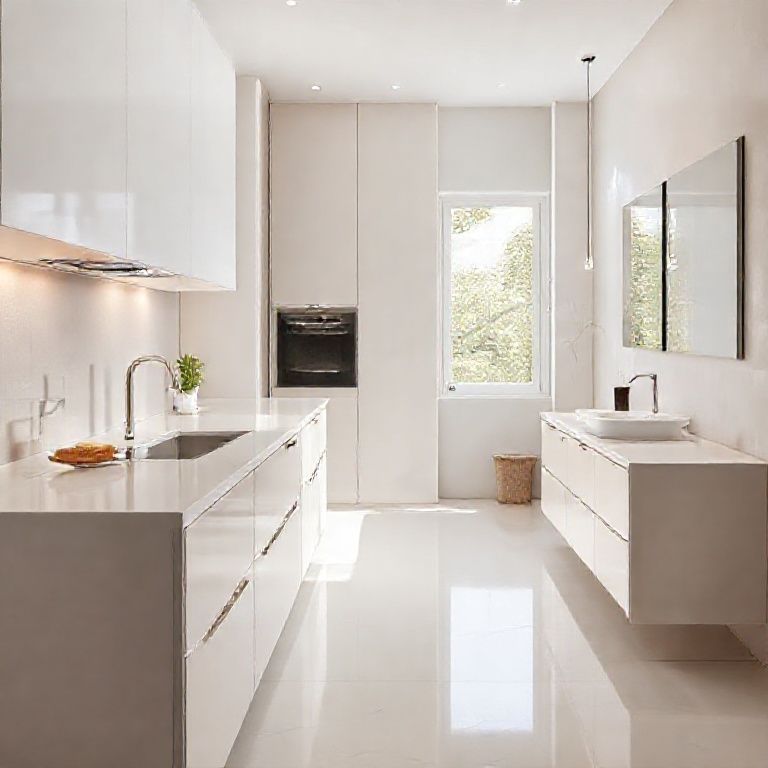
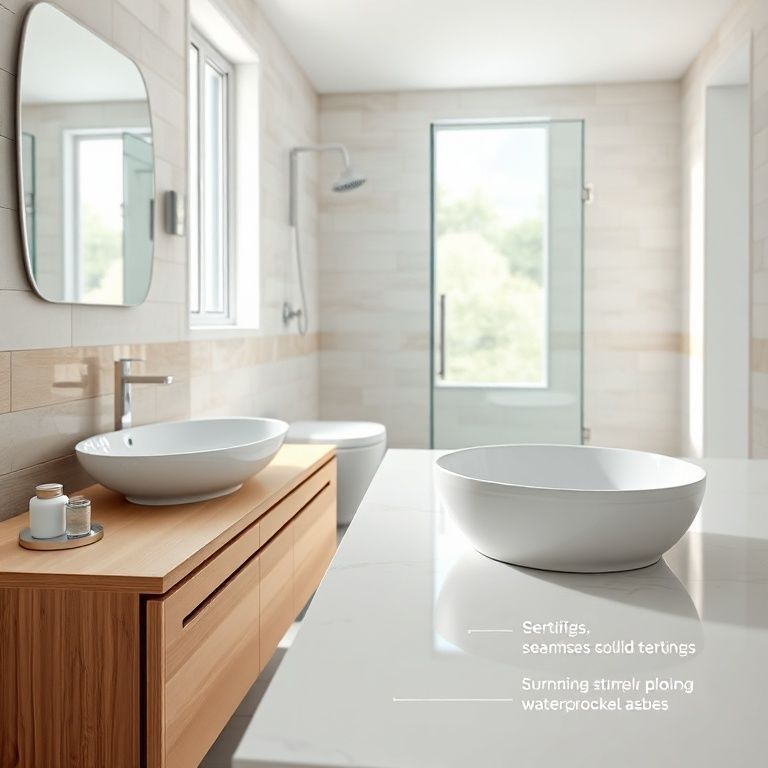
Color Variety: Corian is available in an extensive range of colors and finishes. It can mimic the look of various natural stones but with a sleek, modern finish. This flexibility allows homeowners to choose a color that perfectly matches their existing decor.
Custom Shapes and Patterns: Corian’s malleable nature means it can be cut into almost any shape, making it ideal for custom designs. You can have unique patterns and shapes that blend seamlessly into your space.
Quartz Aesthetics
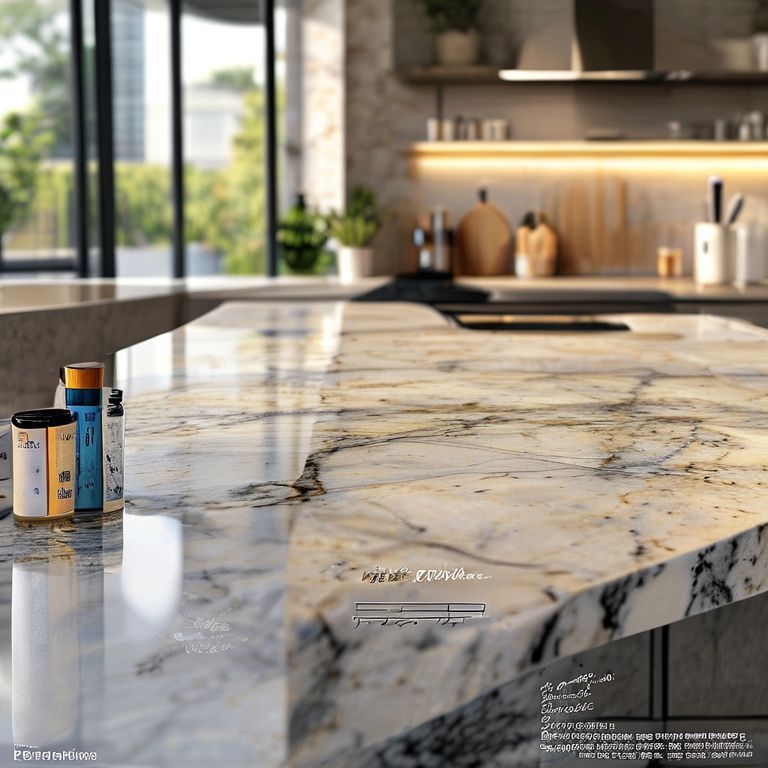
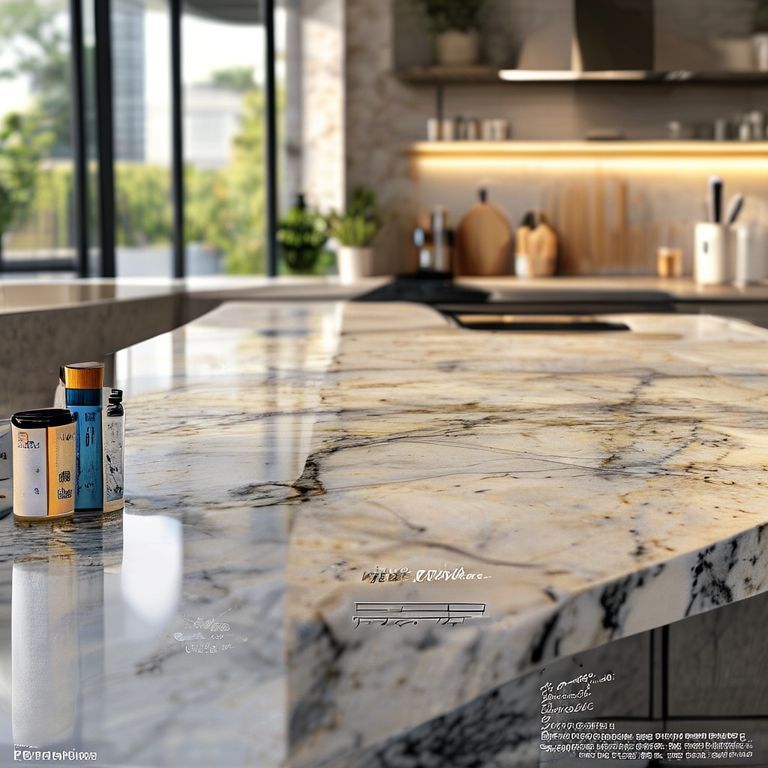
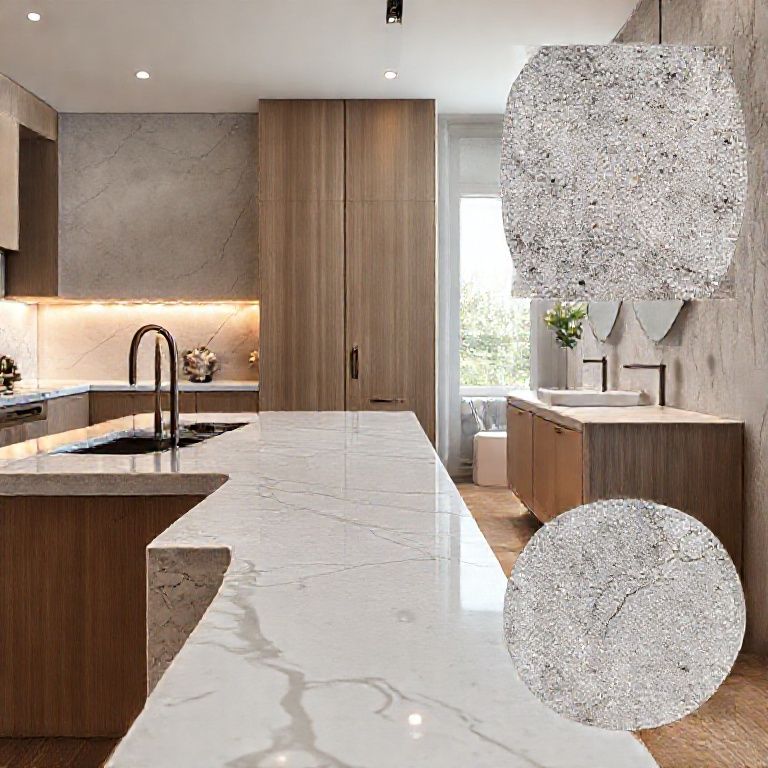
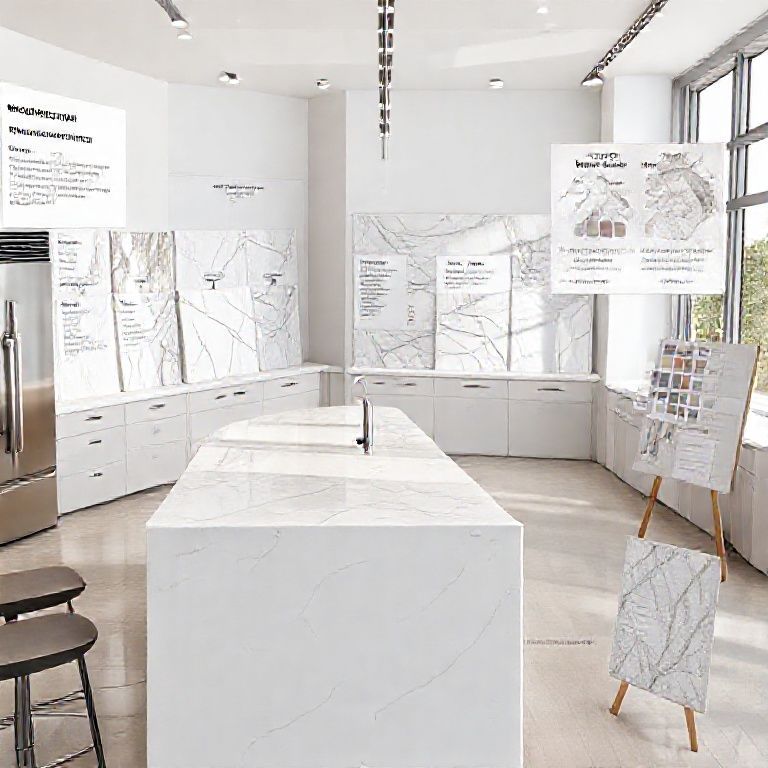
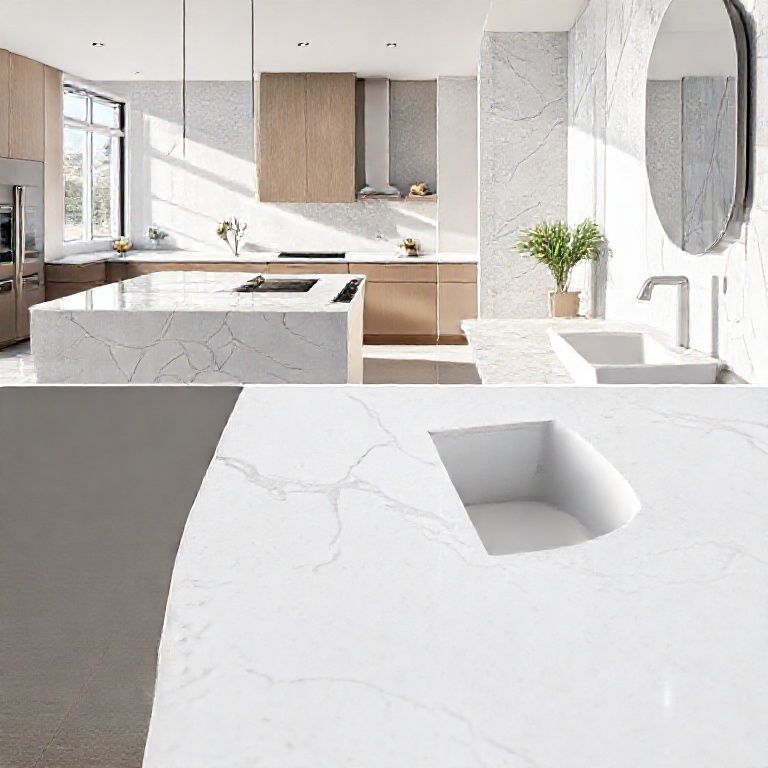
Natural Stone Look: Quartz’s aesthetic appeal lies in its natural stone look. It offers a unique, one-of-a-kind pattern in every slab due to the natural stone content. This gives each piece a distinct character and timeless appeal.
Variety of Colors and Patterns: Quartz is available in a wide range of colors and patterns, from the rich tones of black and gray to vibrant hues. This allows for a high degree of customization to fit any design preference.
Conclusion for Part 1
When comparing Corian and Quartz countertops, both materials offer impressive durability. Corian’s scratch and heat resistance, combined with its wide range of colors and customizable shapes, make it a versatile option for modern homes. On the other hand, Quartz’s high scratch and heat resistance, along with its natural stone appearance, provides a unique and timeless aesthetic appeal. The choice between Corian and Quartz largely depends on your specific needs, preferences, and the aesthetic vision you have for your kitchen or bathroom.
Stay tuned for the second part of our comparison, where we will delve into maintenance, cost, and installation considerations to help you make an informed decision.
Corian Countertops vs Quartz Countertops: Maintenance, Cost, and Installation
Having discussed the durability and aesthetics of Corian and Quartz countertops, it’s time to delve deeper into the practical aspects of these materials. This second part will explore maintenance, cost, and installation, providing a comprehensive comparison to help you make the best choice for your home.
Maintenance
Proper maintenance is key to ensuring the longevity and beauty of your countertops. Here’s a look at how Corian and Quartz stack up in this area.
Corian Maintenance
Cleaning: Corian countertops are relatively low-maintenance. They are easy to clean, requiring only a damp cloth and mild soap for routine cleaning. It’s important to avoid abrasive cleaners, as they can scratch the surface.
Stains and Spills: Corian’s resistance to most household cleaners means spills and stains can be easily wiped away. However, it’s best to clean up acidic spills immediately, as prolonged exposure can cause discoloration.
Damage Prevention: While Corian is scratch-resistant, it’s still best to avoid placing heavy objects directly on the surface. Using cutting boards, trivets, and other protective measures can help prevent minor scratches.
Quartz Maintenance
Cleaning: Quartz countertops are also easy to clean. A damp cloth and mild soap are sufficient for routine maintenance. It’s important to avoid using acidic or abrasive cleaners, as these can damage the surface.
Stains and Spills: Quartz is highly resistant to stains and spills, but acidic substances like lemon juice or vinegar can cause etching if left on the surface for too long. Immediate cleaning is recommended.
Damage Prevention: Quartz is scratch-resistant, but like any surface, it’s best to use trivets and cutting boards to avoid scratches from heavy objects. It’s also important to clean up spills promptly to prevent any potential damage.
Cost
The cost of countertops can vary widely based on factors such as material, design, and installation. Here’s a breakdown of the cost considerations for Corian and Quartz.
Corian Cost
Material Cost: Corian is generally priced in the mid to high range. Its cost can vary based on the color, finish, and design. Custom shapes and patterns can also add to the overall cost.
Installation Cost: The installation of Corian countertops is relatively straightforward. However, because of its material properties, it might require more precise cutting and fitting, which can slightly increase installation costs.
Quartz Cost
Material Cost: Quartz countertops are typically priced in the high range. The cost can vary based on the type of quartz (solid quartz vs. engineered quartz), color, and design. High-end quartz options can be significantly more expensive.
Installation Cost: Quartz installation can be more complex due to its hardness. Specialized tools and techniques might be required for cutting and fitting. This complexity can result in higher installation costs compared to other materials.
Installation
The installation process can vary based on the countertop material. Here’s a closer look at the installation for both Corian and Quartz.
Corian Installation
Preparation: Preparing for Corian installation involves ensuring the surface beneath the countertop is clean, level, and free of any obstructions. The countertop is then cut to size using a wet saw.
Adhesion: Corian is typically adhered to the surface using a specialized adhesive. It’s important to follow the manufacturer’s instructions for the best results.
Finishing: After installation, the edges of the countertop can be sealed or left unsealed, depending on the design preference. Regular maintenance ensures the edges remain smooth and clean.
Quartz Installation
Preparation: Preparing for Quartz installation also involves ensuring the surface beneath is clean, level, and free of any obstructions. Due to its hardness, Quartz requires precise cutting, often using specialized tools.
Adhesion: Quartz countertops are also adhered using a specialized adhesive. The installation process can be more labor-intensive due to the need for precision in cutting and fitting.
Finishing: After installation, Quartz countertops can be sealed to protect against stains and spills. Regular maintenance is essential to keep the surface looking its best.
Conclusion for Part 2
When it comes to maintenance, both Corian and Quartz countertops are relatively low-maintenance, requiring only routine cleaning with当然,我会继续扩展和完善这篇关于可丽耐和石英石厨卫台面的对比文章。
总结与最终决策
在选择厨房和浴室台面材料时,可丽耐(Corian)和石英石(Quartz)都是极具竞争力的选择。每种材料都有其独特的优点和缺点,因此,最终的选择取决于你的具体需求和偏好。
综合比较
耐用性:两者都表现出色。可丽耐以其优异的耐刮擦和耐热性著称,而石英石则以其高度耐刮擦和耐热性赢得了广泛的认可。
美观性:可丽耐提供了广泛的颜色和设计选择,适合现代和经典风格的家装。石英石则以其独特的天然石材纹理和丰富的颜色选择,适合寻求自然、高端风格的用户。
维护:两者都比较容易清洁,但石英石由于其表面硬度更高,可能对一些特殊的清洁剂有一定的敏感度。可丽耐则相对更耐用,不过在处理酸性物质时需要更加小心。
成本:总体而言,石英石的材料成本和安装费用通常高于可丽耐,但它的耐用性和美观性使其在高端市场中具有竞争力。可丽耐则提供了一种性价比较高的选择。
安装:两者都需要专业安装,但石英石由于其硬度,安装过程可能更复杂,需要更多的技术和工具。可丽耐相对较易安装,但也需要精细的切割和贴合。
最终建议
如果你追求高端、自然的美观,并且预算充足:石英石会是一个极佳的选择。它的天然石材纹理和多样颜色可以为你的空间增添独特的魅力,且其耐用性和现代设计使其成为高端市场的热门选择。
如果你更看重性价比和易维护性:可丽耐是一个更好的选择。它的广泛颜色选择和现代设计风格,使其适合各种装修风格。其易于清洁和维护的特性,使其成为一种经济实惠且低维护的选择。
无论你最终选择哪种材料,都要记得选择一个有资质的专业人员进行安装,以确保最佳的耐用性和美观性。希望这篇文章能帮助你做出更明智的选择!