What to Do When Artificial Marble Gets Stained: A Comprehensive Guide
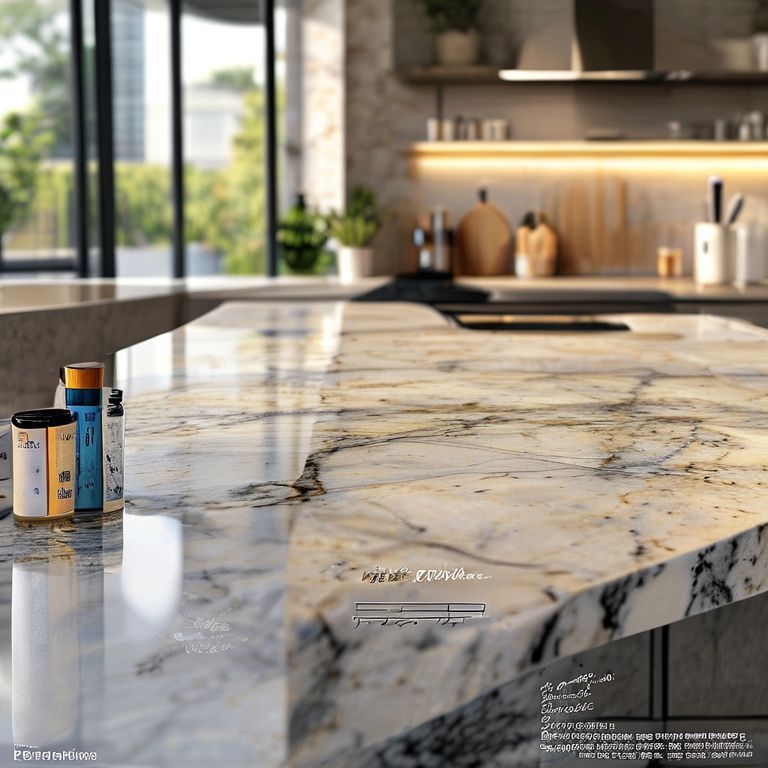
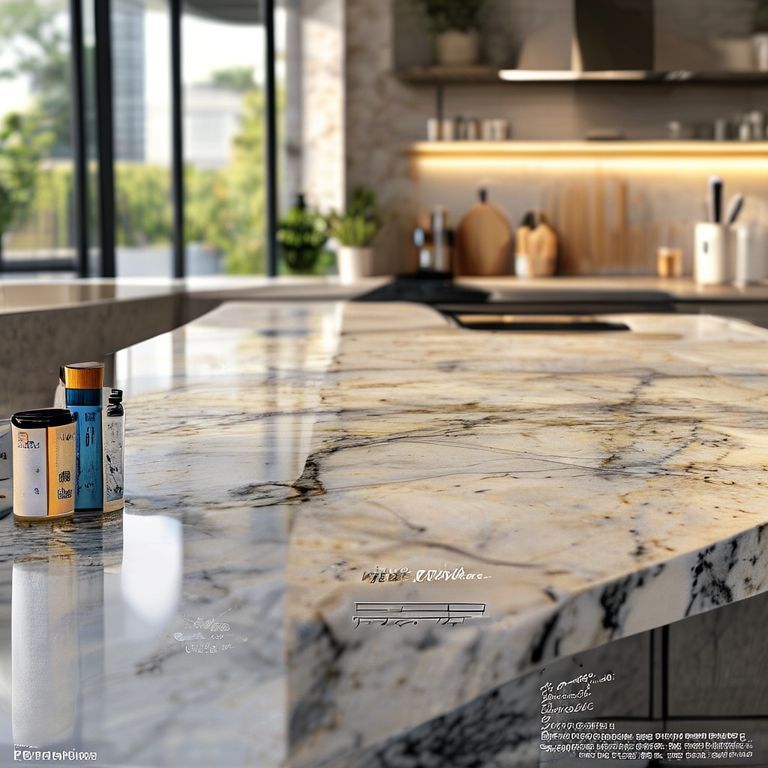
Artificial marble, known for its durability and aesthetic appeal, is a popular choice for countertops, sinks, and other surfaces. However, like any material, it is susceptible to stains. Whether from food, beverages, or everyday use, stains can mar the beauty of your artificial marble surfaces. In this first part of our guide, we will explore the causes of stains, the basic cleaning methods, and preventive measures to keep your artificial marble looking pristine.
Understanding Stain Causes
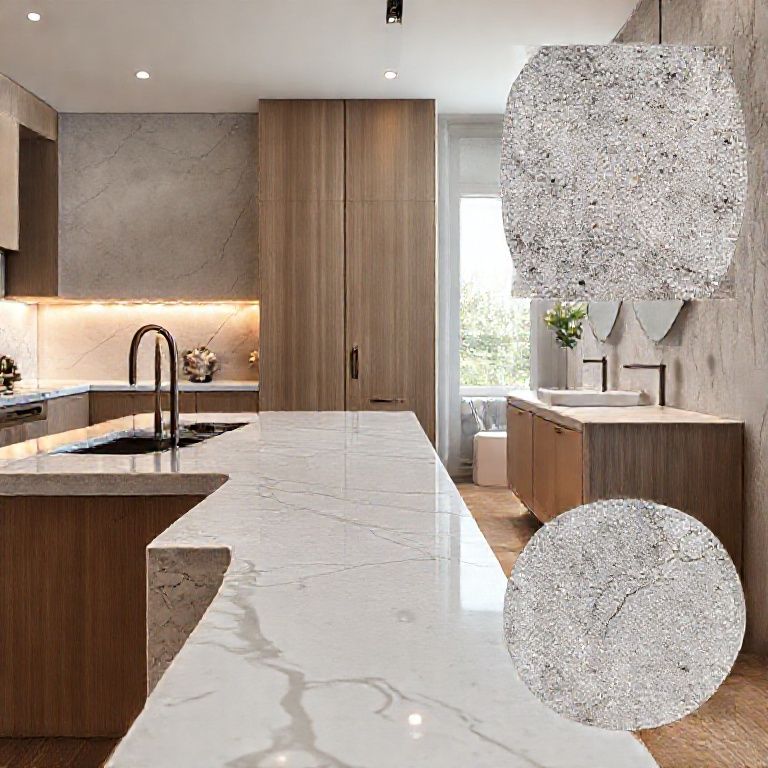
Before diving into cleaning methods, it’s essential to understand what causes stains on artificial marble. Unlike natural marble, artificial marble is made from a composite of resin, minerals, and pigments. Despite its strength, it can still get stained by:
Food and Beverages: Coffee, tea, wine, and juices can leave dark stains. Daily Use: Oils from cooking and water from cleaning can create spots over time. Acidic Products: Vinegar, citrus-based cleaners, and other acidic substances can degrade the surface.
Basic Cleaning Methods
To maintain the beauty of your artificial marble, regular cleaning is crucial. Here are some basic cleaning methods:
Daily Cleaning: Use a mild, non-abrasive cleaner and a soft cloth to wipe down your artificial marble surfaces daily. Avoid using acidic or harsh chemicals as they can damage the surface.
Deep Cleaning: For tougher stains, create a cleaning solution using equal parts water and white vinegar. Apply it with a soft cloth, let it sit for a few minutes, and then wipe it clean with a damp cloth.
Removing Fresh Stains: For spills and fresh stains, act quickly. Blot the spill with a clean, dry cloth to absorb as much as possible, then use a mild soap and water solution to clean the area.

Preventive Measures
Prevention is always better than cure. Here are some tips to prevent stains on artificial marble:
Use Coasters and Trivets: Protect your artificial marble from heat and spills by using coasters, trivets, and placemats. Immediate Cleanup: Clean up spills immediately to prevent stains from setting in. Avoid Abrasive Cleaners: Use non-abrasive cleaners to avoid scratching the surface. Regular Maintenance: Regularly clean and maintain your artificial marble surfaces to prevent the buildup of stains.
DIY Stain Removal Techniques
For those stains that just won’t budge, here are some DIY stain removal techniques:
Baking Soda Paste: Mix baking soda with water to create a paste. Apply it to the stained area, let it sit for about an hour, and then scrub gently with a soft cloth. Rinse with water and dry thoroughly.
Toothpaste: Non-gel toothpaste can be used to remove minor stains. Apply a small amount to the stain, let it sit for a few minutes, then scrub gently with a soft cloth. Rinse with water.
Hydrogen Peroxide: For stubborn stains, apply a small amount of hydrogen peroxide directly to the stain. Let it sit for a few minutes, then wipe it clean with a damp cloth. Rinse and dry the surface.
Professional Cleaning Services
While DIY methods are effective for many stains, some might require professional help. Hiring a professional cleaning service ensures that your artificial marble is cleaned thoroughly without damaging the surface. Professionals have access to specialized cleaning solutions and equipment that are not available to the average consumer.
What to Do When Artificial Marble Gets Stained: Advanced Techniques and Long-Term Care
In the second part of our comprehensive guide, we will delve deeper into advanced stain removal techniques and discuss long-term care strategies to keep your artificial marble surfaces in top condition. From advanced cleaning methods to protective coatings, this part will provide detailed insights to help you maintain the beauty and longevity of your artificial marble.
Advanced Stain Removal Techniques
While basic cleaning methods are effective for many stains, some might require more advanced techniques. Here are some advanced methods to consider:
Chemical Cleaners: For tough stains, specialized chemical cleaners designed for artificial marble can be effective. Always follow the manufacturer’s instructions and use these sparingly to avoid damaging the surface.
Ultrasonic Cleaning: Ultrasonic cleaners use high-frequency sound waves to remove stains from artificial marble. This method is highly effective for deep-seated stains but should be performed by professionals to avoid damage.
Professional Stone Polishing: In cases of severe staining or dullness, professional stone polishing services can restore the shine and luster of your artificial marble. These services use specialized equipment and techniques to polish and rejuvenate the surface.
Protective Coatings
To prevent future stains and protect your artificial marble, consider applying a protective coating. These coatings form a barrier that repels stains and makes cleaning easier. Here’s how to use them:
Marble Sealant: Apply a marble sealant according to the manufacturer’s instructions. This will create a protective layer that helps to prevent stains and scratches.
Furniture Wax: For an additional layer of protection, a thin layer of furniture wax can be applied. This will not only protect against stains but also add a glossy finish.
Regular Maintenance: Regularly re-apply the protective coating to maintain its effectiveness. Follow the manufacturer’s recommendations for how often to reapply the coating.
Long-Term Care Strategies
To ensure your artificial marble remains beautiful and stain-resistant, follow these long-term care strategies:
Regular Cleaning: Maintain a regular cleaning schedule to prevent the buildup of stains. Use a mild, non-abrasive cleaner and a soft cloth to clean your surfaces weekly.
Spot Cleaning: Address spills and stains immediately to prevent them from setting in. Use a damp cloth with a mild soap and water solution to clean the affected area.
Avoid Harsh Chemicals: Limit the use of harsh chemicals and abrasive cleaners that can damage the surface of your artificial marble. When cleaning, opt for mild, non-abrasive solutions.
Protective Accessories: Use protective accessories like coasters, trivets, and placemats to shield your artificial marble from spills and heat.
Professional Inspections: Periodically have your artificial marble surfaces inspected by professionals. They can identify and address any potential issues before they become serious problems.
Addressing Specific Stains
Different stains may require different approaches. Here’s how to tackle some specific types of stains:
Oil Stains: Oil-based spills can be particularly stubborn. Use a mixture of baking soda and water to create a paste. Apply it to the stain, let it sit for an hour, then scrub gently and rinse.
Water Spots: Water spots can be removed using a solution of equal parts water and vinegar. Apply it to the spot, let it sit for a few minutes, then wipe clean with a damp cloth.
Ink Stains: For ink stains, use a mixture of hydrogen peroxide and baking soda to create a paste. Apply it to the stain, let it sit for an hour, then scrub gently and rinse.
Grease Stains: To remove grease stains, use a commercial cleaner designed for artificial marble or create a paste with baking soda and water. Apply it to the stain, let it sit for an hour, then scrub gently and rinse.
Conclusion
Stains on artificial marble can be a concern, but with the right knowledge and techniques, you can keep your surfaces looking pristine and radiant. From basic cleaning methods to advanced stain removal techniques, and long-term care strategies, this guide provides comprehensive insights to help you maintain your artificial marble. By following these tips and using the right products, you can ensure that your artificial marble remains beautiful and durable for years to come.
Remember, prevention is key, so act quickly to clean up spills and stains, and use protective measures to prevent future issues. With regular maintenance and proper care, your artificial marble will continue to enhance the beauty of your home or workspace.