The Wonders of Baking Soda: An Introduction
In the realm of household cleaning, few substances pack as much punch as baking soda. This humble, white powder has been a household staple for centuries, thanks to its versatile and powerful cleaning abilities. From scrubbing pots and pans to deodorizing refrigerators, baking soda is a go-to for many cleaning tasks. But what about those tricky stains on marble surfaces? Can baking soda truly live up to its reputation, or is it just another myth in the sea of cleaning products?
Understanding Baking Soda
Baking soda, or sodium bicarbonate, is a fine, crystalline powder that has numerous uses beyond baking. Its primary cleaning power stems from its alkaline nature. This means it can neutralize acids, making it effective in breaking down grease, grime, and even certain types of stains. Its mild abrasiveness allows it to scrub away surface dirt without scratching or damaging less resilient materials.
The Composition of Marble
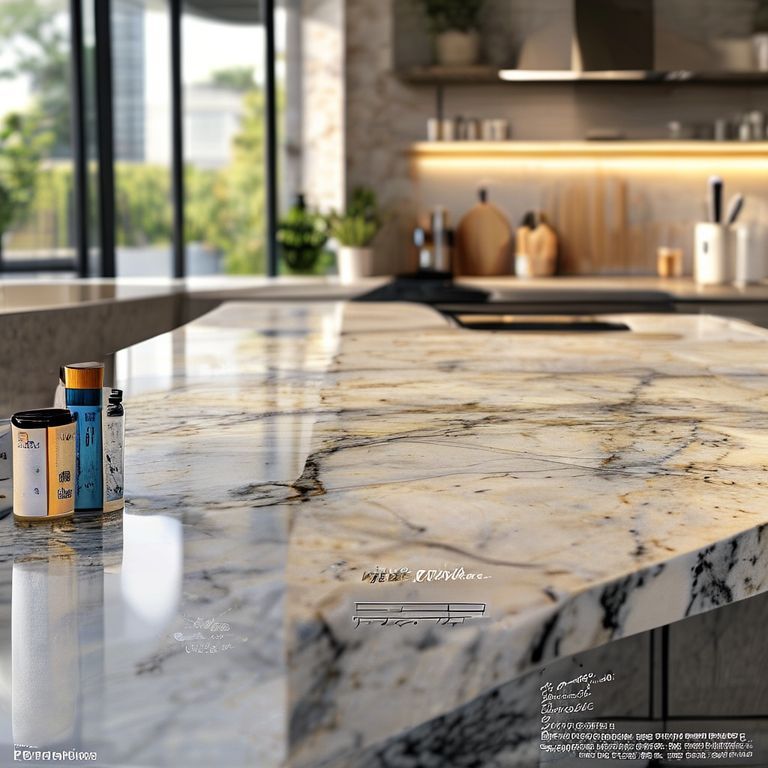
To understand if baking soda can effectively clean marble, it’s essential to know what marble is made of. Marble is a metamorphic rock composed mainly of calcium carbonate (CaCO₃). Its beauty lies in its crystalline structure, which can be found in a variety of colors and patterns. However, this same structure makes marble susceptible to acid etching, where acidic substances can dissolve the calcium carbonate, leading to unsightly stains and etching on the surface.
Why Traditional Cleaning Agents Might Not Be Ideal
Traditional cleaning agents often contain harsh chemicals, like phosphoric acid, which are effective in removing stains but can also damage the marble’s surface. These chemicals can cause micro-cracks and dull the stone’s natural luster. The search for a safer, more natural alternative has led many to turn to baking soda, which promises both effectiveness and safety.
Baking Soda’s Interaction with Marble
Baking soda’s alkaline nature could theoretically make it an effective cleaner for marble. However, its interaction with the calcium carbonate in marble is complex. Baking soda, when mixed with water, forms a mildly alkaline solution. In theory, this solution could neutralize acidic stains without causing significant damage to the marble. Yet, the abrasive nature of baking soda means it could also potentially scratch the marble’s surface if not used carefully.
Preliminary Experiments and Observations
Several anecdotal reports suggest that baking soda can effectively clean marble. These include using a baking soda paste to scrub away coffee stains, ink spills, and even lipstick marks. Many users report success without any noticeable damage to the marble surface. However, these observations are often based on small-scale, informal tests rather than scientific studies.
Safety First: Testing Baking Soda on Marble
To truly determine the effectiveness and safety of baking soda on marble, a more controlled experiment is necessary. This involves applying baking soda to different types of marble stains and observing the results over time. One approach could involve using a baking soda paste (combining baking soda with water) and applying it to areas with varying stains. After allowing the paste to sit for a period, it is then scrubbed gently and the results are evaluated.
The Verdict: Is Baking Soda a Safe Cleaner for Marble?
While baking soda shows promise as a natural and effective cleaning agent, its suitability for marble requires careful consideration. The mild abrasiveness of baking soda could theoretically cause scratches if used improperly. To mitigate this risk, it’s essential to use baking soda sparingly and to test its effect on a small, inconspicuous area first. If no damage is observed, it may be safe to proceed with larger areas.
Conclusion of Part 1
Baking soda’s potential as a marble cleaner is intriguing, with many users reporting positive results. However, its effectiveness and safety depend heavily on proper application and caution. While baking soda may not be a one-size-fits-all solution, it offers a promising, natural alternative for those looking to avoid harsh chemicals. In the next part of this article, we will delve deeper into the practical applications, step-by-step cleaning methods, and expert recommendations for using baking soda on marble surfaces.
Practical Applications and Expert Recommendations
Step-by-Step Guide to Cleaning Marble with Baking Soda
Now that we’ve explored the science behind baking soda and its interaction with marble, it’s time to dive into the practical applications. This part will provide a detailed, step-by-step guide to safely and effectively use baking soda to clean marble surfaces, ensuring both cleanliness and preservation of the marble’s natural beauty.
Materials Needed
Baking soda Water Soft cloth or sponge Toothbrush (optional) Vinegar (for tougher stains) Lemon juice (optional, for deodorizing)
Step 1: Preparing the Baking Soda Paste
The first step in using baking soda to clean marble is to create a paste. This involves mixing baking soda with water to form a thick, spreadable consistency. For general cleaning, a ratio of two parts baking soda to one part water works well. Adjust the ratio depending on the consistency you need.
Step 2: Testing on a Small Area
Before applying the paste to larger areas, it’s crucial to test its effect on a small, inconspicuous area of the marble. This will help ensure that the baking soda does not cause any damage or discoloration. Gently rub the paste onto the test area and let it sit for a few minutes before wiping it clean. Check for any adverse reactions.
Step 3: Applying the Paste to Stained Areas
Once you’ve confirmed that the baking soda paste is safe for your marble, you can proceed to the stained areas. Apply the paste to the stain using a soft cloth or sponge. For tougher stains, you may want to use a toothbrush to gently scrub the area. Be sure to apply gentle pressure to avoid scratching the marble.
Step 4: Letting the Paste Sit
Allow the baking soda paste to sit on the stain for several minutes. This gives the baking soda time to break down the stain and lift the dirt. For particularly stubborn stains, you may need to let the paste sit for a longer period, up to an hour.
Step 5: Cleaning and Rinsing
After the paste has had time to work, gently wipe away the paste using a soft cloth or sponge. If necessary, rinse the area with water to remove any remaining baking soda. For best results, use cool or lukewarm water to avoid heat damage to the marble.
Step 6: Drying the Marble Surface
Once the cleaning is complete, dry the marble surface thoroughly with a clean, soft cloth. This helps prevent water spots and ensures that the marble remains shiny and clean.
Combining Baking Soda with Vinegar and Lemon Juice
For tougher stains, you can combine baking soda with vinegar or lemon juice to enhance its cleaning power. Vinegar, in particular, has natural acidic properties that can help break down tough stains. To use this method, create a baking soda paste and mix in a small amount of vinegar or lemon juice. Apply the paste to the stain and let it sit for a few minutes before scrubbing gently.
Expert Recommendations
When it comes to cleaning marble, experts generally recommend the following practices to ensure the longevity and beauty of the marble surfaces:
Regular Cleaning: Regularly clean marble surfaces with a mild, pH-neutral cleaner to prevent buildup of grime and stains. Baking soda can be used for this purpose, but it’s essential to avoid overuse.
Avoiding Acidic Foods: Place coasters under drinks containing acidic substances like lemon juice, vinegar, or soda to prevent etching and staining.
Immediate Cleaning of Spills: Clean up spills immediately to prevent stains from setting into the marble. Baking soda can be an effective, immediate cleaning solution for minor spills.
Sealing the Marble: Consider sealing your marble surfaces to create a protective barrier against stains and etching. This can be done using specialized marble sealants available at most hardware stores.
Conclusion of Part 2
Using baking soda to clean marble surfaces offers a natural and effective alternative to traditional cleaning agents, provided it is used with care and caution. By following the step-by-step guide and adhering to expert recommendations, you can effectively clean your marble while preserving its natural beauty and integrity. Remember, the key is to test first, use sparingly, and maintain regular cleaning habits to keep your marble in top condition. With these tips and tricks, your marble surfaces will shine as beautifully as ever.
Baking soda’s versatility and effectiveness make it a worthy contender in the realm of marble cleaning. While it’s essential to approach its use with caution, the potential benefits are undeniable. With the right approach, you can achieve a sparkling clean marble surface that enhances the beauty of your home without compromising its integrity.