Unveiling the Natural Marvel – The Safety of Marble
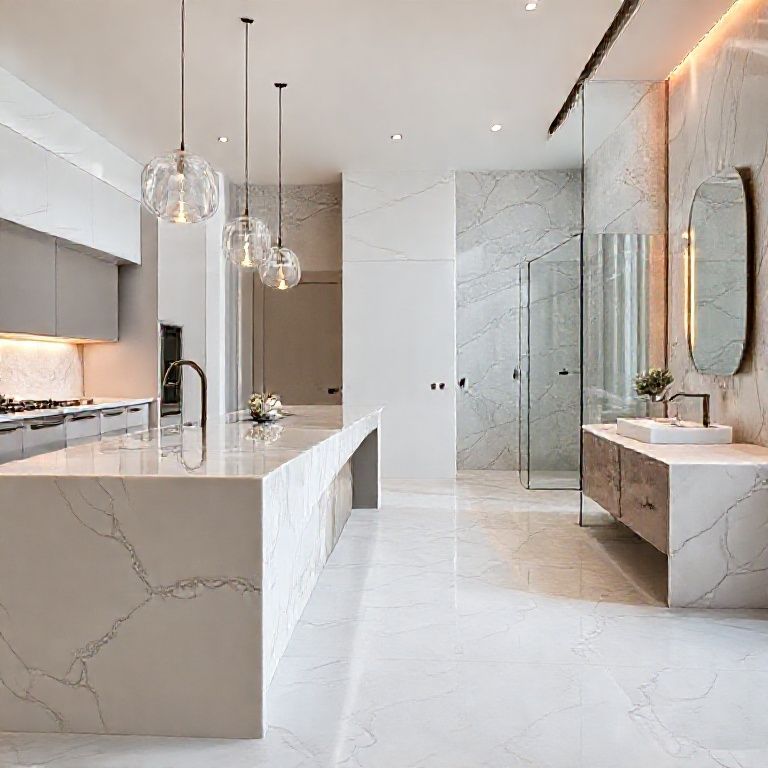
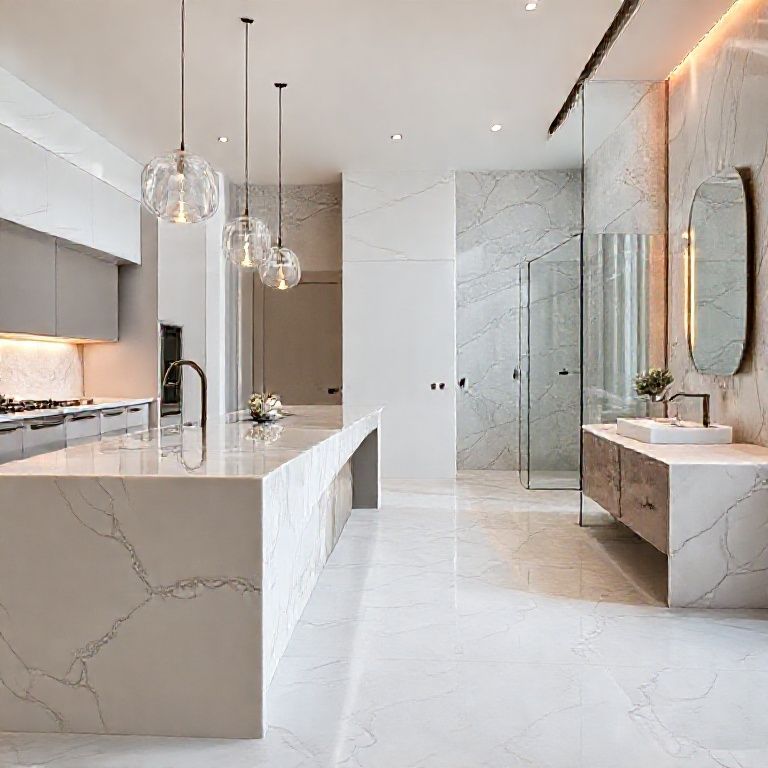
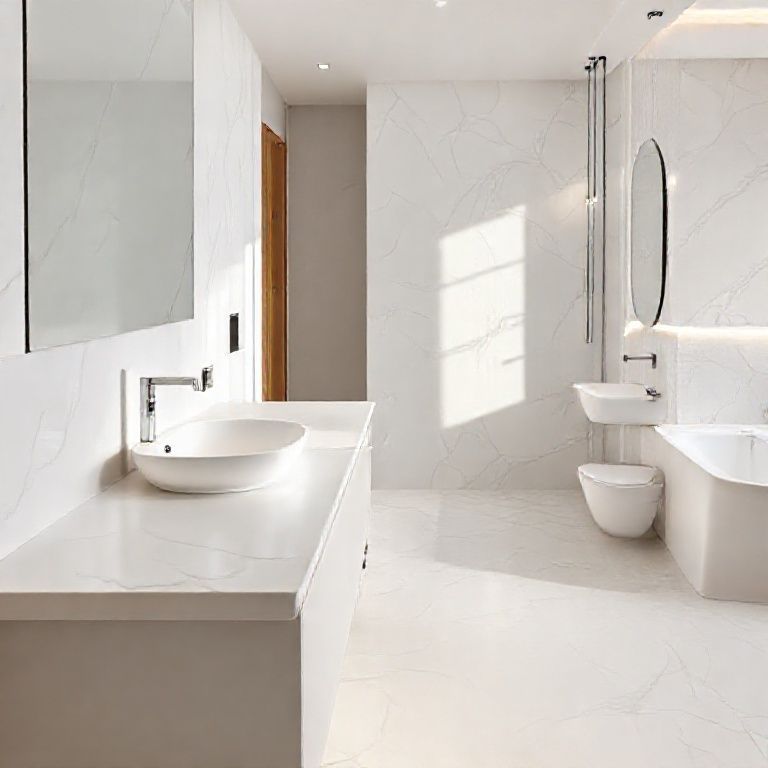
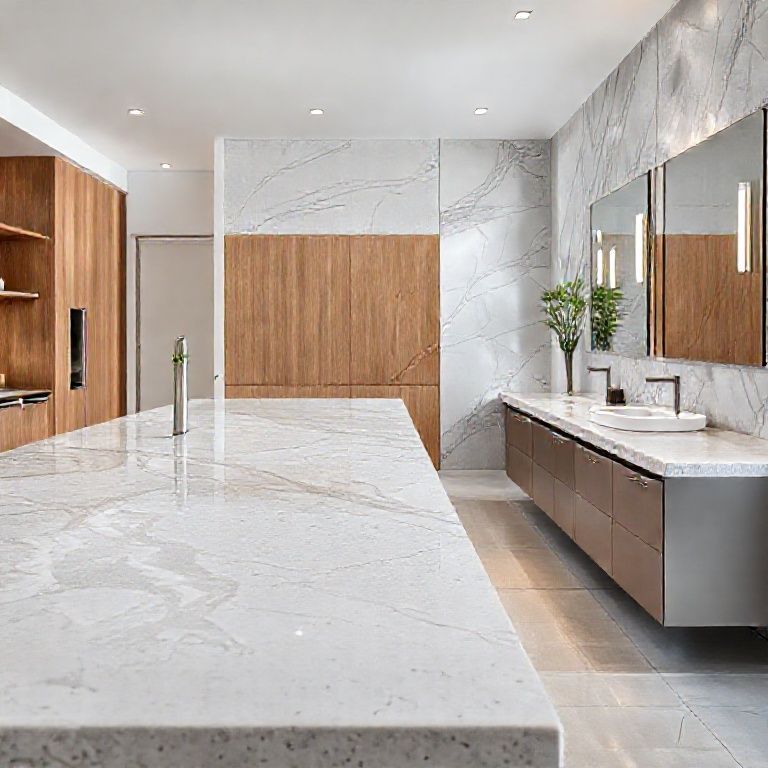
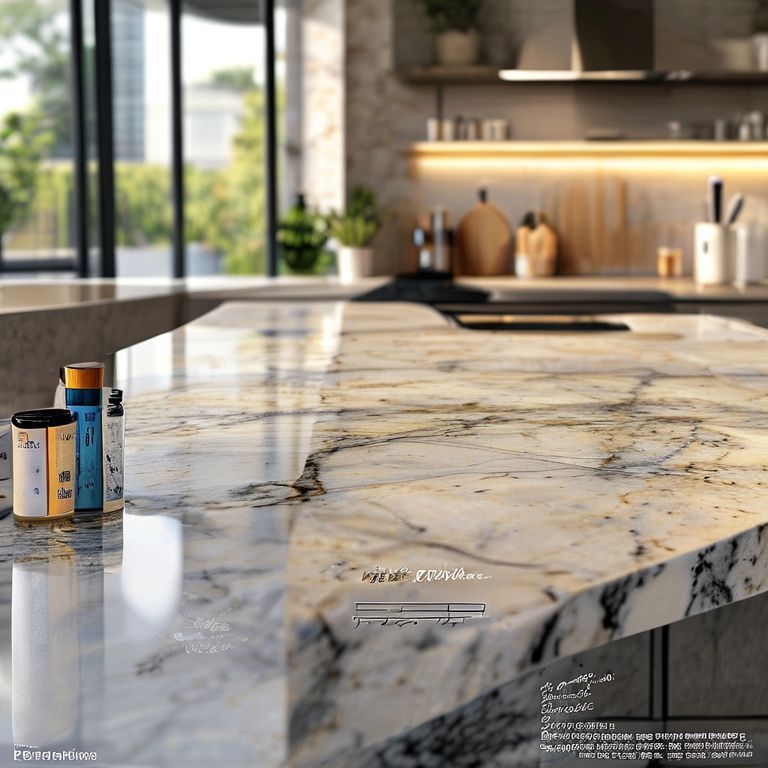
In the realm of interior design and luxury living, natural marble stands out as a timeless, elegant material. Its timeless appeal has made it a favorite for countertops, flooring, and decorative elements in homes and public spaces. However, with the increasing focus on health and environmental concerns, questions arise about whether natural marble has any potential health risks, particularly concerning radiation and formaldehyde.
Understanding Natural Marble
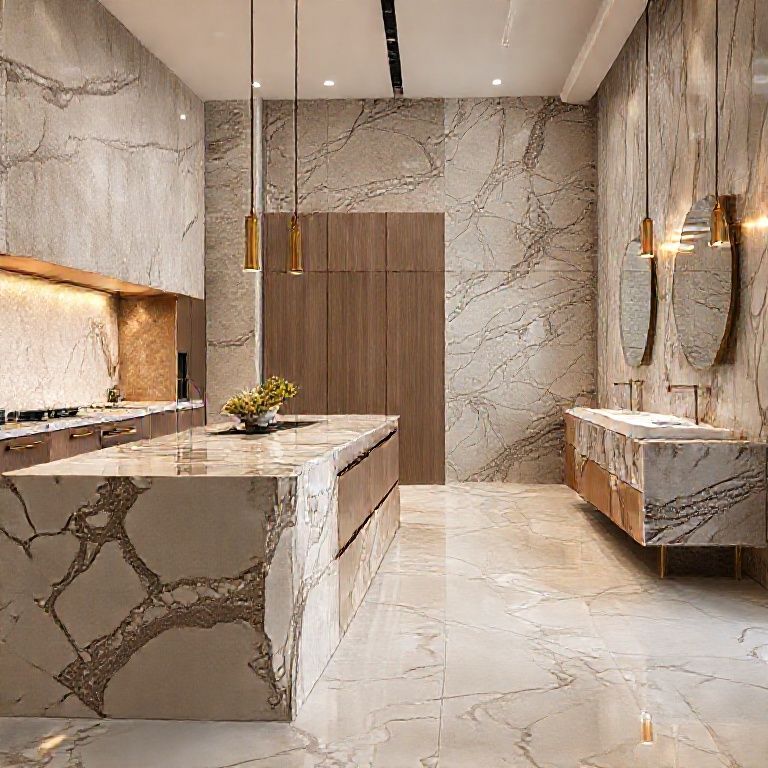
Marble is a metamorphic rock formed from limestone through a process of intense pressure and heat. This transformation results in a stunning array of colors and patterns, making it a highly sought-after material for both residential and commercial spaces. Unlike synthetic materials, natural marble is a natural stone, which means it does not involve any chemical processes during its formation or processing.
Radiation Concerns
One of the primary concerns regarding natural marble is the potential for radiation. Unlike man-made materials, natural stone, including marble, contains trace amounts of naturally occurring radioactive materials (NORM). These materials include uranium, thorium, and potassium, which emit radiation in the form of alpha, beta, and gamma rays.
However, it’s crucial to understand that the levels of radiation in natural marble are incredibly low. Studies and tests have shown that the radiation emitted from marble countertops is significantly lower than the levels allowed for building materials. According to the Environmental Protection Agency (EPA), the radiation levels from natural stone countertops are far below the limits considered safe for human exposure.
The Safety of Installation
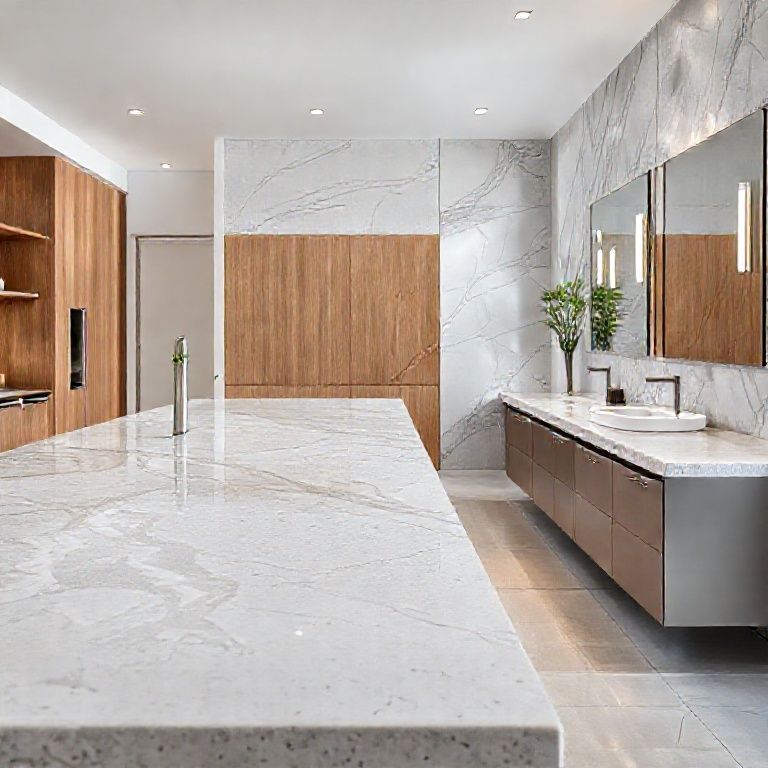
When it comes to installing marble in your home, the potential for radiation exposure remains minimal. The key is to ensure that the marble is sourced from reputable suppliers who adhere to safety standards. Marble used in countertops, for instance, is typically cut and polished in ways that minimize exposure to the radiation contained within the stone.
Formaldehyde Concerns
Another frequently asked question is whether natural marble contains formaldehyde. Formaldehyde is a volatile organic compound (VOC) that is often associated with synthetic materials, including certain types of laminate and engineered wood. Unlike these materials, natural marble does not produce formaldehyde.
Marble is composed of calcium carbonate, a mineral that does not emit harmful chemicals like formaldehyde. This means that when you use marble in your home, you can rest assured that it won’t contribute to indoor air pollution or pose a health risk related to VOCs.
Health Benefits of Natural Marble
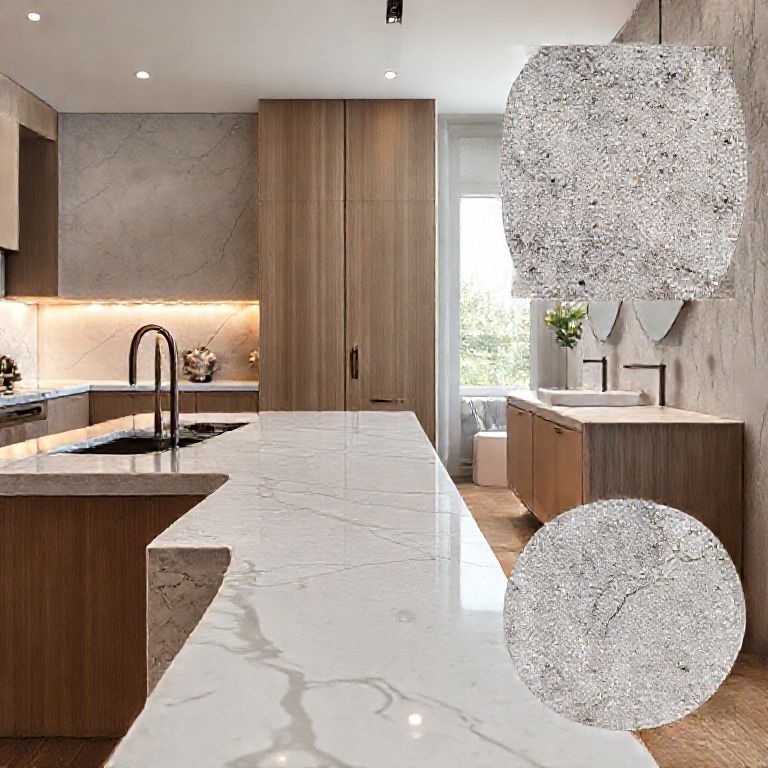
Using natural marble in your home not only adds aesthetic value but also offers several health benefits. Marble is a non-porous material, which means it does not absorb liquids or bacteria. This characteristic makes it highly hygienic and easy to clean, reducing the risk of bacterial growth and ensuring a cleaner environment.
Furthermore, marble is a natural insulator, which helps in maintaining a stable temperature in your home. This can lead to energy savings as it contributes to a more balanced indoor climate. Additionally, the natural beauty of marble can have psychological benefits, promoting a sense of calm and well-being.
Environmental Impact
Natural marble is an eco-friendly choice for several reasons. Unlike synthetic materials that often involve harmful chemical processes, marble is a natural resource that does not require extensive processing to achieve its aesthetic qualities. Moreover, marble is a renewable resource, as it is continuously formed through natural geological processes.
Conclusion
In conclusion, natural marble is a safe and environmentally friendly choice for your home. The concerns about radiation and formaldehyde are largely unfounded, given the low levels of radiation in marble and its lack of formaldehyde content. With its timeless beauty, durability, and health benefits, natural marble stands out as an excellent option for those looking to enhance their living spaces while prioritizing safety and sustainability.
Stay tuned for the second part of our exploration, where we will delve deeper into the maintenance, longevity, and additional safety aspects of natural marble.
The Longevity and Maintenance of Natural Marble
As we continue our exploration into the world of natural marble, it’s essential to understand not just its safety but also its longevity and maintenance. Marble is renowned for its elegance and durability, but like any natural stone, it requires proper care to maintain its beauty and integrity over time.
The Durability of Marble
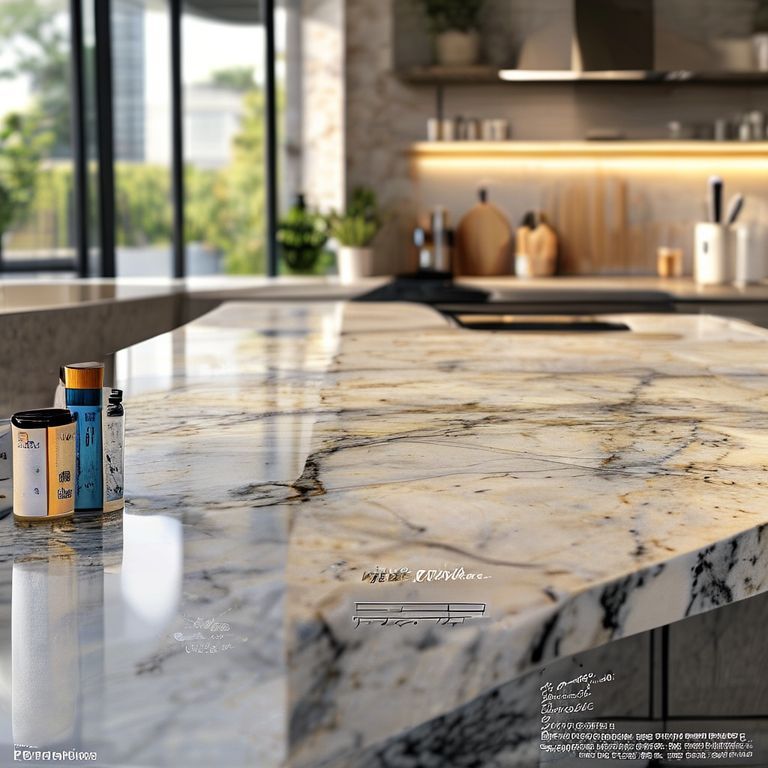
Marble is one of the hardest forms of natural stone, which makes it highly durable and resistant to scratching. This durability translates into longevity, meaning that marble can last for decades if properly cared for. Its resistance to scratches and stains makes it a popular choice for high-traffic areas such as kitchens and bathrooms.
However, it’s important to note that marble is not completely impervious to damage. Unlike other stone materials such as granite or quartz, marble is a metamorphic rock with a relatively softer crystalline structure. This means it can be susceptible to acid etching and staining, especially if not properly maintained.
Maintenance Tips for Marble
To ensure that your marble maintains its beauty and durability, follow these essential maintenance tips:
Regular Cleaning: Use a mild, pH-neutral soap and warm water to clean marble surfaces. Avoid using abrasive cleaners or sponges that can scratch the surface.
Avoiding Acidic Foods and Beverages: Placing acidic foods or drinks directly on marble surfaces can cause etching. It’s best to use cutting boards, trivets, and coasters to protect the marble.
Immediate Spill Cleanup: Clean up spills immediately to prevent stains from setting in. Acidic or alkaline substances can cause discoloration if left on the marble for an extended period.
Sealing Marble: While marble does not require sealing to prevent staining, it can be sealed to protect against acid etching. A marble sealant forms a protective barrier that helps to repel stains and acids.
Regular Polishing: Over time, marble can develop a dull appearance due to the natural process of weathering. Regular polishing can restore its shine and maintain its appearance.
Environmental and Ethical Considerations
When choosing natural marble for your home, it’s also important to consider its environmental and ethical impact. Marble is a naturally occurring resource, and its extraction should be done responsibly to minimize environmental harm.
Sustainable Sourcing
To ensure that your marble is sourced sustainably:
Choose Certified Suppliers: Opt for suppliers who adhere to sustainable practices and provide certifications that their marble is mined ethically and sustainably.
Support Local Sources: Whenever possible, choose local marble sources to reduce the carbon footprint associated with transportation.
Ethical Mining Practices
Support marble suppliers who follow ethical mining practices. This includes ensuring that mining operations do not harm local ecosystems or communities, and that workers are treated fairly and with respect.
The Long-Term Investment
Investing in natural marble is not just an aesthetic decision but also a long-term investment. The durability and timeless beauty of marble make it a valuable addition to any home. With proper care and maintenance, marble can provide a stunning, enduring surface that enhances the beauty and value of your living space for many years.
Conclusion
In conclusion, natural marble is a remarkable material that combines beauty, durability, and safety. Despite common misconceptions, marble is a low-radiation, formaldehyde-free material that offers numerous health and environmental benefits. Proper maintenance and ethical sourcing ensure that you can enjoy the timeless elegance of marble in a responsible and sustainable manner.
We hope this guide has provided you with a comprehensive understanding of the safety, maintenance, and longevity of natural marble. Whether you are planning to install marble in your home or simply curious about this beautiful stone, we hope you found this information valuable and informative.
For more insights and updates on natural stone and home decor, stay tuned for our upcoming articles!