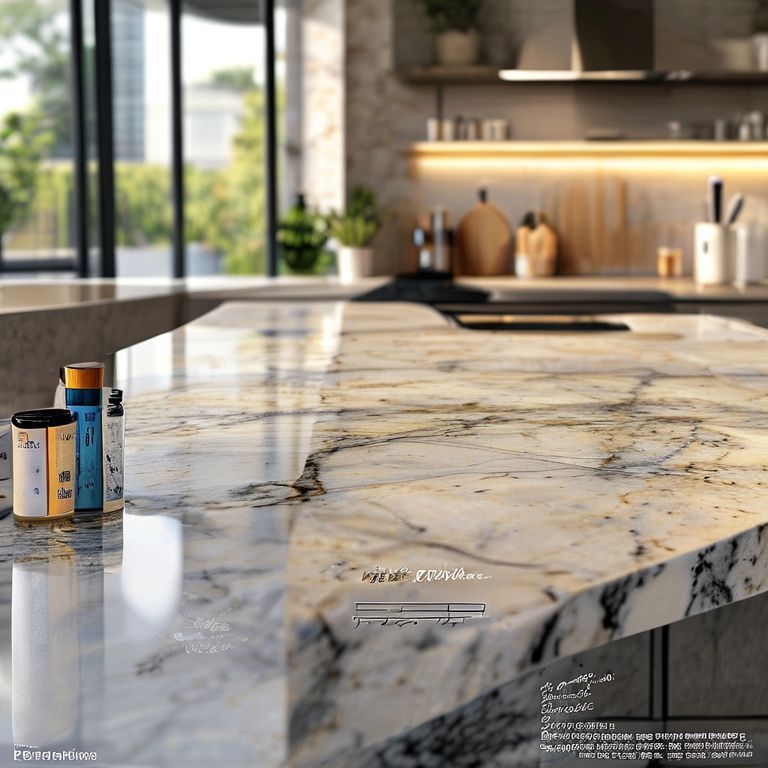
Understanding the Limitations and Drawbacks of Large Marble in Home Renovation
Introduction
When it comes to home renovation, selecting the right materials is crucial for both aesthetic appeal and practical considerations. While marble has long been celebrated for its elegance and timeless beauty, its use in large-scale home renovation projects often comes with a series of limitations and drawbacks. This article delves into why large marble should be avoided in home renovation, focusing on maintenance challenges, cost implications, and durability issues.
Maintenance Challenges
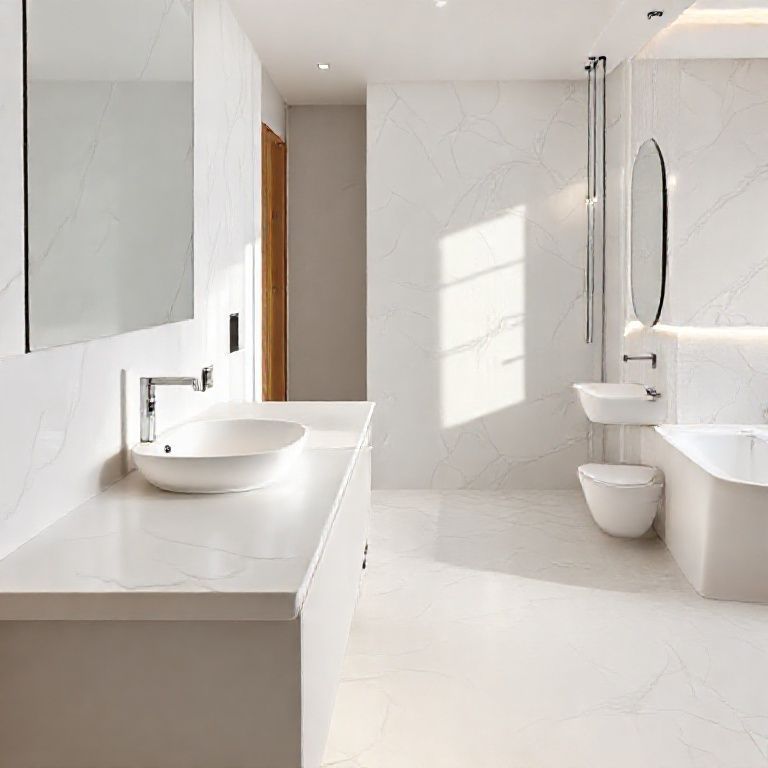
One of the primary reasons to avoid large marble in home renovation is the considerable maintenance it requires. Marble is a naturally occurring stone that is prone to staining, scratching, and etching. Unlike other materials, marble does not possess a protective layer, making it highly susceptible to damage from everyday use and contact with acidic substances. Here are some of the maintenance challenges:
Staining and Etching: Marble’s porous nature means it can easily absorb stains from food, drinks, and cleaning products. Unlike other surfaces, stains on marble cannot be easily removed. Acidic substances, such as lemon juice, vinegar, and wine, can etch into the marble, creating permanent damage. To prevent this, marble surfaces need to be sealed with special products, and even then, they require regular cleaning to maintain their appearance.
Scratching: Marble is relatively soft compared to other stone materials, ranking around 3 on the Mohs scale of hardness. This softness makes marble highly susceptible to scratches from everyday activities such as slipping, dropping objects, and even using abrasive cleaning tools. To protect against scratches, specialized waxes and polishes are often required, which add another layer of maintenance.
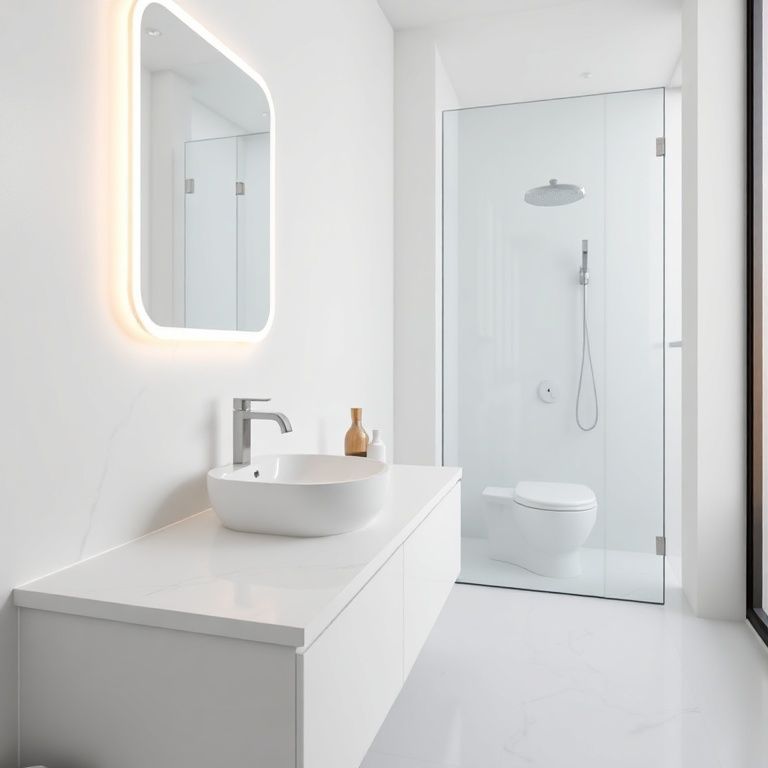
Cleaning: Keeping marble clean and pristine requires consistent care. Regular cleaning with a pH-neutral cleaner is essential to prevent damage. Over time, this routine can become time-consuming and labor-intensive, especially in high-traffic areas like kitchens and bathrooms.
Cost Implications
Another significant deterrent to using large marble in home renovation is the associated costs. Marble is an expensive material, both in terms of initial purchase and ongoing maintenance. Here are some key points regarding the financial aspects:
High Initial Cost: The cost of marble varies depending on the type, quality, and source. High-end marbles like Italian Carrara or Brazilian black gold can be prohibitively expensive. Installing large marble surfaces will likely result in a substantial upfront cost, which may not be feasible for all budgets.
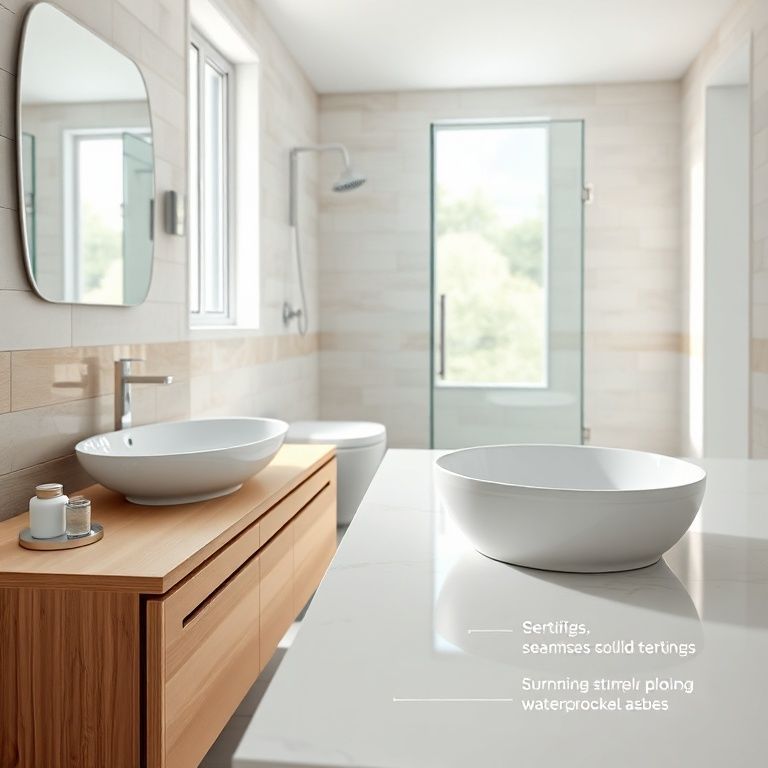
Professional Installation: Given marble’s sensitivity, professional installation is often required to avoid damage. This adds to the overall cost, as skilled labor is needed to ensure proper cutting, fitting, and sealing.
Maintenance Expenses: As mentioned, maintaining marble surfaces is a labor-intensive process that requires regular application of sealants and polishes. Over time, these maintenance costs can add up, making the total expense of owning and maintaining a marble surface significantly higher than initially anticipated.
Durability Issues
While marble is undeniably beautiful, its durability is questionable, particularly when used in large-scale home renovations. Here are some key points about marble’s durability:
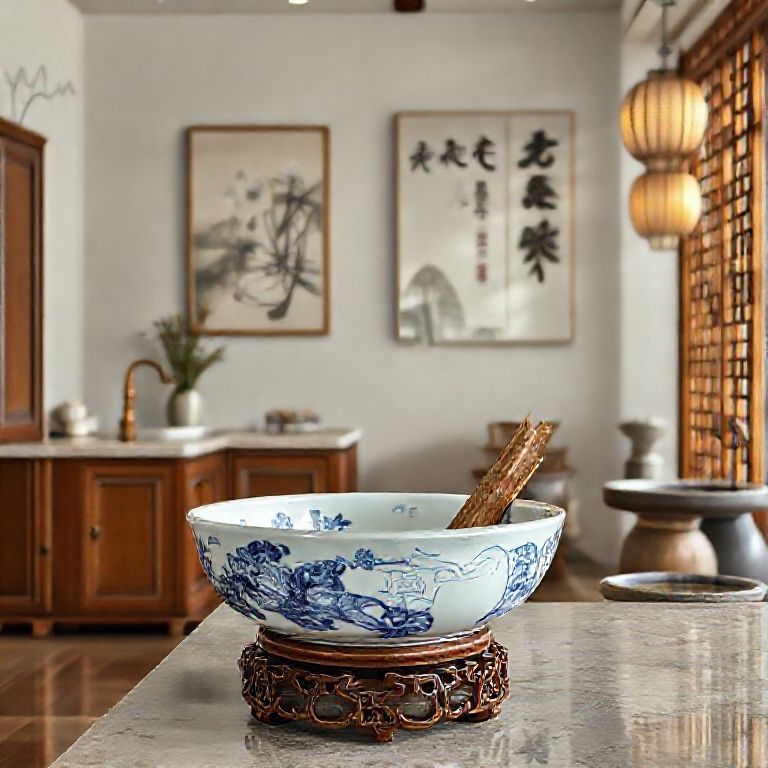
Fragility: Marble’s ranking on the Mohs scale of hardness makes it prone to scratches and chips. Everyday activities can easily damage marble surfaces, leading to a need for frequent repairs or replacements. This fragility is particularly concerning in high-traffic areas where marble is most visible and frequently used.
Long-Term Wear: Over time, the appearance of marble can deteriorate due to natural wear and tear. Even with regular maintenance, the surface can lose its luster and become uneven. This gradual decline in appearance may lead to dissatisfaction and the need for costly restoration or replacement.
Structural Integrity: Marble is a metamorphic rock that can be prone to internal flaws and inconsistencies. These flaws can lead to uneven surfaces and structural weaknesses, which can compromise the overall integrity of the renovation project.
Conclusion
While marble has its undeniable allure, the maintenance challenges, high costs, and durability issues associated with using large marble in home renovation make it a less than ideal choice. The need for constant care, the financial burden, and the potential for long-term deterioration all contribute to the decision to avoid large marble in renovation projects. In the next part, we will explore environmental concerns and alternative materials that offer better value and sustainability.
Environmental Concerns and Alternative Materials for Home Renovation
Introduction
Beyond the practical and financial considerations, the environmental impact of using large marble in home renovation is another compelling reason to avoid it. Marble mining has significant ecological consequences, and there are sustainable alternatives that offer both aesthetic appeal and environmental benefits. This part will discuss the environmental concerns associated with marble and explore alternative materials that are both practical and eco-friendly.
Environmental Concerns
Marble extraction and processing have profound environmental impacts, making it a less sustainable choice for home renovation. Here are some key environmental concerns:
Deforestation and Habitat Destruction: Marble mining often requires clearing large areas of land, leading to deforestation and destruction of natural habitats. This can result in the loss of biodiversity and disruption of ecosystems.
Water Usage: The process of mining and processing marble is water-intensive. Large amounts of water are used to extract marble from the earth and to clean and polish the stone, which can be a significant strain on local water resources, especially in areas where water is already scarce.
Air Pollution: The extraction and processing of marble generate substantial amounts of dust and particulate matter, contributing to air pollution. This can have adverse effects on local air quality and public health.
Carbon Footprint: The transportation of marble from mines to renovation sites contributes to the carbon footprint of the project. Marble is typically shipped long distances, often resulting in significant greenhouse gas emissions.
Sustainable Alternatives
Given the environmental concerns associated with marble, it’s essential to consider sustainable alternatives that offer both durability and aesthetic appeal. Here are some eco-friendly alternatives:
Quartz Countertops: Quartz is a composite material made from 93% natural quartz aggregate and bonded with resin. It is highly durable, resistant to scratches, stains, and heat, making it an excellent alternative to marble. Quartz is also recyclable and has a lower environmental impact compared to marble.
Stone Veneer: Stone veneer is a thin layer of natural stone applied over a backing material like gypsum or plywood. It offers the look of natural stone without the environmental and durability drawbacks. Stone veneer is lightweight, easy to install, and can be made from various stones, including granite and limestone.
Sustainable Wood: High-quality wood is a sustainable alternative to marble, especially when sourced from responsibly managed forests. Wood is a renewable resource and can be used in various forms, including solid wood, engineered wood, and wood veneer. It offers a natural beauty and can be finished with eco-friendly products.
Recycled Materials: Using recycled materials in home renovation is a sustainable choice that reduces waste and conserves resources. Options like recycled glass, metal, and plastic can be transformed into beautiful, durable surfaces that mimic the look of marble.
Synthetic Stone: Synthetic stone is made from a combination of natural stone powders, resins, and other materials. It offers the look and feel of natural stone without the environmental impact of mining. Synthetic stone is durable, easy to clean, and can be designed to mimic various natural stones.
Conclusion
The environmental impact of marble mining, coupled with the practical and financial drawbacks, makes it a questionable choice for large-scale home renovation projects. The deforestation, habitat destruction, water usage, air pollution, and carbon footprint associated with marble extraction and processing highlight the need to consider more sustainable alternatives. By opting for materials like quartz, stone veneer, sustainable wood, recycled materials, and synthetic stone, homeowners can achieve beautiful, durable, and environmentally friendly renovation projects. In the next part, we will provide detailed tips on how to choose the right materials for your home renovation and ensure long-lasting results.
By understanding the limitations and environmental concerns associated with large marble, homeowners can make informed decisions that prioritize both aesthetics and sustainability in their renovation projects.