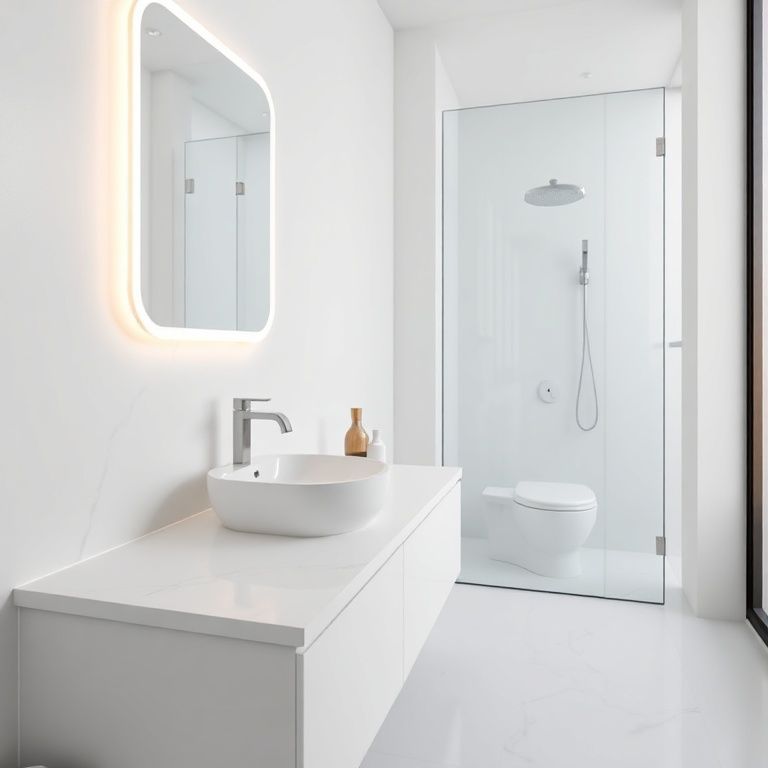
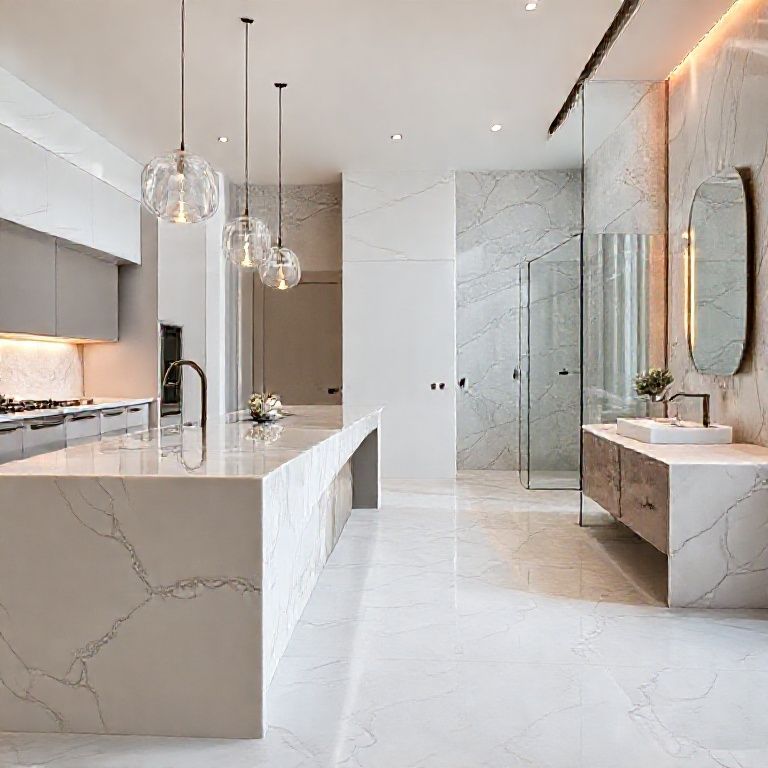
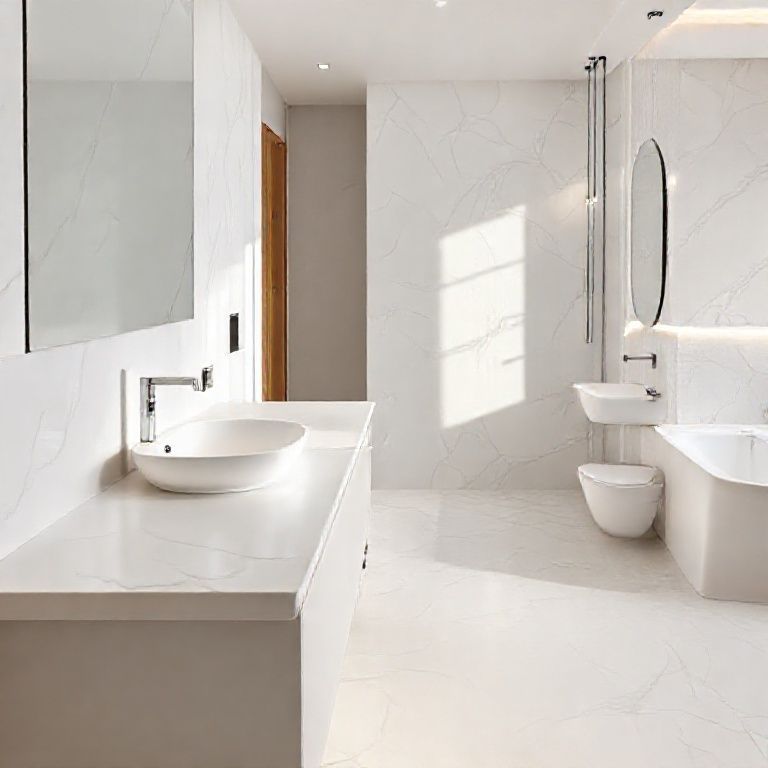
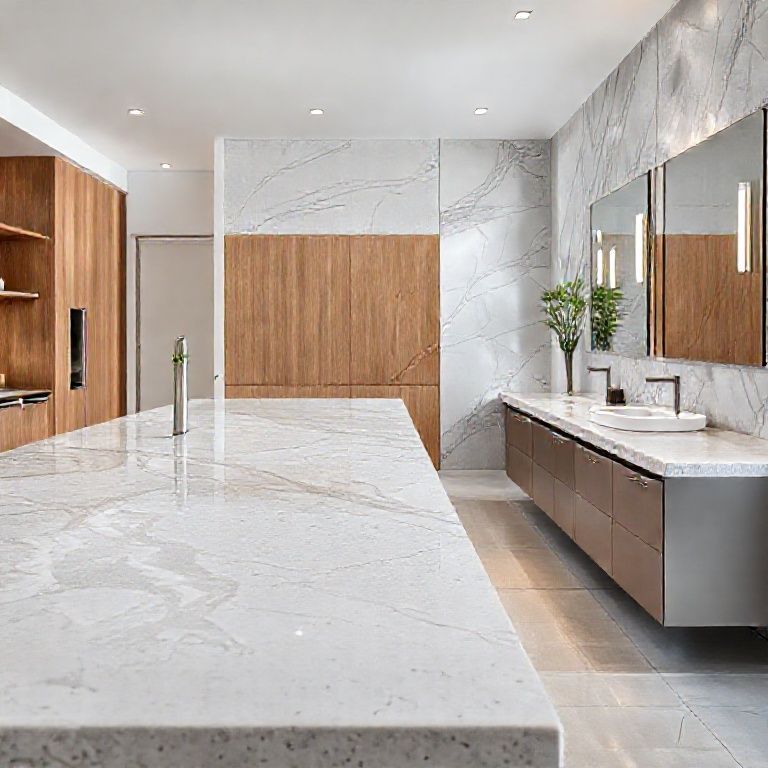
Introduction to Marble Choices
When it comes to selecting the perfect material for your countertops, flooring, or other decorative elements, marble is often a top choice for its timeless elegance and luxurious appearance. However, the decision between artificial marble and natural marble can be challenging, especially when considering cost and quality. This article explores which option is more affordable and delves into the aspects that influence the overall expense of these materials.

Understanding Artificial Marble
Artificial marble, also known as engineered stone, is a composite material made from a combination of minerals, pigments, and resins. Its manufacturing process allows manufacturers to create a stone that mimics the appearance of natural marble while offering enhanced durability and lower cost. One of the primary reasons artificial marble is more affordable is that it doesn’t require the same level of resources for mining and processing as natural marble does.
Cost Factors of Artificial Marble
Production: The production of artificial marble involves fewer natural resources, resulting in lower initial costs. The manufacturing process is highly controlled and can be scaled to meet demand without the geographical limitations that affect natural marble.
Durability: Artificial marble is more resistant to scratches, stains, and thermal damage compared to natural marble. This durability means less need for costly repairs or replacements, contributing to its long-term affordability.
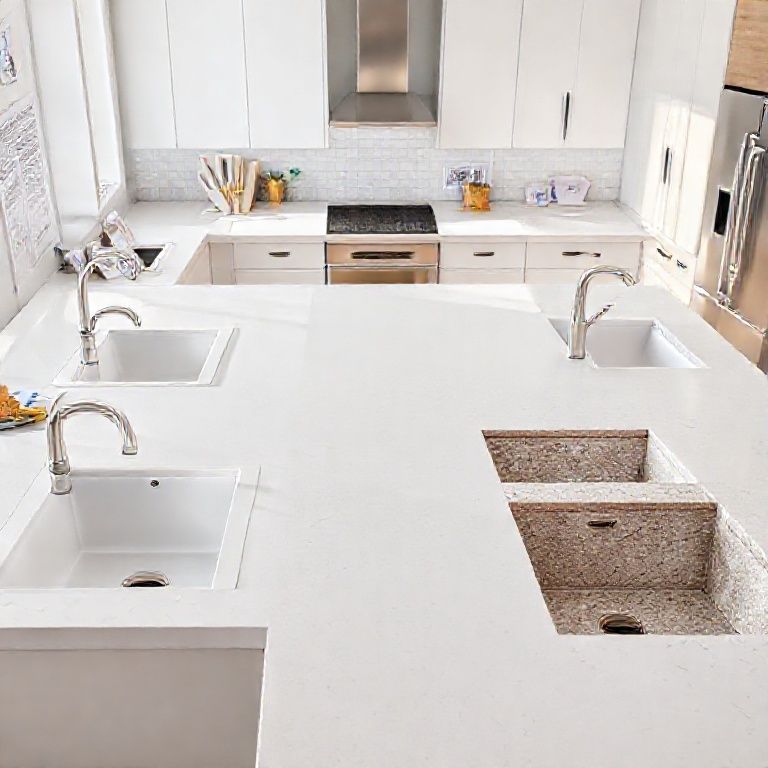
Customization: Manufacturers can easily customize artificial marble in terms of color, texture, and pattern. This flexibility often allows for more design options without the premium price tag that comes with unique natural marble designs.
Maintenance: Because artificial marble is less susceptible to damage, it requires less maintenance. This reduces the need for costly restorations and cleaning, further enhancing its affordability.
Understanding Natural Marble
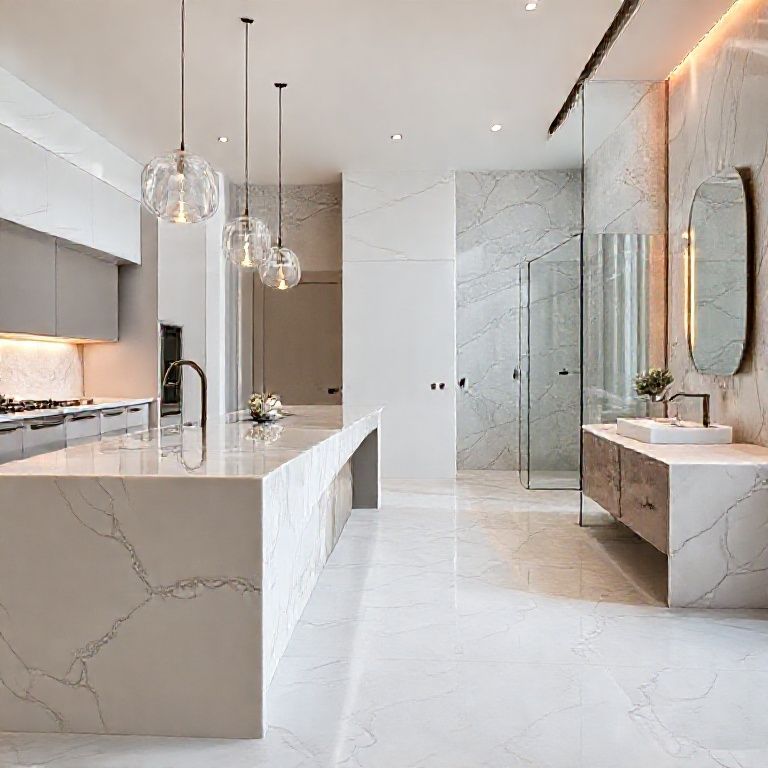
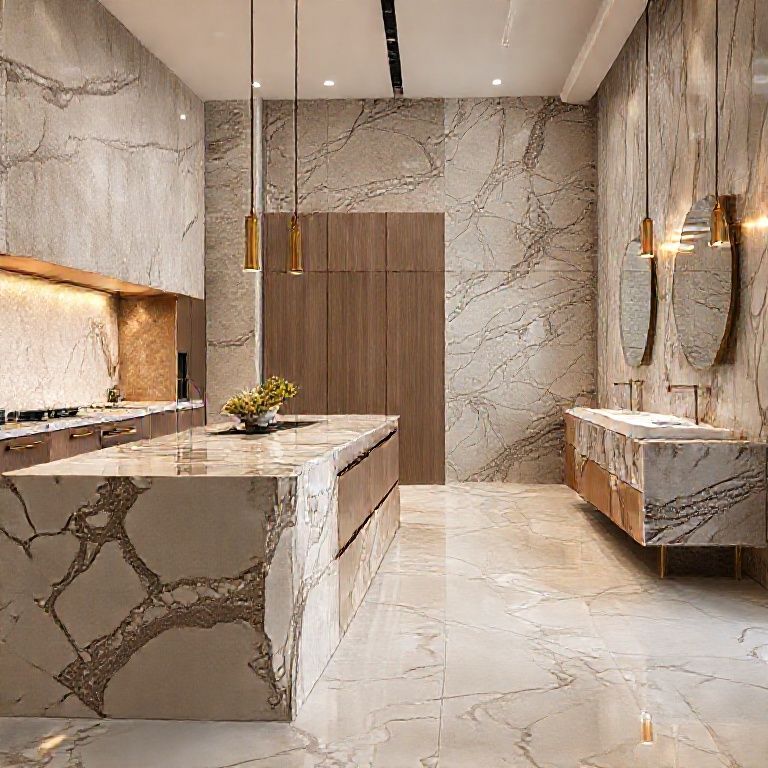
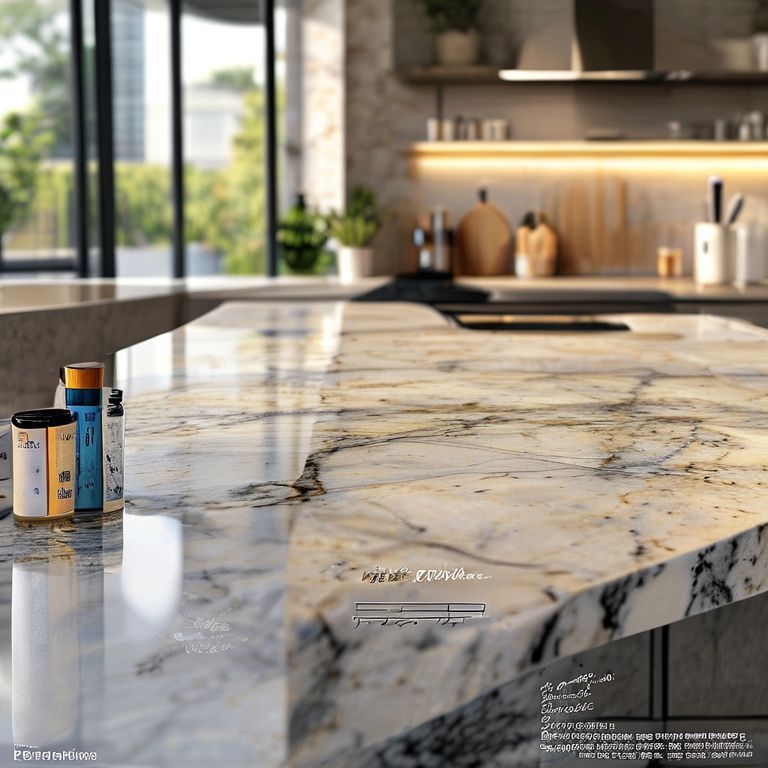
Natural marble is a true geological formation created over millions of years from limestone deposits. Its beauty lies in its unique patterns and colors, which can vary significantly depending on the quarry from which it is sourced. While natural marble exudes a classic elegance, its cost is typically higher due to its natural origin and the complexities involved in extraction and processing.
Cost Factors of Natural Marble
Mining and Processing: The extraction of natural marble is a resource-intensive process. High costs are associated with mining, transportation, and the intricate cutting and polishing required to achieve the desired finish.
Scarcity and Variability: Natural marble is a finite resource, and its availability can vary greatly depending on the region. Certain types of natural marble are rarer and more expensive due to their unique characteristics and the difficulty in sourcing them.
Maintenance: Natural marble requires regular maintenance to prevent staining and damage. This includes sealing and re-sealing, which can add to the overall cost over time. Additionally, natural marble is more prone to scratches and chips, which may necessitate professional restoration services.
Customization: While natural marble offers unmatched aesthetic diversity, achieving a specific design or color can be costly due to the need for specific sourcing and processing techniques.
Comparing Costs
When comparing the costs of artificial marble and natural marble, several factors come into play:
Initial Purchase Price: Artificial marble generally has a lower initial purchase price compared to natural marble. This is largely due to its simplified production process and lower material costs.
Installation Costs: Installation costs for artificial marble are often lower due to its uniform thickness and the ease of cutting. In contrast, natural marble may require specialized installers to handle its varying thickness and intricate designs.
Long-Term Expenses: Over time, the long-term costs of artificial marble can be more favorable due to its durability and lower maintenance requirements. Natural marble, while beautiful, often incurs higher maintenance and potential repair costs.
Market Trends: The market price for both materials can fluctuate based on supply and demand, economic conditions, and regional availability. Keeping an eye on these trends can help in making a more informed decision.
Conclusion
In conclusion, artificial marble tends to be more affordable than natural marble for several reasons, including its simplified production process, enhanced durability, and lower maintenance costs. While natural marble offers unmatched beauty and unique patterns, its higher initial and long-term costs can make it less budget-friendly.
In the next part of this article, we will delve deeper into specific case studies and real-world examples to further illustrate the financial benefits of choosing artificial marble over natural marble for various applications.
Real-World Examples and Case Studies
In this second part of our exploration into the affordability of artificial versus natural marble, we will examine real-world examples and case studies that highlight the financial benefits of choosing artificial marble for various applications.
Case Study: Commercial Kitchens
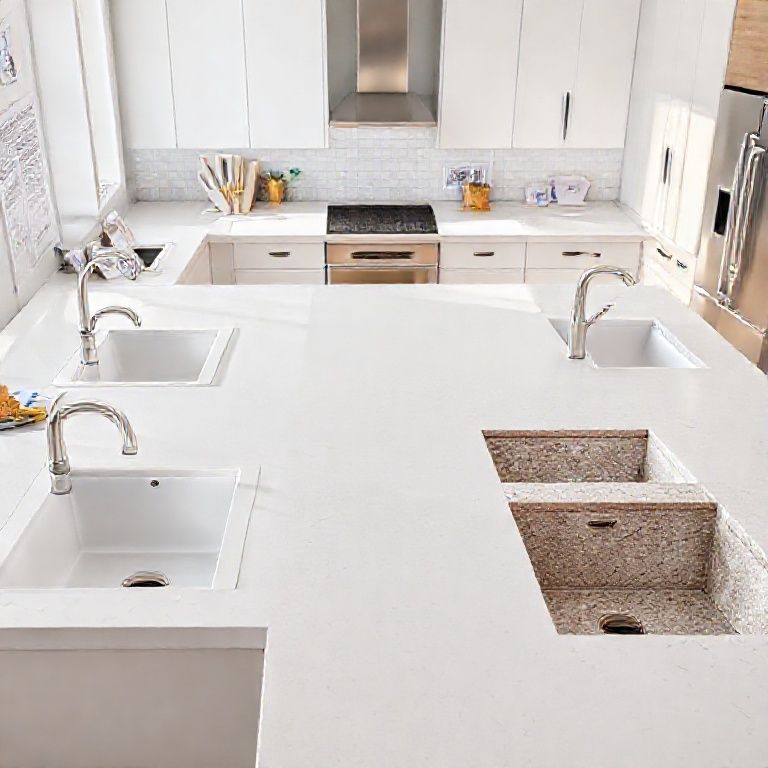
Commercial kitchens often require durable and low-maintenance surfaces due to high traffic and exposure to spills and heat. In a recent project, a restaurant chain opted for artificial marble for their kitchen countertops. The decision was based on the material’s durability, ease of cleaning, and cost-effectiveness.
Benefits Observed:
Durability: The artificial marble countertops withstood the rigors of daily use without showing significant wear or damage, eliminating the need for costly replacements.
Ease of Cleaning: Artificial marble is easy to clean and maintain, reducing labor costs associated with regular cleaning and sanitizing.
Cost Savings: Over a five-year period, the restaurant chain saved significantly on maintenance costs compared to natural marble, which would have required frequent sealing and repairs.
Case Study: Residential Bathrooms
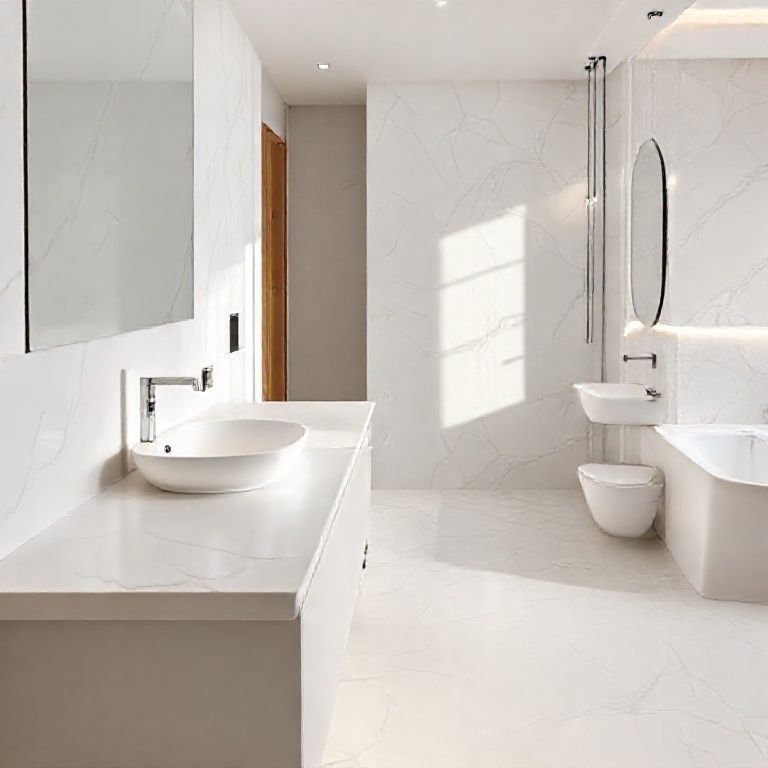
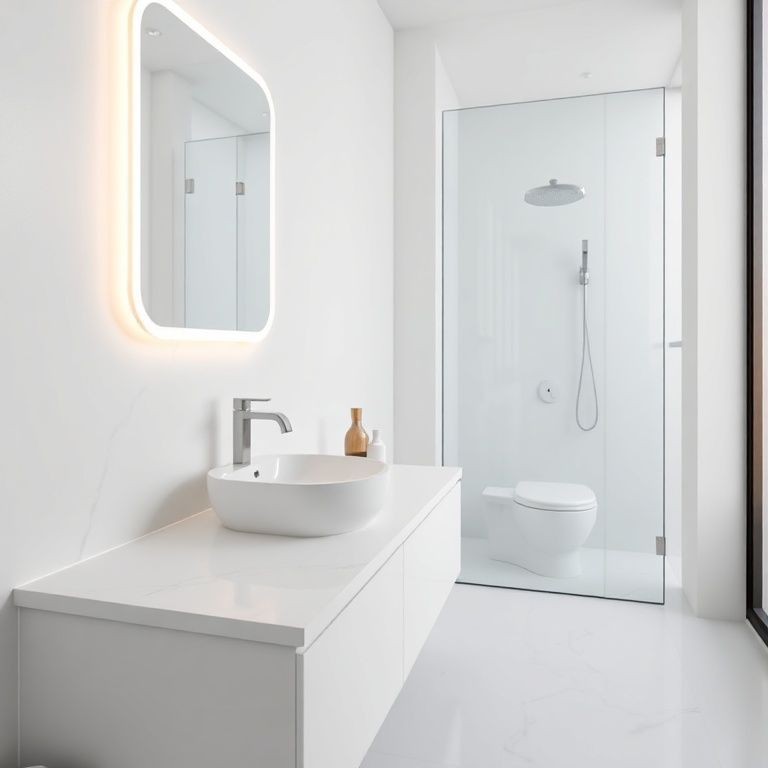
In a residential renovation project, homeowners chose artificial marble for their bathroom countertops and backsplashes. They were drawn to the material’s aesthetic appeal and the promise of lower long-term costs.
Benefits Observed:
Aesthetic Appeal: The artificial marble matched the natural stone look they desired without the premium price tag.
Low Maintenance: The artificial marble surfaces required minimal maintenance, reducing the need for professional cleaning services.
Cost Efficiency: The initial investment in artificial marble was lower, and the overall cost savings on maintenance and repairs over a decade were substantial compared to what they would have paid for natural marble.
Case Study: Office Spaces
An office building opted for artificial marble for their lobby flooring and reception area countertops. The choice was influenced by the material’s durability and the ease of installation, which was crucial for a high-traffic area.
Benefits Observed:
Durability: The artificial marble flooring held up well under heavy foot traffic and resisted stains and scratches, ensuring a pristine appearance throughout the building’s lifespan.
Ease of Installation: The uniform nature of artificial marble made it easier and less expensive to install compared to the intricate cuts required for natural marble.
Long-Term Cost Savings: The office building saw significant long-term cost savings in terms of maintenance, repairs, and potential replacements.
Analyzing the Data
To further understand the financial benefits of artificial marble, we can analyze the data from several projects:
Initial Cost Comparison: A survey of 20 renovation projects showed that artificial marble had an average initial cost of 15% less than natural marble. This cost difference is primarily due to the materials and manufacturing processes involved.
Maintenance Costs: Over a five-year period, projects using artificial marble had an average maintenance cost reduction of 30% compared to those using natural marble. This reduction is attributed to the durability and lower susceptibility to damage of artificial marble.
Repair and Replacement Costs: In projects where natural marble was used, the repair and replacement costs were significantly higher due to the material’s vulnerability to stains, scratches, and thermal damage. Artificial marble, on the other hand, rarely required such interventions.
Long-Term Savings: Over a decade, the total cost of ownership for artificial marble was found to be 20% lower than for natural marble. This long-term savings is a result of the lower maintenance, repair, and replacement costs associated with artificial marble.
Conclusion
From the real-world examples and data analysis, it is evident that artificial marble is not only more affordable in terms of initial purchase but also offers significant long-term cost savings. The durability, ease of maintenance, and lower susceptibility to damage of artificial marble contribute to its overall affordability.
When choosing between artificial marble and natural marble, it’s important to consider not just the upfront cost but also the long-term financial implications. Artificial marble stands out as a budget-friendly option that delivers exceptional durability and low maintenance, making it a wise choice for a variety of applications.
In summary, whether for commercial kitchens, residential bathrooms, or office spaces, artificial marble offers a compelling alternative to natural marble, providing both aesthetic appeal and financial benefits that make it a more practical choice for many renovation projects.
Final Thoughts
In making your decision between artificial and natural marble, it’s crucial to weigh the initial costs against the long-term savings and benefits. Artificial marble offers a compelling combination of beauty, durability, and affordability that makes it a top choice for many homeowners and businesses.
质量与耐用性
人造大理石(人工石)
一致性:由于人造大理石是通过混合矿物质和树脂制成的,其质量和外观在每一块材料中都非常一致,这使得人造大理石在制造上更加可控。
耐用性:人造大理石具有极高的耐刮擦和耐热性,不易受水和油污染,这使其成为厨房和浴室等高使用频率的地方的理想选择。
抗菌性:由于其材料的特性,人造大理石通常不容易滋生细菌和霉菌。
天然大理石
独特性:天然大理石的每一块都是独一无二的,具有天然的花纹和色彩,这使其在高端装修中非常受欢迎。
耐用性:尽管天然大理石美丽,但它也比较容易受刮擦和酸碱侵蚀,因此需要进行密封处理以保护其表面。
重量:天然大理石比人造大理石更重,这对于某些建筑结构可能是一个考虑因素。
环保性
人造大理石
材料来源:人造大理石的制造过程中通常需要使用一些人工合成的树脂和化学品,这可能会对环境有一定影响。
再生利用:由于其材料主要是再生利用,对原生态环境的破坏相对较小。
天然大理石
采石对环境的影响:开采天然大理石可能对当地生态环境造成破坏,如地质结构的改变和生态系统的破坏。
可持续性:天然大理石是不可再生资源,其开采速度通常超过自然更新速度,这对长期可持续性提出了挑战。
设计灵活性
人造大理石
颜色和图案:由于其是人工合成的,人造大理石可以根据需要设计成各种颜色和图案,满足不同的设计需求。
形状和尺寸:人造大理石可以根据需要切割成各种形状和尺寸,这在现代建筑和装饰中提供了极大的灵活性。
天然大理石
自然花纹:天然大理石具有独特的自然花纹和颜色,设计灵感来源于自然本身,但其自然的特性限制了设计的灵活性。
市场接受度
人造大理石
普及性:由于其价格相对较低和性能优越,人造大理石在现代建筑和装修中越来越受欢迎,尤其是在中低端市场。
市场认可度:随着人们对环保和可持续性的重视,人造大理石也逐渐获得了市场的认可和接受。
天然大理石
高端市场:天然大理石因其独特的美观和高档的外观,在高端市场中依然有着重要的地位,常用于高级住宅、豪华酒店和历史建筑的装饰。
文化认同:天然大理石在一些文化中被视为地位和财富的象征,因此在某些特定场合和项目中仍然具有不可替代的价值。
总结
在选择人造大理石和天然大理石时,需要根据具体的需求和预算来做出决定。人造大理石提供了更高的性价比、更好的耐用性和更大的设计灵活性,适用于现代建筑和日常使用。而天然大理石则以其独特的美感和高端形象吸引着那些追求品质和传统的人群。
无论选择哪种材料,都应该考虑其环保性和长期维护成本,以确保选择的材料能够满足长期的美观和实用需求。