${part1}
Introduction to Marble: A Timeless Choice
When it comes to home renovation and interior design, marble has always been a popular choice due to its timeless elegance and luxurious appearance. However, with the advent of technology, we now have the option to choose between natural marble and engineered marble. Both have their own unique attributes, and understanding the differences can help you make an informed decision.

Natural Marble: The Classic Choice
Natural marble has been used for centuries in architecture and interior design. It is a metamorphic stone formed from limestone through the process of intense heat and pressure over millions of years. The natural beauty of marble comes from its unique veins and patterns, which can vary significantly from one piece to another. Here are some key features:
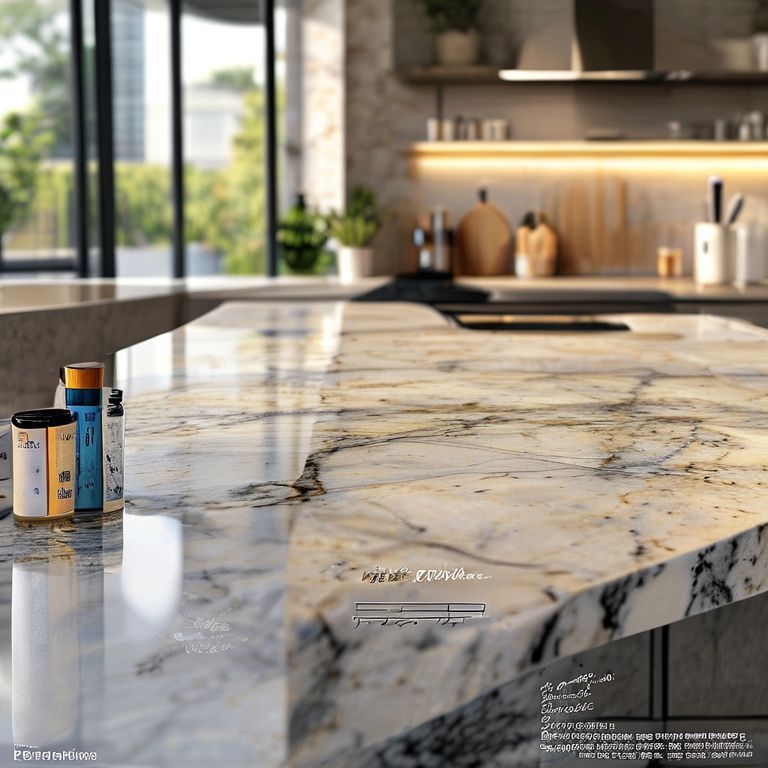
Aesthetics: Natural marble boasts a rich, organic beauty that cannot be replicated. Its unique veining and color variations provide a sense of authenticity and luxury that engineered marble often lacks.
Durability: While natural marble is incredibly durable and can withstand significant wear and tear, it is also susceptible to staining and etching from acidic substances. Proper sealing is essential to maintain its pristine look.
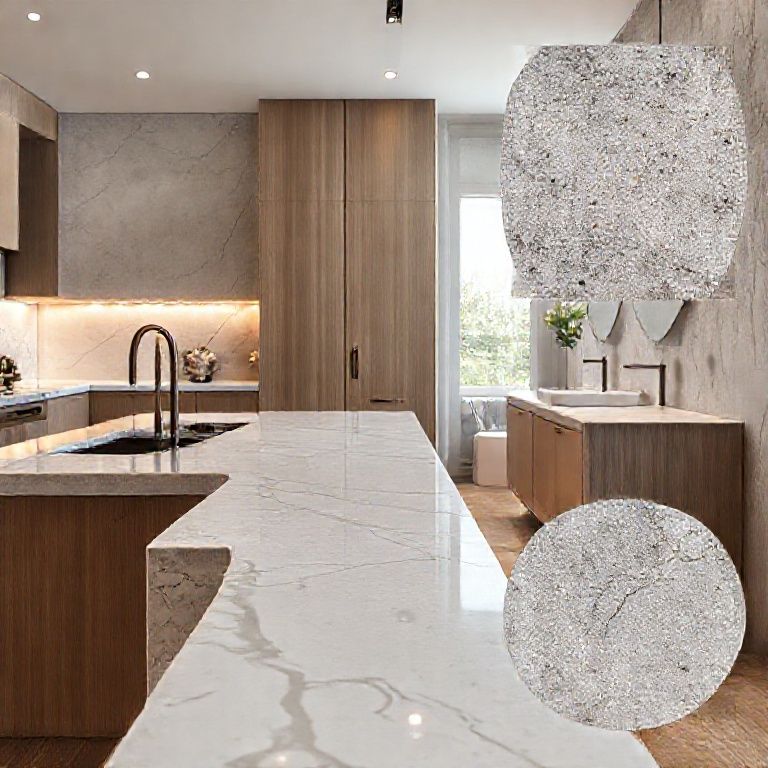
Cost: Generally, natural marble tends to be more expensive than engineered alternatives due to its rarity and the labor-intensive process of quarrying and cutting.
Weight and Installation: Natural marble is significantly heavier than engineered marble, which can complicate installation, especially in areas where weight might pose a problem.
Engineered Marble: The Modern Alternative
Engineered marble, also known as synthetic or composite marble, is a modern innovation that combines the best aspects of natural stone with the benefits of manufacturing technology. It is made by layering natural marble chips, pigments, and a resin binder, then cutting and polishing it to resemble natural marble. Here are some key features:
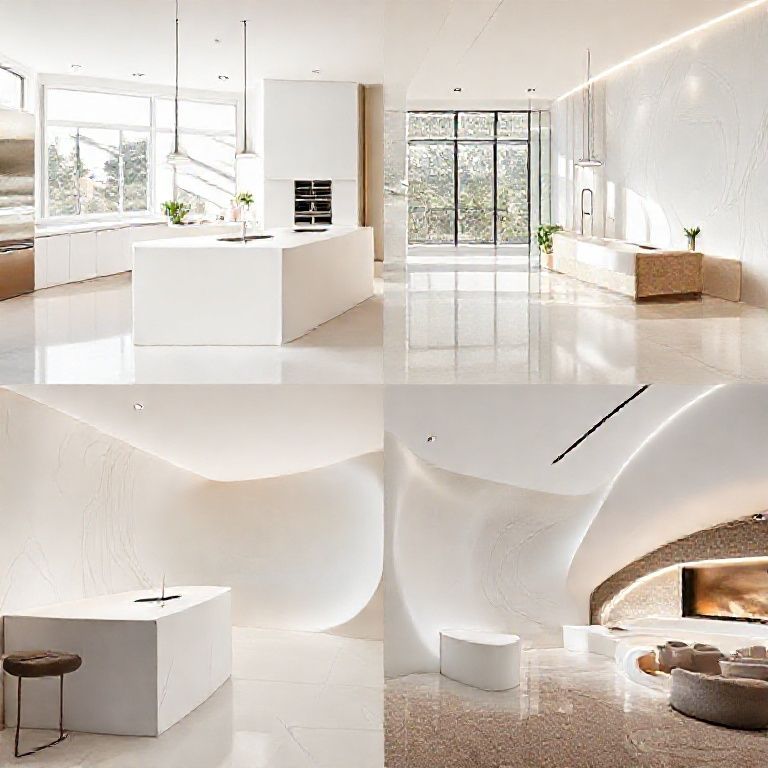
Aesthetics: Engineered marble offers a wide range of colors and patterns that can closely mimic the look of natural marble. It can also be customized to suit specific design needs, providing flexibility in color and pattern.
Durability: Engineered marble is designed to be more durable than natural marble. It is more resistant to stains and scratches, making it a practical choice for high-traffic areas. It also does not require sealing to prevent etching, which simplifies maintenance.
Cost: Typically, engineered marble is more affordable than natural marble, making it an attractive option for those looking for high-quality aesthetics at a lower cost.
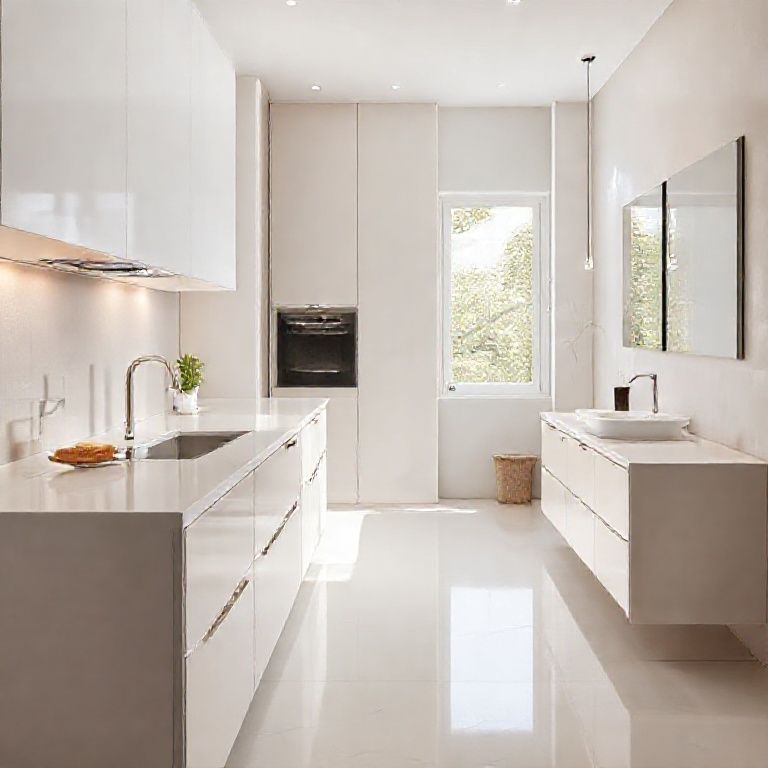
Weight and Installation: Engineered marble is lighter than natural marble, making it easier to install, even in areas with limited structural support. Its pre-cut and ready-to-install nature can also save time and labor costs.
The Pros and Cons: A Detailed Comparison
To help you decide between natural and engineered marble, let’s delve deeper into the pros and cons of each option.
Natural Marble Pros:
Authenticity: The unique veining and color variations of natural marble provide an authentic, one-of-a-kind look that engineered marble cannot replicate. Timelessness: Natural marble has a classic, timeless appeal that continues to be highly desirable in high-end design. Strength: When properly maintained, natural marble can last for centuries, making it a durable option for long-term use.
Natural Marble Cons:
Maintenance: Natural marble requires regular sealing to prevent stains and etching, which can be time-consuming and costly. Cost: The higher price tag of natural marble can be a significant barrier for some homeowners. Weight: The considerable weight of natural marble can complicate installation and may pose structural concerns in certain areas.
Engineered Marble Pros:
Durability: Engineered marble is more resistant to stains and scratches, making it a practical choice for high-traffic areas. Maintenance: Engineered marble does not require sealing, which simplifies maintenance and reduces long-term costs. Cost: Generally more affordable than natural marble, engineered marble offers a high-quality alternative without the premium price.
Engineered Marble Cons:
Uniformity: While engineered marble can mimic natural marble closely, it lacks the unique veining and color variations that make natural marble so distinctive. Environmental Impact: The manufacturing process for engineered marble involves more energy and chemicals compared to the natural quarrying process for marble.
Conclusion of Part 1
Choosing between natural marble and engineered marble ultimately comes down to your specific needs and preferences. Natural marble offers an unparalleled aesthetic and durability, but comes with higher costs and maintenance requirements. On the other hand, engineered marble provides an affordable, durable, and low-maintenance alternative that can closely mimic the look of natural marble. The next part of our guide will delve deeper into the practical aspects of installation, maintenance, and long-term care for both types of marble.
${part2}
Installation and Maintenance: Ensuring Longevity
Once you’ve decided whether to choose natural marble or engineered marble, the next important step is proper installation and maintenance to ensure the longevity and beauty of your marble surfaces. Let’s explore the specifics of installation and maintenance for both types of marble.
Installation: Setting the Foundation for Longevity
Natural Marble:
Professional Installation: Given its weight and the precision required in cutting and fitting, it’s crucial to have natural marble installed by professional contractors. They have the expertise to ensure proper alignment and structural support, which is vital for maintaining the integrity of the marble.
Substrate Preparation: Natural marble requires a solid, even substrate. Proper preparation of the underlying surface, such as concrete or plywood, is essential to prevent issues like warping or cracking.
Sealing: After installation, natural marble should be sealed to protect against stains and etching. The type and frequency of sealing required will depend on the specific characteristics of the marble and the level of exposure to potential staining agents.
Engineered Marble:
Ease of Installation: Engineered marble’s lighter weight and pre-cut nature make it easier to install, often requiring less professional intervention. It can be installed by DIY enthusiasts with basic tools and instructions.
Substrate Preparation: While engineered marble is less demanding on the substrate compared to natural marble, it’s still important to ensure a solid and even surface for a smooth installation.
No Sealing Needed: Engineered marble does not require sealing to prevent stains and etching, which simplifies maintenance. This can be a significant advantage in busy or high-moisture areas.
Maintenance: Keeping Your Marble Looking Its Best
Natural Marble:
Regular Cleaning: Natural marble should be cleaned with a soft cloth and a mild, pH-neutral cleaner to avoid etching. For tougher stains, a marble cleaner or a specialized marble polish can be used sparingly.
Sealing: To protect against stains and etching, natural marble typically needs to be sealed every 6 to 12 months, depending on the level of exposure and the type of sealer used.
Avoiding Acidic Substances: To prevent etching, it’s important to avoid placing acidic substances, such as lemon juice, vinegar, or alcohol-based cleaners, directly on natural marble surfaces.
Engineered Marble:
Routine Cleaning: Engineered marble can be cleaned with a damp cloth and mild soap, followed by drying to prevent water spots. For tougher stains, a marble cleaner or a mild detergent can be used.
No Sealing Required: One of the biggest advantages of engineered marble is that it doesn’t require sealing to prevent stains and etching, making it easier to maintain.
Avoiding Abrasive Cleaners: To keep the surface looking pristine, avoid using abrasive cleaners or scrubbers on engineered marble, as they can scratch the surface.
Long-Term Care and Considerations
Natural Marble:
Re-sealing Over Time: Despite regular maintenance, natural marble can still require re-sealing over time to maintain its protective barrier against stains and etching. This should be done by professionals to ensure proper application.
Replacing Damaged Areas: If natural marble is damaged, it may need to be replaced rather than repaired. Professional stonemasons can often provide custom cuts to match the original piece.
Historical Value: Natural marble often has historical or aesthetic value that can increase its desirability and worth over time, adding an additional layer of care and preservation.
Engineered Marble:
Surface Repairs: For minor scratches or chips, engineered marble can often be repaired by filling in the damaged areas with matching stone filler. For more significant damage, it may need to be replaced.
Longevity: Engineered marble is designed to be durable and has a longer lifespan compared to natural marble when properly maintained. Its resistance to stains and etching contributes to its longevity.
Environmental Considerations: While engineered marble offers practical benefits, it’s important to consider the environmental impact of its manufacturing process. Opting for eco-friendly resins and sustainable sourcing of marble chips can mitigate some of these concerns.
Final Thoughts: Making the Right Choice for Your Home
Choosing当然,继续探讨选择自然大理石还是工程大理石的问题,我们可以从更多的角度来看待这两种材料的特点,以便帮助你做出更明智的决策。
经济性与预算管理
初始成本: 自然大理石: 由于其天然的稀有性和独特的外观,自然大理石的价格通常比工程大理石高得多。这意味着在初始购买时,你可能需要更大的预算。 工程大理石: 工程大理石通常更便宜,因为它是通过人工制造的,生产成本较低,这使得它成为预算有限的人们的理想选择。
长期成本: 自然大理石: 尽管初始成本高,但由于其耐久性和美观性,自然大理石可能在长期使用中更经济。自然大理石的价值可能随着时间的推移而增加,尤其是在古董或经典设计中。 工程大理石: 工程大理石的耐用性和易于维护的特性使得其在长期使用中的维护成本较低。
但如果外观受损,需要更换或修复的费用也可能较高。
美学与设计灵活性
外观与设计: 自然大理石: 自然大理石以其独特的纹理和颜色而闻名,每块石头都是独一无二的,这为设计师提供了无限的创意空间。它适合于追求高端和独特设计的项目。 工程大理石: 工程大理石可以模仿自然大理石的外观,但通常更为均匀和标准化。设计师在使用工程大理石时有更多的控制力,可以精确地复制特定的颜色和纹理。
灵活性: 自然大理石: 由于其自然形成的纹理和颜色,自然大理石提供了一种古朴和经典的美感,适合于传统和经典设计风格。 工程大理石: 工程大理石的可定制性使其在现代和未来主设计中非常受欢迎。设计师可以选择不同的颜色和纹理,以创造出现代和创新的外观。
耐用性与维护
耐用性: 自然大理石: 自然大理石是一种非常坚硬和耐用的石材,但它对酸性物质和高温有一定的脆弱性。如果不进行适当的保护和维护,自然大理石可能会受到损害。 工程大理石: 工程大理石通常更耐用,且其耐酸性和耐高温性能通常优于自然大理石,这使得它在厨房和浴室等高流量区域更加适用。
维护: 自然大理石: 由于其对污染和损害的敏感性,自然大理石需要定期进行专业的密封处理,以保持其美观和耐用性。日常维护也需要注意避免酸性和高温物质的接触。 工程大里石: 工程大理石不需要频繁的密封处理,日常清洁只需简单的擦拭即可。它对污渍和损伤的抵抗力更强,维护成本较低。
环保与可持续性
资源利用: 自然大理石: 自然大理石的开采对环境有一定影响,且由于其稀有性,开采量受到限制。这使得自然大理石在可持续性方面存在一定的挑战。 工程大理石: 工程大理石通过合成技术制造,通常使用可再生资源,如再生大理石碎片。这使得其在环保和可持续性方面有更好的表现。
生产过程: 自然大理石: 天然大理石的开采过程对生态环境有一定的破坏,如果管理不当,可能会对当地生态系统造成负面影响。 工程大理石: 工程大理石的生产过程较为环保,通过使用再生材料和先进技术,可以减少对自然资源的过度依赖和环境污染。
总结:
选择自然大理石还是工程大理石,取决于你的具体需求和偏好。如果你追求独特的美学价值和经典的设计感,自然大理石可能是更好的选择。如果你更注重经济性、耐用性和低维护成本,工程大理石则更适合你。无论选择哪种,了解材料的特性和维护要求是做出明智决策的关键。