Understanding and Addressing Oil Stains on Artificial Marble
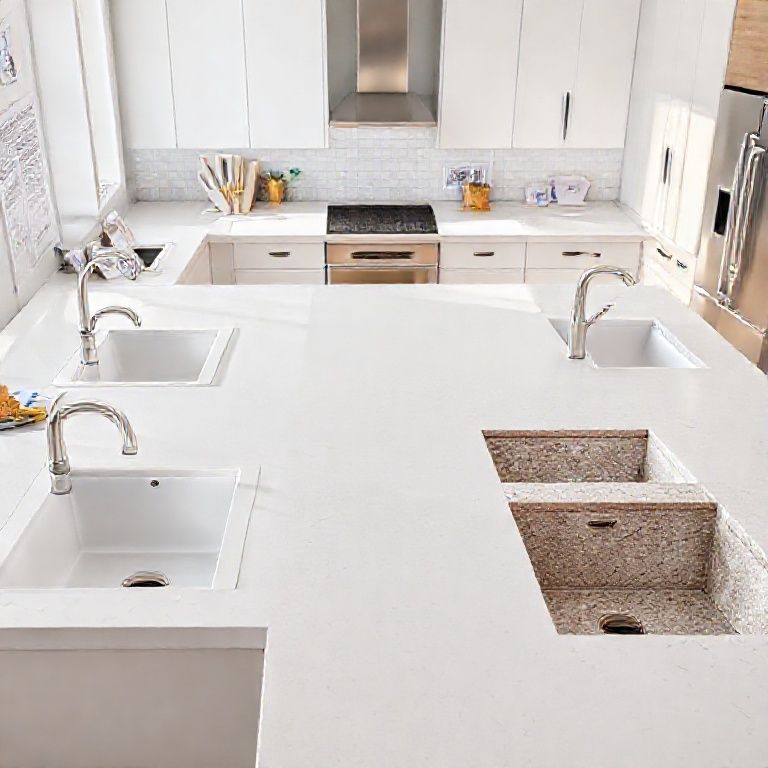
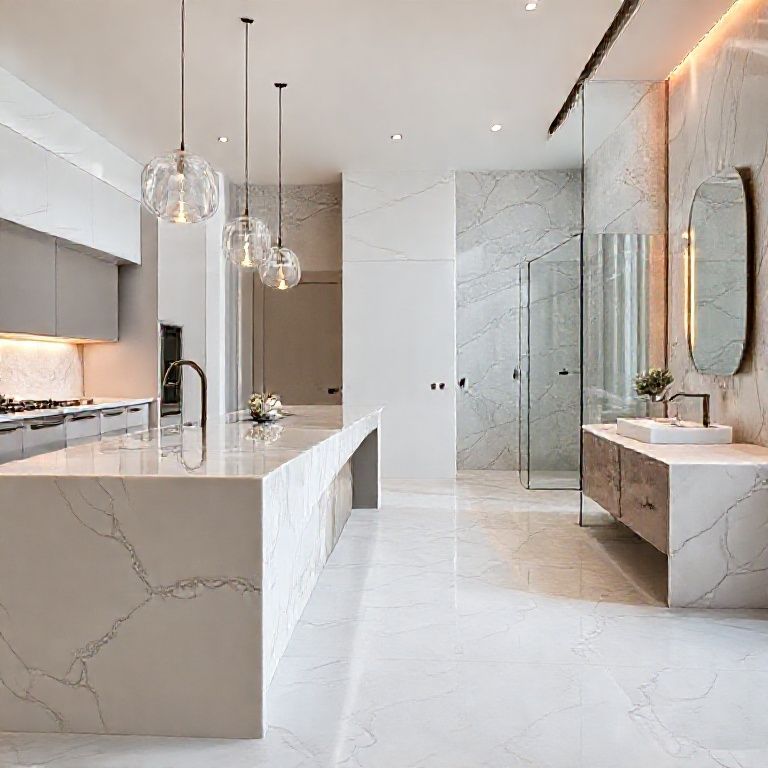
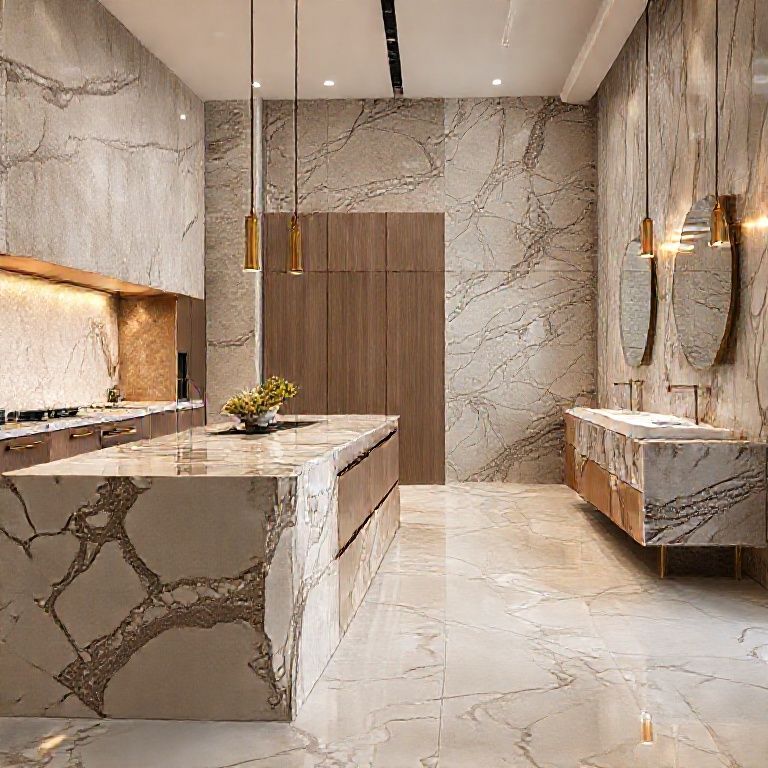
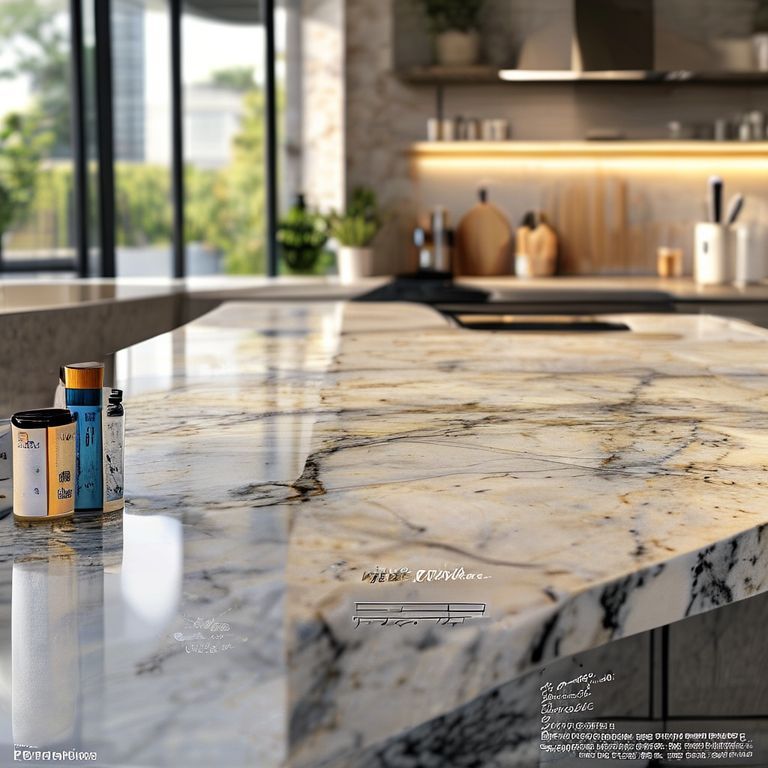
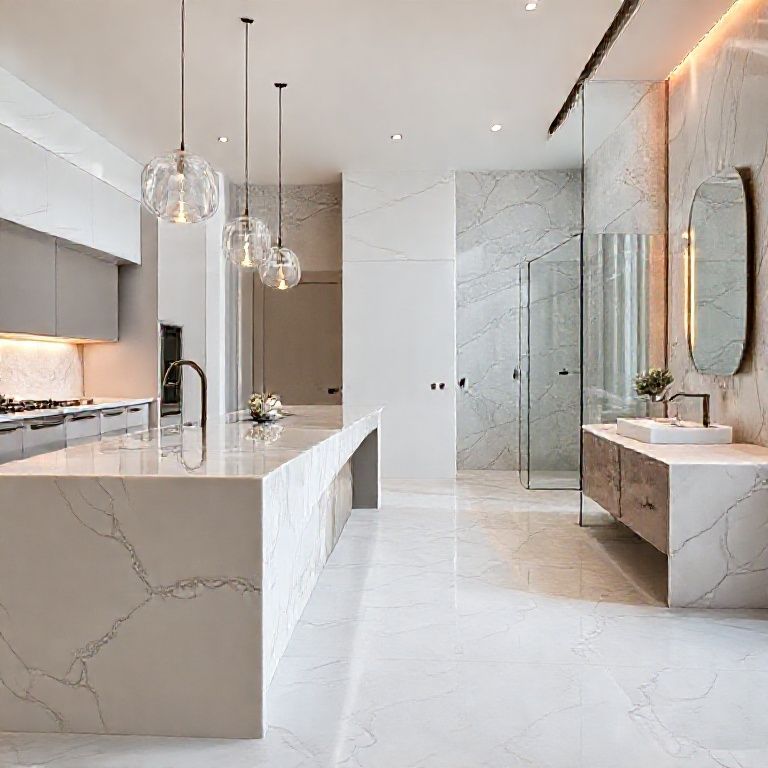
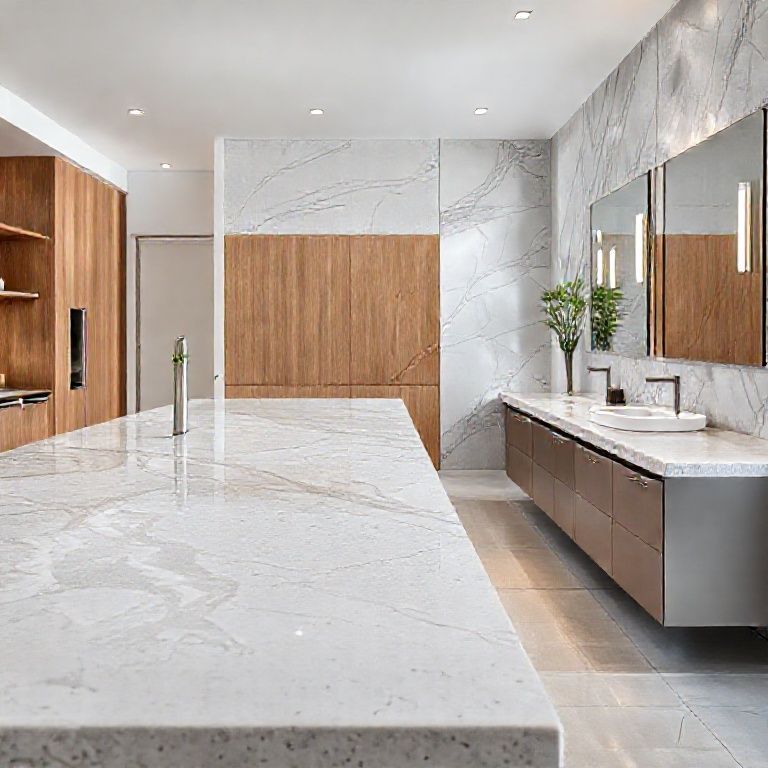
Artificial marble, known for its stunning appearance and durability, has become a popular choice for countertops, backsplashes, and other surfaces in both commercial and residential settings. Despite its resilience, artificial marble can be prone to oil stains, especially in kitchens where cooking and food prep are frequent. Knowing how to address these stains promptly can help maintain the beauty and longevity of your artificial marble.

What is Artificial Marble?
Artificial marble is a composite material made primarily from metallurgical-grade calcined dolomite and various additives. This material is designed to mimic the appearance of natural marble but is more resistant to stains, scratches, and thermal shock. However, it is not entirely impervious to all forms of damage, including oil stains.
Why Oil Stains Occur on Artificial Marble
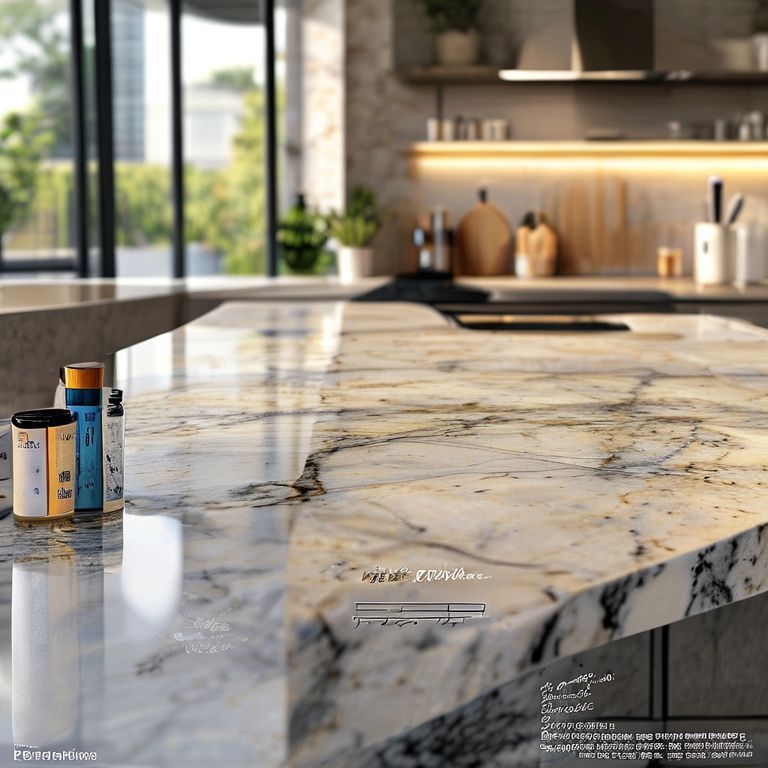
Oil stains on artificial marble typically occur due to cooking spills, food preparation, or even from the oils in your skin. Unlike natural stone, artificial marble does not absorb oils deeply, but the oils can still leave visible marks. The primary reason for this is that artificial marble’s surface can trap oils, making them difficult to remove without proper cleaning techniques.
Identifying Oil Stains
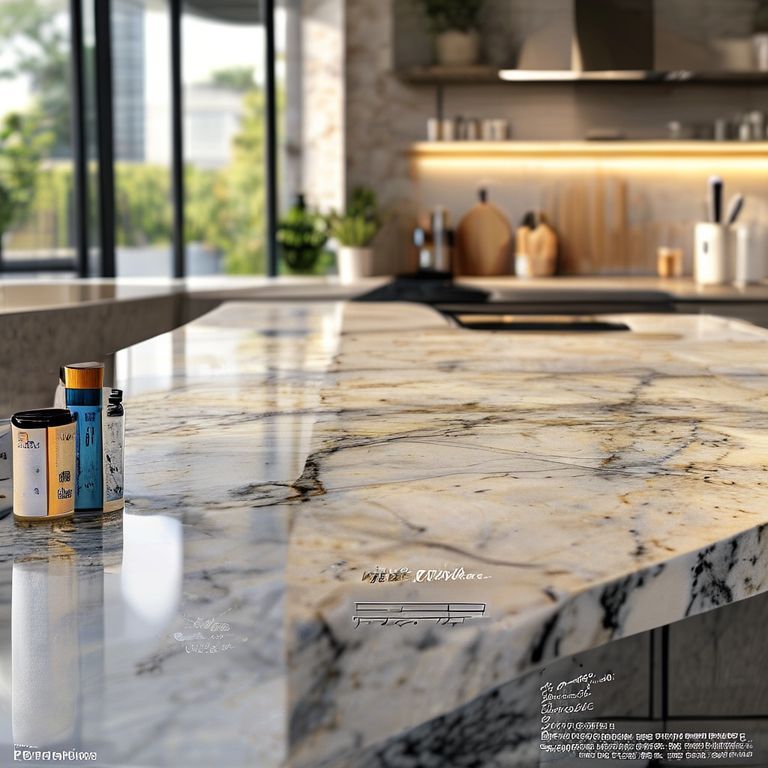
To effectively address oil stains on your artificial marble, it’s crucial first to identify them correctly. Oil stains often appear as dull, greasy spots that may change color slightly. They can be more noticeable on lighter shades of artificial marble but can be problematic in any color.
Immediate Steps to Take
When you notice an oil stain, acting quickly is key to preventing it from setting in. Here are some immediate steps to take:
Blot the Stain: Use a clean, dry cloth to blot the stain. Do not rub, as this can spread the oil and make the stain worse.
Neutral Cleaner: Use a neutral cleaner or a mild dish soap and warm water solution to gently wipe the affected area. Avoid using harsh chemicals that could damage the surface.
Dry the Area: After cleaning, dry the area with a clean, dry towel to prevent water spots.
Deep Cleaning Techniques
For more persistent oil stains, a deeper cleaning method is required. Here are some effective techniques:
Vinegar Solution: Mix equal parts of white vinegar and water. Apply this solution to the stain using a cloth, let it sit for 15-20 minutes, then wipe clean with a damp cloth and dry.
Baking Soda Paste: Create a paste with baking soda and water. Apply it to the stain and let it sit for about an hour before scrubbing gently with a soft-bristled brush and rinsing with water.
Commercial Marble Cleaners: There are many commercial cleaners specifically designed for artificial marble. Follow the manufacturer’s instructions carefully to avoid damaging the surface.
Preventing Future Oil Stains
Preventing oil stains from the start is always better than cleaning them off. Here are some tips to keep your artificial marble looking its best:
Use Cutting Boards: Always use cutting boards when cutting meats, vegetables, and other foods. This will prevent direct contact with the artificial marble surface.
Immediate Cleanup: Clean up spills immediately to prevent stains from setting in.
Oil Absorbent Pads: Place absorbent pads or paper towels under pots and pans when cooking to catch any spills.
Regular Maintenance: Regularly clean your artificial marble surface to prevent the buildup of oils and other residues. Use a mild soap and water solution once a week to maintain its appearance.
Professional Help
If the oil stain persists despite your best efforts, it may be time to seek professional help. Professional cleaners have access to specialized products and techniques that can remove tough stains without damaging your artificial marble.
Advanced Cleaning Techniques and Long-Term Maintenance for Artificial Marble
In this second part, we will explore advanced cleaning methods and long-term maintenance tips to ensure your artificial marble remains in pristine condition. Understanding these techniques will help you to not only remove oil stains effectively but also to prevent future occurrences.
Advanced Cleaning Methods
For oil stains that are particularly stubborn, advanced cleaning methods may be necessary. Here are some more detailed techniques:
Soap and Hot Water: Create a thick paste using dish soap and water. Apply it to the stain and let it sit for 30 minutes before scrubbing gently with a non-abrasive sponge. Rinse thoroughly with water.
Hydrogen Peroxide: Apply a small amount of hydrogen peroxide directly to the stain and let it sit for a few minutes. Use a soft brush to scrub the area gently, then rinse with water.
Microfiber Cloths: Microfiber cloths are excellent for cleaning delicate surfaces like artificial marble. They can effectively trap oils and dirt without scratching the surface.
Microwave Method: For very stubborn stains, mix baking soda with water to form a paste. Apply the paste to the stain, microwave on high for 1-2 minutes, then scrub gently and rinse with water.
Preventive Maintenance
Preventive maintenance is crucial for keeping your artificial marble looking its best. Here are some detailed strategies:
Regular Cleaning: Clean your artificial marble surface at least once a week with a mild soap and water solution. Use a soft cloth to avoid any scratches.
Avoid Harsh Chemicals: Refrain from using harsh chemicals or abrasive cleaners that can damage the surface. Always opt for products specifically designed for artificial marble.
Use Coasters and Mats: Place coasters, trivets, and mats under hot dishes, glasses, and other items to prevent direct contact with the surface.
Seal the Surface: Although artificial marble does not require sealing like natural stone, it’s a good idea to use a marble protector spray once a year to provide an extra layer of protection.
Temperature Control: Be mindful of the temperature when cooking. Avoid leaving hot dishes directly on the surface, and always use trivets to prevent thermal shock.
Expert Tips
Here are some expert tips to help you maintain your artificial marble effectively:
Proper Ventilation: Ensure good ventilation in areas where cooking occurs to reduce the amount of oil and grease in the air, which can settle on surfaces.
Regular Inspection: Regularly inspect your artificial marble for any signs of wear, stains, or damage. Early detection can prevent more serious issues.
Professional Cleaning: Consider professional cleaning services every six months to deep clean and inspect your artificial marble. This can help identify and address issues before they become serious.
Avoid Cutting Directly on Surface: Use cutting boards for food preparation to prevent oils and other residues from coming into direct contact with the artificial marble.
Troubleshooting Common Issues
Even with the best care, issues can still arise. Here are some common problems and how to address them:
Water Spots: Water spots can be removed with a mixture of water and vinegar. Apply the solution to the spot and let it sit for a few minutes before wiping clean.
Grease Build-Up: For persistent grease build-up, use a degreaser specifically designed for artificial surfaces. Follow the instructions carefully to avoid damaging the marble.
Scratches: Although artificial marble is more resistant to scratches than natural marble, it can still be affected. For minor scratches, a marble cleaner or a soft cloth may help. For deeper scratches, consider professional repair services.
Final Thoughts
Maintaining your artificial marble requires diligence and proper techniques, but the results are well worth the effort. By following these advanced cleaning methods and preventive maintenance strategies, you can keep your artificial marble looking beautiful and new for years to come. Remember, timely action is crucial when dealing with oil stains, and regular care will prevent future issues.
By incorporating these practices into your routine, you can ensure that your artificial marble remains a stunning centerpiece in your home or business, reflecting both style and durability.