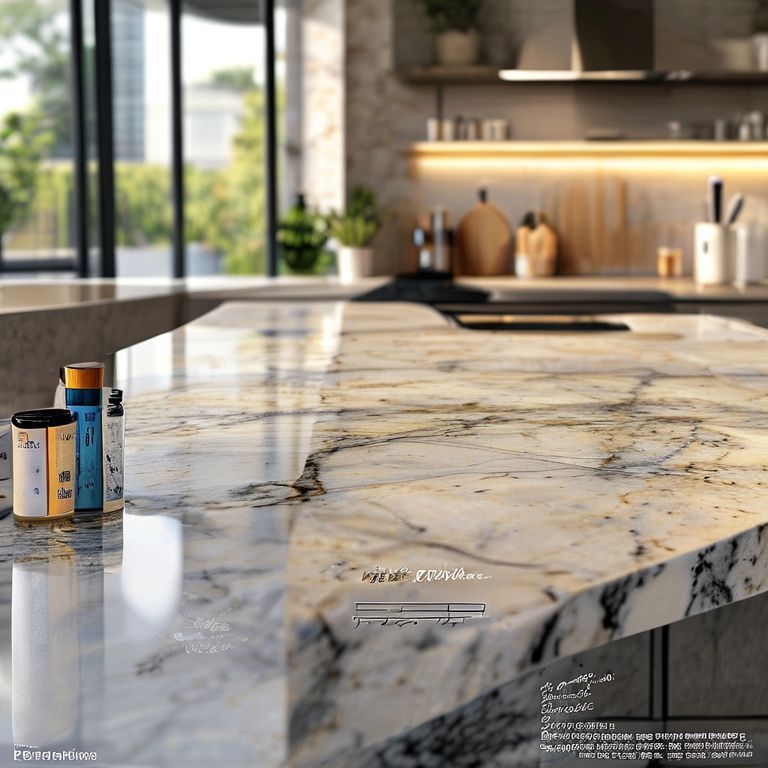
The Timeless Allure of Marble Stone Materials
When it comes to luxury and elegance in interior and exterior design, marble stands unrivaled. Revered for its stunning visual appeal and tactile beauty, marble has been a favored choice for centuries. From ancient temples and palaces to modern-day homes and commercial spaces, marble’s enduring charm has made it a staple in the world of high-end construction and decoration.

A Journey Through Marble’s Rich History
The history of marble stretches back to ancient civilizations. The Greeks and Romans extensively used marble for sculptures, buildings, and monuments. The Parthenon, with its intricately carved marble columns, is a testament to the timeless beauty of this stone material. In medieval Europe, marble was synonymous with wealth and grandeur, often used in churches and palaces to convey divine elegance and power.
Marble’s journey through history is marked by its versatility and the meticulous craftsmanship required to work with it. The stone’s unique properties have allowed it to be shaped, carved, and polished into myriad forms, making it an enduring symbol of luxury and sophistication.
Varieties of Marble: An Artistic Spectrum
Marble comes in a stunning array of colors, patterns, and textures, each variety offering a distinct aesthetic. Some of the most popular types of marble include:

Italian Marble: Known for its fine grain and intricate veining, Italian marble like Botticino, Carrara, and Statuario is prized for its elegance and versatility.
Indian Marble: Indian marble, such as Makrana and Rajasthan, offers a unique palette of colors, ranging from deep blacks to vibrant creams and pinks.
Egyptian Marble: Famous for its historical significance, Egyptian marble is often used in restoration projects and for its iconic white color.
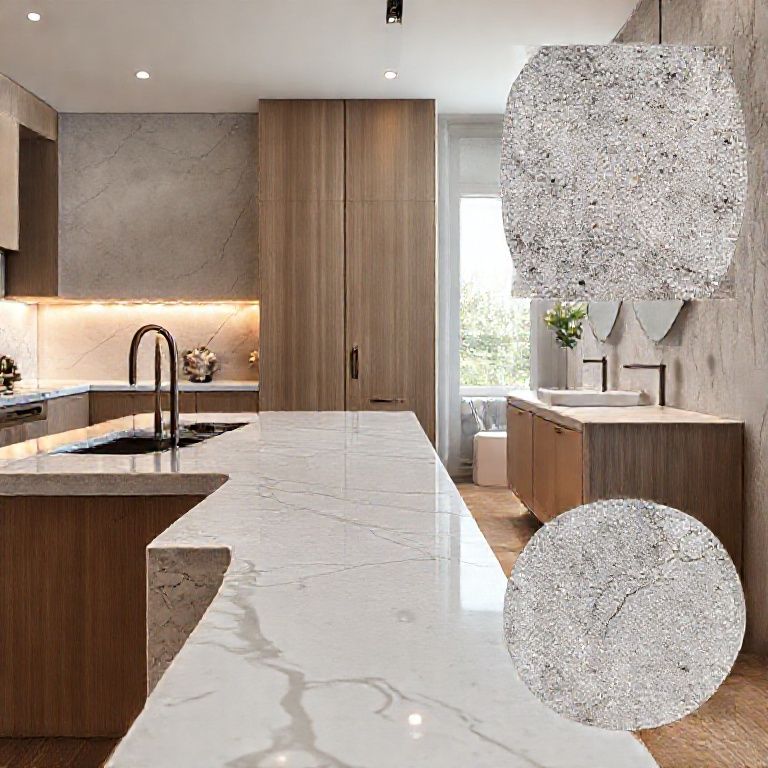
Turkish Marble: With its rich patterns and unique hues, Turkish marble like Emperor White and Royal White is favored for its classic beauty.
Each variety of marble brings its own character, making it suitable for different applications, from high-end countertops to exquisite flooring solutions.
Marble in Modern Architecture and Design
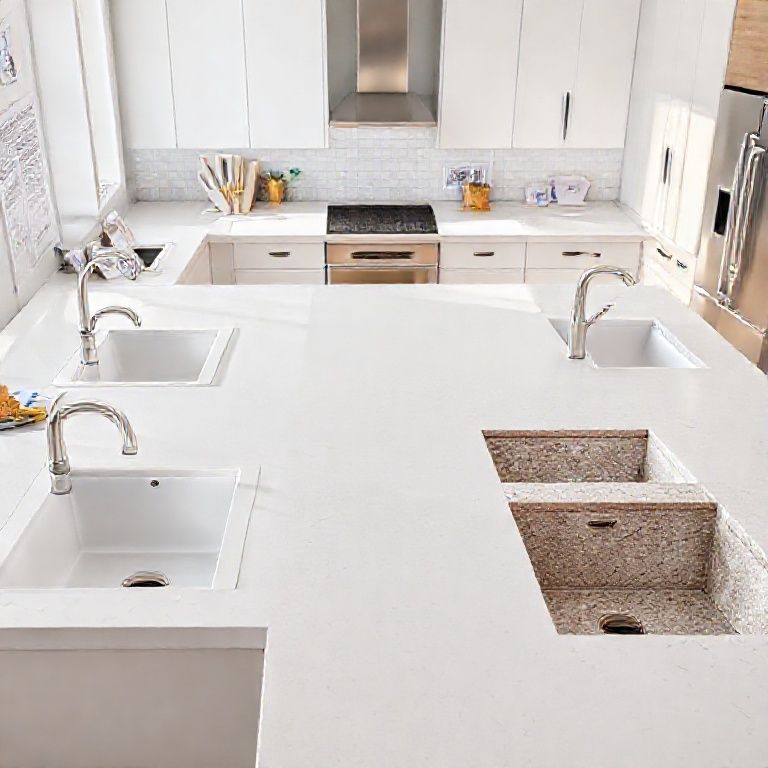
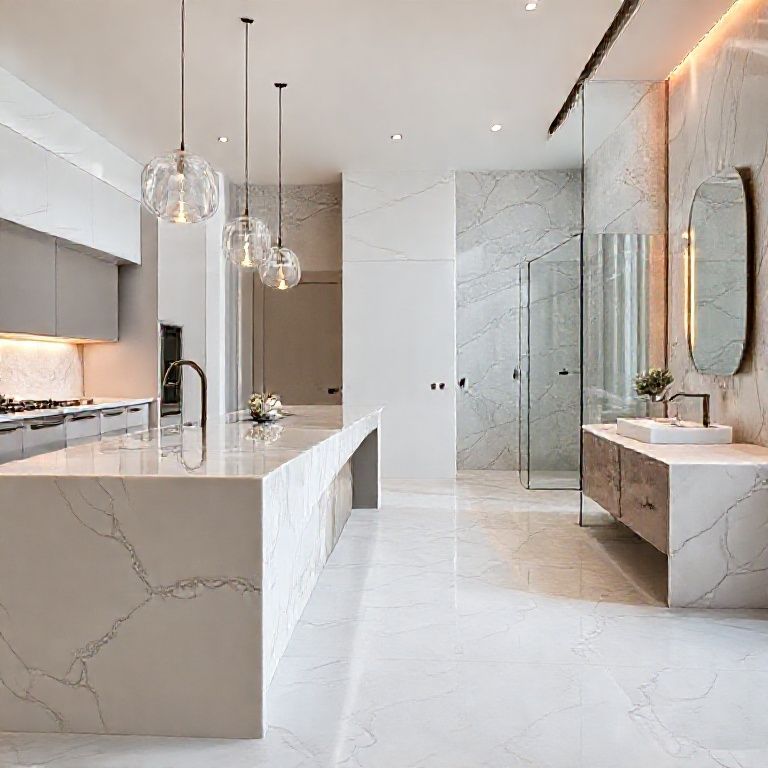
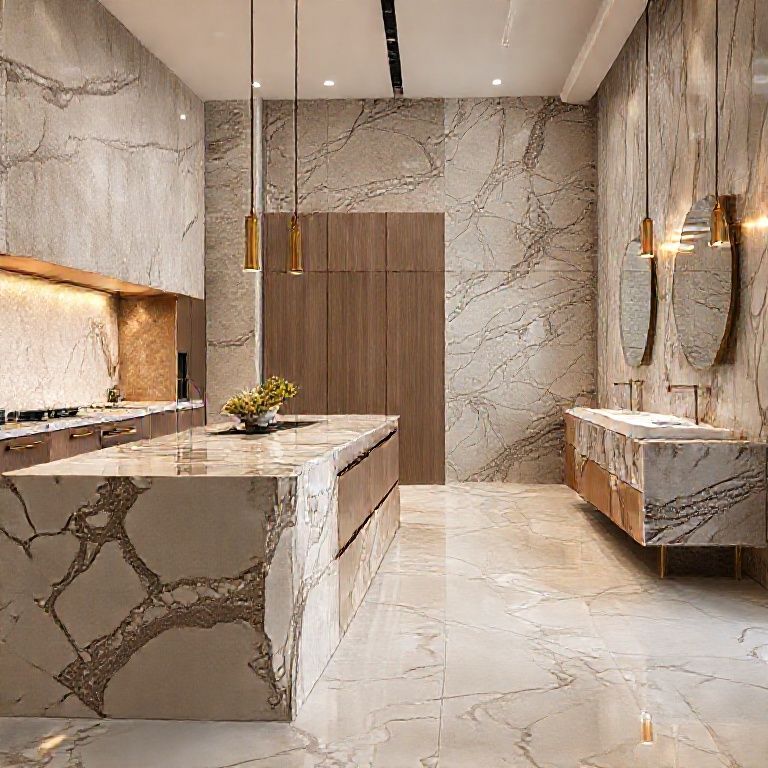
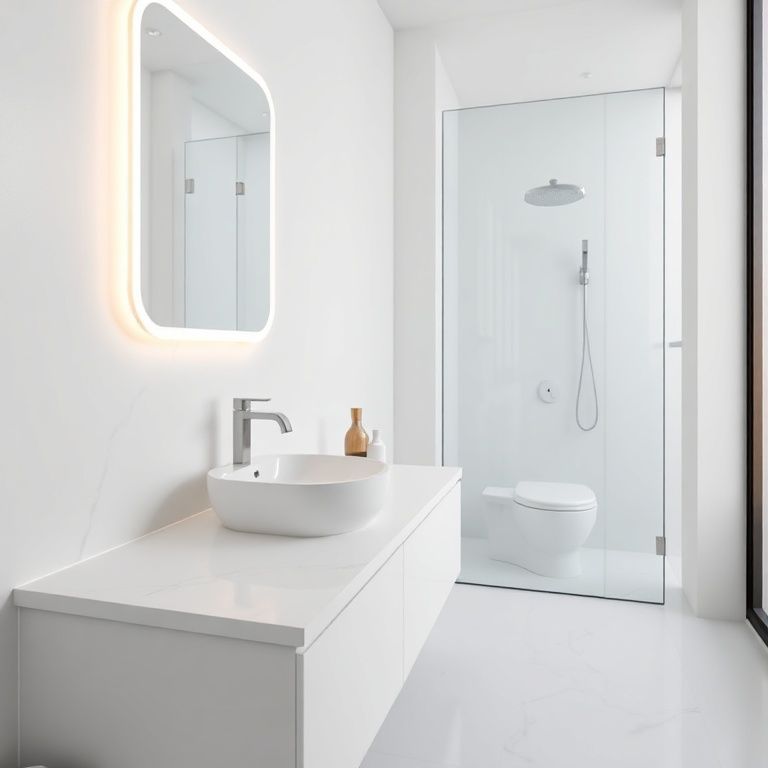
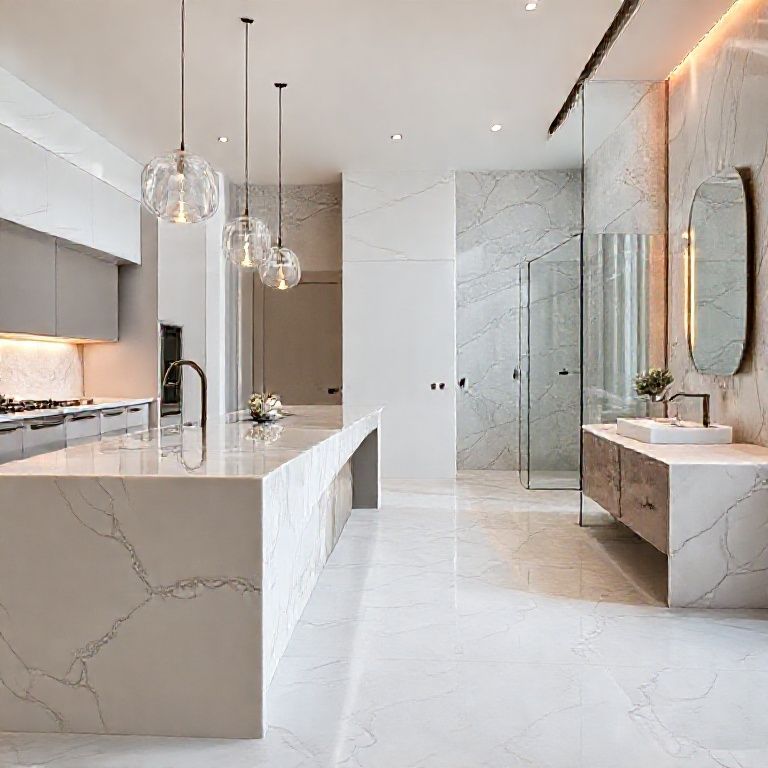
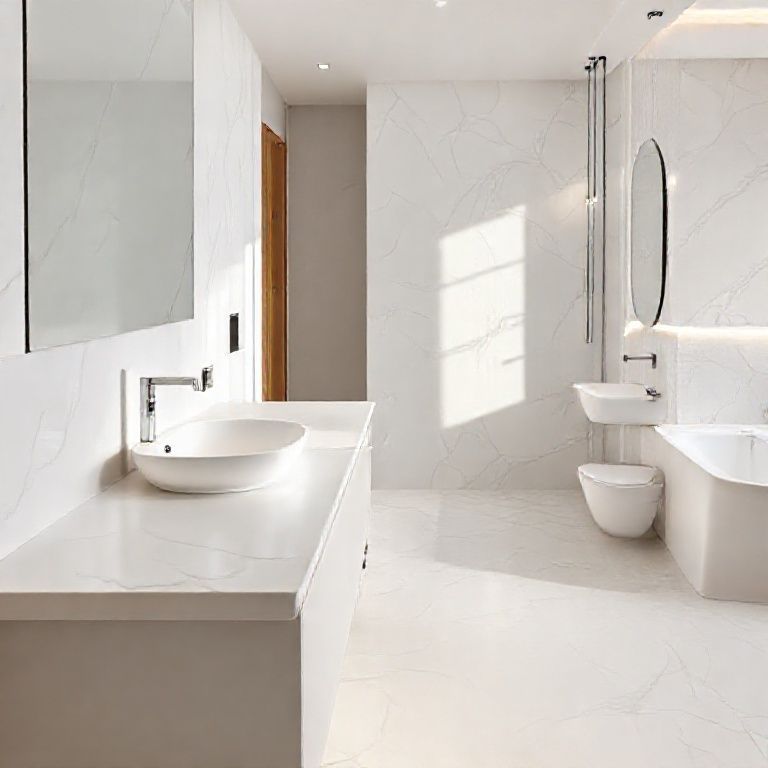
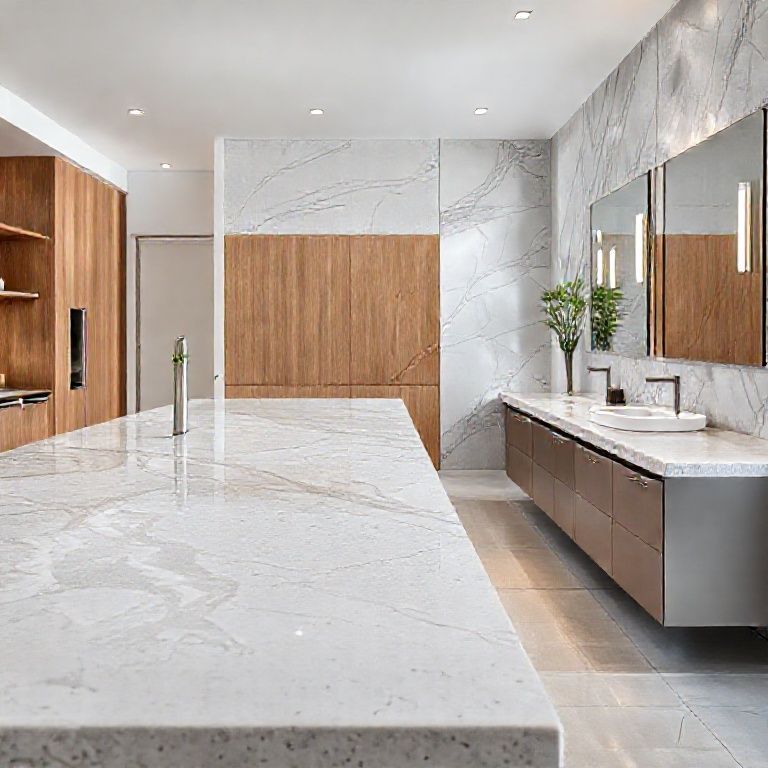
In contemporary design, marble continues to be a preferred choice for its aesthetic appeal and durability. Architects and designers leverage marble’s versatility to create stunning spaces that exude luxury and timeless elegance. Whether it’s used for kitchen countertops, bathroom tiles, or grand foyer flooring, marble’s beauty enhances the overall ambiance of any space.
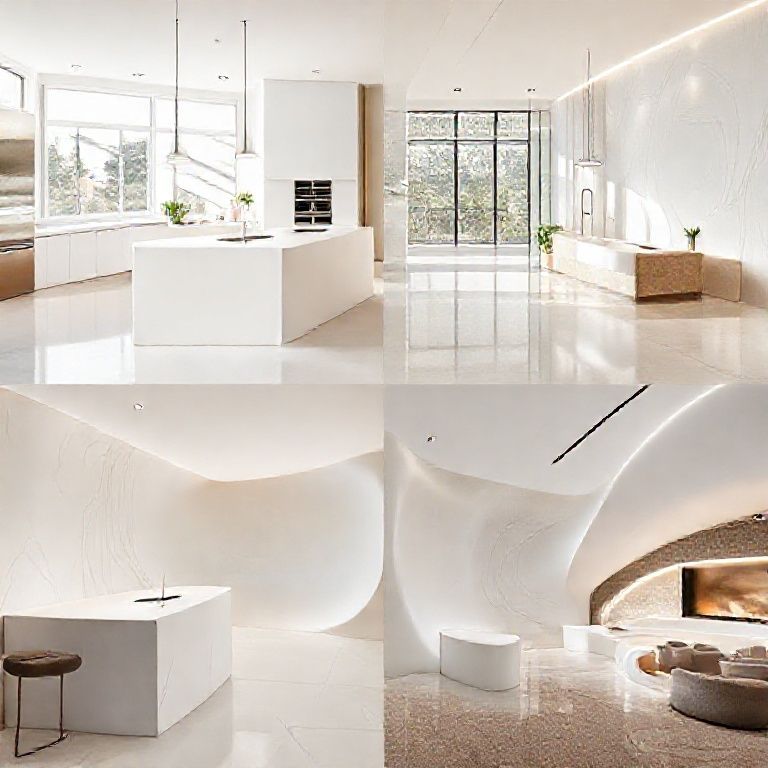
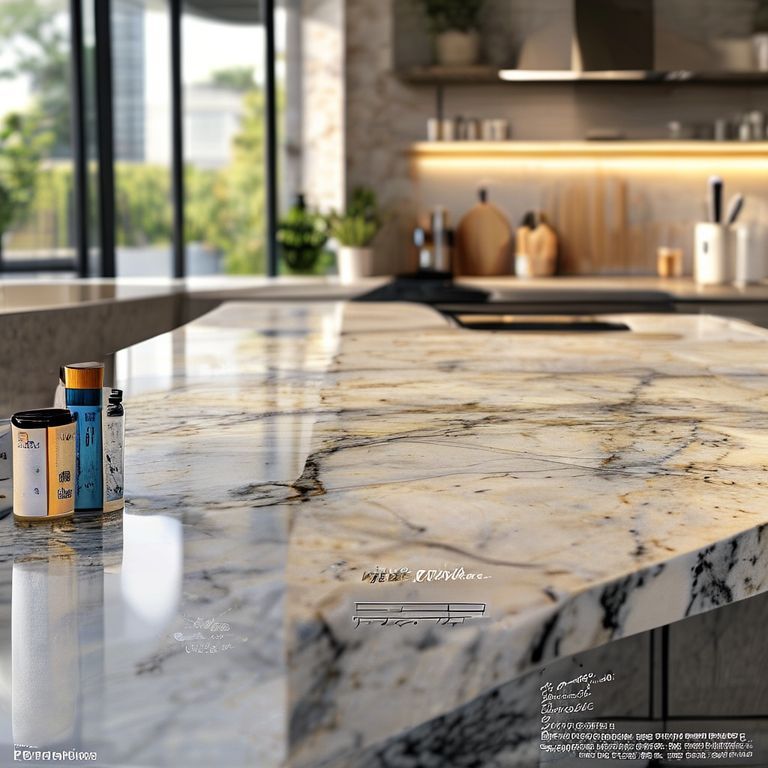
Marble’s natural luster and texture provide a unique touch that synthetic materials often cannot replicate. Its ability to reflect light beautifully adds a sense of depth and dimension, making it an ideal choice for high-end projects where visual impact is crucial.
Understanding Marble’s Pricing Trends
The cost of marble stone materials can vary significantly based on several factors, including the type of marble, its rarity, the quality of the stone, and the complexity of the design. Here are some key factors influencing marble pricing:
Type of Marble: Different varieties of marble have different price points. For instance, Carrara marble is generally more expensive than Makrana marble due to its historical significance and fine veining.
Color and Veining: Marbles with unique and rare color patterns or intricate veining tend to be more expensive. Stones with striking patterns or unique colors often command higher prices.
Quality: The quality of the marble, including its texture, uniformity, and absence of blemishes, directly affects its price. Higher-quality marble is typically more costly.
Complexity of Design: Custom designs and intricate carvings require more labor and expertise, which increases the overall cost.
Market Demand: The demand for certain types of marble can fluctuate based on trends and availability, influencing pricing.
The Investment in Marble: A Lasting Value
Despite its premium price tag, marble offers significant long-term value. Its durability and resistance to staining make it a low-maintenance choice for both residential and commercial projects. The investment in high-quality marble can significantly enhance the aesthetic appeal and value of a space, providing a luxurious finish that stands the test of time.
Conclusion
The timeless allure of marble stone materials continues to captivate designers and architects around the world. With its rich history, diverse varieties, and unparalleled beauty, marble remains a symbol of luxury and elegance. Understanding the different factors that influence marble pricing can help in making informed decisions, ensuring that the exquisite beauty of this natural stone is fully appreciated and utilized in any project.
Stay tuned for the next part of our series, where we will delve deeper into the maintenance, installation, and the future trends of marble stone materials.
Innovative Advancements and Future Trends in Marble Stone Materials
As we look to the future, the world of marble stone materials is undergoing significant transformations driven by technological advancements, sustainability initiatives, and evolving market dynamics. This second part of our series delves into the cutting-edge innovations and trends that are shaping the industry and redefining the way marble is perceived and utilized.
Cutting-Edge Technologies in Marble Processing
Advancements in technology have revolutionized the way marble is processed and utilized. From extraction to finishing, modern techniques are enhancing the quality, efficiency, and sustainability of marble production.
Laser Cutting and Engraving: Laser technology has introduced unprecedented precision in cutting and engraving marble. This allows for intricate designs and patterns that were previously impossible to achieve with traditional tools. Laser technology also reduces waste and improves the overall efficiency of the cutting process.
3D Printing: The advent of 3D printing has opened new possibilities in marble design and manufacturing. 3D printed marble components can be custom-made to exact specifications, offering unprecedented flexibility and creativity in design.
Advanced Polishing Techniques: Innovations in polishing technology are producing marble surfaces with an unparalleled luster and smoothness. These techniques ensure that the natural beauty of the stone is fully enhanced without compromising its integrity.
Sustainability Initiatives in Marble Production
In an era where sustainability is paramount, the marble industry is embracing eco-friendly practices to minimize its environmental impact.
Recycling and Reuse: Efforts to recycle and reuse marble waste have been gaining momentum. Marble scraps and remnants from construction and renovation projects are being repurposed, reducing the need for new raw materials and minimizing waste.
Sustainable Quarrying: Sustainable quarrying practices are being implemented to minimize the environmental footprint of marble extraction. This includes measures to protect local ecosystems, reduce water usage, and ensure the responsible management of quarries.
Eco-Friendly Finishes: The development of eco-friendly finishes and sealants for marble is reducing the use of harmful chemicals and improving the overall sustainability of the product.
Future Market Trends in Marble Stone Materials
The market for marble stone materials is continually evolving, influenced by changing consumer preferences, economic factors, and global trends.
Growing Demand in Asia: Asia, particularly countries like China and India, is witnessing a significant surge in demand for marble. The rapid growth of the construction and interior design sectors in these regions is driving the need for high-quality marble materials.
Rise of Smart Marble: The integration of smart technologies into marble products is a growing trend. Smart marble solutions, such as self-cleaning surfaces and interactive displays, are finding applications in modern homes and commercial spaces.
Customization and Personalization: Consumers are increasingly seeking customized and personalized marble solutions. From bespoke countertops to unique flooring designs, the demand for tailored marble products is on the rise.
The Role of Design in the Future of Marble
Design plays a crucial role in shaping the future of marble stone materials. As architects and designers continue to push the boundaries of creativity, marble is being used in innovative and unexpected ways.
Architectural Innovations: Marble is being incorporated into cutting-edge architectural projects that challenge traditional design norms. Its versatility allows for seamless integration with various building materials and styles.
Interior Design Trends: In interior design, marble is being used to create sophisticated and elegant spaces. From luxurious living rooms to high-end kitchens, marble’s timeless appeal continues to inspire innovative design solutions.
Sustainable Design: Sustainable design principles are influencing the way marble is used. Eco-friendly designs that incorporate recycled materials, sustainable quarrying practices, and energy-efficient production methods are becoming increasingly popular.
The Investment in Marble: A Sustainable Future
Investing in marble today means embracing a future that values sustainability, innovation, and timeless beauty. As the industry continues to evolve, the long-term value of high-quality marble remains unmatched. Its durability, low maintenance, and ability to adapt to new technologies ensure that marble will remain a coveted choice for generations to come.
Conclusion
The future of marble stone materials is bright, driven by advancements in technology, sustainability initiatives,继续:未来的可持续性与市场前景
随着全球对可持续发展的重视程度不断提高,石材行业也在积极响应,推动可持续发展的进程。未来,我们可以期待更多创新和改进,以确保石材生产和应用符合环境保护和资源节约的要求。
可持续性与环保措施
低碳生产技术:未来的石材生产将更加注重减少碳排放。通过引入低碳技术和工艺,如先进的切割和加工技术,可以有效降低生产过程中的碳足迹。
可再生能源利用:越来越多的石材企业将开始使用可再生能源,如太阳能和风能,来驱动其生产设备,从而进一步减少对传统化石燃料的依赖。
循环经济:循环经济理念将在石材行业得到更广泛的应用。例如,通过回收和再利用建筑废料,可以减少对新原材料的需求,降低环境影响。
市场前景与趋势
亚太市场增长:亚太地区,尤其是中国和印度,将继续是石材市场的主要增长引擎。随着城市化进程加快和建筑业的蓬勃发展,对优质石材的需求将持续增加。
高端市场需求增加:随着人们对高端生活品质的追求,对高品质和独特设计的石材需求将增加。特别是在高端建筑和室内设计领域,原石和定制化石材将受到青睐。
智能化与数字化趋势:数字化和智能化将在石材行业中得到进一步推广。利用大数据和物联网技术,可以实现生产过程的优化和管理,提高效率,降低成本。
环保材料的发展:随着环保意识的增强,环保型和低VOC(挥发性有机化合物)的石材产品将受到更多消费者的青睐。这些产品不仅美观,而且对室内空气质量有益。
未来的挑战与机遇
尽管前景看好,石材行业仍面临一些挑战和机遇:
环境保护压力:随着环境保护法规的日益严格,石材企业需要不断改进生产工艺,以符合更高的环保标准。
原材料供应链管理:保证稳定的原材料供应是一个持续的挑战,尤其是在原材料价格波动较大的情况下。企业需要建立灵活的供应链管理体系,以应对市场波动。
技术创新与研发投入:持续的技术创新和研发投入是保持竞争力的关键。企业需要加大对新技术和新工艺的投入,以满足市场多样化的需求。
市场拓展与品牌建设:通过市场拓展和品牌建设,提高品牌知名度和影响力,可以为企业带来更多的市场机会。特别是在国际市场,品牌的认可度和信任度将直接影响销售业绩。
未来的石材行业将在技术创新、可持续发展和市场拓展等方面取得长足进步。尽管面临诸多挑战,但这也为企业提供了巨大的发展机遇。通过不断提升产品质量、优化生产工艺和加强市场推广,石材行业必将在全球市场中发挥更大的作用,为建筑和设计行业提供更加美观、环保和智能的解决方案。