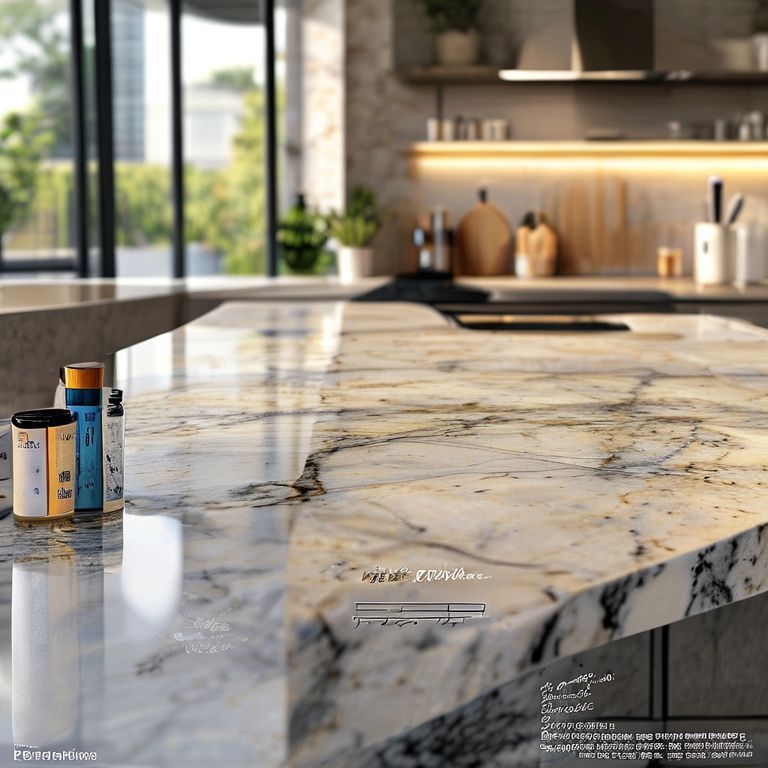
In the ever-evolving landscape of interior design, one material stands out for its elegance, durability, and versatility: engineered marble. But what exactly is synthetic marble made of? This material, often referred to as engineered marble, is a sophisticated blend of artistry and technology, designed to offer the beauty of natural marble with added benefits that make it ideal for contemporary interiors.
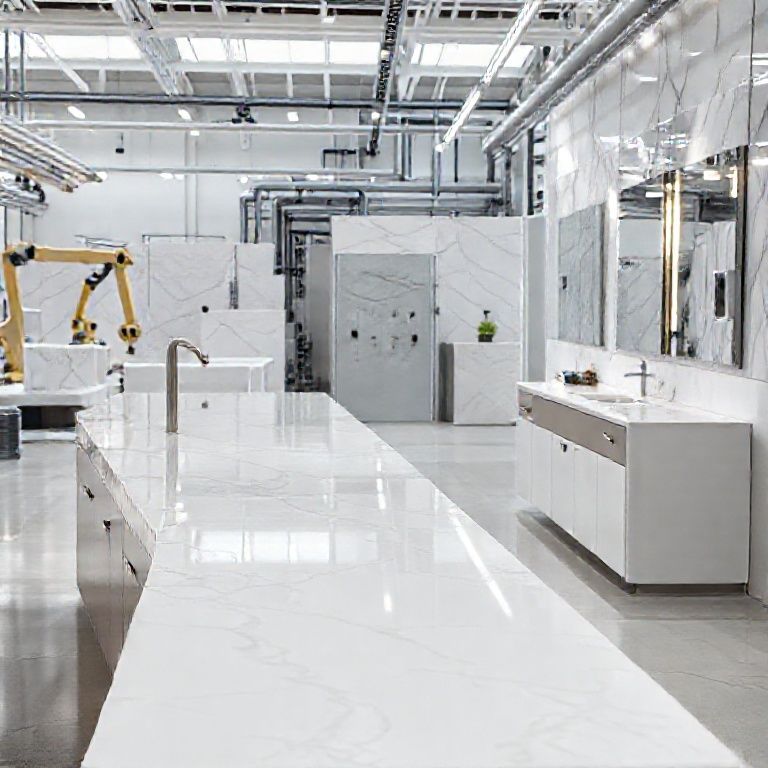
The Composition of Engineered Marble
At its core, engineered marble is a composite material crafted from a mixture of natural stone powders, resins, and pigments. The most commonly used stone powder is marble, but other stones such as granite and limestone can also be incorporated to create unique variations. This combination is meticulously layered and bonded together using advanced resin technology to form a cohesive and uniform material.
The Process of Creation
The journey from raw materials to finished product involves several critical steps:
Material Preparation: High-quality natural stone powders are sourced and ground into fine particles. These powders are then mixed with color pigments to achieve the desired hue. Layering: The stone-resin mixture is spread onto a mold and carefully layered to create the characteristic veining and patterns found in natural marble. Curing: The layered material is subjected to high pressure and temperature to bond the layers together, resulting in a strong and durable product. Finishing: Once cured, the engineered marble slabs are cut, polished, and finished to achieve a polished, high-gloss surface that replicates the look of natural marble.
Advantages of Engineered Marble
Engineered marble is not just an aesthetically pleasing option; it also offers several practical benefits that make it a superior choice for modern design:
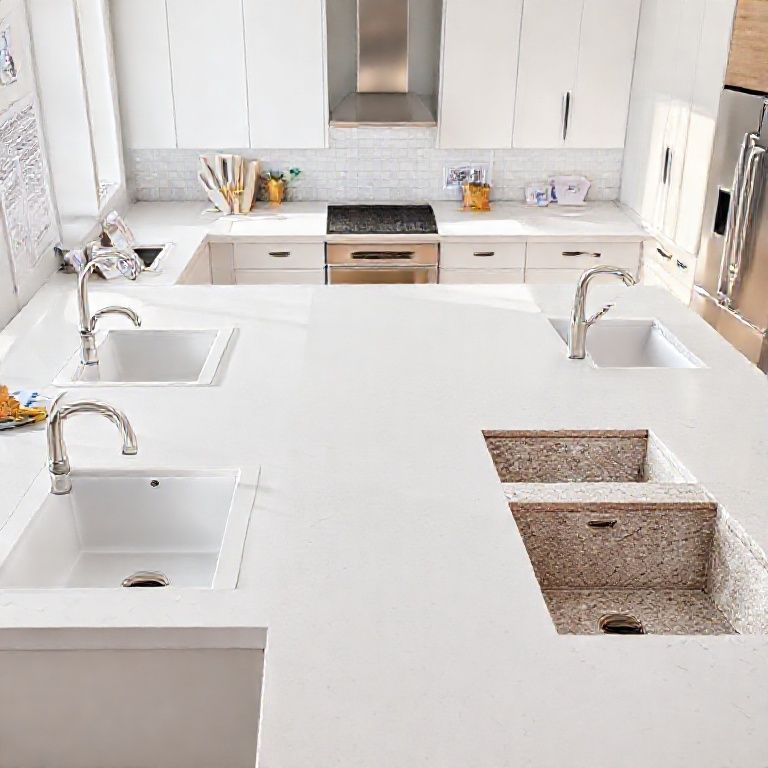
Durability: Unlike natural marble, which can be prone to staining, scratching, and chipping, engineered marble is significantly more resistant to these issues. Its composite nature ensures a longer lifespan and less maintenance. Customization: The manufacturing process allows for endless customization. Designers can choose from a wide range of colors, patterns, and finishes to create bespoke designs that perfectly match their vision. Cost-Effectiveness: While the initial cost of engineered marble might be slightly higher than some alternatives, its durability and reduced maintenance needs translate to long-term savings. Sustainability: Engineered marble is a more sustainable option compared to natural stone. It reduces the demand for quarrying and allows for the reuse of stone waste, making it an eco-friendly choice.
Applications in Modern Design
Engineered marble’s versatility makes it an ideal choice for various applications in contemporary interiors:
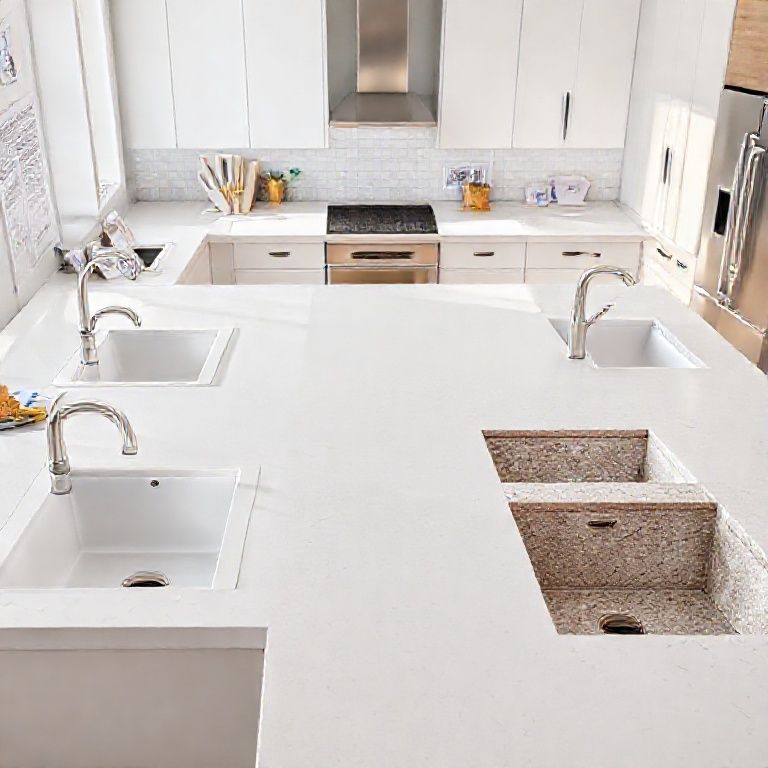
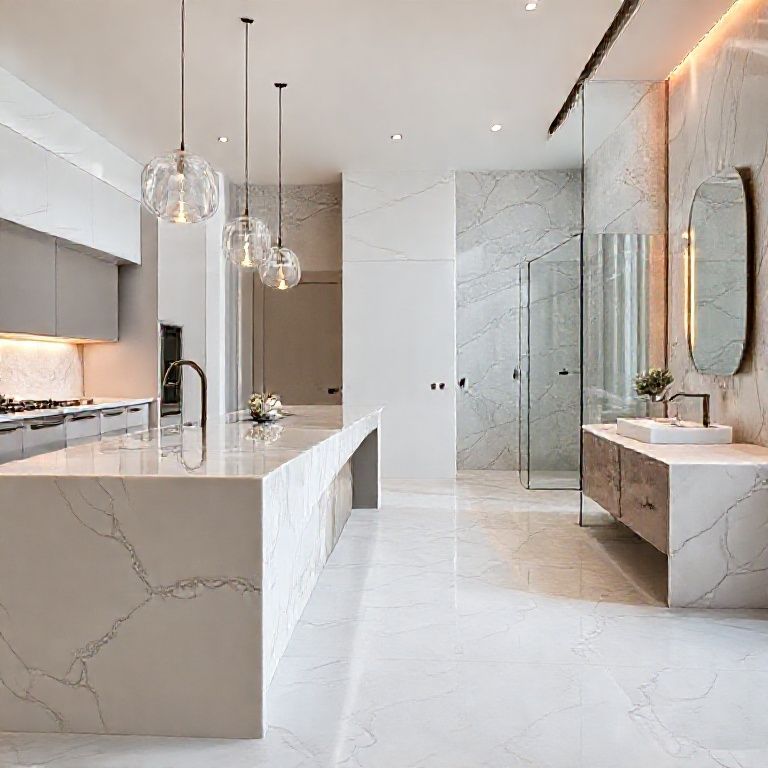
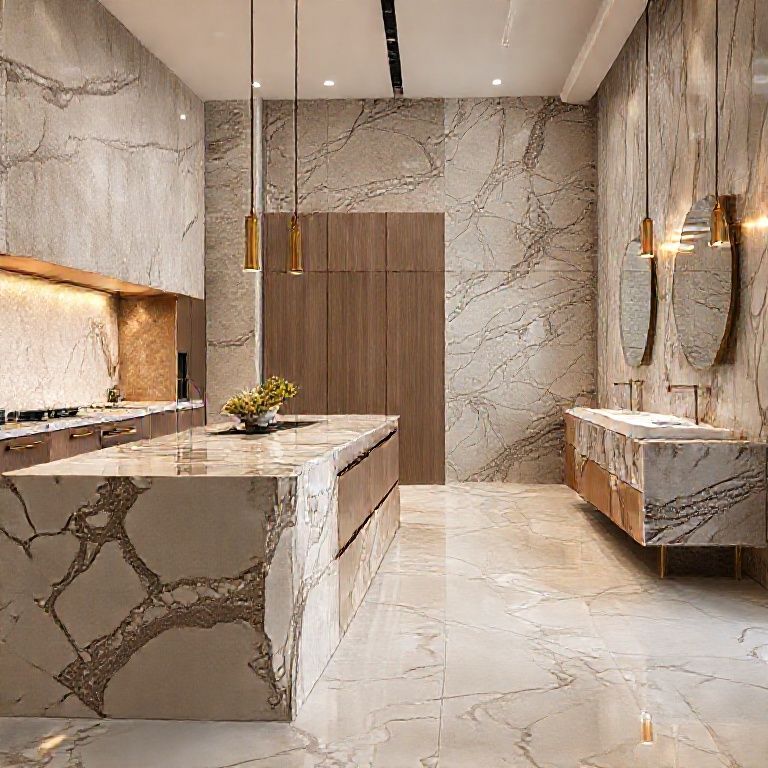
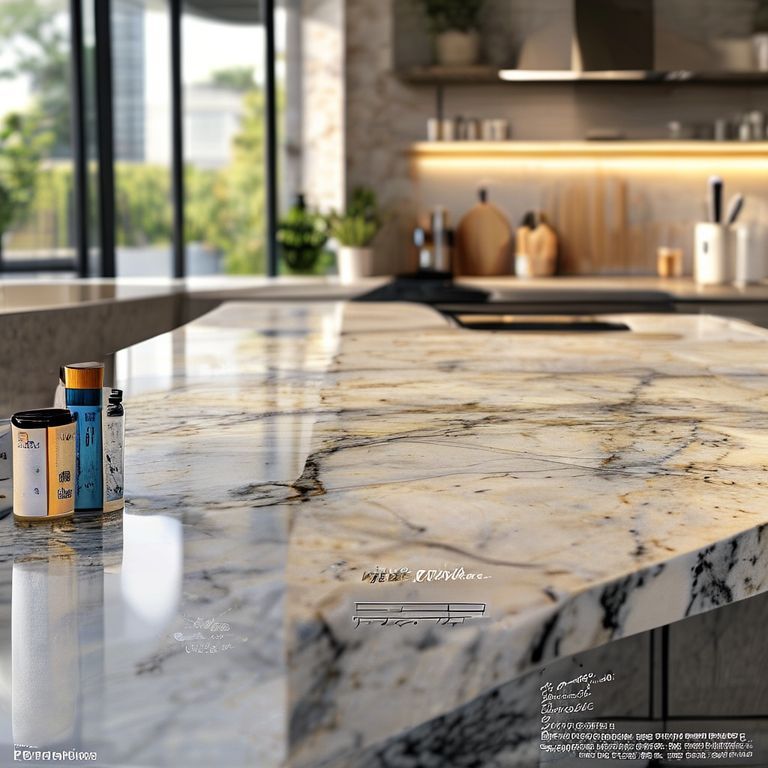
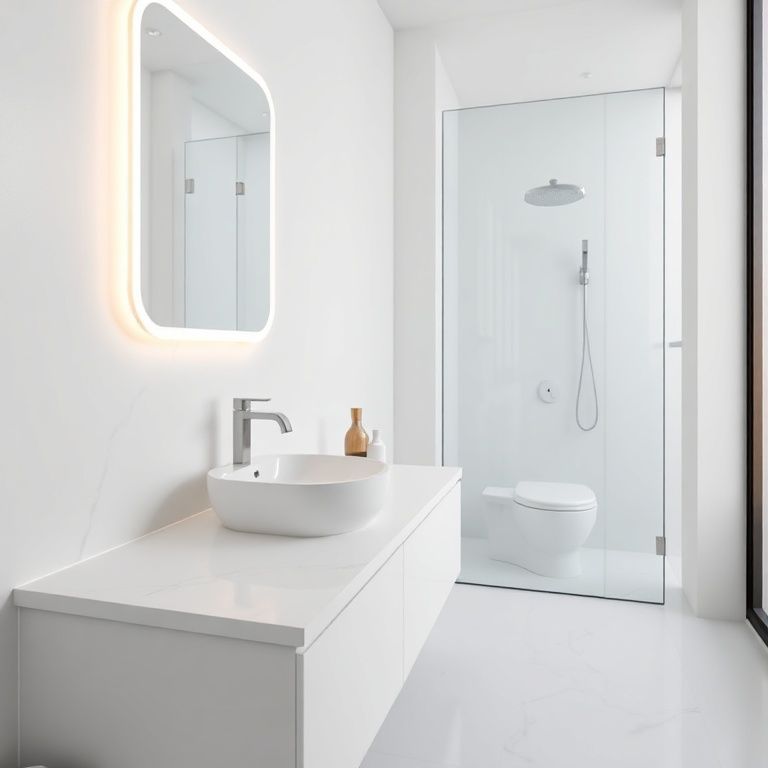
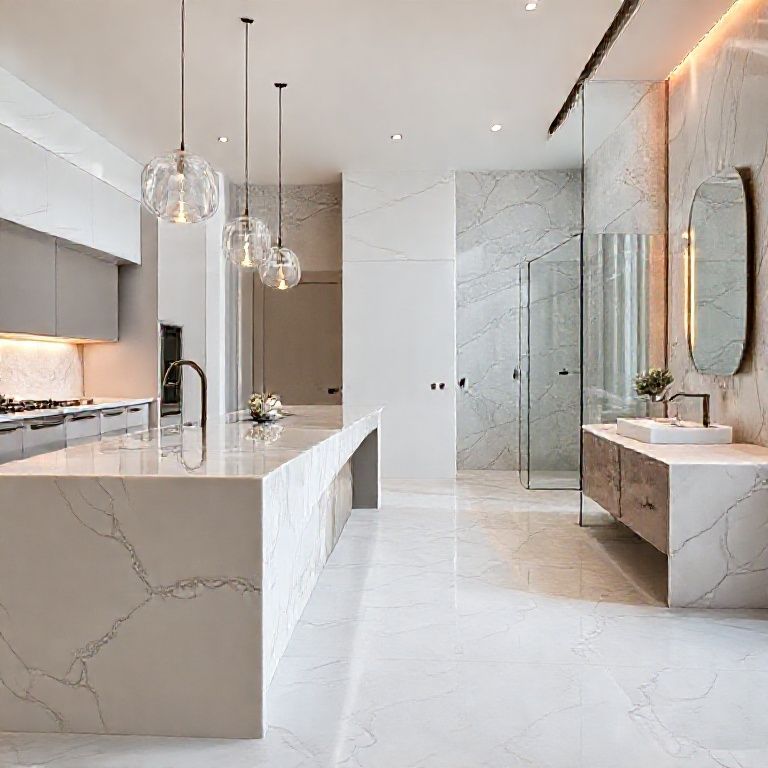
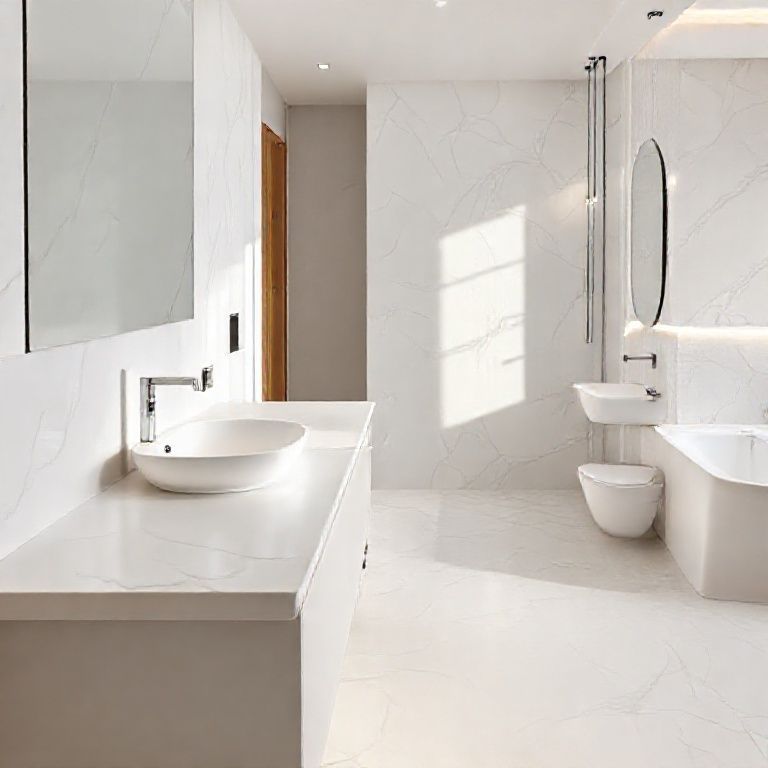
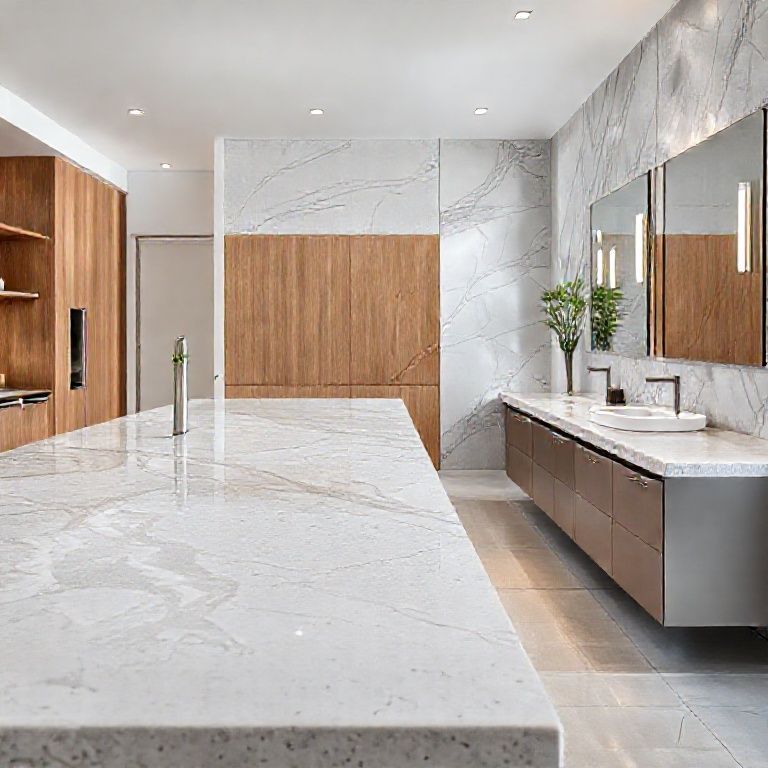
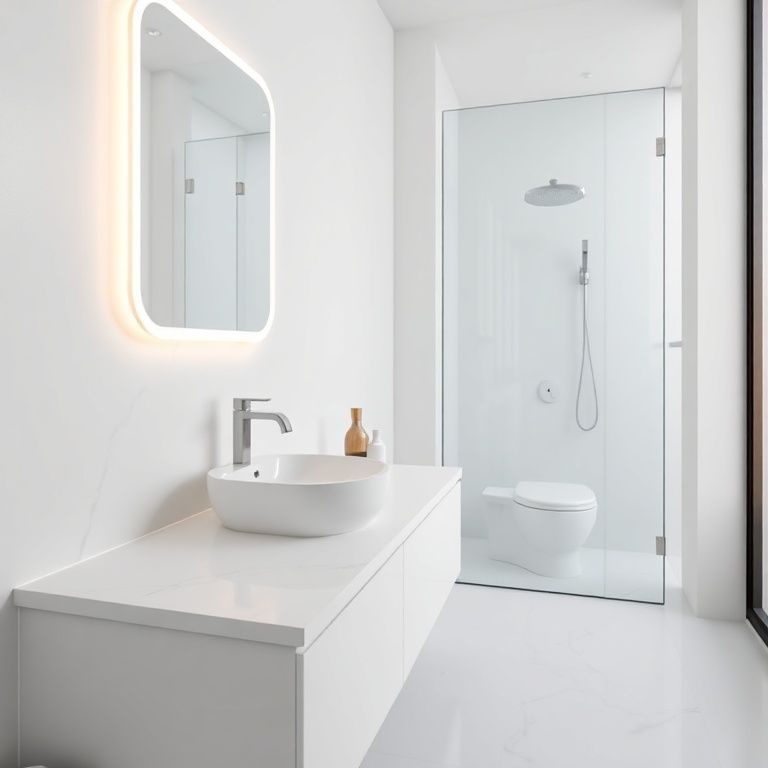
Countertops: The sleek, polished surfaces of engineered marble countertops are perfect for kitchens and bathrooms, providing both beauty and functionality. Flooring: Its durability and resistance to stains make it an excellent choice for flooring, offering a luxurious look without the high maintenance of natural stone. Wall Cladding: Engineered marble can be used for wall cladding, adding a touch of elegance and sophistication to any space. Furniture: From dining tables to cabinets, engineered marble’s customizable nature allows for innovative and stylish furniture designs.
Conclusion
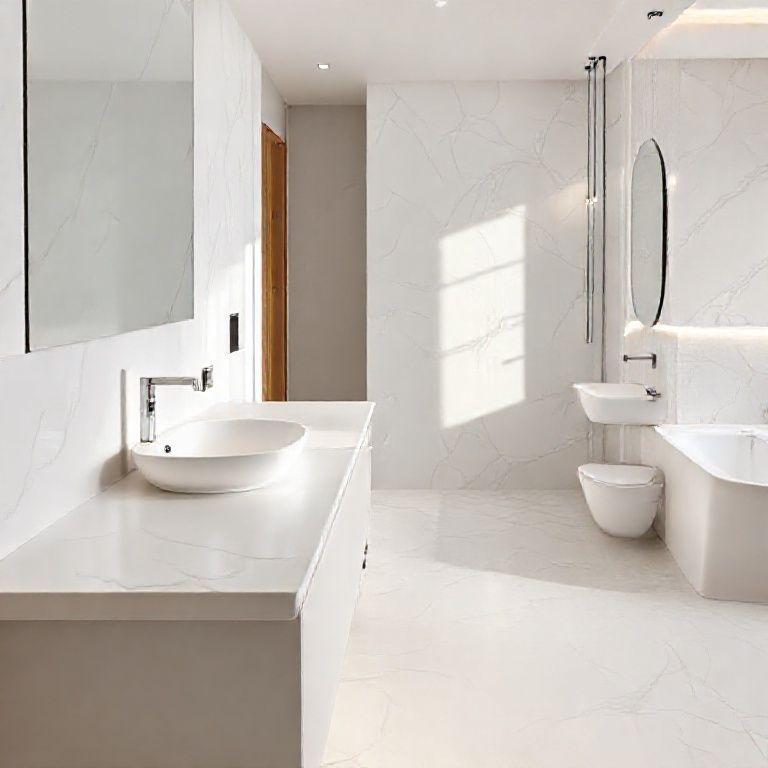
Engineered marble represents the pinnacle of modern design innovation. By combining the beauty of natural stone with advanced manufacturing techniques, it offers a material that is both durable and adaptable. Its unique composition and the meticulous process behind its creation make it a superior alternative to traditional natural marble. As architects and designers continue to push the boundaries of what’s possible, engineered marble stands out as a testament to the marriage of artistry and technology in the world of interior design.
Innovative Techniques in Manufacturing
The manufacturing process of engineered marble is a marvel of modern technology, combining traditional craftsmanship with cutting-edge techniques to produce a material that rivals and often surpasses natural marble in both beauty and functionality.
Advanced Layering Techniques
One of the key aspects of engineered marble production is the layering technique. The natural stone powders and resins are meticulously layered to replicate the intricate veining and patterns of natural marble. Advanced layering machines ensure precision, allowing for the creation of complex designs that are difficult to achieve with natural stone.
High-Pressure Curing
The curing process is where engineered marble truly comes to life. After the layers are meticulously applied, the material undergoes high-pressure curing. This process involves placing the layered material in a mold and subjecting it to immense pressure and high temperatures. The result is a material that is not only strong and durable but also tightly bonded, ensuring a seamless and uniform finish.
Finishing Touches
The final step in the manufacturing process is the finishing phase. Engineered marble slabs are carefully cut to size and then polished to achieve a high-gloss finish that showcases the intricate patterns and colors embedded within. The polishing process involves using fine abrasives and polishes to achieve a surface that is not only beautiful but also highly resistant to scratches and stains.
Environmental Benefits
Engineered marble stands out as a sustainable alternative to traditional natural stone. Its production process involves the use of stone waste and powders, significantly reducing the environmental impact associated with quarrying and the disposal of stone by-products. This eco-friendly approach aligns with the growing demand for sustainable and responsible materials in modern construction and design.
Waste Reduction
By recycling stone waste and using only high-quality stone powders, the production of engineered marble significantly reduces waste. Traditional quarrying processes generate large amounts of waste material, which often has no practical use. In contrast, engineered marble’s manufacturing process repurposes these materials, leading to a more sustainable and responsible approach to material production.
Lower Carbon Footprint
The manufacturing of engineered marble generally has a lower carbon footprint compared to natural stone. Quarrying natural stone involves significant environmental disruption, including deforestation and habitat destruction. In contrast, the production of engineered marble is a more controlled and efficient process, resulting in fewer emissions and less environmental impact.
Versatility in Design
Engineered marble’s versatility makes it an invaluable material in modern design. Its ability to mimic the beauty of natural marble while offering enhanced durability and customization options opens up a world of possibilities for architects and designers.
Customization and Design Flexibility
Engineered marble allows for a high degree of customization. Designers can choose from a wide range of colors, patterns, and finishes to create bespoke designs that perfectly match their vision. This flexibility enables the creation of unique and innovative designs that push the boundaries of traditional aesthetics.
Applications Across Various Industries
Engineered marble’s versatility extends across multiple industries, including:
Healthcare: The hygienic and durable nature of engineered marble makes it ideal for hospitals and clinics, where cleanliness and longevity are paramount. Retail: The sleek and sophisticated look of engineered marble is perfect for retail spaces, where it can enhance the brand’s image and create an appealing shopping environment. Public Spaces: From airports to government buildings, engineered marble’s durability and resistance to wear and tear make it an ideal choice for high-traffic public spaces.
The Future of Interior Design
Engineered marble is not just a trend but a significant advancement in the field of interior design. Its combination of beauty, durability, and sustainability positions it as a leading material for future design projects.
Sustainability and Innovation
As the demand for sustainable and innovative materials grows, engineered marble is set to play a crucial role in shaping the future of interior design. Its eco-friendly production process and the ability to replicate the timeless beauty of natural marble make it an ideal choice for architects and designers who are committed to sustainability.
Setting New Standards
Engineered marble is already setting new standards in the industry. Its high-quality finish, durability, and customizable nature are pushing designers to explore new possibilities and create more innovative and sustainable designs. As technology continues to advance, the potential for engineered marble to revolutionize interior design further expands.
Conclusion
Engineered marble represents a significant leap forward in the world of interior design. Its innovative manufacturing techniques, environmental benefits, and unparalleled versatility make it a material of choice for modern architects and designers. As we继续探讨engineered marble(人造大理石)在现代设计中的重要性和未来发展,我们可以更深入地看到它在不同领域的应用以及对未来建筑和室内设计的影响。
广泛应用
由于其多功能性和美观性,engineered marble被广泛应用于各种建筑和室内设计项目中。
建筑外立面
Engineered marble的高耐久性和抗污性使其成为建筑外立面的理想选择。其光滑、富有光泽的表面不仅美观,而且在风化和紫外线下表现出色,不需要频繁维护。
办公空间
在办公空间,engineered marble的高强度和耐用性使其成为办公桌、会议桌和接待台的理想材料。其耐污性和易清洁的特性能够维护办公环境的整洁和卫生。
Engineered marble在保护和修复历史建筑和文化遗址中也发挥了重要作用。由于其可以精确地复制历史大理石的外观,它可以用来修复和更新那些因时间和环境而受损的历史建筑表面。
未来发展
Engineered marble的未来发展充满了可能性,特别是在技术进步和环保需求日益增长的背景下。
技术创新
随着材料科学和制造技术的不断进步,engineered marble的性能和外观将会进一步提升。例如,通过添加新型纳米材料,可以进一步提高其耐用性和美观性。
环保材料
随着全球对环保和可持续发展的关注,engineered marble作为一种可再生和可回收的材料,将会在更多环保项目中得到应用。未来,其生产过程可能会更加绿色,减少对环境的影响。
个性化设计
随着3D打印和其他先进制造技术的发展,engineered marble的个性化定制将变得更加普及。设计师将能够创造出更加独特和复杂的设计,满足不同项目的特定需求。
结论
Engineered marble作为一种现代材料,正在以其卓越的性能和环保优势,在建筑和室内设计中占据越来越重要的位置。它不仅提供了高质量、耐用且美观的选择,还支持可持续发展的设计理念。随着技术的进步和对环保的需求不断增加,engineered marble的应用前景将更加广阔,为未来的建筑和室内设计带来更多创新和可能性。