Understanding Artificial Marble and Its Safety
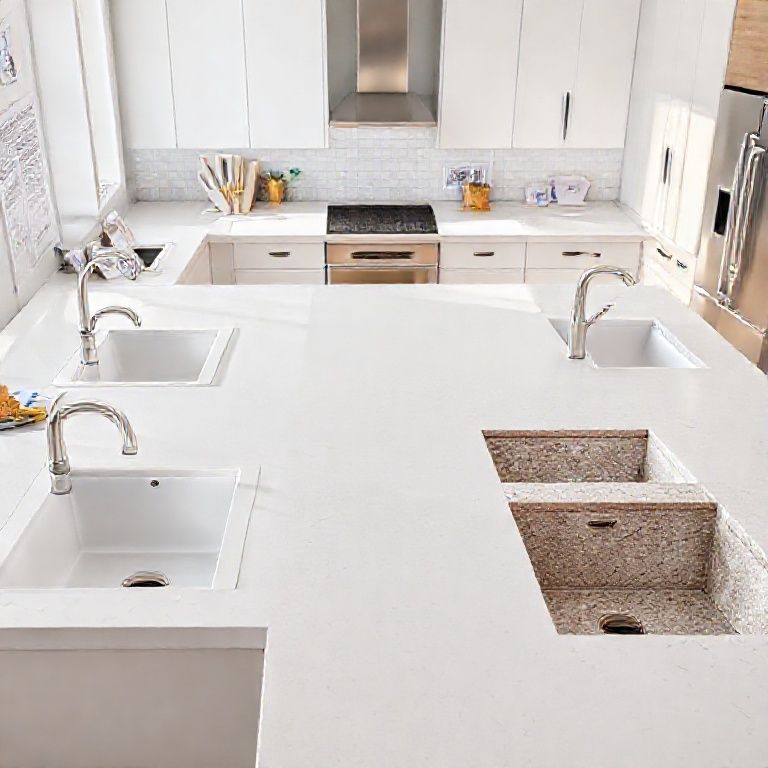
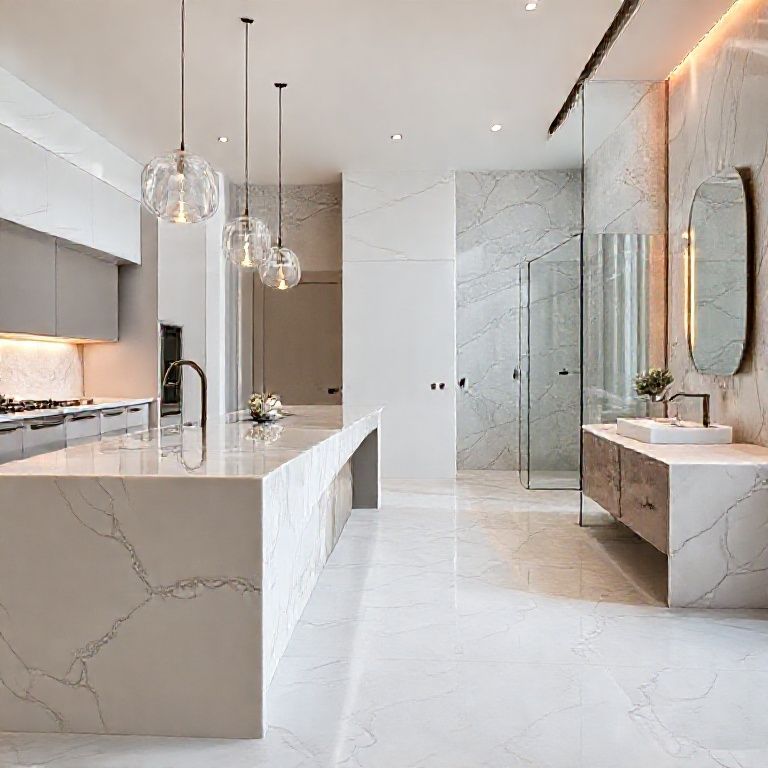
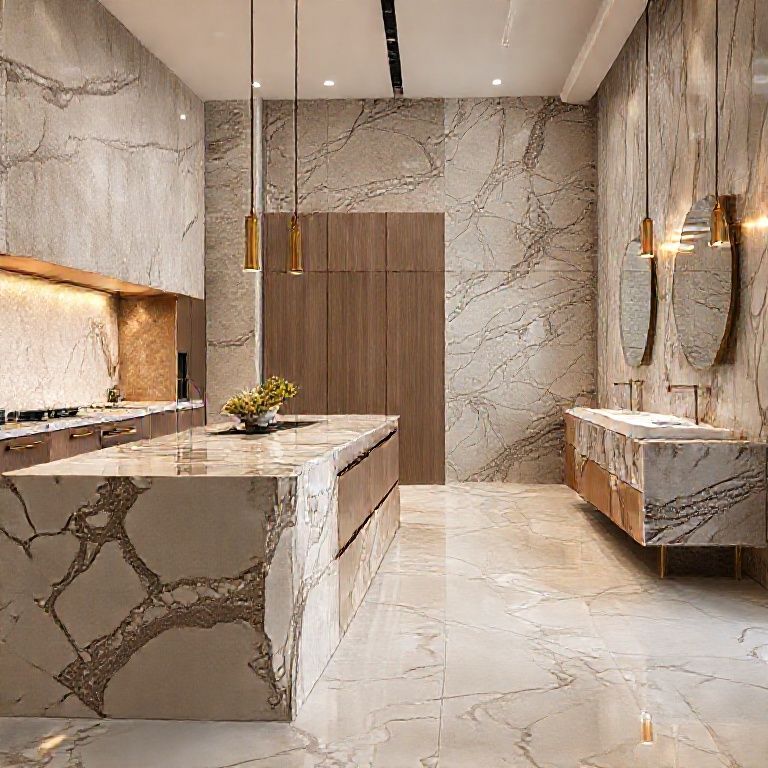
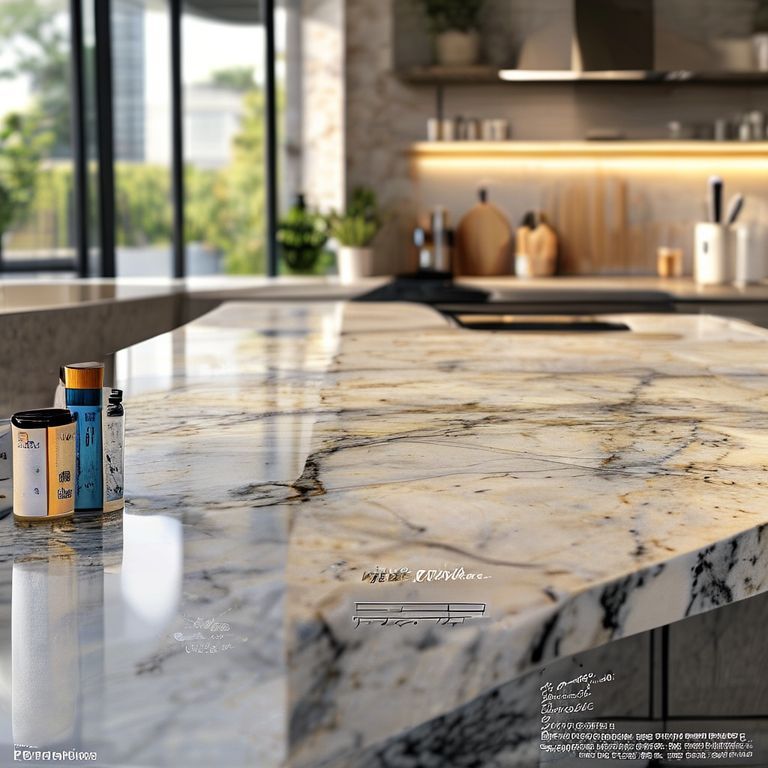
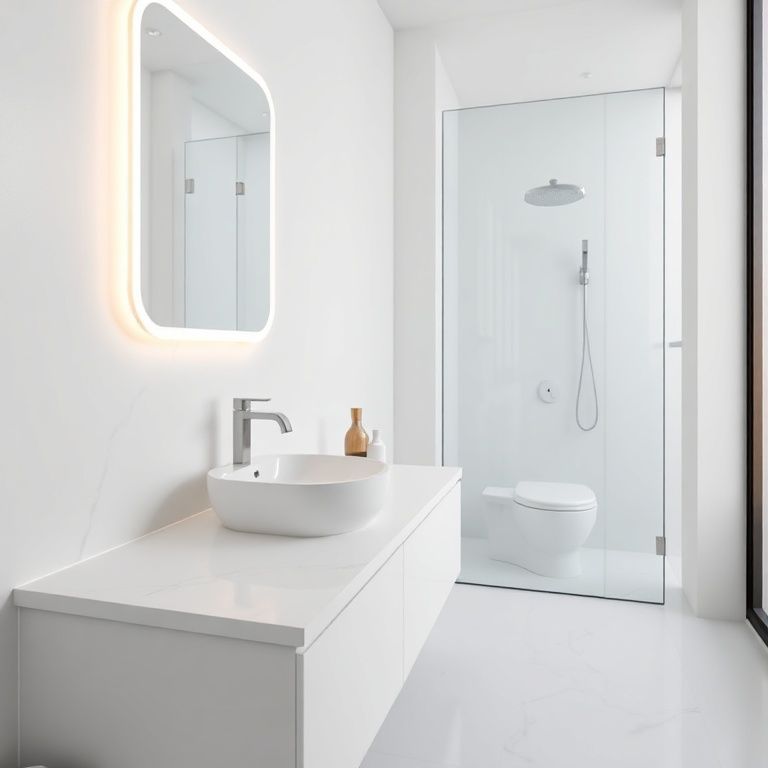
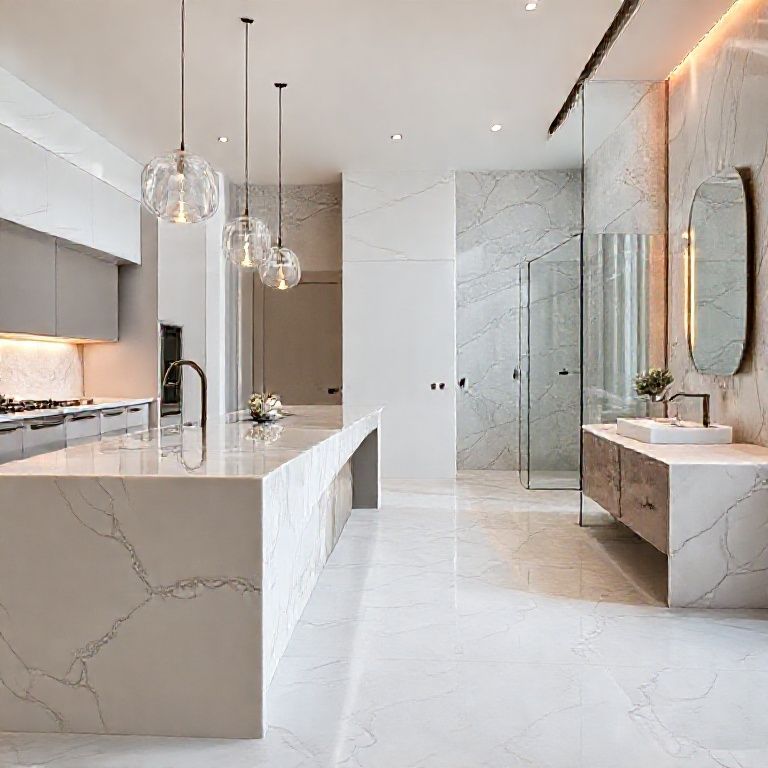
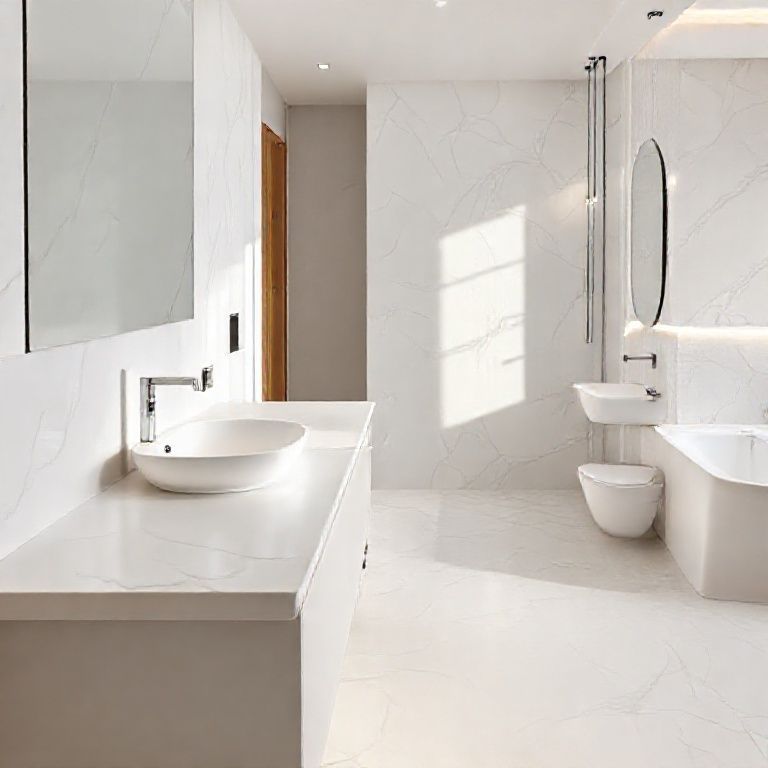
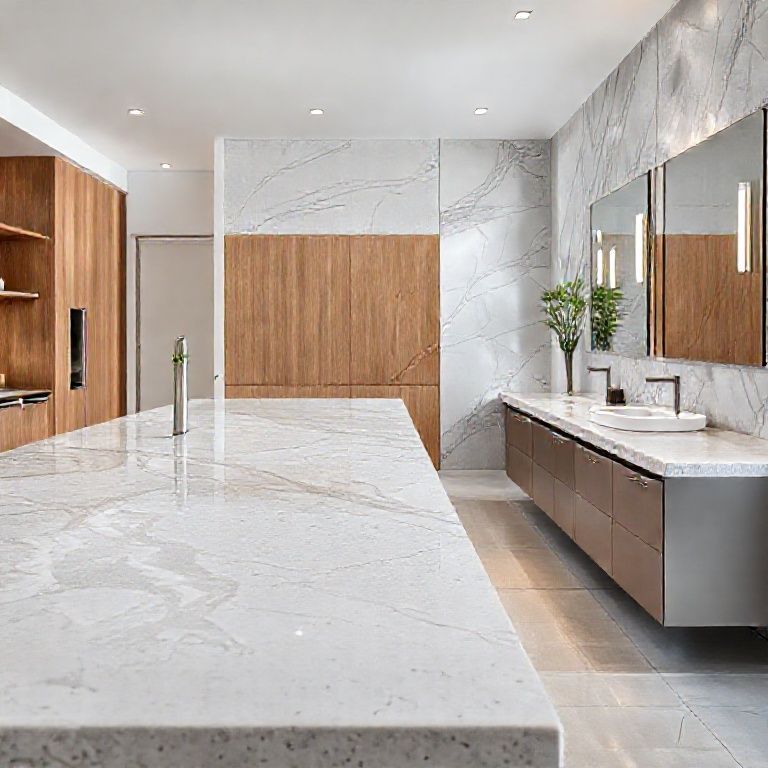
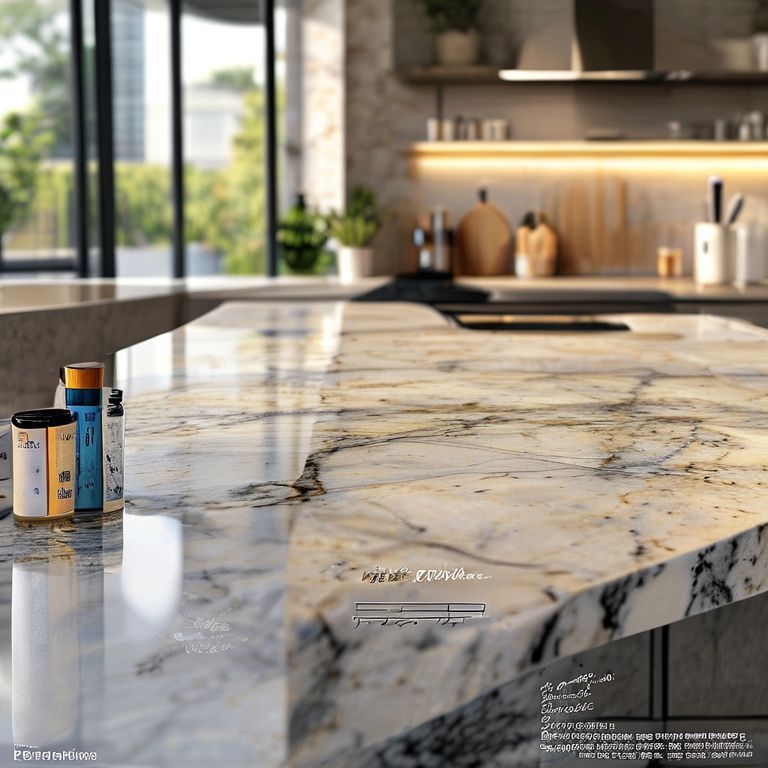
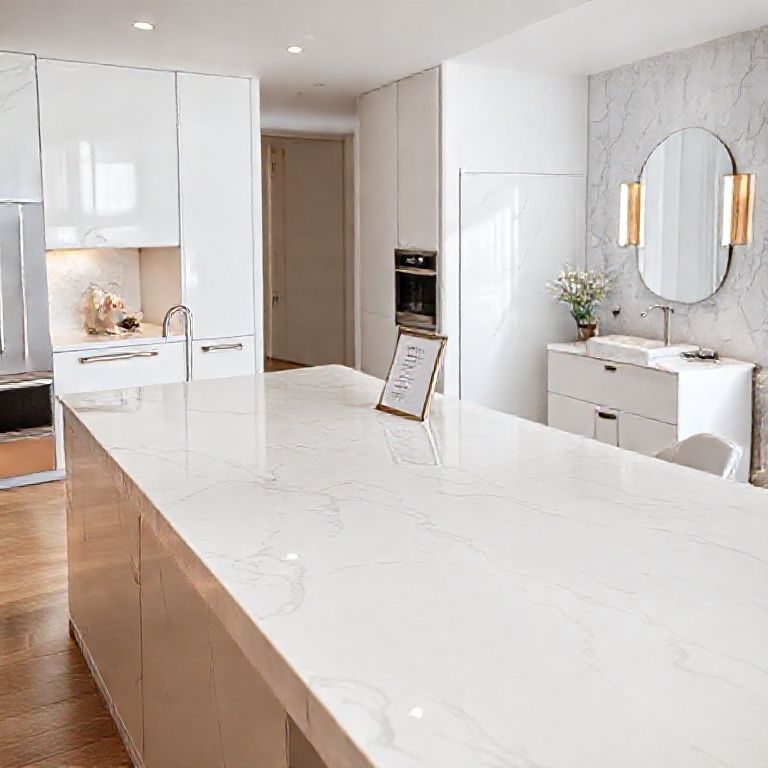
Artificial marble, often referred to as cultured marble, is a popular choice for countertops, bathroom vanities, and other decorative surfaces due to its striking appearance and durability. Unlike natural marble, which is formed over millions of years, artificial marble is a composite material created through a meticulous process involving a combination of minerals, resins, and pigments. This composite material is then subjected to high pressure and temperature to achieve a stone-like structure.
The Composition of Artificial Marble
The primary components of artificial marble include:
Calcium Carbonate: This is a natural mineral found in natural marble and is also used in artificial marble to give it a stone-like appearance. Resins: These are synthetic polymers that bind the minerals together, providing strength and durability. Pigments: These are used to mimic the colors and patterns found in natural stone.
The process of creating artificial marble ensures that it is a homogeneous, solid material that does not contain any loose particles or dust that could potentially be inhaled or absorbed through the skin.
Radiation and Artificial Marble
Radiation is a form of energy that travels through space or a material medium. There are two types of radiation relevant to our discussion: ionizing radiation and non-ionizing radiation.
Ionizing Radiation: This type of radiation has enough energy to remove tightly bound electrons from atoms, creating ions. It can cause damage to living tissues and DNA, leading to serious health issues such as cancer. Common sources of ionizing radiation include X-rays, gamma rays, and radon gas.
Non-ionizing Radiation: This type of radiation does not have enough energy to ionize atoms or molecules. It includes visible light, infrared, ultraviolet, radio waves, microwaves, and other forms of electromagnetic radiation. Non-ionizing radiation is generally considered less harmful to human health.
Artificial marble is not a source of ionizing radiation. The materials used to make artificial marble—calcium carbonate, resins, and pigments—do not emit ionizing radiation. The high-pressure and high-temperature processes used in manufacturing do not introduce any elements that would emit such radiation.
Health Concerns and Safety Measures
Despite the fact that artificial marble does not emit radiation, some people remain concerned about its overall impact on health. These concerns often stem from misunderstandings or misinformation.
Chemical Leaching: There is often concern that artificial marble might release harmful chemicals into the air or water. However, reputable manufacturers follow stringent safety protocols to ensure that the materials used are non-toxic and do not leach harmful substances. For example, the resins used are typically formaldehyde-free or low-formaldehyde, reducing the risk of off-gassing harmful chemicals.
Dust and Particles: While cutting and sanding artificial marble can produce dust, this is not unique to artificial marble. It is a common issue with many materials, including natural stone. Proper safety measures, such as using dust masks and ensuring good ventilation, can mitigate this risk.
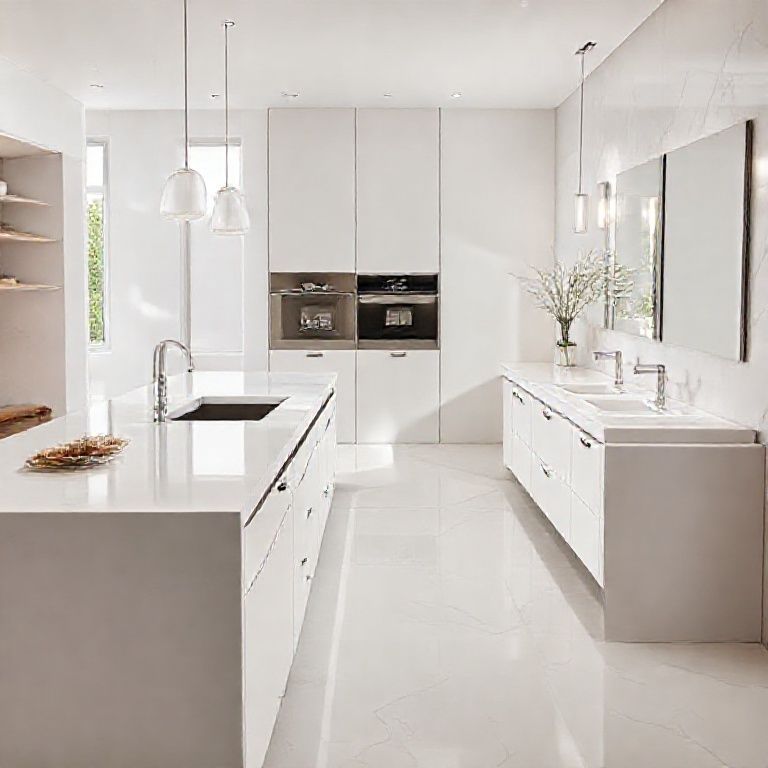
Microbial Growth: Artificial marble is generally resistant to microbial growth due to its dense, impermeable structure. However, it is important to clean and maintain artificial marble surfaces properly to prevent any potential build-up of bacteria or mold.
Conclusion of Part 1
In conclusion, artificial marble is a safe and durable material that does not emit radiation. The primary concerns regarding its impact on health are largely unfounded when considering the manufacturing processes and safety measures in place. By understanding the composition and production methods of artificial marble, we can appreciate its benefits while dispelling myths about its potential risks.
Ensuring a Radiation-Free and Healthy Living Environment
In the second part of our exploration, we will delve deeper into the measures taken to ensure that artificial marble remains a safe choice for your home. We will also discuss broader aspects of maintaining a radiation-free and healthy living environment.
Regulatory Standards and Certifications
The production of artificial marble is governed by various regulatory standards and certifications that ensure the safety and quality of the material. These include:
ISO Certification: The International Organization for Standardization (ISO) sets standards for various industries, including the manufacturing of composite materials. Artificial marble manufacturers often seek ISO certifications to demonstrate their commitment to quality and safety.
Environmental Protection Agency (EPA): In the United States, the EPA sets guidelines for the safe use and disposal of materials, including composite products like artificial marble. Compliance with these guidelines ensures that the materials used do not pose undue health risks.
Safety Standards: Many manufacturers adhere to safety standards such as those set by the American National Standards Institute (ANSI) and the International Electrotechnical Commission (IEC) to ensure that their products are safe for use in residential and commercial spaces.
Proper Installation and Maintenance
To ensure that artificial marble remains a safe and healthy choice, proper installation and maintenance are crucial:
Professional Installation: It is important to have artificial marble installed by professionals who are trained in handling and working with this material. Proper installation minimizes the risk of dust and debris during the process.
Regular Cleaning: Regular cleaning of artificial marble surfaces helps to prevent the build-up of grime, bacteria, and mold. Using appropriate cleaning agents and techniques ensures that the surface remains hygienic and safe.
Avoiding Harsh Chemicals: While cleaning artificial marble, it is best to avoid harsh chemicals that could potentially damage the surface or release harmful fumes. Mild detergents and water are generally sufficient for routine cleaning.
Broader Aspects of a Radiation-Free Home
While artificial marble itself does not pose radiation risks, it is beneficial to consider broader aspects of maintaining a radiation-free and healthy living environment:
Natural Light: Adequate exposure to natural light can help reduce the effects of electromagnetic radiation from electronic devices. Natural light also has numerous health benefits, including improving mood and regulating sleep patterns.
Air Quality: Ensuring good indoor air quality is essential for health. This includes proper ventilation, the use of air purifiers, and minimizing exposure to indoor pollutants such as tobacco smoke, mold, and volatile organic compounds (VOCs).
Electromagnetic Fields (EMFs): While the World Health Organization (WHO) has classified radiofrequency electromagnetic fields as possibly carcinogenic to humans, it is important to maintain a balanced use of electronic devices and take breaks to reduce exposure.
Radon Testing: Radon is a naturally occurring radioactive gas that can accumulate in homes, posing a significant health risk. Regular radon testing and mitigation measures are essential for protecting your home from this invisible danger.
Conclusion of Part 2
In summary, artificial marble is a safe and reliable material that does not emit radiation. The safety of artificial marble is supported by regulatory standards, certifications, and best practices in installation and maintenance. By understanding the nature of artificial marble and taking appropriate measures to maintain it, we can enjoy its aesthetic and functional benefits without concerns about radiation or other health risks. Moreover, creating a radiation-free and healthy living environment involves a holistic approach that encompasses various aspects of home safety and well-being.
By understanding the nature of artificial marble and the measures in place to ensure its safety, we can confidently incorporate this beautiful and durable material into our homes, knowing that it poses no radiation risks and contributes to a healthier living environment.