Unlock the secrets to achieving a flawless finish on your artificial stone countertops. This comprehensive guide explores the essential techniques and insights needed to use the right grit sandpaper for polishing. Whether you’re a DIY enthusiast or a professional, this article will provide you with valuable information to elevate your craftsmanship.
artificial stone countertops, sanding, polishing, grit sandpaper, finish, DIY, professional, craftsmanship, texture, surface preparation
Achieving Flawless Finishes: The Art and Science of Polishing Countertops with Different Grits of Sandpaper
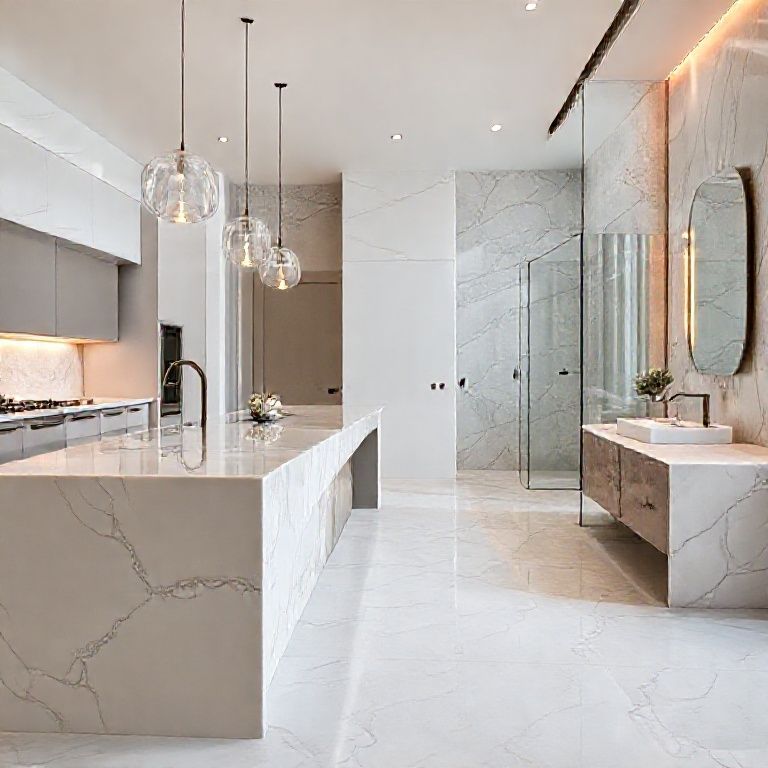
Artificial stone countertops have revolutionized modern kitchen and bathroom designs with their durability, aesthetic appeal, and ease of maintenance. However, achieving a pristine finish on these surfaces requires precise techniques, especially when it comes to sanding and polishing. In this part, we delve into the intricacies of using various grit sandpapers to polish artificial stone countertops to perfection.
Understanding Artificial Stone Countertops
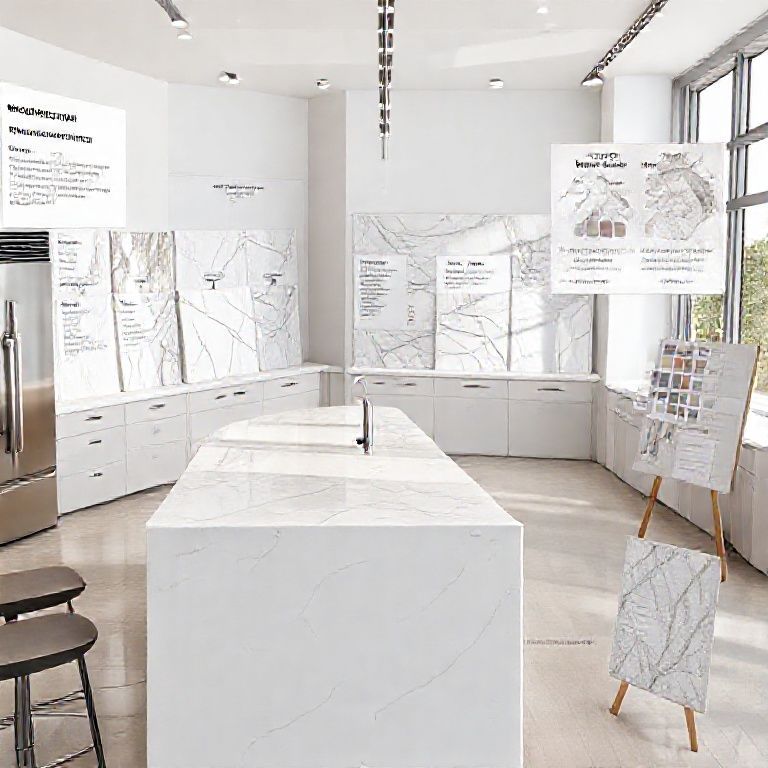
Artificial stone, often composed of a blend of natural stone powder, acrylic resin, and other additives, offers a versatile and resilient surface. It’s favored for its ability to mimic natural stone while providing enhanced durability and ease of maintenance. However, the surface of artificial stone can often appear dull or uneven after installation, necessitating careful preparation and polishing.
The Importance of Sanding and Polishing
Sanding and polishing are crucial steps in achieving a high-gloss, flawless finish on artificial stone countertops. These processes not only enhance the visual appeal of the surface but also help to remove any imperfections, scratches, or dust that may have occurred during installation. The right choice of sandpaper grit is fundamental to these processes.
Choosing the Right Grit Sandpaper
The selection of sandpaper grit is paramount in determining the quality of the finish. Sandpaper is graded by its grit number, which indicates the size of the abrasive particles. A lower grit number signifies a coarser sandpaper, while a higher grit number indicates a finer sandpaper. Here’s a detailed breakdown:
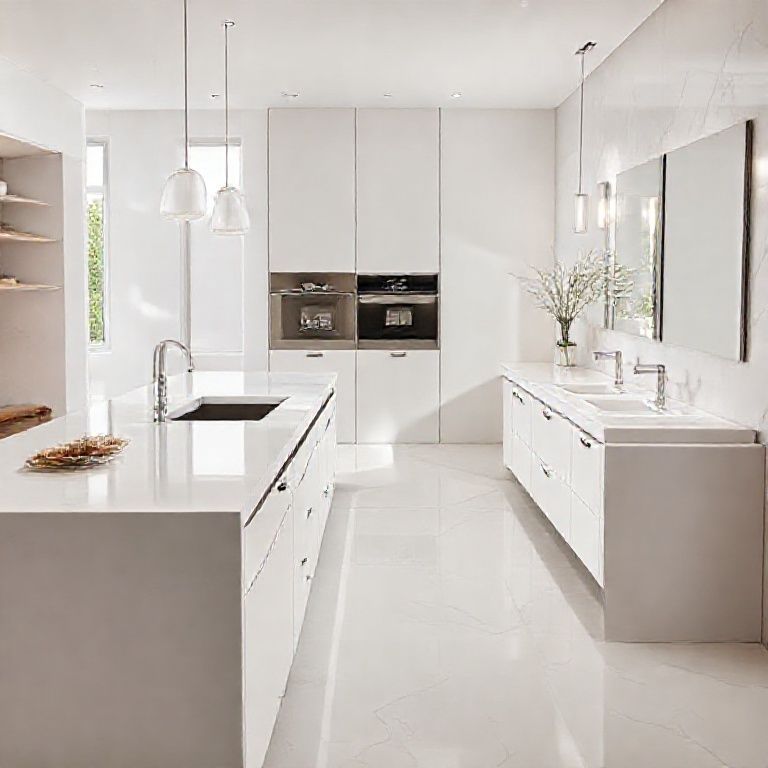
Coarse Sanding (Low Grit)
Initial Surface Preparation: For initial surface preparation, a coarse sandpaper with a grit range of 40-80 is typically used. This step is essential for removing any large imperfections, scratches, or rough spots on the artificial stone surface. Coarse sanding helps to level out the surface, making it smooth enough to proceed to finer sanding.
Steps:
Dust Removal: Start by wiping the surface with a damp cloth to remove loose dust and debris. Sanding: Use a sanding block or an electric sander with a coarse grit sandpaper to evenly sand the entire surface. Apply light pressure and use overlapping strokes to ensure an even finish. Cleaning: After sanding, thoroughly clean the surface with a damp cloth to remove sanding dust.
Medium Sanding (Medium Grit)
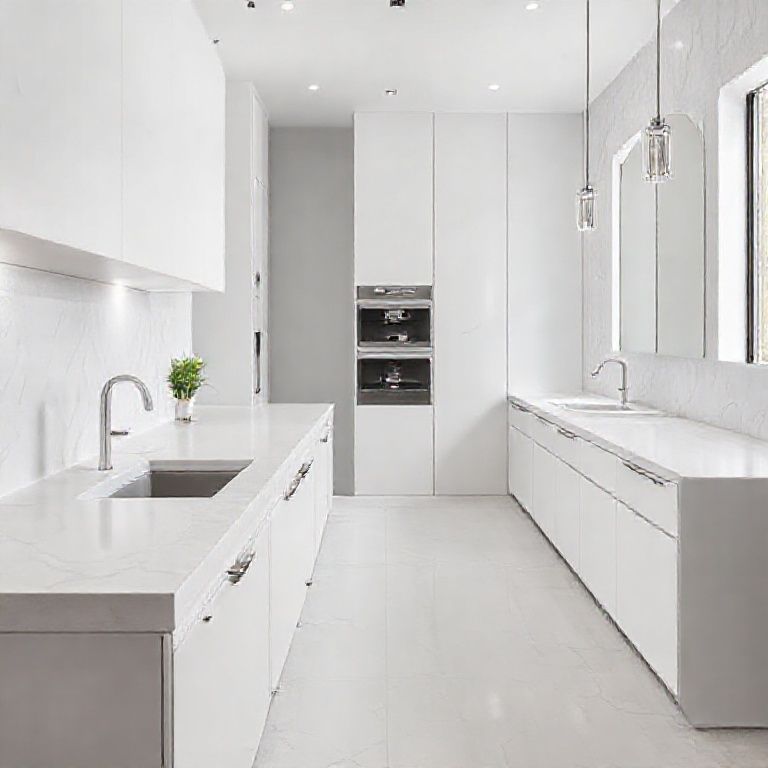
Intermediate Smoothing: Once the surface is free of large imperfections, medium grit sandpaper with a range of 120-150 is used for intermediate smoothing. This step refines the surface prepared by the coarse sanding, reducing minor scratches and achieving a smoother texture.
Steps:
Dust Removal: Wipe the surface with a damp cloth to remove any residual dust from the coarse sanding. Sanding: Use a sanding block or an electric sander with medium grit sandpaper, applying light to moderate pressure for even sanding. Cleaning: After sanding, clean the surface again with a damp cloth to remove dust.
Fine Sanding (High Grit)
Final Smoothing: Fine grit sandpaper with a range of 220-320 is used for the final smoothing stage. This step ensures an exceptionally smooth and even surface, preparing it for polishing. Fine sanding helps to eliminate any remaining scratches and provides a perfect base for the final finish.
Steps:
Dust Removal: Wipe the surface with a damp cloth to clear away any dust from the medium sanding. Sanding: Use a sanding block or an electric sander with fine grit sandpaper, applying light pressure for a smooth finish. Cleaning: Clean the surface with a damp cloth to remove all sanding dust.
The Polishing Process
After achieving a smooth surface through fine sanding, the next step is polishing to bring out the true beauty of the artificial stone. Polishing not only enhances the shine but also protects the surface with a durable, invisible film.
Steps:
Application of Polishing Compound: Using a soft cloth or a polishing pad, apply a small amount of polishing compound to the surface. Polishing: Gently rub the compound into the surface using circular motions. Ensure even coverage to avoid streaks and swirls. Buffing: After the compound dries, use a clean, dry cloth to buff the surface, bringing out a brilliant, high-gloss finish. Final Cleaning: Wipe away any remaining residue with a clean, damp cloth to reveal a flawless finish.
Tips for Optimal Results
Consistency is Key: Ensure consistent pressure and smooth, overlapping strokes during sanding to avoid uneven surfaces. Proper Cleaning: Always clean the surface thoroughly after each sanding stage to prevent dust from embedding into the surface. Use Quality Tools: Invest in good quality sandpaper and polishing tools to achieve the best results. Safety First: Wear protective gloves and eyewear to safeguard against dust and debris during sanding.
Conclusion
Achieving a flawless finish on artificial stone countertops requires a meticulous approach to sanding and polishing. By understanding the appropriate grit of sandpaper to use at each stage and following precise techniques, you can transform your countertops into stunning, high-gloss surfaces that enhance the beauty and functionality of your kitchen or bathroom.
Stay tuned for the second part of this series, where we will explore advanced techniques and additional tips to take your polishing skills to the next level.