Discover the essential details on selecting the perfect sandpaper for your artificial stone countertops. From understanding different grits to exploring advanced techniques, our comprehensive guide will help you achieve a flawless finish on your kitchen or bathroom surfaces. Read on for expert tips and insights on making your stone countertops sparkle.
artificial stone countertops, sandpaper, grit selection, polishing techniques, kitchen countertops, bathroom countertops, surface preparation, DIY tips, stone countertop maintenance
Achieving the Perfect Polish with the Right Sandpaper for Artificial Stone Countertops
Artificial stone countertops have revolutionized kitchen and bathroom design with their durability, aesthetic appeal, and ease of maintenance. However, achieving that flawless finish requires careful attention to detail, especially during the polishing stage. One of the most crucial tools in this process is sandpaper. But how do you choose the right sandpaper for artificial stone countertops? Let’s delve into the specifics.
Understanding Artificial Stone Countertops
Artificial stone, often referred to as composite stone, is a high-strength material made from a combination of natural stone powders and resins. This composite material is renowned for its strength, durability, and water resistance, making it an ideal choice for countertops. However, despite its robust nature, achieving a polished, professional finish requires specific preparation and finishing techniques.
The Role of Sandpaper in Polishing
Sandpaper is a key tool in the polishing process because it smooths the surface of the artificial stone countertop, preparing it for a high-gloss finish. Different grits of sandpaper serve different purposes:
Coarse Grit Sandpaper (80-120 Grit): This is the starting point for surface preparation. Coarse grit sandpaper is used to remove any rough spots, blemishes, or imperfections on the surface of the countertop. It helps to break down any initial texture, making it easier to achieve a smooth finish.
Medium Grit Sandpaper (120-240 Grit): Once the surface is prepped, medium grit sandpaper is used to further smooth the countertop. It refines the surface created by the coarse grit, reducing minor imperfections and preparing the surface for finer work.
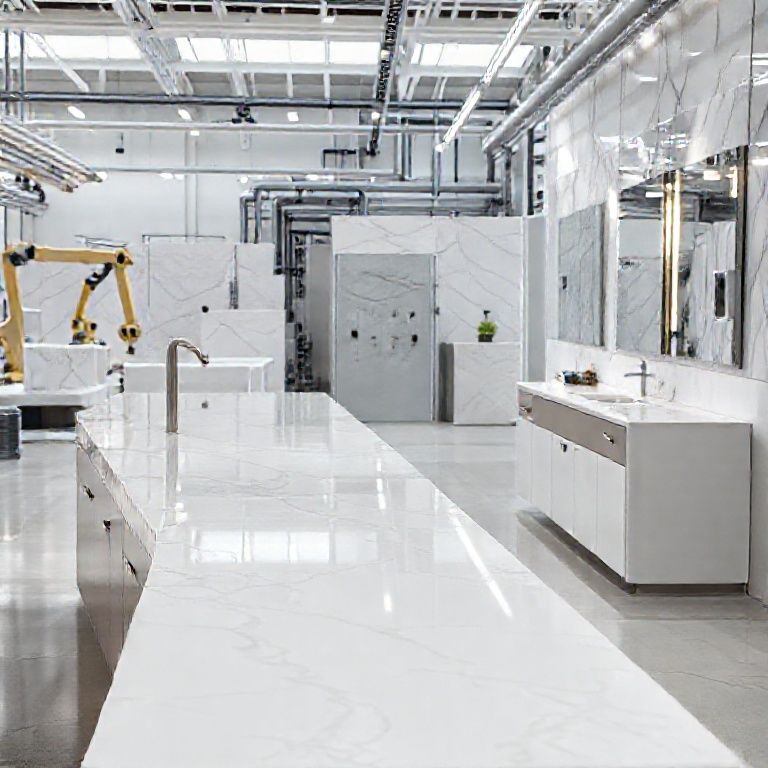
Fine Grit Sandpaper (240-400 Grit): Fine grit sandpaper is crucial for achieving a smooth, even surface. It polishes the countertop, reducing the texture left by the medium grit and setting the stage for the final high-gloss finish.
Ultra-Fine Grit Sandpaper (400-600 Grit): This is used for the final stages of polishing. Ultra-fine grit sandpaper smooths out any remaining imperfections, ensuring a flawless finish.
Choosing the Right Grit
Choosing the right sandpaper grit is essential for achieving the desired finish on artificial stone countertops. Here are some tips to help you select the appropriate grit:
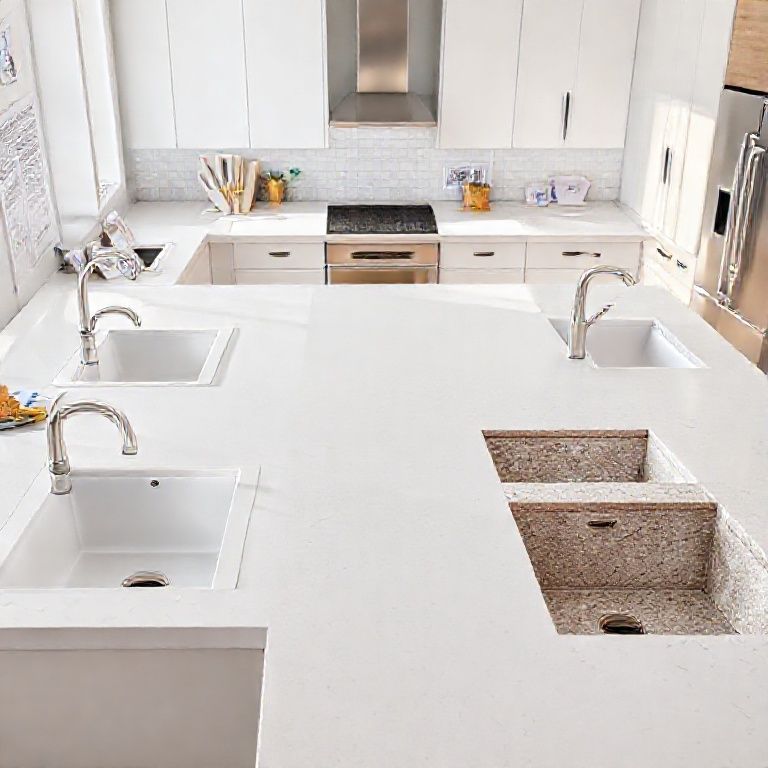
Assess the Condition of Your Countertop: If your countertop has significant imperfections or rough spots, start with a coarse grit sandpaper (80-120 grit). For minor imperfections, a medium grit (120-240 grit) may suffice.
Work in Stages: Always sand in stages, progressing from coarse to fine grits. This method ensures that each layer of sandpaper builds on the work of the previous one, leading to a smoother, more polished finish.
Consider the Finish: For a high-gloss finish, use ultra-fine grit sandpaper (400-600 grit) for the final polishing stage. If a matte or satin finish is desired, the final grit may not need to be as fine.
Sanding Techniques for Artificial Stone Countertops
Proper technique is just as important as the right sandpaper. Here are some best practices for sanding artificial stone countertops:
Use a Damp Sponge: Before sanding, use a damp sponge to clean the surface of the countertop. This removes any dust, dirt, or debris that could scratch the surface during sanding.
Sand with the Grain: Always sand in the direction of the grain of the countertop. This helps to avoid scratches and ensures a smooth finish.
Use a Circular Motion: For a more even finish, use a circular motion while sanding. This technique helps to smooth out the surface more evenly than a back-and-forth motion.
Avoid Over-Sanding: Over-sanding can lead to unnecessary wear on the countertop surface. Always check the surface after each grit to ensure you’re not going too far.
Use Proper Ventilation: Sanding generates dust, which can be harmful if inhaled. Ensure you’re working in a well-ventilated area or use a dust mask to protect yourself.
Common Mistakes to Avoid
Even with the right sandpaper and technique, there are common mistakes that can detract from the final finish:
Using the Wrong Grit: Using too coarse a grit for too long can leave scratches and rough spots on the countertop. Always progress from coarse to fine grits.
Ignoring Surface Preparation: Failing to clean and prep the surface properly before sanding can result in an uneven finish. Always start with a clean, dust-free surface.
Not Working in Stages: Skipping stages of sanding can lead to an unfinished look. Always work in stages, progressing from coarse to fine grits.
Conclusion
Selecting the right sandpaper and using proper sanding techniques are essential steps in achieving a flawless finish on artificial stone countertops. By understanding the different grits and working methodically from coarse to fine, you can ensure a smooth, polished surface that will withstand the test of time. In the next part of this guide, we will explore advanced polishing techniques and additional tips to maintain your artificial stone countertops to perfection.
Achieving the Perfect Polish with the Right Sandpaper for Artificial Stone Countertops
In the previous section, we explored the basics of selecting the appropriate sandpaper and sanding techniques for artificial stone countertops. Now, let’s dive deeper into advanced polishing techniques and additional tips to maintain your countertops to perfection.
Advanced Polishing Techniques
After sanding, the next step is polishing. Polishing brings out the natural beauty of the artificial stone and gives it a high-gloss finish. Here are some advanced techniques to achieve the best results:
Using a Polishing Compound: A polishing compound is designed to remove any fine scratches left by the sandpaper and to add a high-gloss finish. Apply the compound to a clean, soft cloth and rub it in a circular motion over the surface of the countertop.
Buffing: Once the polishing compound has been worked into the surface, use a clean, dry cloth to buff the countertop. This helps to remove any residue from the compound and brings out a brilliant shine.
Regular Maintenance: To maintain the polished finish, regular maintenance is crucial. Use a mild, non-abrasive cleaner to wipe down the surface regularly. Avoid using abrasive cleaners or harsh chemicals that can scratch the surface.
Tips for Maintaining Artificial Stone Countertops
Maintaining your artificial stone countertops ensures they stay looking pristine for years to come. Here are some tips for keeping your countertops in top condition:
Use Cutting Boards and Mats: To prevent scratches, always use cutting boards or mats when cutting food on the countertop. This protects the surface from the wear and tear of sharp knives.
Avoid Abrasive Cleaners: Use mild, non-abrasive cleaners to wipe down the countertop. Avoid abrasive cleaners or scrubbers that can scratch the surface.
Seal the Surface: While artificial stone countertops do not require sealing like natural stone, using a high-quality countertop protector can help repel spills and stains, making them easier to clean.
Handle with Care: Be mindful of hot pots and pans. Always use pot holders to lift hot items to prevent thermal shock, which can cause the surface to crack.
Immediate Spill Management: Spills can stain or damage the surface if left unattended. Wipe up spills immediately with a damp cloth to prevent any staining or damage.
Dealing with Common Issues
Over time, artificial stone countertops can encounter minor issues that may affect their appearance. Here’s how to handle common problems:
Scratches: Light scratches can often be buffed out using a polishing compound. Apply the compound to a cloth and rub it in a circular motion over the scratched area to restore the shine.
Stains: For stains, use a mild, non-abrasive cleaner. Avoid using harsh chemicals that can damage the surface. If the stain persists, consider using a specialized cleaner designed for artificial stone.
Chips and Cracks: Minor chips can usually be repaired with a countertop repair kit. Follow the instructions carefully to ensure the repair blends seamlessly with the surrounding surface.
Professional Help When Needed
While many maintenance tasks can be done at home, there are times when professional help is necessary. Here’s when to consider professional assistance:
Major Repairs: For significant damage, such as large chips or cracks, it’s best to consult a professional. They have the tools and expertise to repair the countertop without compromising its integrity.
Deep Cleaning: If your countertop has built-up grime or heavy stains that cannot be removed with regular cleaning, a professional cleaning service may be required.
Conclusion
定期检查和保养
定期清洁:使用温和的清洁剂和软布,定期擦拭台面,防止油渍和污渍积累。避免使用锋利的物品在台面上切割,以防止划伤。
密封剂:虽然人造石台面通常不需要像天然石材那样频繁地使用密封剂,但在一些高湿度或高使用频率的区域,可以考虑定期涂抹一层保护性密封剂,以增强耐污性和耐磨性。
处理污渍和划痕
小污渍:用温水和中性洗涤剂清洗,然后用干净的布擦干。对于顽固污渍,可以使用专用的人造石清洁剂。
轻微划痕:可以用高级的抛光剂或抛光机进行轻微抛光,以去除划痕。如果划痕较深,建议寻求专业帮助。
防止损坏
避免尖锐物品:不要在台面上放置尖锐物品,以防止划伤和凹陷。
使用台面盖:在炒菜、饮料等时,尽量使用锅盖、杯垫等,以防止溅水和溅油导致损坏。
升级美化
定制图案:如果你想要更个性化的台面,可以考虑定制一些独特的图案或颜色,通过专业人员的帮助来实现。
光泽调节:有些人造石可以通过抛光或使用特殊的光泽剂来调节其表面光泽度,使其看起来更加现代和时尚。
安全使用
保持台面干燥:烹饪后及时清理溢出的水和油,保持台面干燥,以防止细菌滋生。
热源防护:在台面上直接加热容器或使用不稳定的热源,可能会导致台面开裂或变形,因此应小心使用。
通过这些方法,你可以确保你的人造石台面保持其美观和功能性,延长其使用寿命。无论是日常的维护还是特殊的美化需求,了解和应用正确的方法都是关键。如果有任何不确定的地方,不妨咨询专业人士,他们可以提供更加具体和专业的建议。