Addressing Odor Issues with Artificial Stone Countertops: A Comprehensive Guide
Introduction
Artificial stone countertops have revolutionized modern kitchen and bathroom design due to their durability, aesthetic appeal, and low maintenance. However, despite their many advantages, some users have reported encountering unpleasant odors soon after installation. This article delves into the causes behind these odors and provides a thorough guide on how to effectively address and eliminate them, ensuring your space remains fresh and inviting.
Understanding the Causes of Odor in Artificial Stone Countertops
Artificial stone countertops are made from a blend of natural stone aggregates, resins, and other additives. While these materials are designed to mimic natural stone, they can sometimes emit off-gassing odors, especially when new. Several factors contribute to this phenomenon:
Chemical Residue: During the manufacturing process, chemicals used to bind the aggregates and resins can linger, emitting an odor. This is more common in cheaper, lower-quality products.
Moisture and Bacteria: If the stone is not adequately cured, moisture can remain trapped within the material, creating an environment where bacteria and mold can grow, leading to foul odors.
Environmental Factors: External factors such as humidity, temperature, and the presence of organic materials nearby can exacerbate the release of odors from the stone.
Immediate Actions to Tackle Initial Odors
When you first notice an odor from your artificial stone countertop, several immediate actions can help mitigate the issue:
Ventilation: Ensure that your kitchen or workspace is well-ventilated. Open windows and turn on exhaust fans to allow fresh air to circulate, helping to dissipate the odors.

Activated Charcoal: Place bowls of activated charcoal near the affected area. Activated charcoal is excellent at absorbing odors and can help to neutralize the smell.
Essential Oils: Lightly sprinkle a few drops of essential oils such as tea tree, lavender, or peppermint around the countertop. These oils not only mask the odor but also have natural antiseptic properties.
Long-Term Solutions
For persistent odor issues, consider the following long-term solutions to ensure your artificial stone countertops remain fresh and odor-free:
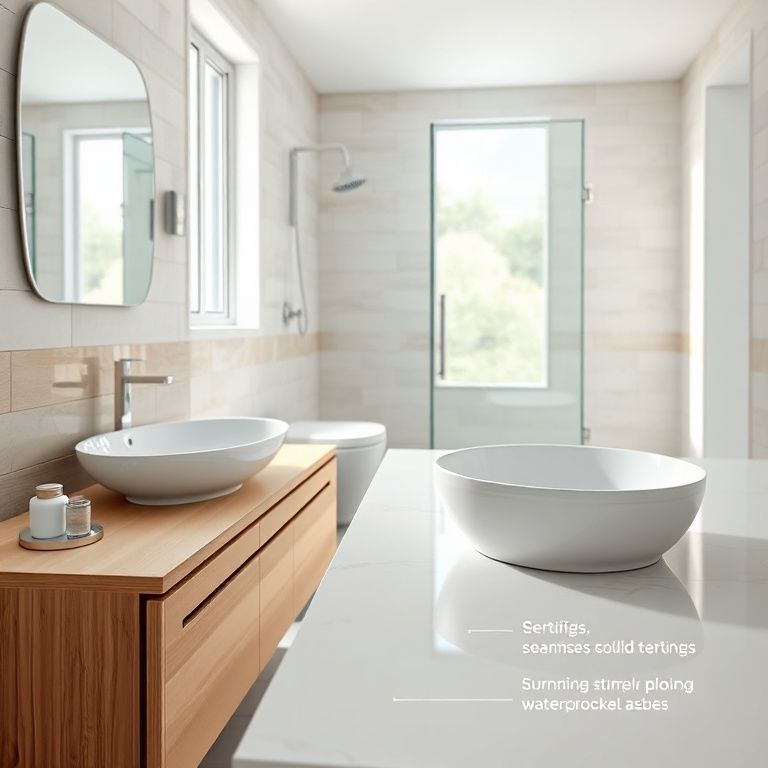
Deep Cleaning: Regular deep cleaning is essential. Use a mild, non-abrasive cleaner specifically designed for artificial stone. Avoid harsh chemicals that can damage the surface. Gently scrub the countertop with a soft cloth and rinse thoroughly.
Regular Maintenance: Wipe down the countertop daily with a damp cloth to remove spills and grime. This prevents the buildup of substances that can contribute to odors.
UV Light: Consider using a UV light cleaner. UV light can help to kill bacteria and mold, which are often the culprits behind lingering odors.
Avoid Strong Smells: While your countertop cures, avoid placing food items with strong odors directly on it. This includes garlic, onions, coffee, and spices. Allow these to air out before using the countertop for food preparation.
Professional Help
In some cases, despite your best efforts, the odor may persist. Here’s when it’s wise to seek professional help:
Consult a Specialist: Reach out to the manufacturer or a professional stone countertop specialist. They can provide tailored advice and possibly suggest additional treatments or products designed to neutralize persistent odors.
Re-curing Services: Some companies offer re-curing services where the countertop is placed in a controlled environment to allow it to cure properly. This can often eliminate lingering odors.
Preventive Measures
To prevent odors from developing in the first place, consider the following preventive measures:
Choose High-Quality Products: Invest in high-quality artificial stone from reputable manufacturers. High-quality materials are less likely to off-gas and have better odor resistance.
Proper Installation: Ensure that the countertop is installed by a professional who follows best practices. Proper installation includes correct curing times and conditions.
Regular Cleaning: Establish a routine for regular cleaning and maintenance. This includes daily wipe-downs and periodic deep cleanings to prevent the buildup of substances that can cause odors.
Conclusion
While odors in artificial stone countertops can be a nuisance, understanding their causes and taking proactive steps to address them can help maintain a fresh and pleasant environment. By combining immediate actions, long-term solutions, and preventive measures, you can enjoy the beauty and benefits of artificial stone countertops without the distraction of unwanted smells.
Addressing Odor Issues with Artificial Stone Countertops: A Comprehensive Guide
Advanced Techniques for Odor Elimination
In addition to the basic strategies mentioned earlier, there are more advanced techniques you can use to ensure your artificial stone countertops remain odor-free:
Ozone Generators: Ozone generators can be an effective solution for eliminating persistent odors. These devices produce ozone, a powerful oxidant that can break down odor molecules. However, use ozone generators with caution as they can also produce harmful levels of ozone if not used correctly.
Essential Oil Diffusers: Use an essential oil diffuser in your kitchen or workspace. These devices disperse essential oils into the air, which can help mask odors while providing a pleasant scent. Choose oils known for their odor-neutralizing properties, such as lemon, eucalyptus, or rosemary.
Activated Clay: Similar to activated charcoal, activated clay can be used to absorb odors. Place bowls of activated clay near the countertop, and replace them regularly to maintain effectiveness.
Environmental Control
Controlling the environment around your artificial stone countertop can significantly impact its odor levels:
Humidity Control: Maintain a stable humidity level in your kitchen or workspace. Use a dehumidifier if necessary to keep moisture levels low, which can help prevent mold and bacterial growth that contributes to odors.
Temperature Regulation: Ensure the area remains at a consistent temperature. Extreme temperatures can exacerbate off-gassing from the stone, so keeping the environment stable is key.
Specialized Cleaning Products
Investing in specialized cleaning products designed for artificial stone can help maintain a fresh-smelling countertop:
pH-Neutral Cleaners: Use pH-neutral cleaners specifically formulated for artificial stone. These cleaners are less likely to damage the surface and help maintain its integrity while effectively removing odor-causing substances.
Antibacterial Sprays: Consider using antibacterial sprays that are safe for use on artificial stone. These sprays can help kill bacteria and mold, reducing the likelihood of odors developing.
Regular Inspections and Maintenance
Regular inspections and maintenance can prevent minor issues from becoming major problems:
Routine Checks: Regularly inspect your countertop for signs of damage, cracks, or buildup. Addressing these issues promptly can prevent the growth of mold and bacteria, which often contribute to odors.
Deep Cleaning Schedule: Establish a regular deep cleaning schedule. While daily wipes are important, periodic deep cleanings with specialized cleaners can help maintain a fresh-smelling countertop.
Addressing Odors in Different Settings
The strategies for addressing odors in artificial stone countertops can vary depending on where the countertop is installed:
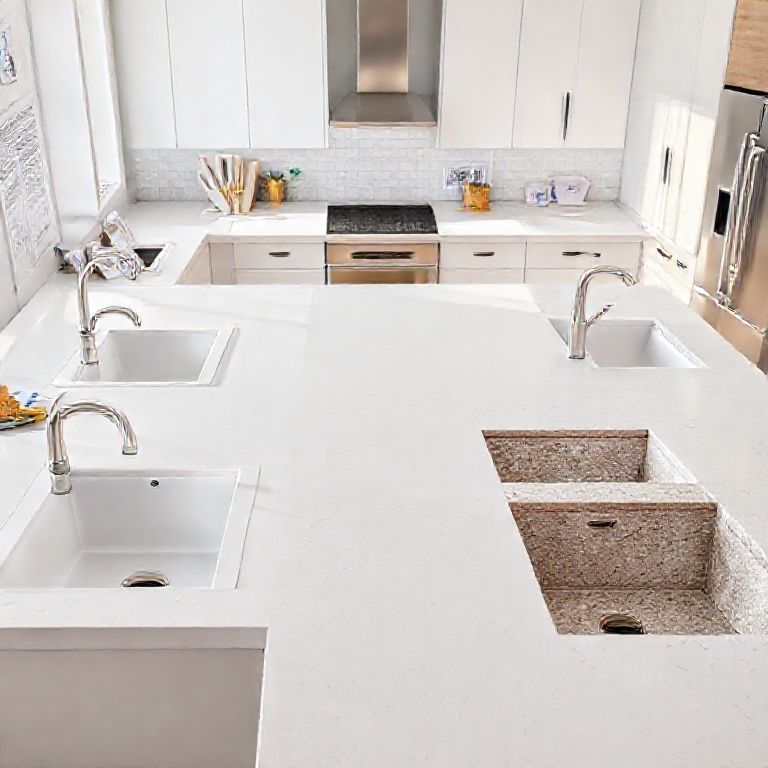
Kitchen Countertops: In kitchens, food-related odors can be particularly persistent. Use a combination of the above methods, including regular deep cleaning and UV light treatment, to keep the kitchen smelling fresh.
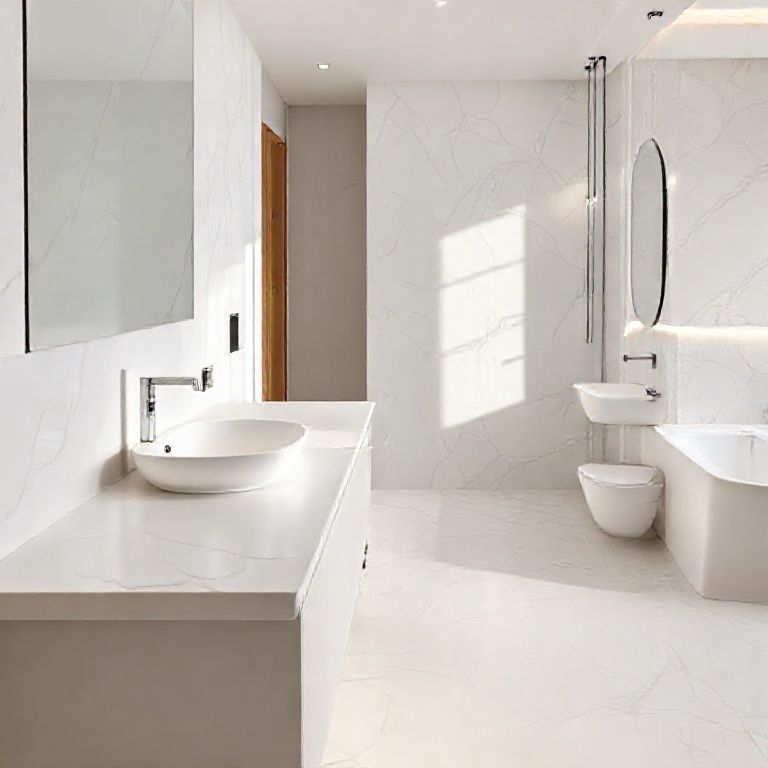
Bathroom Countertops: Bathrooms often have higher humidity levels, which can contribute to odors. Use a dehumidifier and ensure proper ventilation to minimize moisture. Regular cleaning with pH-neutral products can help maintain a fresh bathroom environment.
Expert Advice
When dealing with persistent odor issues, consulting an expert can provide valuable insights:
Manufacturer’s Recommendations: Contact the manufacturer for specific recommendations regarding odor control and maintenance for their product. They may have proprietary treatments or products that can help.
Professional Cleaning Services: Consider hiring professional cleaning services that specialize in stone countertops. They have the expertise and equipment to thoroughly clean and treat your countertop to eliminate odors.
Conclusion
Maintaining a fresh and odor-free artificial stone countertop requires a combination of immediate actions, long-term solutions, and regular maintenance. By understanding the causes of odors and employing effective strategies, you can enjoy the benefits of your artificial stone countertops without the distraction of unpleasant smells. With proper care and attention, your countertop can remain a beautiful and inviting part of your home or workspace for years to come.
By following this comprehensive guide, you can ensure that your artificial stone countertops remain fresh and odor-free, enhancing the overall aesthetic and comfort of your space.