Are Quartz Countertops Harmful? Unveiling the Myths and Facts
In recent years, quartz countertops have become a popular choice for kitchens and bathrooms alike. Known for their durability, beauty, and ease of maintenance, these countertops have captured the hearts of many homeowners and designers. However, amidst the excitement, questions about their safety and potential toxicity have surfaced. Today, we embark on a journey to demystify these concerns, providing you with a clear understanding of whether quartz countertops are harmful.
Understanding Quartz: The Basics
Quartz countertops are made from 93% natural quartz, a mineral that is abundant in the Earth’s crust. The remaining 7% consists of binders and other materials that are essential for creating the finished product. This composition means that quartz countertops are predominantly made from a natural element, which naturally leads us to question their safety.
The Myth of Toxicity
One of the biggest myths surrounding quartz countertops is their potential toxicity. Many people believe that because these countertops are made from synthetic materials, they must be harmful to health. However, this belief is unfounded. The primary component of quartz countertops, natural quartz, is a benign substance that has been part of the earth for millions of years.
The Role of Binders
While quartz countertops are mainly composed of natural quartz, they do contain a small percentage of synthetic binders. These binders are used to hold the quartz together and create the seamless, solid surface that we admire. The binders used in quartz countertops are specifically chosen for their safety and non-toxicity. They are designed to meet strict environmental and health standards, ensuring that they do not pose any health risks when used in a home setting.
Safety Standards and Regulations
To further address concerns about toxicity, it’s important to note that quartz countertops undergo rigorous testing and comply with various safety standards. These standards are in place to ensure that the materials used in manufacturing are safe for both the environment and human health. The Environmental Protection Agency (EPA) and other regulatory bodies have evaluated the components of quartz countertops, confirming their safety when used in typical household settings.
Comparing Quartz to Other Countertops
To put things into perspective, it’s useful to compare quartz countertops to other popular countertop materials like granite, marble, and composite stone. While granite and marble also contain natural minerals, they come with their own set of concerns, such as the use of water-based sealants and the potential for staining. Composite stone, on the other hand, can sometimes contain more synthetic materials and chemicals that might raise questions about safety. Quartz, with its high percentage of natural quartz and carefully chosen synthetic binders, stands out as a safer and more reliable option.
Health and Safety in Everyday Use
When it comes to everyday use, the risk of toxicity from quartz countertops is minimal. The surface of the countertop is smooth and non-porous, which means that spills and stains do not penetrate deep into the material. This characteristic reduces the potential for harmful substances to seep into the countertop and pose a risk to users. Moreover, the manufacturing process ensures that any harmful substances are eliminated, leaving behind a safe, high-quality product.
Environmental Considerations
In addition to their safety for human health, quartz countertops also offer environmental benefits. The production process is designed to minimize waste and environmental impact. Unlike other materials that might require cutting and sawing, the manufacturing of quartz countertops involves pressing and molding, which results in less material waste. Additionally, the durability of quartz countertops means that they last longer, reducing the need for frequent replacements and contributing to a more sustainable home.
Conclusion of Part 1
In conclusion, the notion that quartz countertops are harmful is largely a myth. With a composition that is predominantly natural quartz and carefully selected synthetic binders, these countertops meet stringent safety standards and pose minimal risk in everyday use. By understanding the composition, manufacturing process, and safety standards, you can confidently choose quartz countertops for your home, knowing that they are a safe and durable option.
Stay tuned for the second part of our exploration, where we will delve deeper into the benefits of quartz countertops, their maintenance, and how they compare to other countertop materials in terms of longevity and environmental impact.
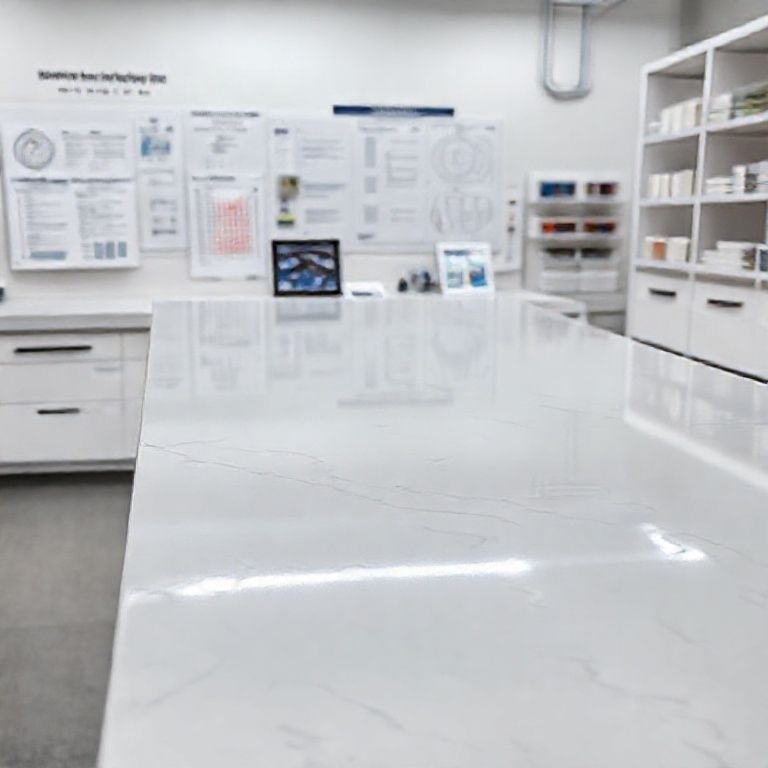
Are Quartz Countertops Harmful? The Benefits and Long-Term Impact
As we continue our journey to understand the safety and benefits of quartz countertops, it’s essential to explore not just their immediate safety but also their long-term impact on your home and the environment. In this part, we will delve deeper into the advantages of quartz countertops, their maintenance, and their comparison with other countertop materials in terms of longevity and environmental footprint.
The Unmatched Benefits of Quartz Countertops
Durability and Strength
One of the most significant benefits of quartz countertops is their exceptional durability. Quartz is a naturally occurring mineral that ranks 7 on the Mohs scale of mineral hardness, making it incredibly resistant to scratches, dents, and impact. This durability means that quartz countertops can withstand the rigors of daily use without showing signs of wear and tear, ensuring a long-lasting and robust surface for your kitchen or bathroom.
Low Maintenance
Quartz countertops are renowned for their low maintenance requirements. Unlike other natural stone countertops such as granite or marble, quartz is non-porous. This non-porous nature means that liquids do not penetrate the surface, preventing stains and making cleaning a breeze. A simple wipe with a damp cloth and mild soap is usually sufficient to keep your quartz countertop looking pristine. This low maintenance aspect is particularly appealing to busy homeowners who value ease of cleaning without sacrificing style.
Versatility and Design
Quartz countertops come in a wide array of colors, patterns, and textures, offering unparalleled versatility in design. Manufacturers can create custom designs and colors to match any aesthetic, allowing for endless creative possibilities. Whether you prefer a sleek, modern look or a more traditional style, quartz countertops can be tailored to suit your unique taste and home decor.
Comparing Quartz to Other Countertop Materials
Granite: The Classic Choice
Granite is another popular choice for countertops, known for its natural beauty and durability. However, granite is a porous material, which means that it can stain easily if not properly sealed and maintained. Additionally, granite requires regular sealing to maintain its appearance and protect against stains. In contrast, quartz’s non-porous nature eliminates the need for sealing, making it a more low-maintenance option.
Marble: Elegance and Maintenance
Marble is often chosen for its elegant and luxurious appearance. However, marble’s porosity makes it highly susceptible to stains and damage from acidic substances. Regular sealing and careful maintenance are necessary to keep marble countertops looking their best. Quartz’s non-porous surface offers a more practical alternative for those who desire elegance without the high maintenance.
Composite Stone: A Budget-Friendly Option
Composite stone countertops are a more affordable alternative to natural stone. While they offer a variety of designs, composite stone can sometimes contain more synthetic materials and chemicals that might raise questions about safety. Additionally, composite stone is generally less durable than quartz, requiring more frequent replacement. Quartz’s combination of durability, low maintenance, and safety makes it a superior choice for many homeowners.
Long-Term Benefits and Environmental Impact
Longevity
The durability and low maintenance of quartz countertops contribute to their longevity. Unlike other materials that may need frequent replacement due to wear and damage, quartz countertops can last for decades with proper care. This longevity means fewer replacements, reducing waste and contributing to a more sustainable home.
Environmental Footprint
The production process of quartz countertops is designed to minimize environmental impact. The manufacturing process involves pressing and molding, which results in less material waste compared to cutting and sawing used in the production of other materials like granite and marble. Additionally, the durability of quartz countertops means that they last longer, reducing the need for frequent replacements and contributing to a more sustainable home.
Conclusion of Part 2
In conclusion, quartz countertops offer numerous benefits that make them a safe, durable, and low-maintenance choice for your home. With their exceptional hardness, non-porous surface, and wide range of design options, quartz countertops stand out as a superior alternative to other countertop materials. Their safety, combined with their long-term benefits and minimal environmental impact, makes them an excellent choice for homeowners looking for both style and practicality.
By understanding the composition, benefits, and long-term impact of quartz countertops, you can confidently choose this stunning material for your kitchen or bathroom, knowing that you are making a safe and environmentally responsible decision.
Thank you for joining us on this comprehensive exploration of quartz countertops. If you have any more questions or would like further information, feel free to reach out. Happy decorating!