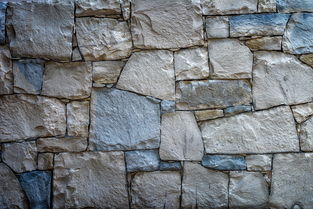
Artificial Stone Countertops: Key Considerations for Use
In today’s dynamic and design-focused world, artificial stone countertops have emerged as a popular choice for both residential and commercial spaces. Their appeal lies in their striking aesthetics, durability, and low maintenance requirements. However, like any other material, artificial stone countertops come with their own set of considerations that need to be carefully addressed. Here’s a detailed guide to understanding the key aspects of using artificial stone countertops to ensure you make the most out of this investment.
Understanding Artificial Stone
Artificial stone, often referred to as cultured stone, is a composite material made from natural stone powder and resin. This combination produces a stone-like appearance that is both beautiful and functional. Unlike natural stone, artificial stone is not prone to chips, cracks, or staining, making it an ideal choice for high-traffic areas. It’s also available in a wide range of colors and patterns, allowing for extensive customization.
Installation Considerations
When it comes to installation, artificial stone countertops are relatively straightforward to install. However, attention to detail is crucial for a seamless finish.
1. Surface Preparation: Proper surface preparation is fundamental. The area where the artificial stone will be installed must be clean, level, and dry. Any existing countertop should be removed carefully, ensuring that the sub-surface is free from any debris, grease, or old adhesive.
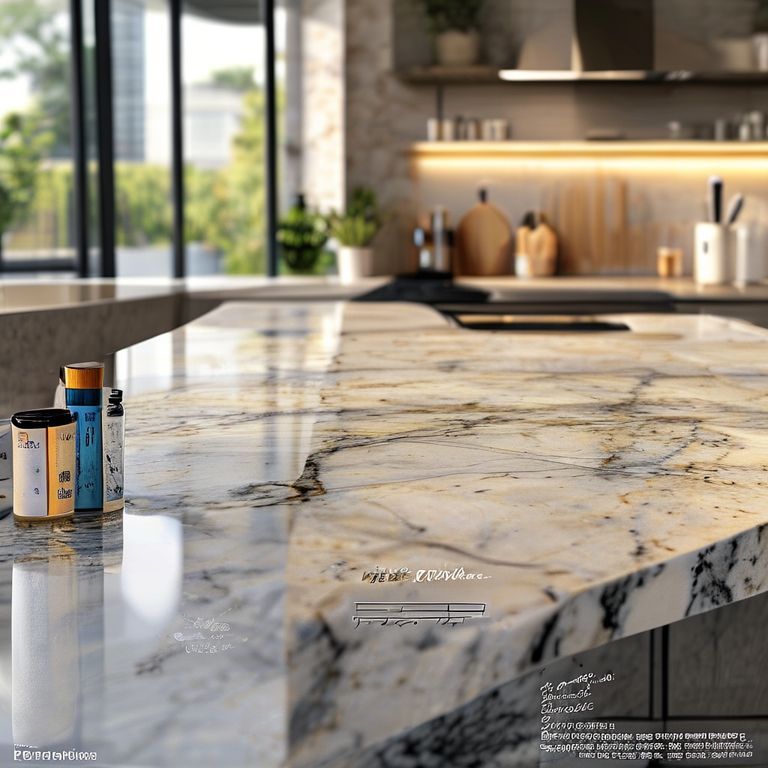
2. Adhesive Selection: Choosing the right adhesive is critical. A high-quality epoxy or polyurethane adhesive is recommended for its strong bond and resistance to water and chemicals. It’s essential to follow the manufacturer’s instructions for the adhesive’s application, curing time, and any additional treatments needed to ensure a durable bond.
3. Edge Finishing: Artificial stone countertops can be finished in various ways to match your design preference. Options include caulking, using edge trims, or even leaving a natural edge. The choice should align with the aesthetic of the space and the desired durability.
4. Cutting and Fitting: Accurate cutting and fitting are key to a professional finish. Using a wet saw with a diamond blade is recommended for clean cuts. Always measure twice and cut once to avoid unnecessary waste and ensure a perfect fit.
Maintenance and Cleaning
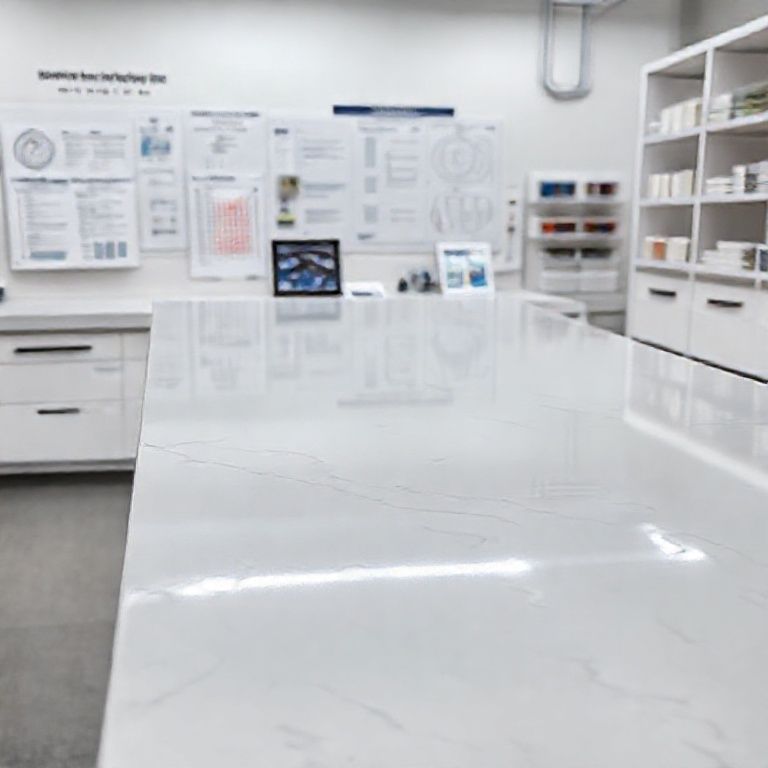
Artificial stone countertops are known for their low maintenance, but they still require some care to maintain their appearance and longevity.
1. Daily Cleaning: Regular cleaning is essential to keep the surface looking pristine. Use a mild soap and water solution to clean the countertop daily. Avoid using abrasive cleaners or sponges that could scratch the surface. For tougher spots, a gentle stone-specific cleaner can be used occasionally.
2. Spill Management: Immediate attention to spills is crucial to prevent staining. Blot up liquids immediately with a clean, dry cloth. For any spills that do penetrate, use a mild cleaner to remove the residue before it sets.
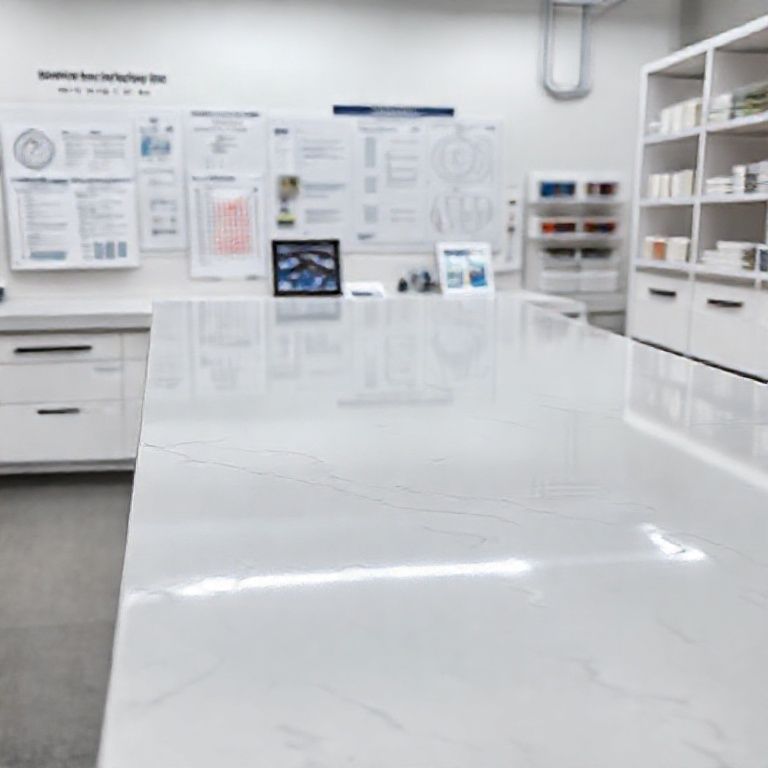
3. Regular Maintenance: While artificial stone is highly durable, regular maintenance can prolong its life. Periodically check the caulking and re-caulk if necessary to prevent water ingress. Also, ensure that the adhesive joints are intact and consider re-sealing the countertop every few years to protect against potential stains and wear.
Design and Aesthetics
Artificial stone countertops offer incredible versatility in design, making them suitable for a wide range of styles and applications.
1. Color and Pattern: One of the major advantages of artificial stone is the wide array of colors and patterns available. Whether you’re looking for a natural stone look or something entirely unique, artificial stone can be customized to meet your design needs. It’s possible to create countertops that mimic any natural stone, as well as entirely new and creative designs.
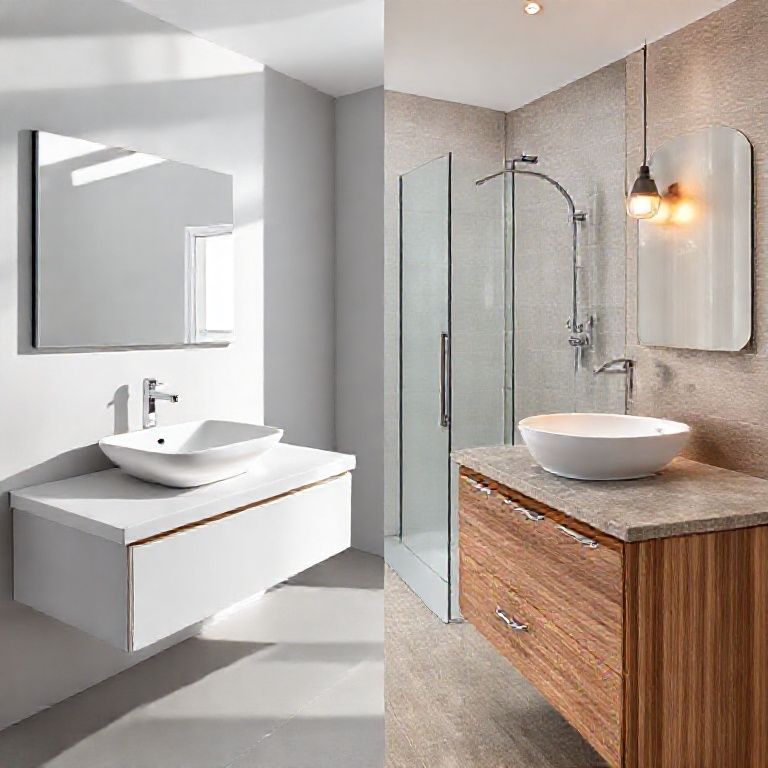
2. Integration with Kitchen and Bathroom: Artificial stone can seamlessly integrate with both kitchen and bathroom spaces. In kitchens, it can be used for countertops, backsplashes, and even islands. In bathrooms, it’s perfect for sinks, vanities, and shower surrounds. The key is to ensure cohesive design elements to maintain harmony across different surfaces.
3. Durability and Safety: Artificial stone is not only aesthetically pleasing but also incredibly durable. It’s resistant to scratches, chips, and stains, making it a safe choice for areas where food and water are frequently handled. This durability also means fewer repairs and replacements, contributing to its long-term cost-effectiveness.
Conclusion
Artificial stone countertops offer an array of benefits that make them a compelling choice for both residential and commercial spaces. From their ease of installation to their low maintenance requirements and versatile design options, they stand out in the market. However, to ensure that these advantages are fully realized, it’s essential to pay attention to installation, maintenance, and design considerations.
In the next part of this series, we’ll delve deeper into specific use cases, common mistakes to avoid, and expert tips for maximizing the lifespan and aesthetic appeal of artificial stone countertops.
Stay tuned for Part 2 of our detailed guide on “Artificial Stone Countertops: Key Considerations for Use.”