Basic Cleaning and Maintenance Techniques for Artificial Stone Countertops
Artificial stone countertops are an excellent choice for modern kitchens and bathrooms due to their durability, low maintenance, and aesthetic appeal. However, even the most resilient surfaces can accumulate stains, scratches, or wear over time. This part of the guide focuses on basic cleaning and maintenance techniques to keep your artificial stone looking its best.

Understanding Artificial Stone
Before diving into cleaning methods, it’s essential to understand what artificial stone is and how it behaves. Artificial stone, also known as quartz, is a composite material made from silica sand and resin, bonded together under high pressure and temperature. This creates a material that is both durable and relatively easy to clean. However, it can still be susceptible to scratches, stains, and minor surface damage.
Basic Cleaning Tools and Materials
To maintain your artificial stone countertops, you will need:
Mild dish soap Soft cloths or sponges Microfiber cloths Warm water Soft-bristle brush (for intricate areas) Neutral pH cleaner
Daily Cleaning Routine
Immediate Spill Management: One of the best ways to maintain your artificial stone countertop is to clean up spills immediately. This prevents stains and scratches from setting in. Use a soft cloth or sponge with a mild soapy water solution to wipe up any spills.
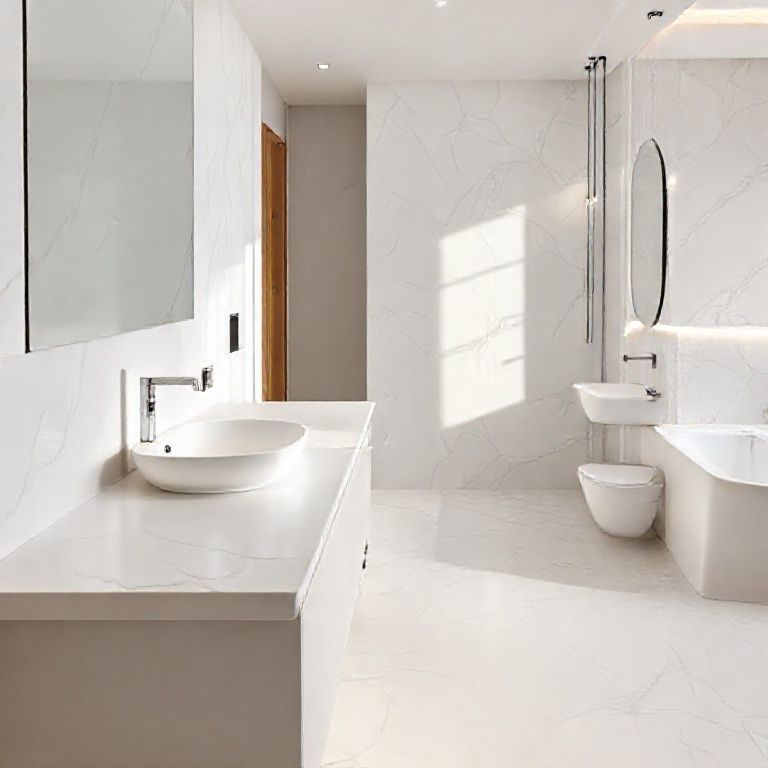
Routine Cleaning: For regular maintenance, use a neutral pH cleaner specifically designed for stone surfaces. Mix the cleaner with warm water and apply it to a soft cloth or sponge. Gently wipe down the surface of the countertop, ensuring you cover all areas.
Detailing: For intricate designs and patterns, a soft-bristle brush can help remove grime without scratching the surface. Focus on detailed areas like edge trims and crevices where dirt tends to accumulate.
Stain and Spot Removal
Over time, artificial stone can develop stubborn stains. Here’s how to tackle them effectively:
Oil Stains: Use a combination of mild dish soap and baking soda. Mix the two to form a paste and apply it to the stain. Let it sit for a few minutes before gently scrubbing with a soft-bristle brush. Rinse with warm water and dry with a microfiber cloth.

Water Stains: These are often caused by prolonged exposure to water. For water stains, use a neutral pH cleaner and a soft cloth to wipe the affected area. For tougher stains, apply a paste made from baking soda and water. Let it sit for several minutes before gently scrubbing and rinsing.
Hard Water Stains: Hard water can leave mineral deposits on your countertop. To remove these, use a mixture of white vinegar and water (equal parts). Apply the solution to the stain and let it sit for a few minutes before wiping it clean with a soft cloth.
Regular Maintenance Tips
Avoid Harsh Cleaners: Harsh chemicals can damage the surface of your artificial stone. Always opt for neutral pH cleaners designed for stone surfaces.
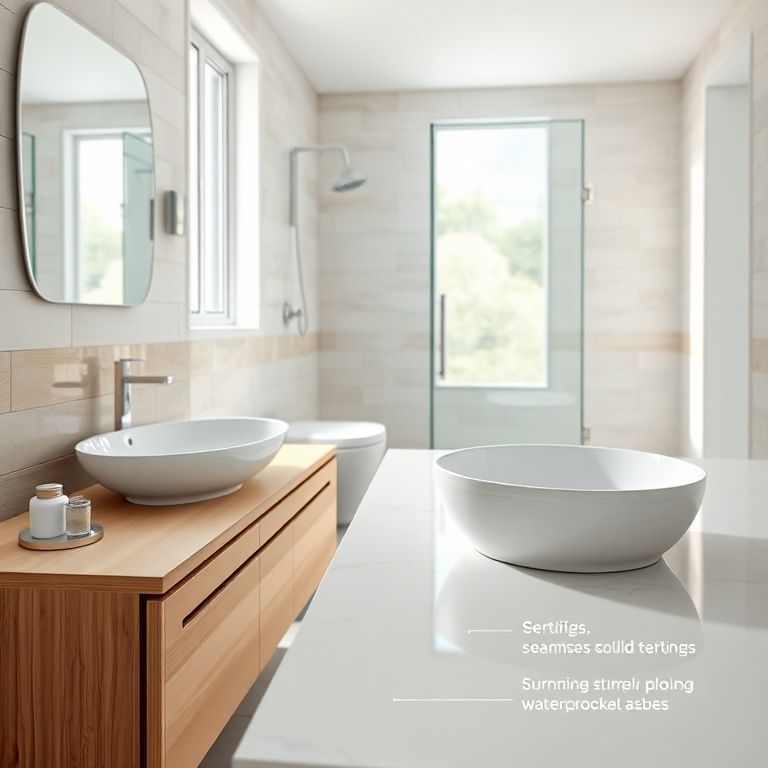
Use Coasters and Trivets: To prevent scratches and heat damage, use coasters under drinks and trivets for hot dishes.
Regular Polishing: A mild polish can help maintain the shine of your artificial stone countertop. Apply it sparingly and wipe off any excess with a clean cloth.
Conclusion
Maintaining your artificial stone countertops involves simple, everyday practices that can significantly extend their lifespan and keep them looking pristine. Regular cleaning, immediate spill management, and avoiding harsh chemicals are key to preserving the beauty of your stone surfaces. In the next part, we will delve into more advanced restoration techniques, including how to fix scratches and minor damage.
Advanced Restoration Techniques for Artificial Stone Countertops
While basic maintenance and cleaning can go a long way in keeping your artificial stone countertops in top condition, there may come a time when you need to address more serious issues like scratches, cracks, or deeper stains. This part of the guide focuses on advanced restoration techniques to bring your artificial stone back to its original glory.
Identifying the Type of Damage
Understanding the nature of the damage is crucial for selecting the appropriate restoration technique. Common types of damage include:
Scratches: Light scratches can often be polished out, while deeper scratches might require more intensive treatment.
Stains: Some stains may require chemical treatments or specialized cleaning solutions.
Cracks: Small cracks can usually be repaired, but larger cracks might necessitate professional intervention.
Advanced Cleaning Techniques
Deep Cleaning: For deeper stains and grime, use a cleaner specifically designed for artificial stone. Mix it with warm water and apply it to the affected area. Let it sit for a few minutes before scrubbing gently with a soft-bristle brush. Rinse and dry thoroughly.
Chemical Treatments: For stubborn stains, chemical treatments can be effective. Use a stone-specific cleaner or a mixture of vinegar and water. Apply the solution to the stain, let it sit for a few minutes, then scrub gently. Rinse and dry with a microfiber cloth.
Repairing Scratches
Polishing Kits: For minor scratches, a polishing kit designed for artificial stone can help. These kits often include a polishing paste and a buffing pad. Apply the paste to the scratch and gently buff the area until the scratch is no longer visible.
Professional Polishing: For deeper scratches, professional polishing services might be required. A stone polishing expert can use advanced techniques to restore the surface to its original clarity.
Repairing Cracks
Epoxy Fillers: For small cracks, an epoxy filler can be an effective DIY solution. Mix the epoxy according to the manufacturer’s instructions and apply it to the crack using a small brush. Smooth the filler with a damp cloth until it is level with the surface. Let it cure as per the instructions.
Professional Repair Services: For larger cracks, it’s best to consult a professional repair service. They have the expertise and tools to ensure a seamless repair that restores the countertop’s integrity and appearance.
Advanced Stain Removal Techniques
Chemical Stain Removers: For persistent stains, chemical stain removers can be effective. Use a stone-specific cleaner or a combination of baking soda and vinegar. Apply the solution to the stain and let it sit for several minutes before scrubbing gently. Rinse and dry thoroughly.
Professional Cleaning Services: For particularly stubborn stains, professional cleaning services might be necessary. They have access to powerful cleaning solutions and equipment that can tackle even the most resistant stains.
Regular Maintenance to Prevent Future Damage
Use Protective Pads: Always use protective pads under hot pots and pans to prevent thermal damage.
Regular Polishing: Periodically polish your countertop to maintain its shine and prevent the build-up of grime.
Routine Inspections: Regularly inspect your countertop for any signs of damage or wear. Addressing minor issues early can prevent them from becoming more serious problems.
Conclusion
Advanced restoration techniques can breathe new life into your artificial stone countertops, even when they have sustained significant damage. From polishing scratches to repairing cracks, there are effective methods available for both DIY enthusiasts and those seeking professional help. By combining regular maintenance with these advanced techniques, you can ensure your artificial stone countertops remain beautiful and functional for years to come.
For more detailed video tutorials on artificial stone countertop restoration, explore our comprehensive video collection. From basic cleaning tips to advanced repair techniques, our expert-led videos provide the guidance you need to keep your countertops looking pristine.