Introduction to Artificial Stone Countertop Restoration
Artificial stone countertops have become a popular choice for kitchens and bathrooms due to their durability, easy maintenance, and stunning aesthetics. However, like all materials, they can wear out over time, showing scratches, stains, or damage that diminishes their beauty and functionality. Fortunately, with the right techniques and tools, you can restore your artificial stone countertops to their original splendor. This part of our comprehensive video tutorial series will guide you through the fundamental steps of artificial stone countertop restoration.

Understanding the Material
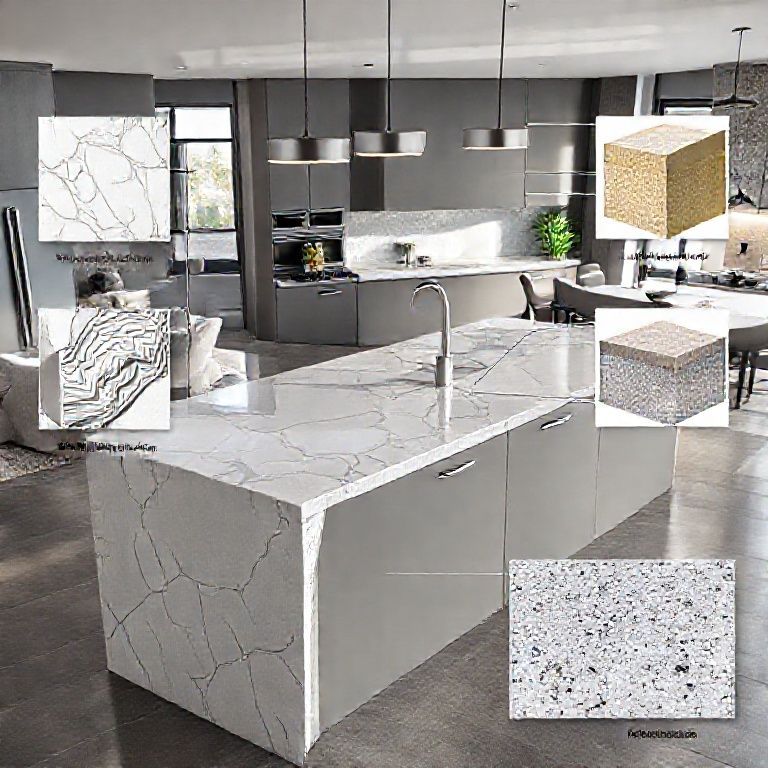
The first step in restoring artificial stone countertops is understanding what they are made of. Artificial stone, also known as quartz or composite stone, is a man-made material composed of fine minerals bonded together with a resin binder. This composite material is known for its resistance to heat, stains, and scratches, making it a preferred choice in many households and commercial spaces. However, it is not indestructible. Over time, it can develop surface imperfections that can be addressed with proper restoration techniques.
Tools and Materials Needed
Before diving into the restoration process, gather all necessary tools and materials. Here’s a list of what you’ll need for a successful restoration project:
Cleaning supplies: Mild detergent, water, and a soft cloth. Restoration kit: This typically includes a stone polish, a stone restoration compound, and a polishing pad. Sandpaper: Medium grit (around 220) for light sanding. Stain remover: Suitable for the type of stain you’re dealing with. Protective gloves: To protect your hands during the process. Microfiber cloths: For polishing and final cleaning.
Step-by-Step Restoration Process
Initial Cleaning: Start with a thorough cleaning of the countertop to remove any dirt, grime, or grease. Use a mild detergent mixed with water and a soft cloth to wipe down the surface. Pay special attention to areas with visible stains or marks.
Assessing Damage: Carefully inspect the countertop to determine the extent of the damage. Identify areas with scratches, stains, or surface pitting. This will help you decide which restoration techniques to use.
Removing Surface Stains: For superficial stains, use an appropriate stain remover. Apply it to a cloth and gently rub the stained area. Avoid scrubbing too hard to prevent further scratching.
Sanding Light Scratches: For light scratches, lightly sand the affected area using medium grit sandpaper. Use gentle, circular motions to avoid creating deeper scratches. Always sand in the direction of the stone grain.
Applying Restoration Compound: Once the surface is clean and lightly sanded, apply a stone restoration compound using a polishing pad. Follow the manufacturer’s instructions for application and polishing. Typically, you will apply a small amount of compound to the pad, then rub it onto the countertop in a circular motion until the surface is smooth and shiny.
Polishing: After the restoration compound has been applied and allowed to dry, use a polishing pad to buff the surface until it shines. This step will help to blend the restored areas with the rest of the countertop, giving it a uniform appearance.
Conclusion
Restoring artificial stone countertops can breathe new life into your kitchen or bathroom, making it look as good as new. By following the steps outlined in this video tutorial, you can effectively address scratches, stains, and surface imperfections. Remember, the key to successful restoration is patience and careful application of the techniques and materials. Stay tuned for the next part of our series, where we’ll delve deeper into advanced restoration techniques and troubleshooting common issues you might encounter.
Advanced Techniques and Troubleshooting for Artificial Stone Countertop Restoration
In the previous part of our tutorial series, we covered the fundamental steps to restore your artificial stone countertops. Now, let’s dive into more advanced techniques and troubleshooting tips to ensure your restoration project is flawless. This part will focus on tackling more complex issues, such as deep scratches, pitting, and discoloration, and provide solutions to common problems you might face during the restoration process.
Deep Scratches and Pitting
While light scratches can be addressed with sanding and polishing, deep scratches and pitting require more intensive techniques to repair.
Using Abrasive Paste: For deep scratches and pitting, an abrasive paste polish is often the best solution. These pastes contain fine abrasives that can effectively smooth out deeper imperfections. Apply the abrasive paste to a polishing pad and rub it onto the countertop in a circular motion. Ensure even coverage and follow the manufacturer’s instructions for application and drying times.
Diamond Polishing: For even deeper damage, consider using a diamond polishing pad. These pads are more aggressive and can remove significant surface imperfections. Attach the diamond pad to a power polisher and follow the same circular motion technique. Always test on a small, inconspicuous area first to ensure the pad does not scratch the stone.
Dealing with Discoloration
Discoloration on artificial stone countertops can be caused by various factors, including exposure to heat, acidic foods, or prolonged contact with certain cleaning products.
Chemical Treatments: If discoloration is due to chemical reactions, use a specialized stone cleaner or chemical treatment designed to neutralize these reactions. Follow the product instructions carefully, and always test on a small area before applying to the entire surface.
Heat-Induced Discoloration: Heat can cause discoloration in artificial stone. If this is the issue, try using a high-grit sandpaper or a specialized heat-resistant stone polish. Apply the polish in a circular motion and buff the surface to restore its original color.
Troubleshooting Common Issues
Restoration projects can sometimes run into unexpected problems. Here’s how to troubleshoot some of the most common issues you might encounter.
Inconsistent Polish: If the polished surface doesn’t have a uniform shine, it might be due to uneven application of the restoration compound. Reapply the compound and ensure even coverage before polishing.
Scratches from Sanding: Sometimes, sanding can inadvertently create new scratches. If you notice this happening, switch to a finer grit sandpaper or use a polishing compound to blend out the scratches.
Residue Left Behind: Residue from the restoration compound can sometimes be left on the surface. Use a clean microfiber cloth dampened with water to wipe off any remaining residue. Dry the surface with a dry microfiber cloth.
Preventive Measures
Prevention is always better than cure. Here are some tips to help maintain your artificial stone countertops and avoid the need for extensive restoration.
Use Cutting Boards: Always use cutting boards to cut food on your countertops. This prevents scratches from knives and other sharp objects.
Avoid Acidic Foods: Acidic foods like tomatoes, citrus fruits, and vinegar can cause discoloration. Use cutting boards or containers to handle these foods.
Regular Cleaning: Regularly clean your countertops with a mild detergent and water to prevent build-up of grease and grime, which can lead to stains and damage.
Protective Pads: Use protective pads under pots, pans, and other heavy items to prevent scratches from sliding.
Conclusion
Restoring artificial stone countertops can be a rewarding DIY project that enhances the beauty and functionality of your home. By following advanced techniques and troubleshooting tips, you can address complex issues and achieve a flawless restoration. Remember, the key to successful restoration lies in patience, careful application, and regular maintenance. Stay tuned for more tips and tricks on home improvement projects.
By investing time and effort into restoring your artificial stone countertops, you not only extend their lifespan but also add value to your home. Happy restoring!