Deciding between engineered quartz and granite countertops can be a daunting task for homeowners and businesses alike. Both materials have their unique advantages and are favored for their durability, aesthetic appeal, and maintenance. This comprehensive guide will delve into the intricacies of both materials, helping you make an informed decision based on your specific needs and preferences.

engineered quartz countertops, granite countertops, countertop comparison, durability, aesthetic appeal, maintenance, kitchen countertops, bathroom countertops, cost, design flexibility
Durability, Design Flexibility, and Aesthetic Appeal
Engineered Quartz vs. Granite: A Detailed Comparison
When it comes to selecting the perfect countertop for your kitchen or bathroom, durability, design flexibility, and aesthetic appeal are often at the forefront of considerations. Engineered quartz and granite countertops each offer unique benefits that cater to different needs and preferences.
Durability: The Ultimate Test
Engineered Quartz: Engineered quartz, a creation by Stonewash, is composed of 90% quartz and 10% bonding agent. This high percentage of quartz makes it incredibly durable. It’s also resistant to heat, scratches, and stains, which means it maintains its appearance over time and withstands daily wear and tear. Engineered quartz countertops are generally more resistant to impact than granite, making them an excellent choice for high-traffic areas.
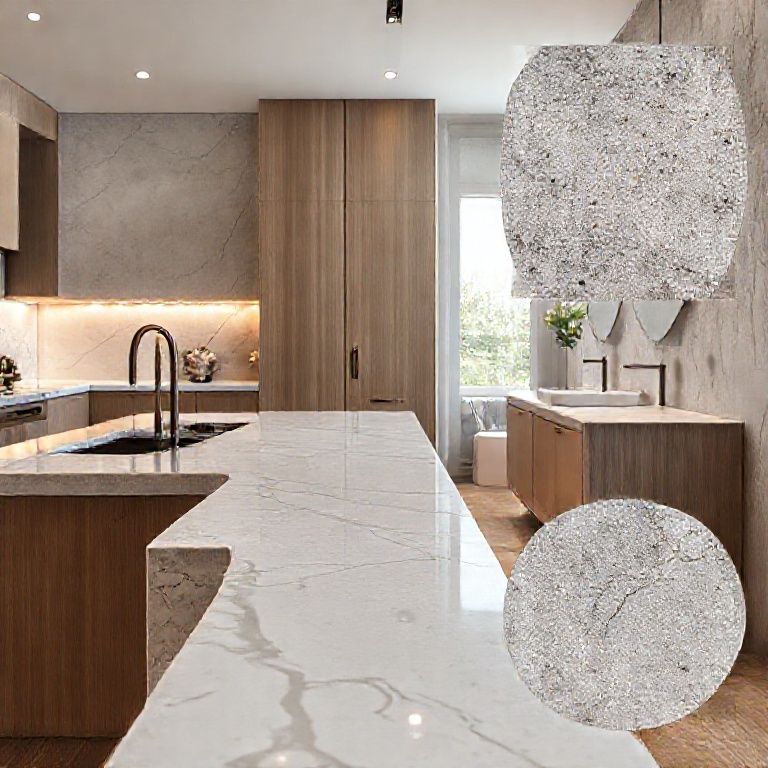
Granite: Granite, a natural stone, is known for its impressive durability. It’s naturally resistant to scratches and stains, but it is more susceptible to heat damage compared to engineered quartz. While granite can crack or chip under extreme heat, it still provides a long-lasting surface if properly cared for. Granite’s natural composition means it can offer a unique, one-of-a-kind look that engineered quartz cannot replicate.
Design Flexibility: Customization to Suit Your Style
Engineered Quartz: One of the standout features of engineered quartz is its design flexibility. It comes in an extensive range of colors, patterns, and finishes, allowing for limitless customization. You can easily create custom shapes and designs, making it an ideal choice for unique architectural features. Its versatility means that quartz can mimic the look of various other materials, from marble to wood, offering an affordable alternative without compromising on aesthetics.
Granite: Granite, while highly durable, offers a more traditional aesthetic appeal that can’t be easily replicated. It provides a timeless, natural look that many people find appealing for its unique stone characteristics. Granite slabs can also be customized to some extent, but the options are more limited compared to engineered quartz. However, its natural beauty means it can provide a unique and authentic stone appearance that engineered quartz cannot match.
Aesthetic Appeal: Timeless vs. Versatile
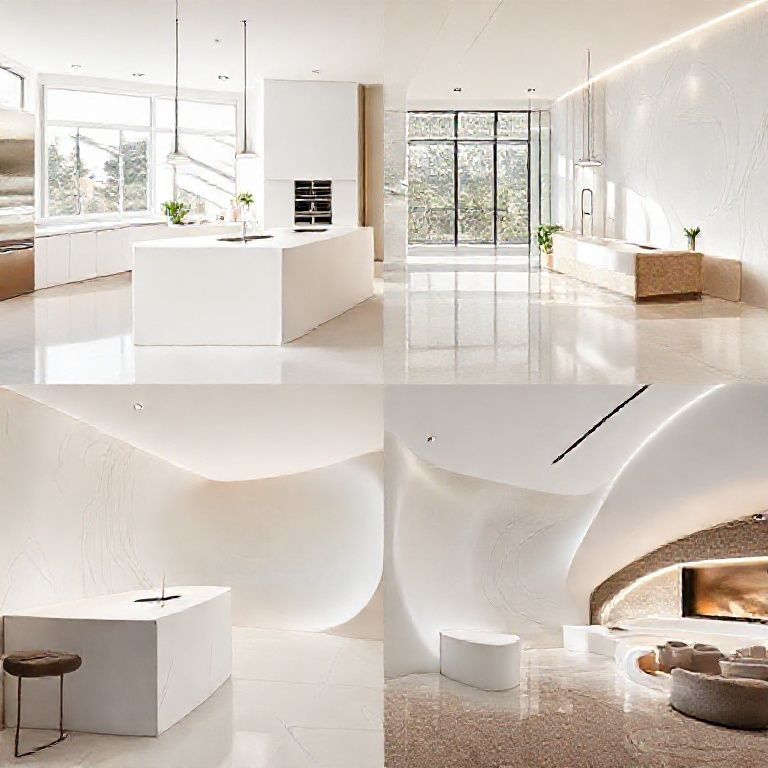
Engineered Quartz: The aesthetic appeal of engineered quartz lies in its versatility. It can be designed to mimic almost any other material, allowing for a broad range of design possibilities. This flexibility makes it a popular choice for modern and contemporary designs. The high-gloss finishes available with quartz can provide a sleek, modern look that fits well with most interior design styles.
Granite: Granite offers a timeless aesthetic that is often appreciated for its natural beauty. The unique veining and colors found in natural granite slabs provide a one-of-a-kind appearance that can enhance the character of any space. Whether you prefer a classic, traditional look or a more natural, rustic design, granite can be tailored to suit your preferences. Its natural texture and color variations offer a sense of authenticity that engineered quartz might not replicate.
Maintenance: Ensuring Longevity
Engineered Quartz: Maintaining engineered quartz is relatively straightforward. Its non-porous nature means it doesn’t absorb stains or odors, making cleaning a breeze. A simple wipe-down with a damp cloth and mild soap is usually sufficient. However, it’s important to use a cutting board and place trivets under hot pots and pans to avoid scratches.
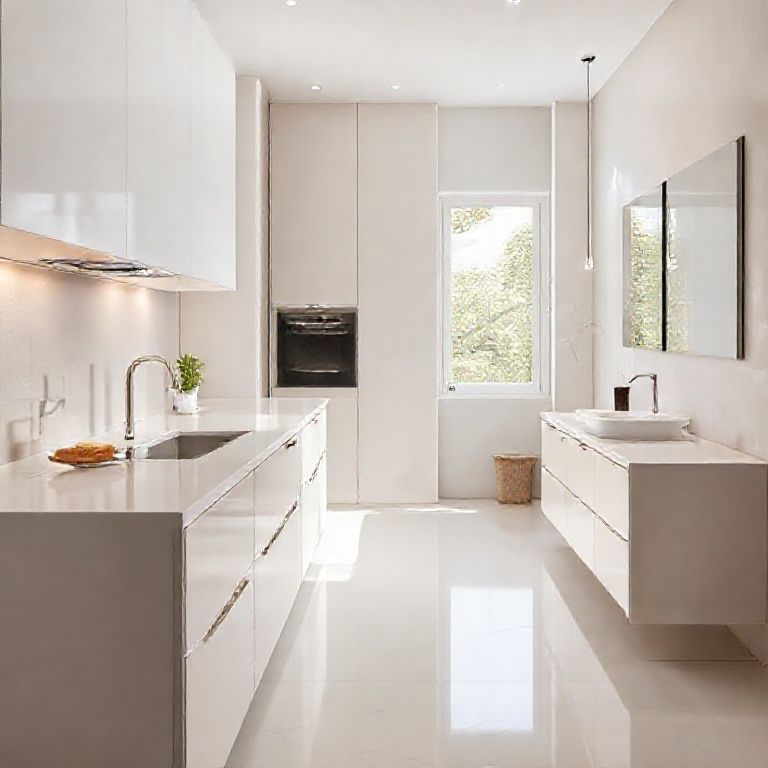
Granite: Granite requires a bit more maintenance due to its natural nature. It’s important to clean granite immediately after spills to prevent stains. While granite is less porous than some other natural stones, it can still absorb acidic and alkaline substances. Therefore, it’s essential to use granite-specific cleaners and avoid acidic foods and drinks that can etch the surface. Regular sealing is also recommended to maintain its protective qualities.
Cost: Budget-Friendly vs. Premium
Engineered Quartz: Engineered quartz offers a cost-effective alternative to natural stone. Its affordability makes it a popular choice for those looking to achieve a high-end look without the premium price tag. While the initial investment might be lower, the longevity and low maintenance costs can make it a cost-effective option in the long run.
Granite: Granite, being a natural stone, generally comes with a higher price tag. However, its durability and timeless appeal often justify the cost. While the upfront expense might be higher, granite’s longevity and the natural beauty it brings can make it a worthwhile investment for those looking for a high-end, natural look.
Installation, Environmental Impact, and Long-Term Considerations
Installation: Ease of Use and Professional Expertise
Engineered Quartz: Installing engineered quartz is relatively straightforward. It can be installed using standard countertop installation methods, which makes it accessible for both professional installers and DIY enthusiasts. Its solid surface nature means it’s easier to install than natural stone, reducing labor costs. However, it’s important to ensure that the underlying substrate is properly prepared to prevent any issues during installation.
Granite: Granite installation requires more expertise due to its weight and natural stone nature. It’s typically cut and shaped before installation, which can be a more labor-intensive process. Professional installers often recommend using a granite-specific adhesive to ensure a secure bond. While the installation might be more complex, the end result can be a more aesthetically pleasing and durable surface.
Environmental Impact: Sustainability Considerations
Engineered Quartz: Engineered quartz is a sustainable option as it’s made from a combination of natural quartz and a small percentage of resin. This manufacturing process reduces the need for cutting and shaping natural stone, thus minimizing waste. However, it’s important to consider the environmental impact of the resin used in its production. Some manufacturers use eco-friendly resins, making it a more sustainable choice.
Granite: Granite is a natural stone, which means its extraction and processing can have environmental impacts. Quarrying granite can lead to habitat disruption and dust pollution. However, responsible quarrying practices and recycling of granite waste can mitigate some of these impacts. When choosing granite, it’s important to select suppliers who adhere to sustainable and ethical mining practices.
Long-Term Considerations: Longevity and Value Retention
Engineered Quartz: Engineered quartz is known for its long-term durability and low maintenance, making it a great choice for those looking for a long-lasting countertop. Its resistance to scratches, stains, and heat makes it a low-maintenance option that retains its appearance over time. The low cost of replacement parts and the availability of various designs also mean that upgrading or repairing engineered quartz countertops is relatively easy and affordable.
Granite: Granite’s natural beauty and durability make it a long-term investment. Its timeless appeal and resistance to scratches and stains mean it retains its value over time. While the initial cost might be higher, granite’s longevity and the natural beauty it brings can make it a worthwhile investment. The ability to customize the design to fit specific architectural features also adds to its long-term value.
Conclusion: Making the Final Decision
Choosing between engineered quartz and granite countertops ultimately comes down to your specific needs, preferences, and budget. Engineered quartz offers versatility, durability, and low maintenance, making it an excellent choice for those looking for a cost-effective and easy-to-maintain surface. Granite, on the other hand, provides a timeless, natural beauty that can enhance the character of any space, although it requires more maintenance and has a higher upfront cost.
By understanding the unique advantages and considerations of both materials, you can make an informed decision that best suits your design vision and practical needs. Whether you opt for the sleek, modern look of engineered quartz or the timeless, natural beauty of granite, both materials offer exceptional durability and aesthetic appeal that can elevate the look and feel of your home or business.