Durability and Aesthetics
${part1}
When it comes to selecting the perfect countertop for your kitchen or bathroom, durability and aesthetics are two of the most important factors to consider. Both quartz and marble countertops offer unique advantages and disadvantages in these areas.

Durability
Quartz countertops are renowned for their exceptional durability. Composed of 93% pure quartz and bonded with resin, quartz is one of the hardest materials available on the market. This high level of hardness makes quartz incredibly resistant to scratches, stains, and cuts. Unlike granite, which is also a popular choice, quartz doesn’t have the same susceptibility to acid stains or water spots. This makes it an excellent choice for high-traffic areas where durability is paramount.
Marble, on the other hand, is a natural stone known for its stunning aesthetic appeal but falls short when it comes to durability. Marble is composed of calcite, which makes it susceptible to acid stains and water spots. Even minor spills can cause permanent discoloration, especially with acidic substances like lemon juice, vinegar, or coffee. Marble also tends to scratch more easily than quartz, meaning it may not be the best choice for families with children or active households.
Aesthetics
Quartz countertops come in an array of colors and patterns, offering a level of customization that is hard to beat. The manufacturers can create almost any design imaginable, from classic marble-like veins to unique abstract patterns. This flexibility allows homeowners to match their countertops precisely with their existing decor or to introduce a bold new look. Additionally, quartz offers a sleek, modern appearance that fits well with contemporary home designs.
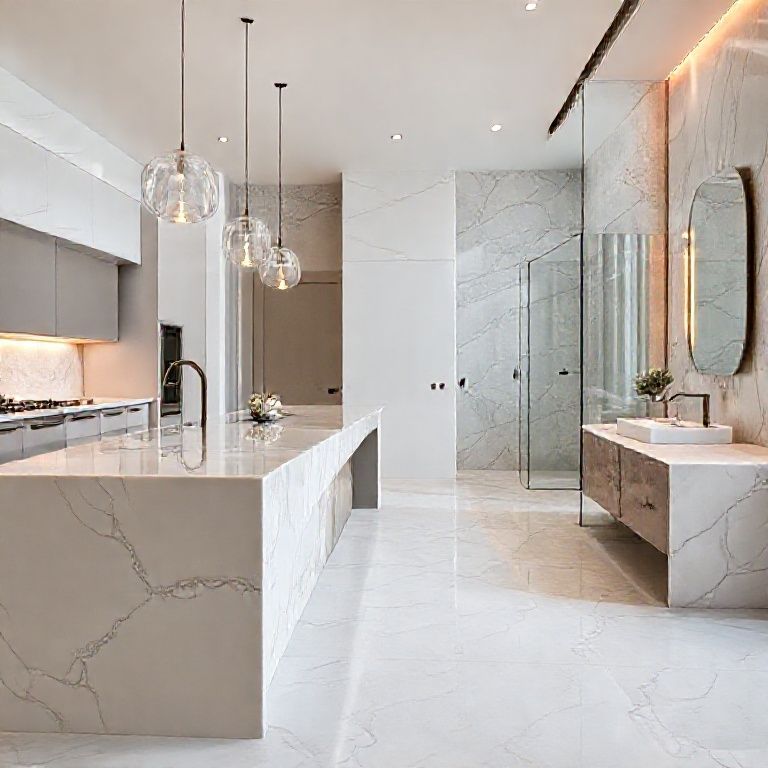
Marble countertops are often chosen for their timeless elegance and natural beauty. There are numerous varieties of marble, each with its own unique veining and color patterns. Marble’s natural appearance can add a touch of luxury and sophistication to any space. Whether you prefer the classic white of Carrara marble or the rich hues of black or pink marble, there’s a variety that can suit your taste. However, while marble’s aesthetic appeal is undeniable, it’s important to consider the maintenance required to keep its beauty intact.
${part2}
Maintenance and Cost
Maintenance
When it comes to maintaining your countertops, the type of material plays a significant role. Quartz countertops are low-maintenance and require little effort to keep looking pristine. Since quartz is non-porous, it does not absorb liquids or stains, making it easier to clean. A simple wipe with a damp cloth and mild soap is usually sufficient to maintain its shine and beauty. Even if a spill occurs, simply wiping it away will usually be enough to restore its original look.
Marble countertops, however, require more careful maintenance. Because marble is porous, it’s important to clean it promptly to prevent stains from setting in. Using a marble-specific cleaner and a soft cloth, gently wipe down the surface after each use. It’s also advisable to use a non-abrasive sponge to avoid scratching the surface. To protect against stains, it’s recommended to use a marble sealant periodically. Additionally, avoid placing hot pots or pans directly on the surface to prevent thermal shock, which can cause cracks.
Cost
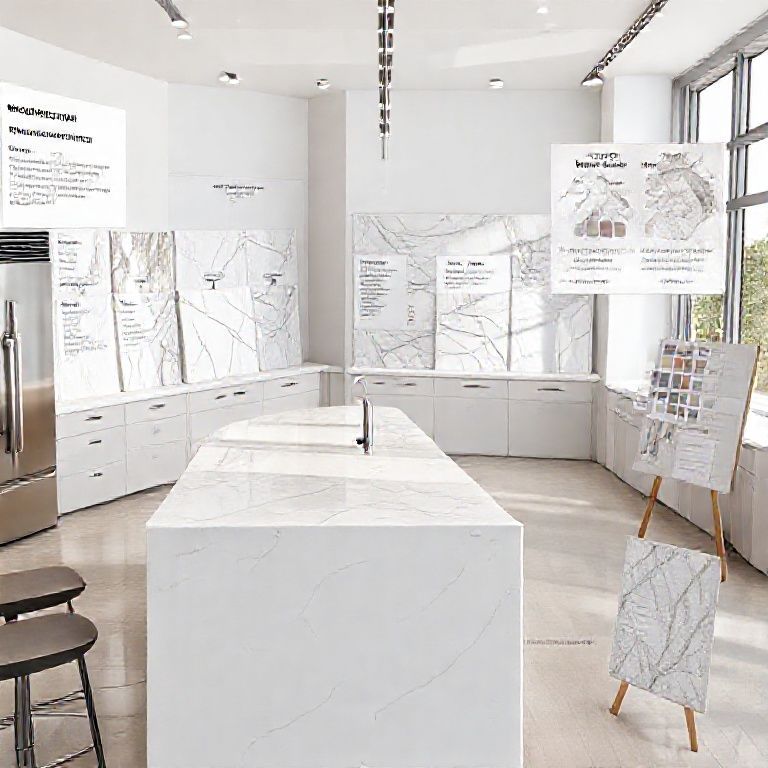
The cost of countertops can vary widely depending on the type, quality, and customization options chosen. Quartz countertops are generally more affordable than marble, especially when it comes to higher-end designs. Basic quartz countertops can be purchased for a few hundred dollars, while custom designs can range up to several thousand dollars. The cost of quartz is typically more predictable, as it doesn’t vary as much with the natural stone market fluctuations.
Marble countertops tend to be more expensive due to their natural stone composition and the artisan craftsmanship involved in their creation. Prices can range from a few thousand dollars for a simple slab to tens of thousands of dollars for highly customized and intricately veined designs. The cost of marble can also be influenced by the type of marble used, with exotic varieties like Italian or Egyptian marble being more expensive than more common types.
Installation and Longevity
Both quartz and marble countertops are available in slab form, which makes them relatively easy to install. Professional installation is recommended to ensure a seamless and professional finish. However, quartz’s durability and low maintenance make it an excellent choice for DIY enthusiasts looking for a hassle-free option.
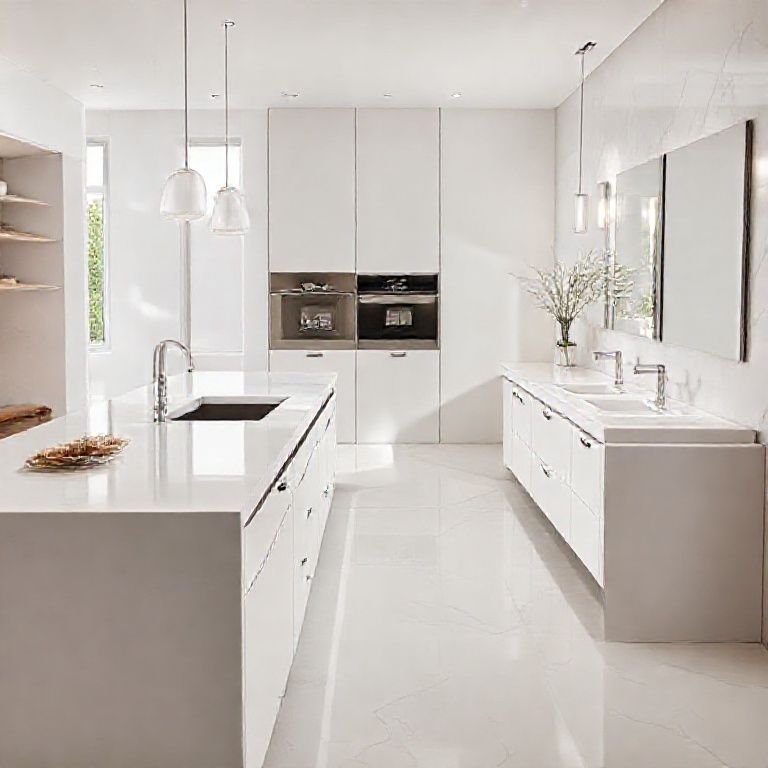
When it comes to longevity, quartz countertops are designed to last for many years with proper care. Their resistance to scratches, stains, and water damage means that they can maintain their appearance and functionality over time. Marble, while beautiful, may require more frequent maintenance and could experience more noticeable wear and tear over time. However, with proper care, high-quality marble countertops can also last for many years.
Conclusion
When deciding between quartz and marble countertops, it’s essential to weigh their respective benefits and drawbacks based on your specific needs and preferences. Quartz offers unmatched durability, low maintenance, and a wide range of aesthetic options, making it a popular choice for modern homes. On the other hand, marble provides a luxurious and elegant look that can enhance the beauty of your space, though it requires more careful maintenance to preserve its natural beauty.
By understanding the differences in durability, aesthetics, maintenance, and cost, you can make an informed decision that best suits your home and lifestyle. Whether you opt for the practicality and low-maintenance appeal of quartz or the timeless elegance of marble, both options offer unique advantages that can elevate the look and feel of your kitchen or bathroom.