Deciding between quartz and stainless steel countertops for your kitchen is a significant decision that impacts both aesthetics and functionality. In this article, we explore the advantages and disadvantages of both materials, helping you make an informed choice that suits your lifestyle and design preferences. Read on to discover which countertop material is the best fit for your home.

Content:
The Aesthetic Appeal of Quartz Countertops
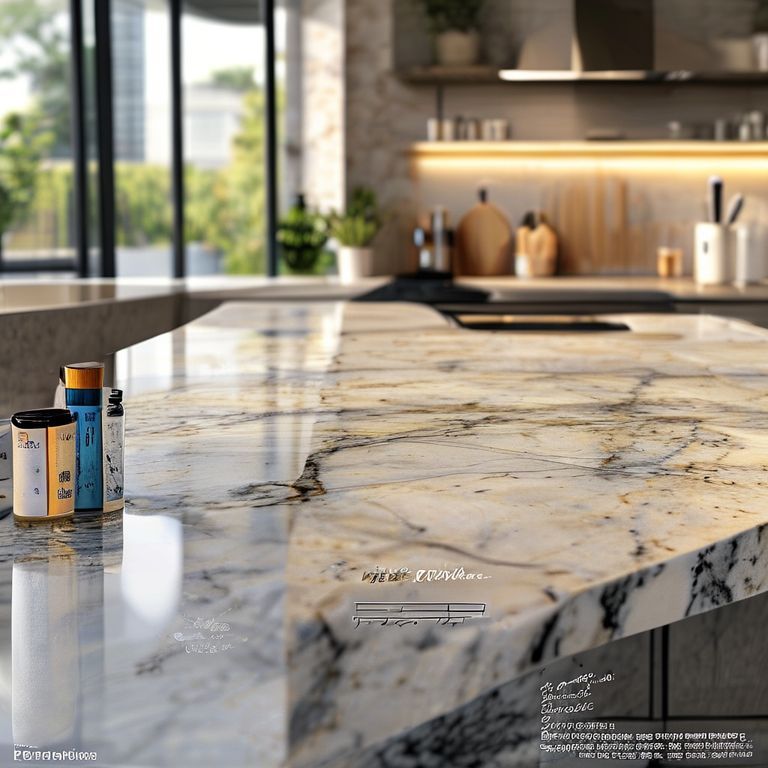
Quartz countertops, composed of 93% pure quartz and enhanced with pigments and binders, offer an unmatched level of beauty and versatility. They come in an astonishing variety of colors, patterns, and finishes, allowing for endless design possibilities. Whether you prefer a sleek, modern look or a more rustic, natural aesthetic, quartz can be tailored to suit your tastes.
Color and Pattern Options
One of the most significant advantages of quartz is its extensive range of colors and patterns. From vibrant hues to classic neutrals, quartz can mimic any natural stone, including marble, granite, and even wood. This versatility means you can choose a countertop that perfectly complements your existing decor or start afresh with a bold new design.
Durable and Long-lasting
Quartz is incredibly durable and long-lasting, making it an excellent choice for those who value longevity and low maintenance. Its solid surface resists scratches, dents, and stains, ensuring your countertop remains pristine and beautiful for years to come. The high-pressure manufacturing process also makes quartz incredibly strong, capable of withstanding heavy use without showing signs of wear.
The Aesthetic Appeal of Stainless Steel Countertops
Stainless steel is another popular choice for kitchen countertops, prized for its sleek, modern look and functional design. While it may not offer the same range of color and pattern options as quartz, it excels in providing a clean, industrial aesthetic that many modern kitchens seek.
Modern and Minimalist Design
Stainless steel countertops are synonymous with minimalist, contemporary design. Their smooth, polished finish exudes a clean and uncluttered look that is perfect for modern kitchens. Stainless steel’s understated elegance makes it a versatile option that can seamlessly blend with a variety of kitchen styles, from industrial to Scandinavian.
Durability and Maintenance
Stainless steel is known for its durability and resistance to scratches and stains. It’s also highly resistant to bacteria, making it a practical choice for busy kitchens. However, it does require regular maintenance to keep its sleek appearance, as fingerprints and smudges can be somewhat challenging to remove.
Functional Considerations: Quartz vs. Stainless Steel
When it comes to functionality, both quartz and stainless steel have their own set of advantages and considerations.
Heat Resistance
Both quartz and stainless steel offer excellent heat resistance, making them ideal for kitchen use. Quartz, in particular, is highly resistant to high temperatures, making it perfect for those who frequently cook or use the countertop for food prep. Stainless steel also handles heat well but may not fare as well in extremely hot environments without proper care.
Ease of Cleaning
One of the most significant functional considerations is the ease of cleaning. Quartz’s non-porous surface makes it incredibly easy to clean and maintain. Spills and stains simply wipe off, leaving no traces behind. Stainless steel also cleans relatively easily, but it requires more effort to keep fingerprints and smudges at bay.
Cost and Installation
The cost of countertops can vary widely depending on the material and design. Quartz countertops generally come at a higher price point due to their complex manufacturing process and the variety of options available. Stainless steel, on the other hand, tends to be more affordable, though it may require additional costs for finishes and installation.
Installation and Countertop Thickness
Quartz countertops are relatively easy to install, though they do require a professional for the best results. The thickness of quartz countertops typically ranges from 1 to 1.5 inches, providing a sturdy and stable surface. Stainless steel countertops, while also relatively easy to install, often come in a variety of thicknesses, which can affect their weight and installation complexity.
Conclusion
In the first part of this comparison, we’ve explored the aesthetic and functional appeal of quartz and stainless steel countertops. Both materials offer unique advantages and cater to different design preferences and functional needs. The choice between quartz and stainless steel ultimately comes down to your personal tastes, lifestyle, and design goals for your kitchen.
Content:
Long-Term Durability and Maintenance
Quartz Countertops
Durability
One of the most significant advantages of quartz countertops is their durability. The high-pressure manufacturing process used to create quartz makes it incredibly strong and resistant to scratches, dents, and stains. This durability means that quartz countertops can last for decades, maintaining their appearance and functionality throughout their lifespan.
Low Maintenance
Quartz countertops are also known for their low maintenance requirements. Because they are non-porous, spills and stains do not penetrate the surface, making them incredibly easy to clean. Simply wipe with a damp cloth and mild soap, and your quartz countertop will look as good as new. This low-maintenance characteristic is particularly appealing for busy households and those who prefer a hassle-free kitchen experience.
Water and Heat Resistance
Quartz is highly resistant to water and heat, making it an excellent choice for kitchens where spills and high temperatures are common. Its solid surface ensures that it does not warp, crack, or discolor, maintaining its appearance and integrity over time. This resistance to water and heat also means that quartz countertops can withstand the rigors of daily kitchen use without showing signs of wear.
Stainless Steel Countertops
Durability
While stainless steel is durable and can withstand heavy use, it is not as resistant to scratches and dents as quartz. Stainless steel countertops can be prone to dents, particularly if they are thinner or if heavy objects are placed directly on them. However, with proper care, stainless steel can last for many years.
Maintenance
Stainless steel countertops require more maintenance than quartz to keep their sleek, polished appearance. Fingerprints, smudges, and light stains can be somewhat challenging to remove, requiring regular cleaning with specialized stainless steel cleaners. While stainless steel is resistant to water and heat, it does require more effort to keep clean and maintain its shine.
Water and Heat Resistance
Stainless steel is highly resistant to water and heat, making it a practical choice for kitchen use. Its ability to handle high temperatures makes it suitable for areas where cooking and food prep are frequent. However, it’s important to note that stainless steel can sometimes develop water spots and fingerprints, which can detract from its polished look if not properly maintained.
Cost-Effectiveness and Value
Initial Costs
When it comes to initial costs, quartz countertops generally have a higher price point due to their complex manufacturing process and the variety of options available. The cost of quartz can range widely depending on the color, pattern, and thickness. On the other hand, stainless steel countertops tend to be more affordable, offering a range of prices based on the finish and type of stainless steel used.
Long-Term Savings
While quartz may have a higher upfront cost, its durability and low maintenance requirements can offer long-term savings. Since quartz countertops do not require frequent cleaning or repairs, they can save money over time compared to stainless steel, which may need more maintenance to keep its appearance. Additionally, the longevity of quartz means that you may not need to replace them as often as stainless steel, further contributing to long-term cost savings.
Warranty and Replacement
Most manufacturers offer warranties on both quartz and stainless steel countertops, though the specifics can vary. Quartz typically comes with a warranty that covers scratches, dents, and stains for several years, often up to 10 years. Stainless steel warranties may cover different aspects, including scratches and dents, but may not offer the same level of stain resistance as quartz.
Environmental Considerations
Sustainability
Both quartz and stainless steel have different environmental impacts. Quartz countertops are made from natural quartz, which is mined and processed. While quartz mining has its own environmental considerations, the material itself is non-toxic and recyclable. Stainless steel, on the other hand, is made from steel, which is a highly recyclable material. However, the production of steel can have significant environmental impacts, including high energy consumption and carbon emissions.
Eco-Friendliness
When considering the environmental impact, quartz may have an edge due to its non-toxic nature and the fact that it does not require additional finishes or treatments to maintain its appearance. Stainless steel, while recyclable, involves more energy-intensive processes during production. However, the choice between these materials also depends on the specific当然,我们可以继续探讨灶台面石英石和不锈钢这两种材料的具体细节,以及它们在实际使用中的表现。
安装和维护
安装复杂性
石英石和不锈钢在安装过程中的复杂性有所不同。石英石由于其较高的硬度,切割和安装可能需要专业设备和技术。石英石的厚度通常较薄,便于安装。不锈钢则相对来说更易于切割和安装,但其重量可能会使安装变得更加复杂。
维护需求
石英石由于其非多孔性,日常维护非常简单。你只需用湿布轻轻擦拭即可保持其光泽。不锈钢虽然也耐污,但其表面易于留下指纹和污渍,需要使用专用的清洁剂来保持其光亮。
抗菌性和卫生
石英石
石英石的抗菌性能相对较好,因为其非多孔的表面结构不容易让细菌生存。石英石本身并不是完全防菌的,长时间暴露在高湿度和高温度环境中可能会导致细菌滋生。因此,尽管石英石在抗菌性能上有一定优势,但仍需要适当的清洁和维护。
不锈钢
不锈钢的表面是光滑的,这使得它具有很好的抗菌性能。由于其光滑的表面结构,细菌和污渍不容易粘附。但是,不锈钢表面容易留下指纹和污渍,需要定期清洁以保持其卫生状态。
热传导和使用感受
石英石
石英石的热传导性较好,这意味着它会迅速传导热量。如果你经常使用热源,比如炉灶,你可能会感到石英石表面变热。但是,这种热量传导的特性可以让你更快地感受到热量,这对于某些烹饪方式可能是有益的。
不锈钢
不锈钢的热传导性也较好,但它的热传导性通常不如石英石。因此,在使用热源时,不锈钢表面的热感可能会较少,这可能让使用者感到更加舒适。
经济性和市场趋势
价格波动
石英石的价格波动较大,因为其需要经过复杂的制造工艺,并且其色彩和图案的选择多样。而不锈钢的价格相对稳定,因为其材料成本和制造工艺相对简单。
市场趋势
近年来,石英石因其美观、耐用和低维护的特点,在市场上的需求不断增加。不锈钢也依然是一个受欢迎的选择,尤其在现代和工业风格的设计中。随着环保意识的增强,更多人开始关注材料的可持续性,这可能会影响到两种材料的市场趋势。
总结
选择石英石还是不锈钢作为灶台面材料,主要取决于个人的喜好、预算以及对材料特性的需求。石英石以其美观、耐用和低维护的特点受到许多人的青睐,但其价格可能较高。不锈钢则以其耐用、抗菌和易于维护的特点,仍然是一个受欢迎的选择,特别是对于那些追求现代感和实用性的人群。
最终,你应根据自己的具体需求和生活方式来做出最佳选择。