The Intricacies of Granite: Durability, Design, and Maintenance
Introduction to Granite:
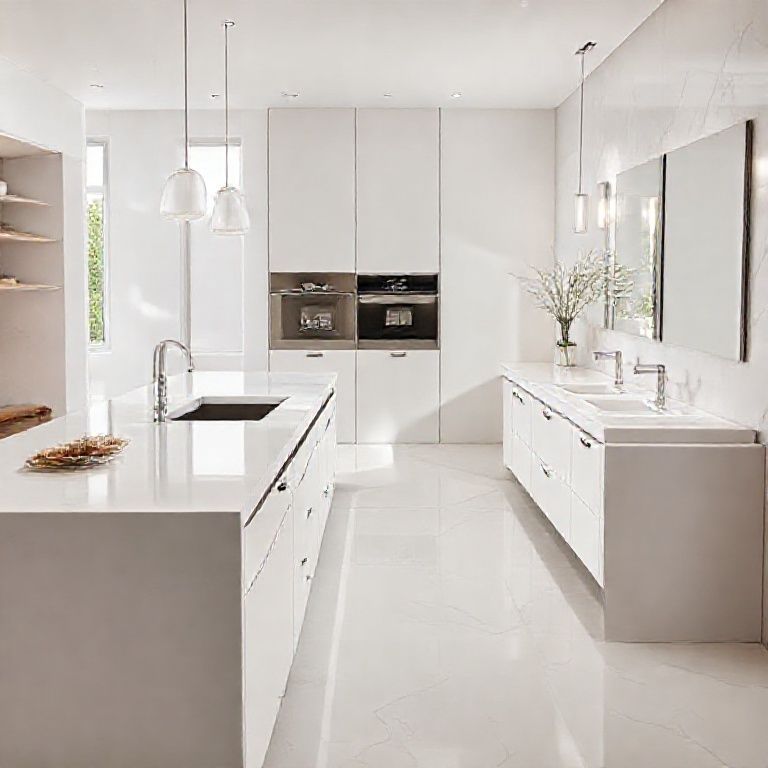
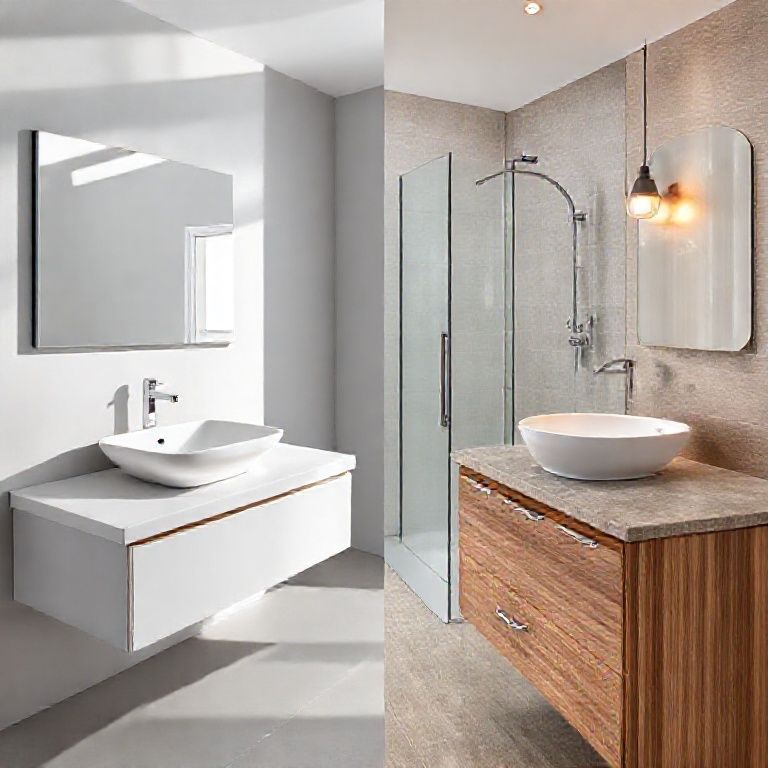
When it comes to selecting a durable and stylish countertop material for your home, granite stands out as one of the most popular choices. Renowned for its natural beauty and strength, granite has been a staple in kitchen and bathroom design for decades. This first part will delve into the unique features of granite, its design versatility, and the maintenance requirements to help you make an informed decision.
1. The Nature of Granite:
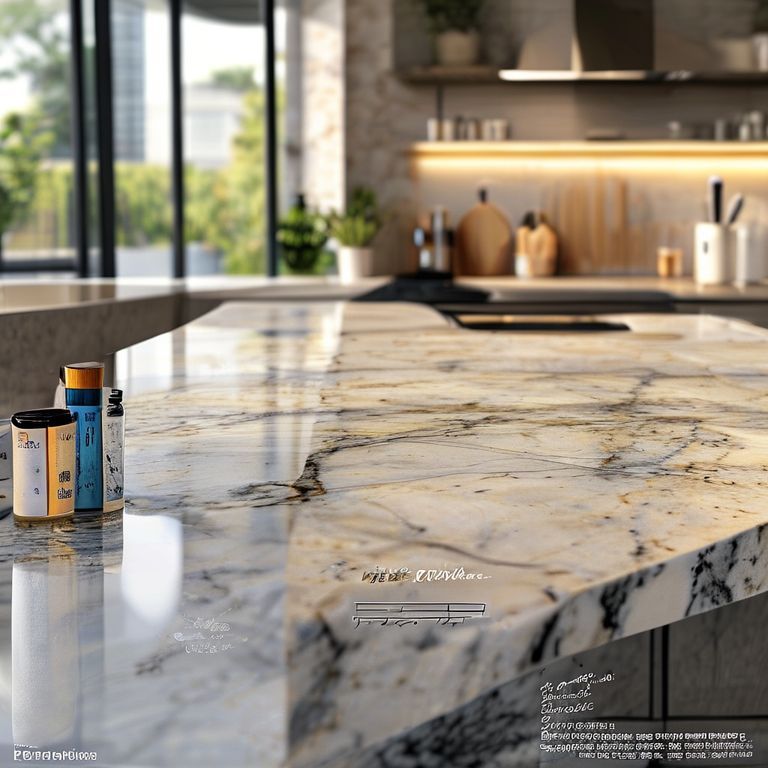
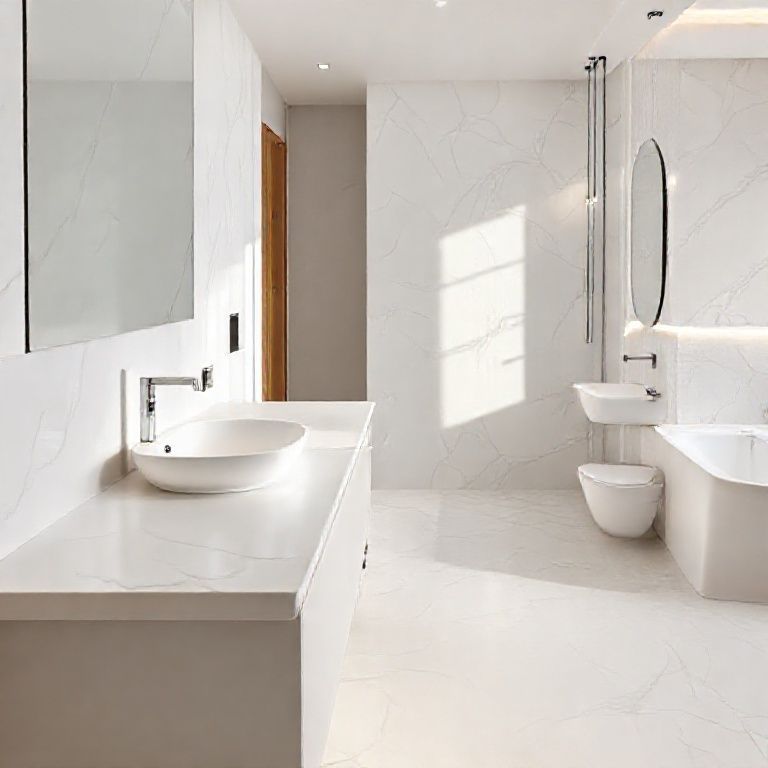
Granite is a natural stone that is formed through the slow cooling of magma beneath the Earth’s surface. This process creates a rock with a rich, intricate pattern that is unique to each piece. The color and veining of granite vary widely, offering an array of choices to suit any aesthetic preference. Granite’s composition includes minerals such as quartz, feldspar, and mica, which give it remarkable strength and durability.
2. Durability and Strength:
One of the primary reasons granite is favored in countertops is its superior durability. Granite is one of the hardest natural stones available, ranking an impressive 6 to 7 on the Mohs scale of hardness. This high level of hardness makes granite highly resistant to scratches, making it an excellent choice for kitchens and bathrooms where it will be subject to daily use and potential spills.
3. Design Versatility:
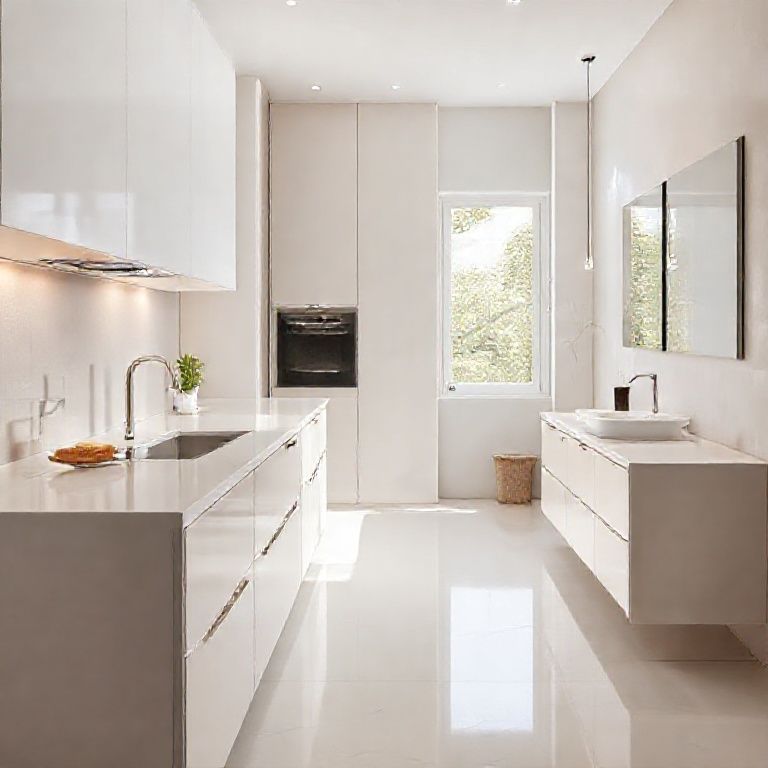
Granite’s natural beauty and versatility make it a preferred choice for modern and traditional designs alike. The unique veining and color patterns of each slab offer endless design possibilities. Whether you’re looking for a bold and striking statement piece or a subtle and elegant accent, granite can be tailored to fit your vision. Additionally, granite’s natural look can be enhanced with various polishing techniques, giving it a sleek, modern finish.
4. Installation and Design Options:
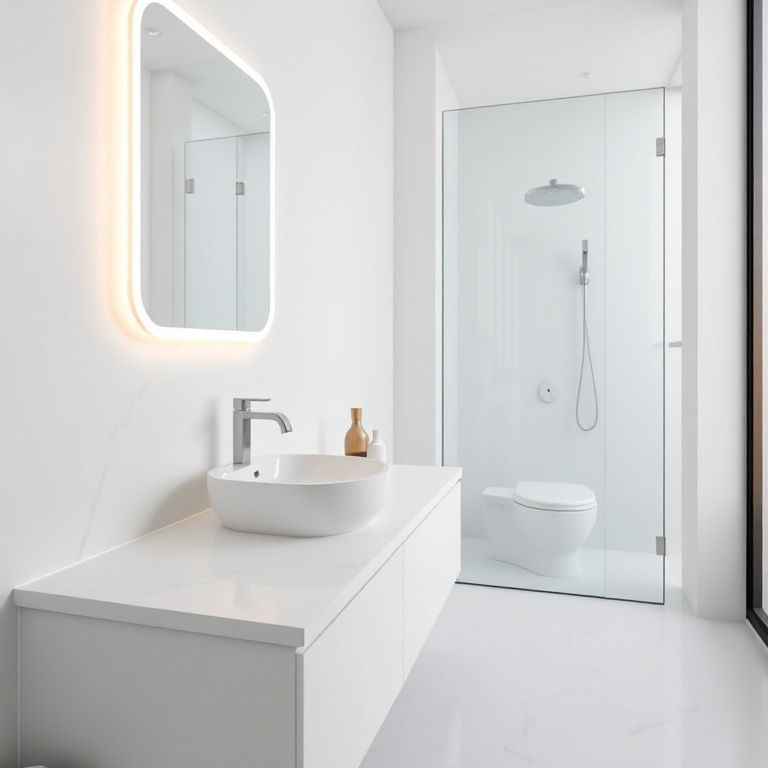
Granite countertops are easy to install, making them a practical choice for most renovation projects. Whether you are working with a professional installer or opting to do it yourself, the process is straightforward. Granite slabs can be cut to any shape or size to fit your space perfectly, and they can be combined with other materials to create custom designs.
5. Maintenance Requirements:
While granite is highly durable, it does require some maintenance to keep its natural beauty intact. Regular cleaning with a mild soap and water solution is recommended to prevent staining and to maintain its polished finish. It’s important to use a granite-specific sealant to protect against stains and spills. Regular sealing ensures that the granite stays vibrant and protected for years to come.
Conclusion:
Granite offers a combination of durability, aesthetic appeal, and versatility that makes it a top choice for countertops. Its unique natural patterns and hardness make it an ideal material for kitchens and bathrooms that demand both style and strength. Understanding the maintenance requirements ensures that your granite countertop will remain a beautiful and functional centerpiece in your home for years to come.
Stay tuned for Part 2, where we will explore the advantages and considerations of quartzite, another popular natural stone for countertops, and help you decide which material best suits your needs.
Quartzite: A Durable, Stylish, and Low-Maintenance Countertop Option
Introduction to Quartzite:
In the ongoing quest to find the perfect countertop material for your home, quartzite emerges as another excellent natural stone option, known for its unmatched durability and stunning appearance. This second part will explore the unique characteristics of quartzite, its benefits, and maintenance requirements, offering a comprehensive comparison to help you make an informed decision.
1. The Nature of Quartzite:
Quartzite is a metamorphosed form of quartz, primarily composed of silica. This transformation occurs under high pressure and temperature, which results in a dense, crystalline structure that is incredibly hard and durable. Quartzite’s unique formation process gives it a uniform appearance with vibrant colors and patterns that are consistent across the entire slab.
2. Durability and Strength:
One of the standout features of quartzite is its exceptional durability. Quartzite ranks an impressive 7 on the Mohs scale of hardness, making it even harder than granite. This level of hardness translates to unparalleled resistance against scratches, cuts, and stains, making quartzite a superior choice for high-traffic areas like kitchens and bathrooms.
3. Design Versatility:
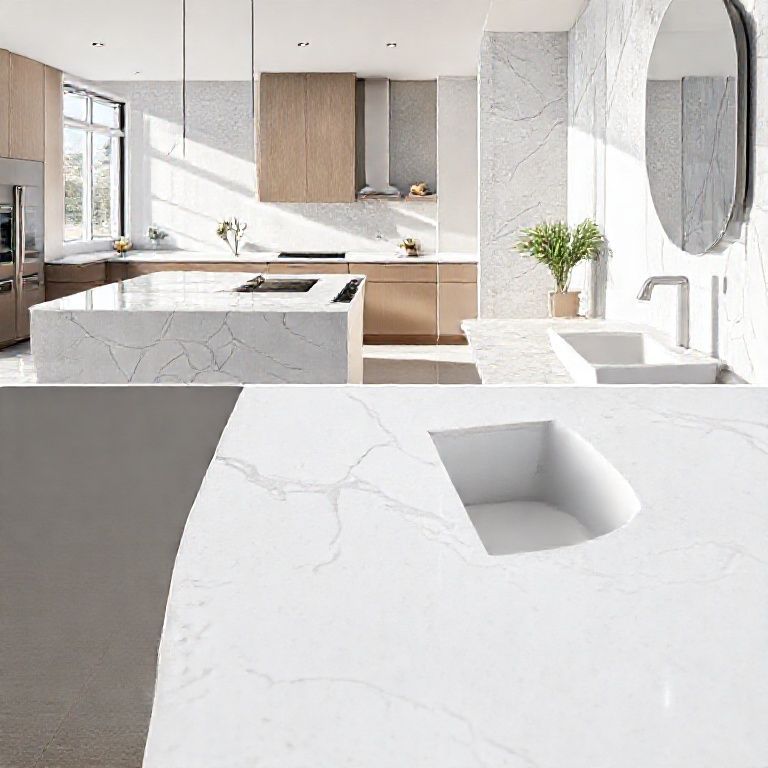
Quartzite offers a range of colors and patterns that can complement a wide variety of design styles. Its consistent and uniform appearance makes it an excellent choice for those who prefer a cohesive look. Quartzite’s natural beauty can be highlighted through polishing and sealing, giving it a modern and elegant finish. The stone’s versatility allows it to blend seamlessly with various design elements and materials.
4. Installation and Design Options:
Quartzite countertops are straightforward to install, much like granite. The stone can be cut to any size or shape to fit your space perfectly. Its uniform nature means that large slabs can be used without concern for matching pieces, making it an excellent choice for minimalist and modern designs. Quartzite can also be combined with other materials to create unique and custom designs.
5. Maintenance Requirements:
While quartzite’s durability is one of its main selling points, it does require some maintenance to maintain its appearance and longevity. Regular cleaning with a mild soap and water solution is recommended to prevent staining. Quartzite does not need to be sealed as frequently as granite because its crystalline structure provides a natural barrier against stains. However, a periodic sealing can be done to maintain its shine and protect against potential damage.
Comparison with Granite:
When comparing granite and quartzite, it’s important to consider their specific strengths and weaknesses. Granite’s unique veining and color patterns offer a natural and varied aesthetic that can be a striking feature in your home. However, it requires more frequent sealing to protect against stains. On the other hand, quartzite’s uniformity and hardness provide a sleek, modern look and require less maintenance due to its natural resistance to stains.
Conclusion:
Quartzite offers a combination of durability, aesthetic appeal, and low maintenance that makes it an excellent choice for countertops. Its hardness and resistance to stains make it an ideal material for areas that experience heavy use. Understanding its maintenance needs ensures that your quartzite countertop will remain a beautiful and functional centerpiece in your home for years to come.
Final Decision:
Choosing between granite and quartzite ultimately comes down to your personal preferences and needs. Granite offers a unique, natural beauty with a variety of colors and patterns, while quartzite provides a sleek, uniform, and highly durable option with minimal maintenance. By understanding the unique characteristics and maintenance requirements of each material, you can make an informed decision that enhances your living space.
Whichever option you choose, both granite and quartzite are exceptional choices for creating a stylish and durable countertop that will last for years to come.