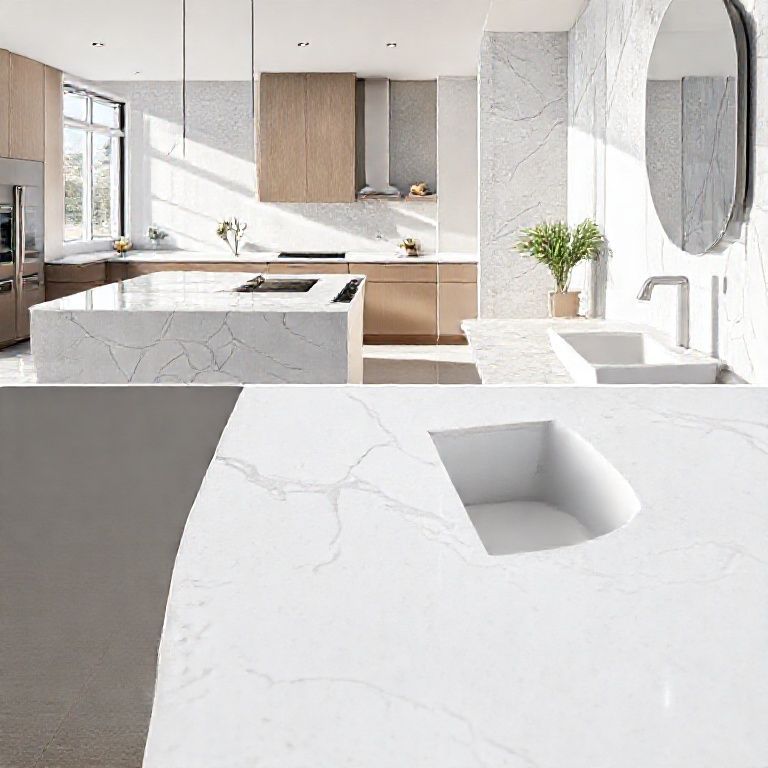
Natural Marble vs. Engineered Marble: An In-Depth Comparison
When it comes to selecting marble for your home decor, the choice between natural marble and engineered marble is significant. Each type has its own set of advantages and disadvantages, catering to different preferences and budgets. Here’s a comprehensive look at both:
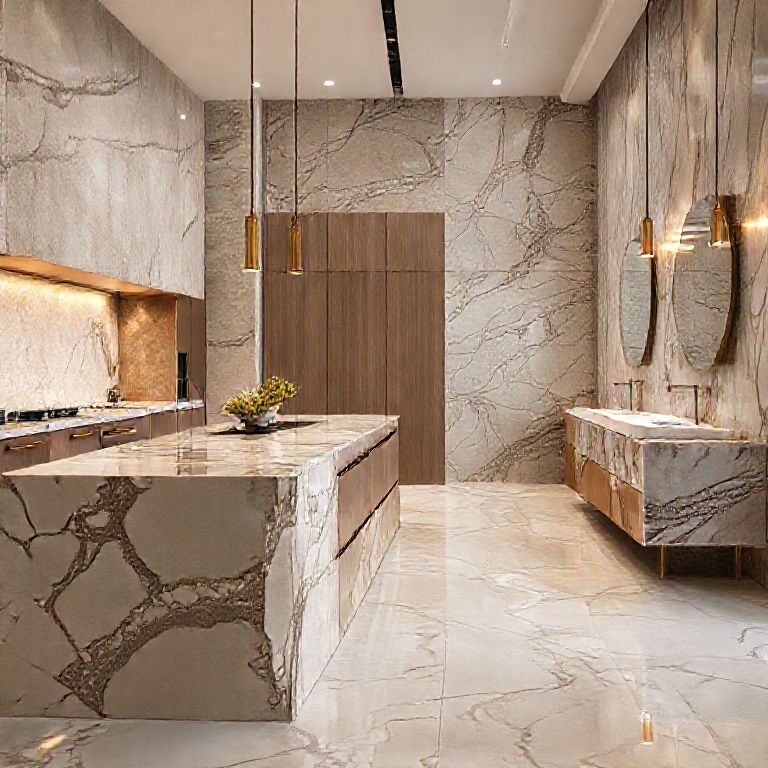
Natural Marble
1. Unmatched Aesthetic Appeal: Natural marble is renowned for its breathtaking beauty and unique veining patterns. Each piece of natural marble is one-of-a-kind, offering a sense of elegance and authenticity that engineered marble cannot replicate. The natural beauty of marble has been admired for centuries, and its timeless appeal continues to make it a preferred choice for high-end interiors.
2. Rich History and Tradition: Marble has been used in architecture and design for millennia. From the ancient Roman temples to the grand palaces of Europe, natural marble has been a symbol of luxury and sophistication. Its historical significance adds a layer of cultural heritage to any space where it is installed.
3. High Quality and Natural Strength: Natural marble is a natural stone, offering superior strength and durability when properly maintained. It is less prone to scratching and staining compared to some synthetic materials. However, it requires regular care and sealing to maintain its beauty and longevity.
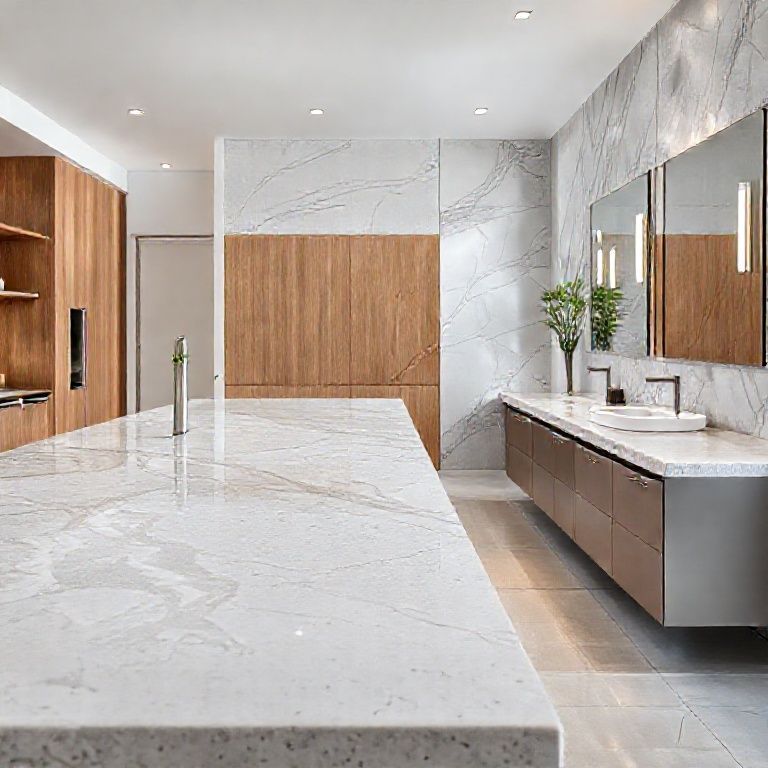
4. Versatility: Natural marble can be used in various applications, from countertops and backsplashes to flooring and decorative elements. Its versatility makes it suitable for a wide range of design styles, from modern to traditional.
Engineered Marble
1. Consistent Quality: Engineered marble is created by bonding a layer of natural marble to a core of resin or another material. This process ensures a consistent quality and appearance across different pieces. The surface layer of natural marble provides the aesthetic appeal, while the core material offers stability and durability.
2. Customization: One of the significant advantages of engineered marble is the ability to customize colors, patterns, and sizes. Manufacturers can produce pieces that match specific design requirements, making it easier to achieve a uniform look throughout a space.
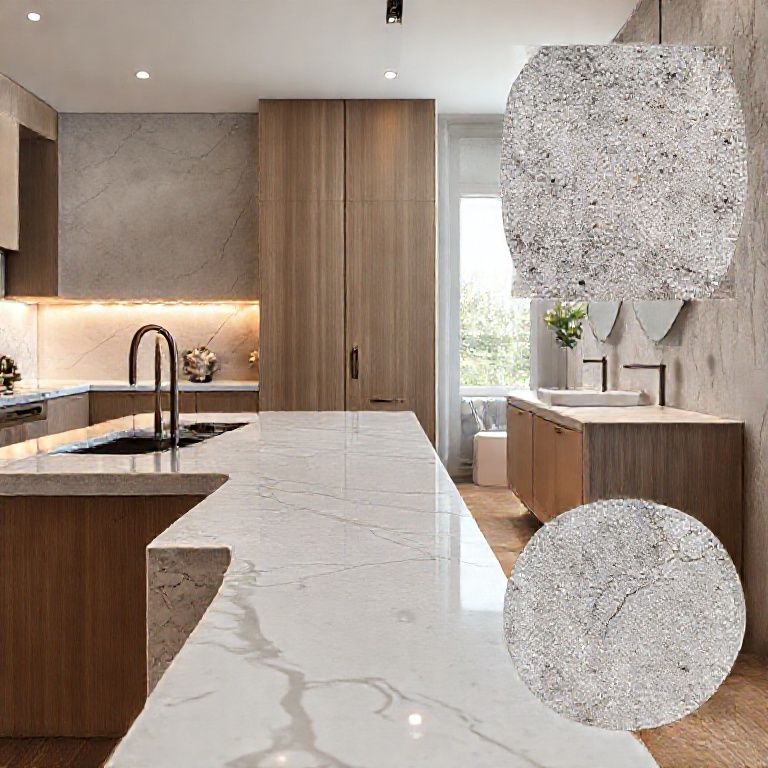
3. Cost-Effectiveness: Generally, engineered marble is more affordable than natural marble. The cost-effectiveness is due to the manufacturing process, which eliminates the need for extensive quarrying and transportation of natural marble. This makes it an attractive option for budget-conscious homeowners.
4. Low Maintenance: Engineered marble is typically less demanding in terms of maintenance compared to natural marble. The resin core provides greater resistance to scratches and stains, reducing the need for frequent sealing and upkeep. This low maintenance feature is particularly appealing for busy households.
5. Durability and Safety: Engineered marble is designed to be durable and resistant to damage. The core material enhances its stability, making it a reliable choice for high-traffic areas. It is also more resistant to chipping and cracking, offering a longer-lasting solution.
Pros and Cons: A Quick Recap
Natural Marble:
Pros: Unmatched aesthetic appeal, rich history, natural strength, versatility. Cons: Higher cost, requires regular maintenance, can be prone to scratching and staining if not properly cared for.
Engineered Marble:
Pros: Consistent quality, customizable, cost-effective, low maintenance, durable. Cons: Cannot fully replicate the unique veining of natural marble, less historically significant.
Understanding these distinctions will help you make an informed decision based on your aesthetic preferences, budget, and maintenance capabilities.
Making the Final Decision: Natural Marble vs. Engineered Marble
Having explored the key characteristics of natural marble and engineered marble, it’s time to delve deeper into factors that will influence your final choice. Here are some critical considerations to help you decide which marble is best for your project.
1. Budget Considerations
Natural Marble: The cost of natural marble can vary significantly depending on the type and quality. High-end marble varieties like Carrara or Italian marble can be quite expensive. However, there are also more affordable options available. Natural marble’s value often reflects its rarity and the labor-intensive process required to extract and cut it.
Engineered Marble: Engineered marble tends to be more affordable than natural marble due to the manufacturing process. The cost-effectiveness is a major draw for many homeowners, especially for large-scale projects where the budget can be a significant constraint. Additionally, the ability to customize colors and patterns can help you stay within budget while achieving your desired aesthetic.
2. Maintenance Requirements
Natural Marble: Natural marble requires regular maintenance to preserve its beauty and longevity. It needs to be sealed periodically to prevent stains and scratches. Proper cleaning and care are essential to maintain its natural look and prevent damage. Failure to maintain natural marble can result in discoloration and reduced aesthetic appeal.
Engineered Marble: Engineered marble is designed to be more low-maintenance compared to natural marble. The resin core provides greater resistance to scratches and stains, reducing the need for frequent sealing and upkeep. This low-maintenance feature is particularly appealing for busy households or those who prefer a hassle-free cleaning routine.
3. Durability and Longevity
Natural Marble: Natural marble is a strong and durable material, but it requires proper care to maintain its durability. With regular maintenance, natural marble can last for many years, but it is more susceptible to scratching and staining compared to engineered marble. High-quality natural marble can offer a long-lasting solution, but it needs diligent upkeep to ensure its longevity.
Engineered Marble: Engineered marble is designed to be more durable and resistant to damage. The resin core provides greater stability and resistance to scratches, chips, and stains. This makes engineered marble a reliable choice for high-traffic areas where durability is paramount. Its longevity is enhanced by the manufacturing process, offering a longer-lasting solution compared to some natural marble options.
4. Aesthetic Preferences
Natural Marble: Natural marble’s unique veining patterns and textures offer a sense of authenticity and elegance that is hard to replicate. Its natural beauty can add a touch of luxury and sophistication to any space. For those who value the historical significance and natural allure of marble, natural marble is often the preferred choice.
Engineered Marble: Engineered marble allows for greater customization, enabling you to achieve a uniform look across different areas of your home. The ability to match specific design requirements makes it an attractive option for modern, cohesive designs. While it cannot fully replicate the unique veining of natural marble, it offers a close approximation that can be visually stunning.
5. Installation and Versatility
Natural Marble: Installing natural marble can be more complex due to its natural irregularities and the need for precise cutting and fitting. It requires skilled labor to ensure a perfect fit and seamless installation. Natural marble’s versatility makes it suitable for various applications, from countertops to flooring and decorative elements.
Engineered Marble: Engineered marble is easier to install due to its uniform thickness and consistent quality. It can be cut and shaped more easily, making it a convenient option for DIY projects or professional installations. Its versatility allows it to be used in a wide range of applications, providing flexibility in design and installation.
Final Thoughts
Choosing between natural marble and engineered marble depends on your specific needs, preferences, and budget. Natural marble offers unmatched aesthetic appeal and historical significance, but it comes with higher costs and maintenance requirements. Engineered marble provides a cost-effective, low-maintenance alternative with consistent quality and customization options.
Ultimately, the best choice depends on your individual priorities. If you value the unique beauty and heritage of natural marble, and are willing to invest in its care, it may be the right choice for you. On the other hand, if you prioritize cost, durability, and low maintenance, engineered marble offers a compelling alternative that can still deliver stunning results.
By understanding the distinctions between natural marble and engineered marble, you can make a well-informed decision that aligns with your vision and lifestyle. Whether you choose the timeless elegance of natural marble or the modern versatility of engineered marble, both options offer luxurious and enduring beauty for your home decor.