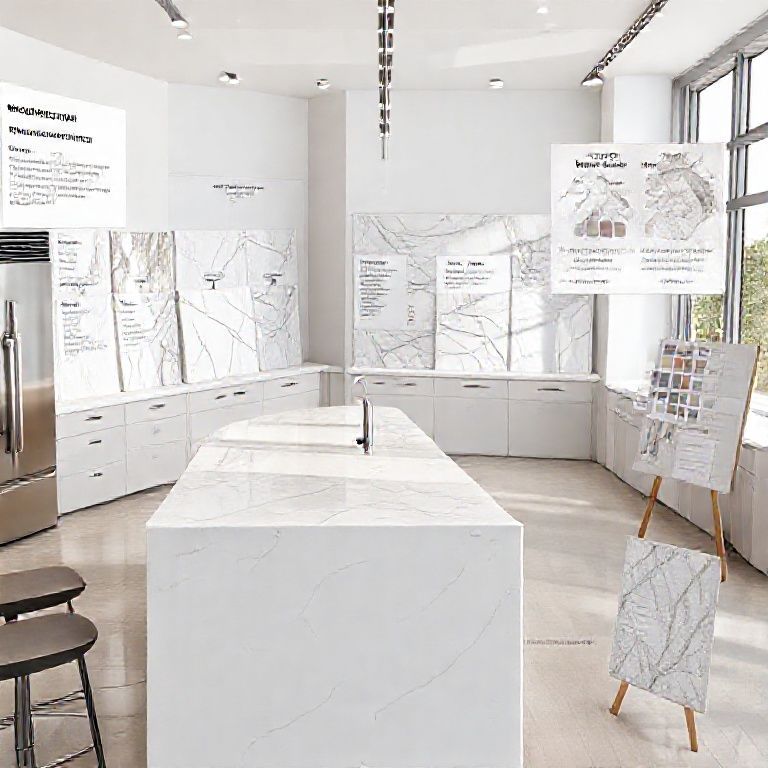
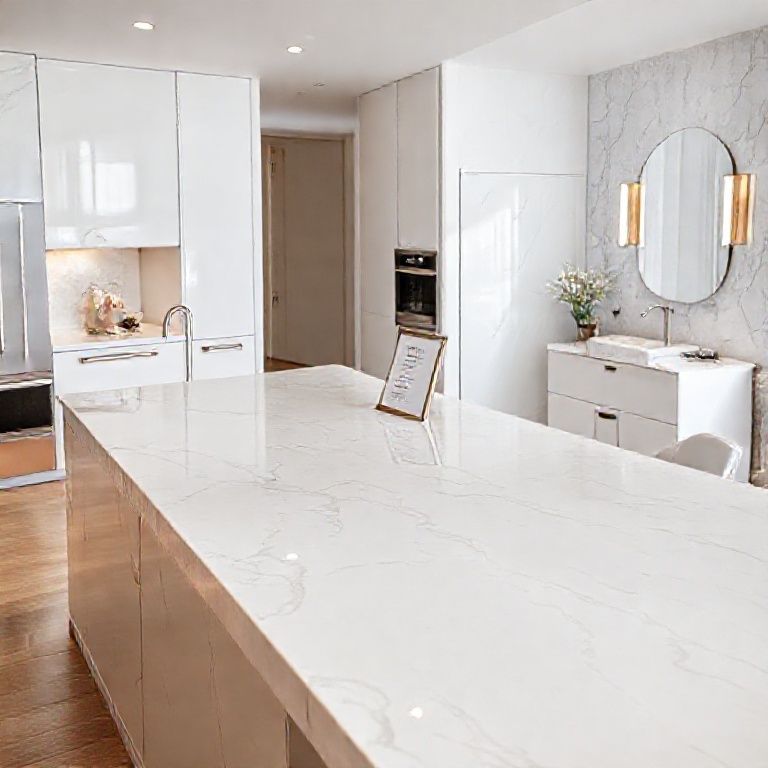
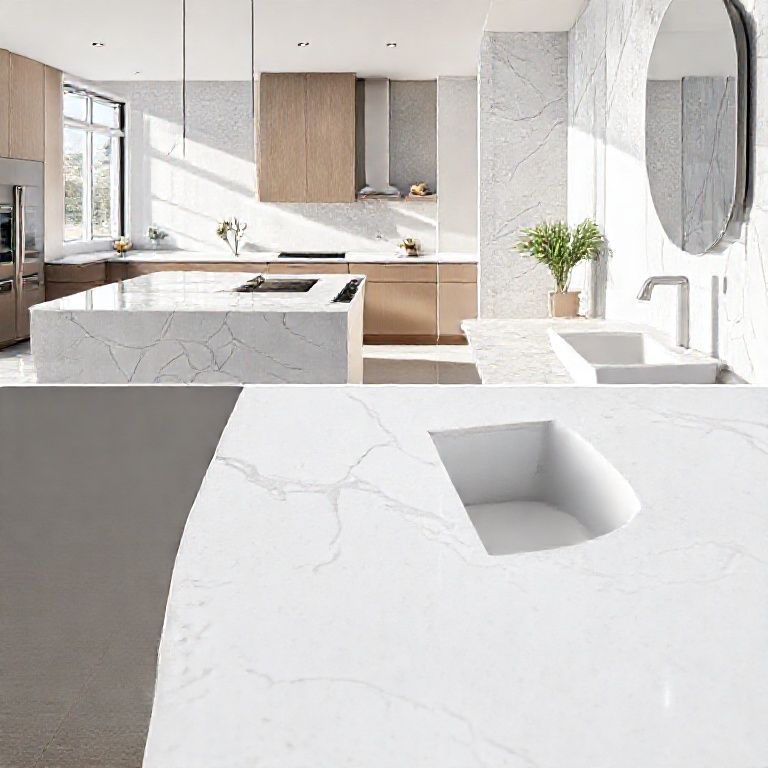
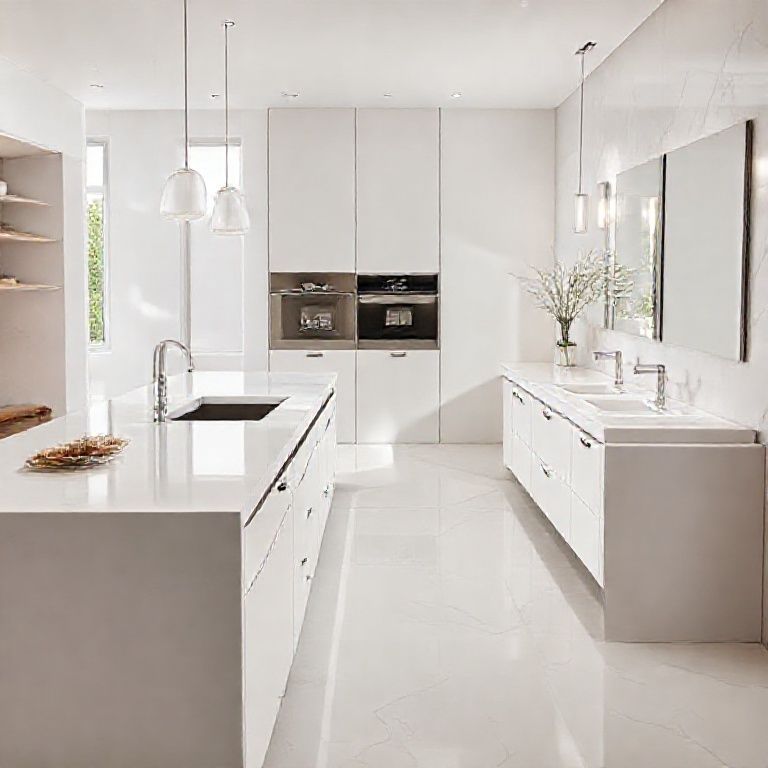
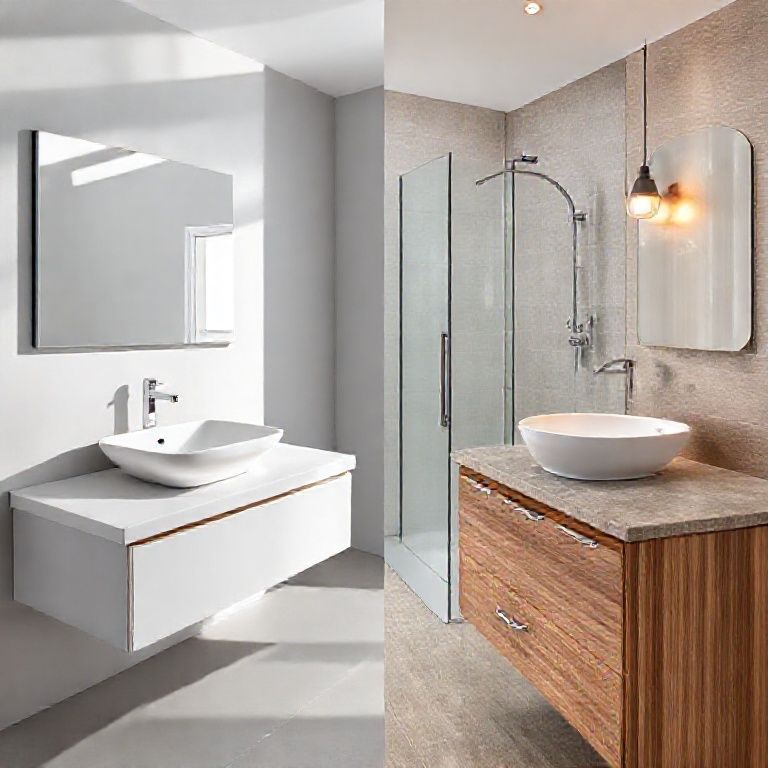
Corian Countertops vs Quartz: An In-Depth Exploration
Introduction to Corian and Quartz Countertops
When it comes to upgrading your kitchen or bathroom, selecting the perfect countertop material is paramount. Two of the most popular choices today are Corian and quartz. Both materials boast a sleek, modern look, but they offer different benefits that cater to various needs and preferences. This first part of our guide will explore the fundamental characteristics, benefits, and some drawbacks of both Corian and quartz countertops.
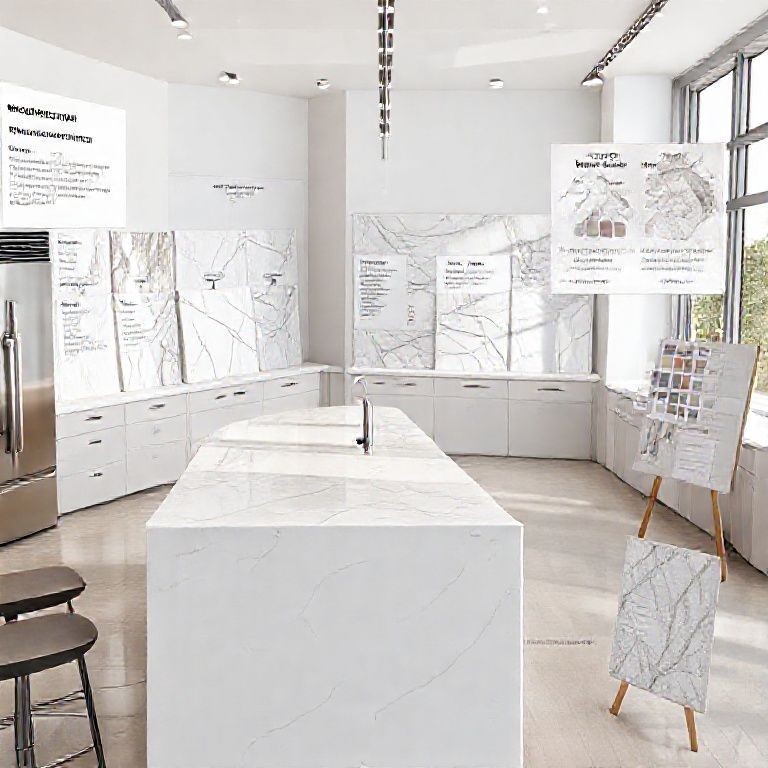
Corian Countertops: An Overview
Corian, a product of DuPont, is a solid surface material made from polyvinyl chloride (PVC) that has been revolutionized over the years to offer a safer and more sustainable option. Corian countertops are known for their versatility, durability, and aesthetic appeal.
Benefits of Corian Countertops
Versatility and Design Options: Corian is available in a wide range of colors and finishes, allowing for endless design possibilities. Whether you’re looking for a sleek, minimalist look or a more intricate, patterned design, Corian can be molded and colored to fit your vision perfectly.
Durability and Low Maintenance: Corian countertops are highly durable, resistant to scratches, dents, and impact. They are also resistant to bacteria, making them a great choice for kitchens where hygiene is a top priority. Cleaning Corian surfaces is straightforward; a simple wipe with a damp cloth and mild soap is usually sufficient to maintain their pristine appearance.
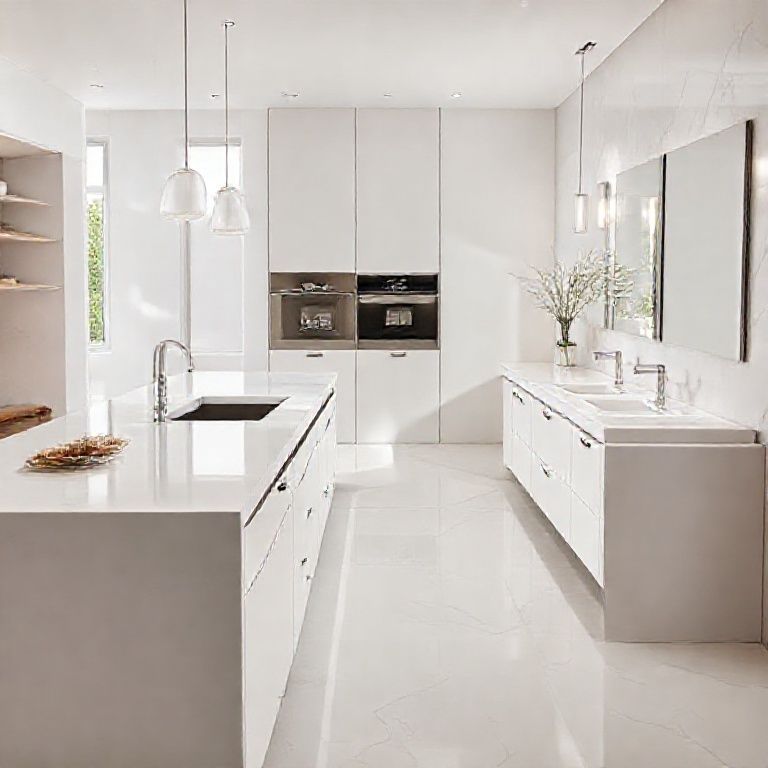
Sustainability: Corian is an environmentally friendly option as it is made from recycled PVC and contains no formaldehyde, phthalates, or other harmful chemicals. Additionally, it can be recycled at the end of its life cycle.
Affordability: Compared to some other high-end countertop materials, Corian is more affordable, making it an attractive option for homeowners looking for quality without a hefty price tag.
Drawbacks of Corian Countertops
Heat Resistance: While Corian is generally durable, it is not as heat-resistant as quartz. It can be damaged by prolonged exposure to high heat, so it might not be the best choice for areas where pots and pans are frequently placed directly on the surface.
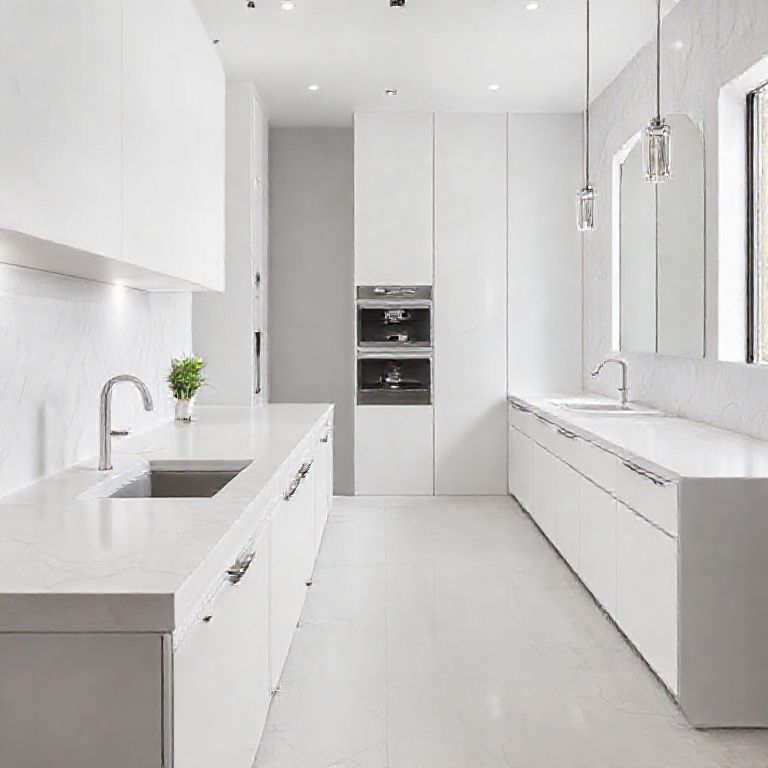
Weight: Corian is heavier than some other countertop materials, which can be a consideration during installation.
Quartz Countertops: An Overview
Quartz, manufactured by Stonewash, is a composite material made from 93% natural quartz aggregates and 7% resin. It has gained popularity due to its combination of strength, durability, and aesthetic appeal.
Benefits of Quartz Countertops
Superior Durability and Strength: Quartz countertops are incredibly durable and scratch-resistant. They are also resistant to stains, bacteria, and most household cleaning agents, making them low-maintenance and highly hygienic.
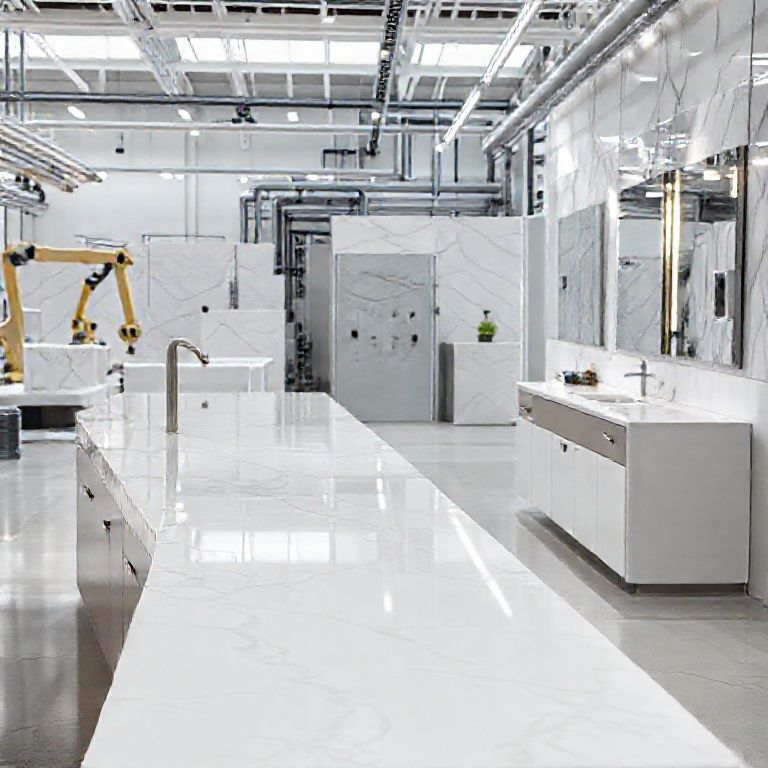
Heat Resistance: Quartz offers excellent heat resistance, making it suitable for areas where hot pots, pans, and appliances are frequently placed. It won’t discolor or warp under high heat, ensuring your countertop maintains its appearance and functionality.
Aesthetic Versatility: Quartz comes in thousands of colors and patterns, allowing for endless design possibilities. It can mimic the look of natural stone, wood, or metal, providing a luxurious and customizable look.
Affordability: Depending on the design and color, quartz can be a cost-effective option, especially when compared to natural stone countertops like granite or marble.
Drawbacks of Quartz Countertops
Installation: Quartz countertops require a more complex installation process compared to Corian. They need to be glued to the cabinet and may require additional support in certain areas due to their lightweight nature.
Price: While quartz can be affordable, high-end custom designs can significantly increase the cost.
Conclusion
Both Corian and quartz countertops offer unique benefits and cater to different preferences and needs. Corian excels in versatility, sustainability, and ease of maintenance, making it an excellent choice for those looking for a durable, low-maintenance surface. On the other hand, quartz stands out with its superior durability, heat resistance, and aesthetic versatility, making it ideal for those who value strength and a luxurious appearance. The next part of this guide will delve deeper into the maintenance, installation, and long-term considerations for both materials to help you make a more informed decision.
Maintenance, Installation, and Long-Term Considerations
Maintenance: Corian vs Quartz
Proper maintenance of your countertop is crucial to ensure its longevity and maintain its appearance. Let’s explore how to care for both Corian and quartz countertops effectively.
Corian Countertops: Maintenance Tips
Daily Cleaning: To keep your Corian countertop looking its best, daily cleaning is key. Use a soft cloth and mild soap or a specialized cleaner designed for Corian to wipe down the surface. Avoid using abrasive cleaners or scouring pads that could scratch the surface.
Handling Spills: For spills, act quickly to prevent staining. Blot the spill with a dry cloth to absorb as much liquid as possible. Then, clean the area with a damp cloth and mild soap.
Deep Cleaning: Occasionally, a deeper clean might be necessary. Use a cleaner specifically designed for Corian and follow the manufacturer’s instructions. Avoid soaking the countertop or using harsh chemicals.
Avoiding Heat: To protect your Corian countertop from potential damage, use pot holders or trivets when placing hot items on the surface. Prolonged exposure to high heat can cause discoloration.
Quartz Countertops: Maintenance Tips
Daily Cleaning: For quartz countertops, daily cleaning is similar to that of Corian. Use a soft cloth and a mild soap or a specialized cleaner for quartz to wipe down the surface.
Handling Spills: For spills, act promptly to avoid staining. Blot the spill with a dry cloth and then clean the area with a damp cloth and mild soap. For tougher stains, a quartz-specific cleaner may be necessary.
Deep Cleaning: Occasionally, deep cleaning may be required. Use a cleaner designed specifically for quartz and follow the manufacturer’s instructions. Avoid soaking the countertop and refrain from using harsh chemicals.
Avoiding Heat: Quartz is highly heat-resistant, but using pot holders or trivets when placing hot items on the surface is still recommended to prevent any potential discoloration or damage from prolonged heat exposure.
Installation: Corian vs Quartz
The installation process for Corian and quartz countertops can differ significantly due to their material properties.
Corian Countertops: Installation Considerations
Surface Preparation: Proper surface preparation is essential for a successful Corian installation. The underlying surface must be clean, dry, and free of any imperfections. Use a level to ensure the cabinets are level before starting the installation.
Cutting: Corian can be cut with a wet saw, but it’s important to use a fine-tooth blade and wear protective eyewear to avoid splintering. Measure carefully and mark the cutting line before cutting.
Installation: Corian is typically installed by gluing it to the cabinet using a specialized adhesive. It’s important to follow the manufacturer’s instructions for adhesive and installation techniques. Corian’s weight can make it easier to install, but care should still be taken to avoid damaging the surface during the process.
Quartz Countertops: Installation Considerations
Surface Preparation: Like Corian, the underlying surface for quartz countertops must be clean, dry, and level. Any imperfections should be addressed before starting the installation.
Cutting: Quartz can be cut with a tile saw or a specialized diamond blade saw. Wear protective eyewear and follow safety guidelines when cutting.
Installation: Quartz countertops are typically installed by gluing them to the cabinet. However, due to their lightweight nature, additional support may be required in certain areas to ensure stability. It’s crucial to follow the manufacturer’s instructions for adhesive and installation techniques. Professionals are often recommended for installing quartz to ensure a seamless and secure fit.
Long-Term Considerations: Corian vs Quartz
When considering long-term durability, cost, and maintenance, both Corian and quartz countertops have their own set of advantages and disadvantages.
Corian Long-Term Durability
Durability: While Corian is durable, it is not as scratch-resistant as quartz. Over time, minor scratches can accumulate, although they are usually not deeply etched. However, Corian’s resistance to bacteria and its easy maintenance make it a practical choice for many homeowners.
Cost: Corian is generally more affordable than quartz, making it a cost-effective choice for those looking to avoid higher upfront costs. However, repairs or replacements might be more frequent due to its slightly lower durability compared to quartz.
Quartz Long-Term Durability
长期耐用性和耐用性:Corian vs 石英石
耐刮擦性: Corian:Corian具有较高的耐刮擦性,但它不像石英石那样具有极高的耐刮擦等级。虽然Corian的表面可以恢复,但重复的刮擦可能会导致持续的磨损。 石英石:石英石拥有极高的耐刮擦性,这是由于其由90%以上的天然石英颗粒组成。
它的耐刮擦等级在实验室测试中通常达到了6a,这使它在实际使用中表现非常出色。 耐热性: Corian:Corian对于短时间内的高温有一定的耐受性,但长期或频繁的高温暴露可能会导致其颜色或材质受到影响。使用时应避免直接将热锅或热物体放在Corian表面。
石英石:石英石具有极高的耐热性,可以承受高温而不会变形或损坏。它的耐热性使其成为厨房台面的理想选择,特别是在需要经常处理热源的地方。 抗菌性和清洁性: Corian:Corian材质本身具有抗菌特性,不容易滋生细菌。其清洁性可能不如石英石。
由于其材质较为密实,某些污渍可能需要专门的清洁产品才能有效去除。 石英石:石英石的表面经过特殊处理,具有极高的抗菌性能。其表面光滑,易于清洁,几乎所有的污渍和油污都可以轻松去除。 维修和更换: Corian:Corian可以通过专门的修复方法进行局部修复,但由于其材质的特点,大面积的损坏可能需要更换整块台面。
石英石:石英石的更换和修复相对简单,可以通过更换损坏的小块来维修,而不需要更换整个台面。
设计和美观性:Corian vs 石英石
颜色和图案选择: Corian:Corian提供了广泛的颜色和图案选择,可以模仿各种天然石材、木材和金属的外观。它的设计灵活性使其适合各种风格的家居装饰。 石英石:石英石也提供了丰富的颜色和图案选择,但其天然石英颗粒的混合使其具有独特的、无法复制的自然美感。
石英石的图案和颜色通常更加独特和高档。 光泽和质感: Corian:Corian的光泽可以从半光泽到高光泽都有,其质感柔和,适合现代和简约设计风格。 石英石:石英石通常具有高光泽的表面,具有现代和高端的质感。其光滑的表面反射光线,使其看起来更加高档。
总结
选择Corian或石英石台面,主要取决于您的预算、美学偏好以及对耐用性和维护的要求。如果您重视耐用性和易于维护的特性,且希望在预算内获得高质量的台面,Corian是一个不错的选择。如果您寻求极高的耐用性、抗菌性和独特的美观效果,石英石可能是更好的选择。