Understanding Artificial Marble and Its Composition
Introduction to Artificial Marble
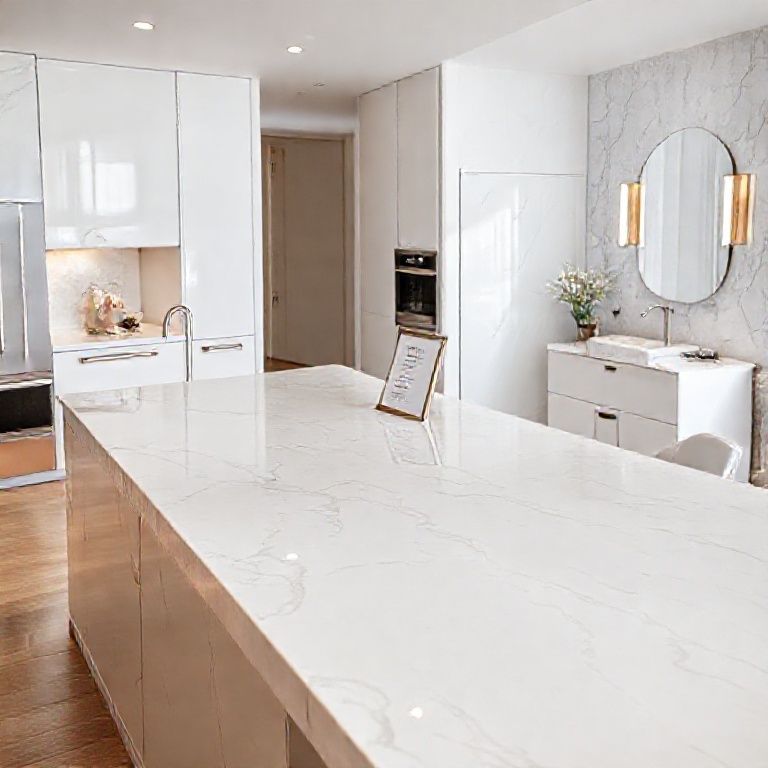
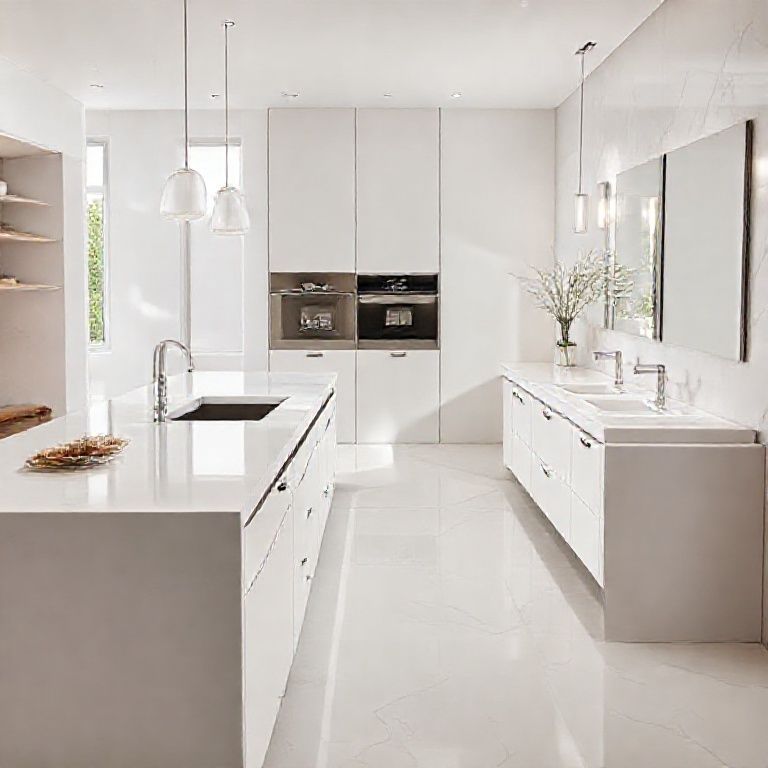
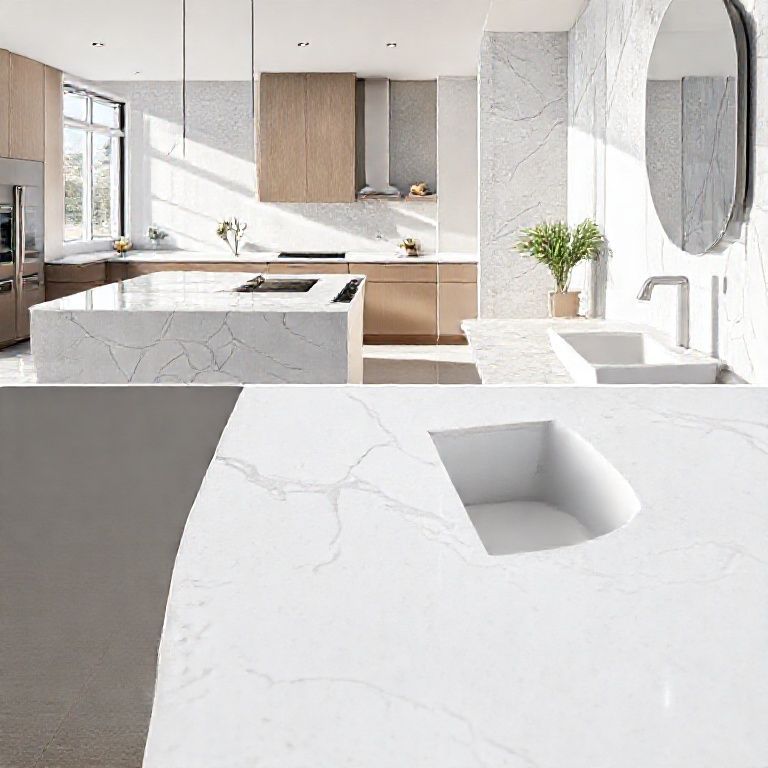
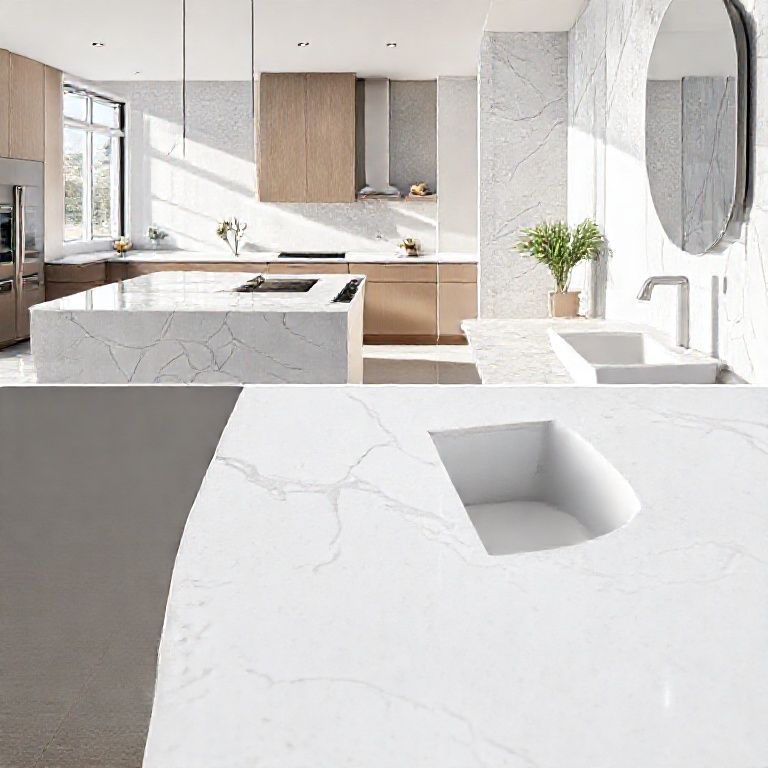
Artificial marble, often referred to as cultured stone, is a popular material used in modern construction and interior design. Known for its durability and aesthetic appeal, it has become a favored alternative to natural marble. This material is a composite product made from a mixture of minerals, resins, and pigments, which are combined and heated to create a solid, stone-like surface.
The Composition of Artificial Marble
At its core, artificial marble is composed of several key ingredients:
Quartz: This naturally occurring mineral is a primary component, providing the stone-like texture and durability. Resins: Used to bind the quartz particles together, resins ensure the material’s cohesion and resistance to wear and tear. Pigments: These are added to give artificial marble its wide range of colors and patterns, mimicking the look of natural stone.
The Manufacturing Process
The creation of artificial marble involves several steps:
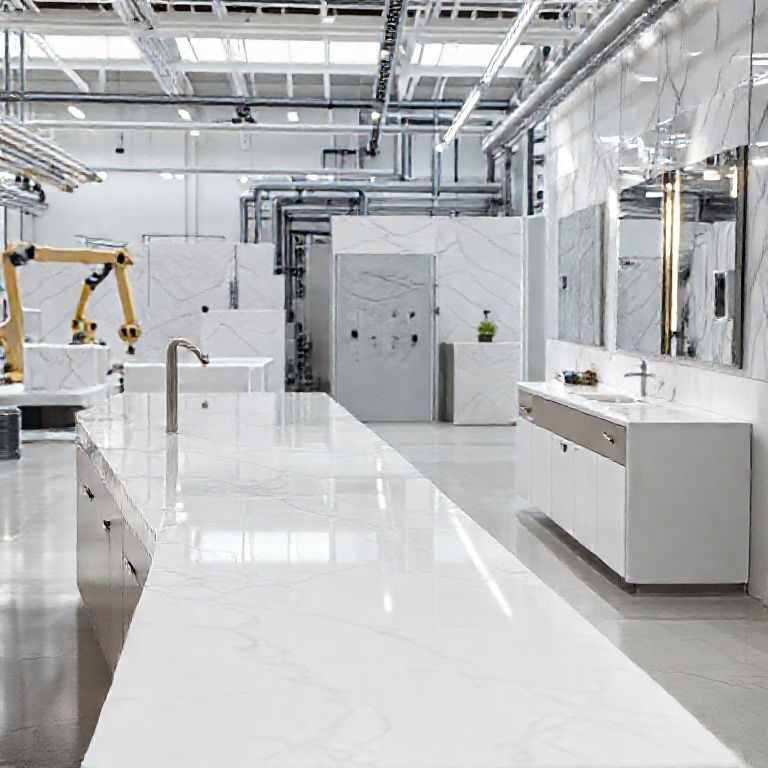
Mixing: The quartz, resins, and pigments are thoroughly mixed in a controlled environment. Heating: The mixture is then heated to high temperatures, allowing the resin to bind the quartz particles into a solid mass. Molding: The heated mixture is poured into molds to achieve the desired shape and size. Cooling and Finishing: After molding, the artificial marble is cooled and finished to produce a smooth, polished surface.
Common Misconceptions About Radioactivity
One of the most persistent myths surrounding artificial marble is that it is inherently radioactive due to its mineral content. This misconception likely stems from confusion with natural stone, which can occasionally contain trace amounts of radioactive elements.
Addressing the Radioactivity Myth
To understand whether artificial marble poses any radioactive hazards, it is crucial to differentiate between natural and artificial materials.
Natural Stone vs. Artificial Marble
Natural Stone: Some natural stones, like granite, can contain naturally occurring radioactive materials (NORM) such as uranium, thorium, and potassium-40. While these elements emit low levels of radiation, they are generally not harmful due to their low concentrations and the natural filtration provided by the stone’s structure.
Artificial Marble: In contrast, artificial marble is a manufactured product. During its creation, the materials are subjected to high heat and pressure, which does not introduce new radioactive elements. Instead, the process ensures that any existing trace elements are bound within the resin matrix, effectively isolating them from the surrounding environment.
Scientific Evidence on Radioactivity in Artificial Marble
Scientific studies have examined the radioactivity levels in artificial marble and found no evidence to suggest it emits harmful levels of radiation. Here are some key findings from these investigations:
Controlled Experiments: Researchers have conducted controlled experiments to measure the radioactivity of artificial marble samples. These experiments consistently show that artificial marble emits negligible amounts of radiation, well below any harmful thresholds.
Regulatory Standards: Building materials are subject to strict regulatory standards to ensure safety. Artificial marble has been tested and certified by various international safety bodies, confirming its compliance with radiation safety regulations.
Conclusion of Part 1
In conclusion, artificial marble is a meticulously crafted material that, contrary to popular belief, does not pose a radioactive hazard. Its composition and manufacturing process ensure that any trace elements present are safely encapsulated, negating any potential risk. Understanding these facts helps dispel myths and highlights the material’s safety for use in homes and commercial spaces.
Safety, Benefits, and Alternatives to Artificial Marble
Safety Considerations and Regulatory Compliance
Strict Safety Standards
The safety of artificial marble is not left to chance. It undergoes rigorous testing and complies with international safety standards:
ISO Certification: Many artificial marble products are ISO certified, indicating they meet global safety and quality standards. Environmental Protection Agency (EPA): The EPA evaluates building materials for potential hazards, and artificial marble consistently meets these assessments.
Benefits of Using Artificial Marble
Artificial marble offers numerous benefits that make it an attractive choice for many:
Durability: Artificial marble is highly durable and resistant to scratches, chips, and stains. This makes it ideal for high-traffic areas like kitchens and bathrooms. Customizability: The material can be engineered to mimic a wide range of natural stones, offering virtually limitless design possibilities. Cost-Effectiveness: Compared to natural stone, artificial marble is often more affordable, providing a cost-effective alternative without compromising on quality.
Addressing Potential Concerns
While the radioactivity concern is unfounded, other potential issues can arise with any material used in construction and design:
Chemical Exposure: Some resins used in artificial marble may release volatile organic compounds (VOCs) during manufacturing. To mitigate this, manufacturers often use low-VOC resins and ensure proper ventilation during installation. Allergies and Sensitivities: As with any material, some individuals may experience allergic reactions to certain components in artificial marble. Choosing high-quality products from reputable manufacturers can help minimize these risks.
Alternatives to Artificial Marble
While artificial marble is a popular choice, there are other alternatives available, each with its own set of benefits and drawbacks:
Natural Stone: Materials like granite, marble, and limestone offer timeless beauty and durability. However, they can be expensive and susceptible to stains and scratches. Ceramic Tiles: Ceramic tiles are highly durable and available in countless designs. They are water-resistant but may not offer the same aesthetic appeal as natural or artificial stone. Engineered Stone: Similar to artificial marble, engineered stone combines natural stone with resins to create a durable, customizable product. However, it often lacks the aesthetic versatility of artificial marble.
Environmental Impact
The production of building materials has environmental implications. Here’s how artificial marble compares:
Resource Efficiency: Artificial marble uses less natural quartz and other materials compared to natural stone, reducing the environmental impact of mining and quarrying. Carbon Footprint: The manufacturing process for artificial marble typically has a lower carbon footprint than that of natural stone, which involves extensive mining and transportation.
Conclusion of Part 2
In summary, artificial marble is a safe, durable, and versatile material that provides numerous benefits for modern construction and design. Despite unfounded myths about radioactivity, rigorous testing and regulatory compliance ensure that it poses no health risks. By understanding the science and benefits behind artificial marble, you can make informed decisions that prioritize both aesthetics and safety. Whether you are a homeowner or a professional in the construction industry, artificial marble stands out as a reliable and innovative choice.
Final Thoughts
In conclusion, the controversy surrounding the radioactivity of artificial marble is largely unfounded. Scientific evidence, regulatory compliance, and the material’s manufacturing process all support the safety of artificial marble. Its benefits, including durability, customizability, and cost-effectiveness, make it an excellent choice for a wide range of applications. As always, it’s important to choose high-quality products from reputable manufacturers to ensure the best outcomes. By separating fact from fiction, you can confidently incorporate artificial marble into your design and construction projects, knowing that it is a safe and sustainable option.