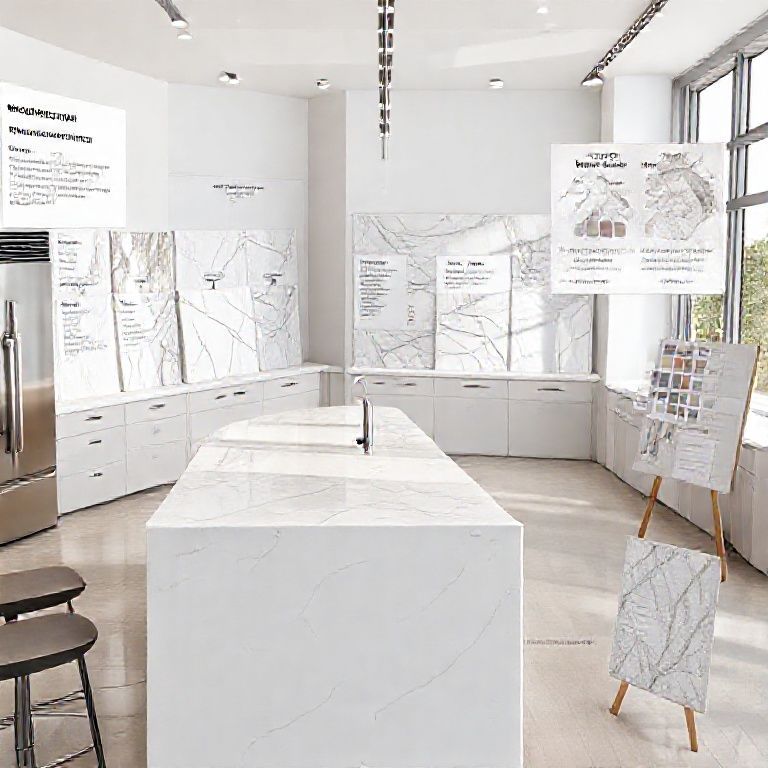
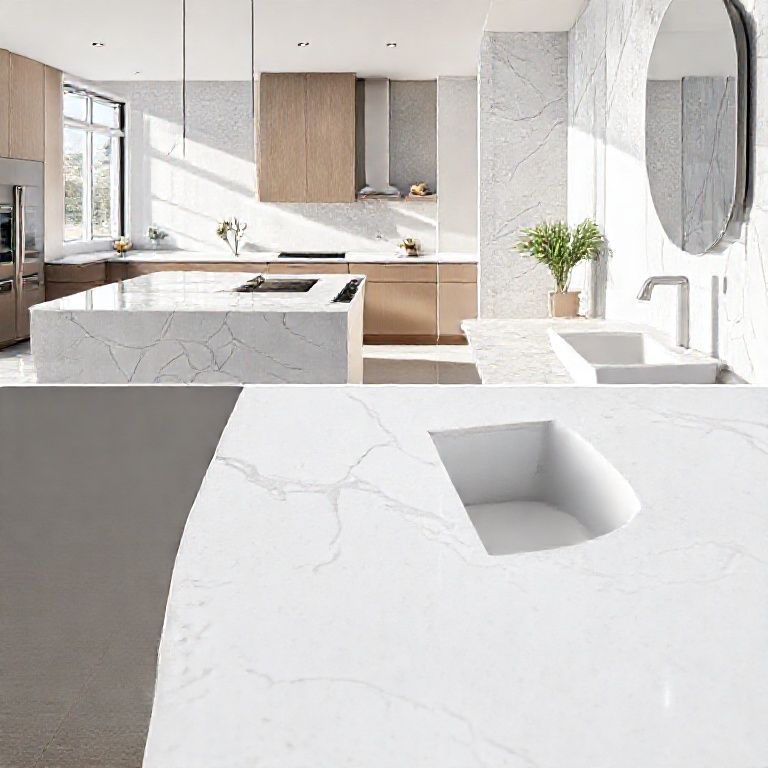
Discover the fascinating world of synthetic marble, from its intricate composition to the meticulous process involved in its creation. This comprehensive guide explores the art and science behind artificial marble, offering insights into its unique properties and the innovative techniques used in its production.
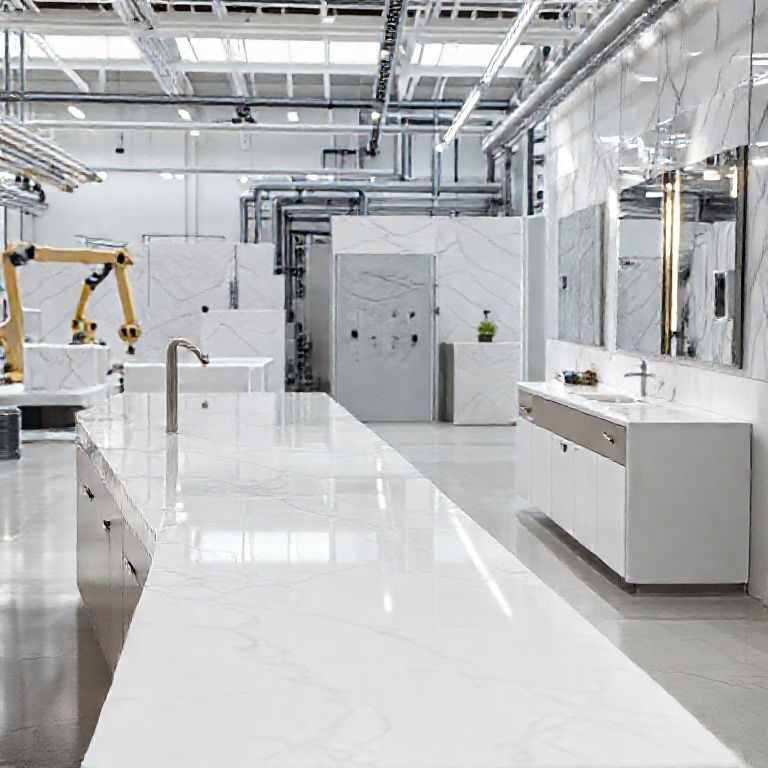
synthetic marble, artificial stone, marble composition, production process, marble manufacturing, stone fabrication, material science, quartz, resin, pigments, mineral aggregates
The Composition and Initial Stages of Synthetic Marble Production
The Craft and Chemistry of Synthetic Marble: A Deep Dive into Its Composition and Production
In the realm of modern material science, synthetic marble stands out as a marvel of industrial innovation. Its aesthetic appeal, durability, and versatility have made it a preferred choice for a variety of applications, from countertops to decorative elements in architecture and design. To understand the creation of synthetic marble, we must delve into its composition and the initial stages of its production.
Composition of Synthetic Marble
At its core, synthetic marble is a composite material designed to mimic the natural beauty and durability of traditional marble. The primary components of synthetic marble are quartz, resin, and pigments, each playing a critical role in achieving the desired texture, color, and strength.

Quartz: Quartz is the cornerstone of synthetic marble. Comprising primarily of silica (SiO2), quartz provides the material with its signature hardness and resistance to scratches and stains. In synthetic marble, quartz particles are finely ground and mixed with resin to form a cohesive and robust structure.
Resin: The resin acts as a binding agent that holds the quartz particles together. This component is typically made from polyester or acrylic resins, which offer excellent adhesion properties. The resin not only ensures structural integrity but also contributes to the material’s aesthetic qualities by allowing for a smooth, polished finish.
Pigments: To replicate the intricate patterns and colors found in natural marble, synthetic marble incorporates various pigments. These pigments are carefully selected and mixed to create a spectrum of hues that range from classic marble shades to more unconventional and vibrant colors. The pigments are finely dispersed within the resin to ensure a uniform and consistent color throughout the material.

Mineral Aggregates: In some formulations, additional mineral aggregates are included to enhance the texture and durability of the synthetic marble. These aggregates can include materials like calcite, dolomite, and talc, which contribute to the material’s overall hardness and resistance to wear.
Initial Stages of Production
The production of synthetic marble begins with the precise formulation of its constituent materials. Here’s a detailed look at the initial stages of the process:
Material Preparation: The first step involves the meticulous preparation of quartz, resin, and pigments. Quartz particles are ground to a fine consistency, ensuring uniformity in size and texture. Resin is mixed according to specific ratios to achieve the desired binding strength and flexibility. Pigments are thoroughly blended to create a stable colorant that can be uniformly distributed throughout the material.

Mixing: The prepared materials are combined in a controlled environment. This mixing process is crucial as it determines the homogeneity and quality of the final product. Advanced mixing equipment ensures that the quartz, resin, and pigments are thoroughly and uniformly integrated. The goal is to create a homogeneous mixture that will yield a consistent and high-quality synthetic marble product.
Curing: Once mixed, the composite material undergoes a curing process. Curing is essential for setting the resin and allowing the material to achieve its full strength. This process can vary depending on the specific formulation and desired properties of the synthetic marble. Typically, curing involves exposing the material to heat and pressure to facilitate the polymerization of the resin, which solidifies the structure and binds the quartz particles together.
Quality Control: Throughout the initial stages of production, stringent quality control measures are implemented. Samples are regularly tested to ensure that the material meets the required specifications for hardness, color consistency, and overall quality. Any deviations from the desired standards are promptly addressed to maintain the integrity of the final product.
Conclusion
The composition and initial stages of synthetic marble production are fundamental to understanding the remarkable qualities of this modern material. Through the careful selection and combination of quartz, resin, pigments, and mineral aggregates, synthetic marble achieves a level of durability, aesthetic appeal, and versatility that rivals and often surpasses natural marble. The meticulous process of mixing, curing, and quality control ensures that each piece of synthetic marble meets the highest standards of craftsmanship and innovation.
Advanced Techniques and Final Stages in Synthetic Marble Manufacturing
The Craft and Chemistry of Synthetic Marble: A Deep Dive into Its Composition and Production
Having explored the composition and initial stages of synthetic marble production, we now turn our attention to the advanced techniques and final stages that bring this remarkable material to life. These stages are crucial in refining the material and ensuring it meets the diverse needs of various applications.
Advanced Techniques in Synthetic Marble Production
The production of synthetic marble involves a series of advanced techniques that transform the initial composite material into a finished product with exceptional properties. These techniques include layering, polishing, and finishing, each playing a vital role in achieving the desired quality and appearance.
Layering: Layering is a critical process that involves the application of multiple layers of the synthetic marble composite onto a base material. This method allows for the creation of intricate designs and patterns that closely mimic the natural beauty of marble. Each layer is carefully applied and cured to ensure uniform thickness and adhesion to the base. The layering process may also include the use of specialized molds to achieve specific shapes and forms.
Polishing: Once the layering process is complete, the synthetic marble undergoes a rigorous polishing phase. Polishing is essential for achieving the smooth, glossy finish that is characteristic of high-quality synthetic marble. This process involves the use of abrasive tools and compounds to remove any imperfections and create a sleek surface. The polishing technique can vary depending on the desired finish, ranging from a high-gloss to a matte or satin finish.
Finishing: The finishing stage involves the application of protective coatings to the polished surface of the synthetic marble. These coatings serve to enhance the material’s durability and resistance to scratches, stains, and other forms of damage. Common finishing techniques include the application of sealants, waxes, and UV-resistant coatings. The finishing process ensures that the synthetic marble maintains its appearance and functionality over time.
Final Stages of Production
The final stages of synthetic marble production involve meticulous attention to detail and adherence to strict quality standards. Here’s a closer look at these critical stages:
Cutting and Shaping: After the synthetic marble has been layered, polished, and finished, it is cut and shaped to fit specific applications. Cutting involves the use of specialized tools such as water jets, diamond saws, and laser cutters to achieve precise dimensions and shapes. The cutting process must be performed with utmost precision to ensure that each piece of synthetic marble meets the exact requirements of the design.
Edge Finishing: The edges of the synthetic marble are carefully finished to prevent chipping and enhance the overall aesthetic. Edge finishing techniques may include chamfering, rounding, or beveling to create clean and professional-looking edges. This step is crucial for ensuring that the synthetic marble integrates seamlessly into its intended environment.
Inspection and Quality Control: The final product undergoes rigorous inspection and quality control to verify that it meets the highest standards of quality and performance. This process involves the use of advanced testing equipment to check for consistency in color, texture, and mechanical properties. Any deviations from the desired specifications are addressed through precise adjustments or, if necessary, by discarding and reprocessing the affected pieces.
Applications and Benefits
Synthetic marble’s advanced production techniques and final stages have opened up a wide range of applications across various industries. Here are some of the key areas where synthetic marble is making a significant impact:
Countertops: Synthetic marble is widely used in the production of high-quality countertops for kitchens, bathrooms, and commercial spaces. Its durability, resistance to stains and scratches, and customizable color options make it an excellent choice for creating elegant and functional surfaces.
Architectural Elements: In architecture and design, synthetic marble is used to create intricate decorative elements such as columns, wall panels, and architectural features. Its ability to replicate the natural beauty of marble without the associated costs and maintenance makes it an attractive option for architects and designers.
Furniture: Synthetic marble is also used in the production of furniture, including tabletops, bar tops, and cabinet surfaces. Its strength and aesthetic appeal provide a durable and stylish solution for a variety of furniture applications.
Art and Sculpture: Artists and sculptors utilize synthetic marble to create unique and innovative artworks. Its versatility and ability to be molded and shaped make it a popular medium for contemporary art and sculpture.
Conclusion
The advanced techniques and final stages of synthetic marble production are instrumental in transforming the initial composite material into a high-quality, versatile, and durable product. Through meticulous layering, polishing, and finishing processes, synthetic marble achieves the exceptional properties that make it a preferred choice in numerous applications. The precision and quality control inherent in the production process ensure that synthetic marble not only replicates the beauty of natural marble but also surpasses it in durability and functionality.
By understanding the sophisticated methods and rigorous standards involved in the production of synthetic marble, we gain a deeper appreciation for this remarkable material and its transformative impact on various industries. The blend of science and craftsmanship in synthetic marble production continues to push the boundaries of material innovation, offering endless possibilities for design and functionality.