Discover the intriguing world of marble, both artificial and natural, and delve into which option might be more cost-effective for your home. This article breaks down the intricacies of both types of marble, comparing their prices, durability, aesthetics, and maintenance. From budget considerations to long-term investment, we’ve got you covered in two insightful parts.
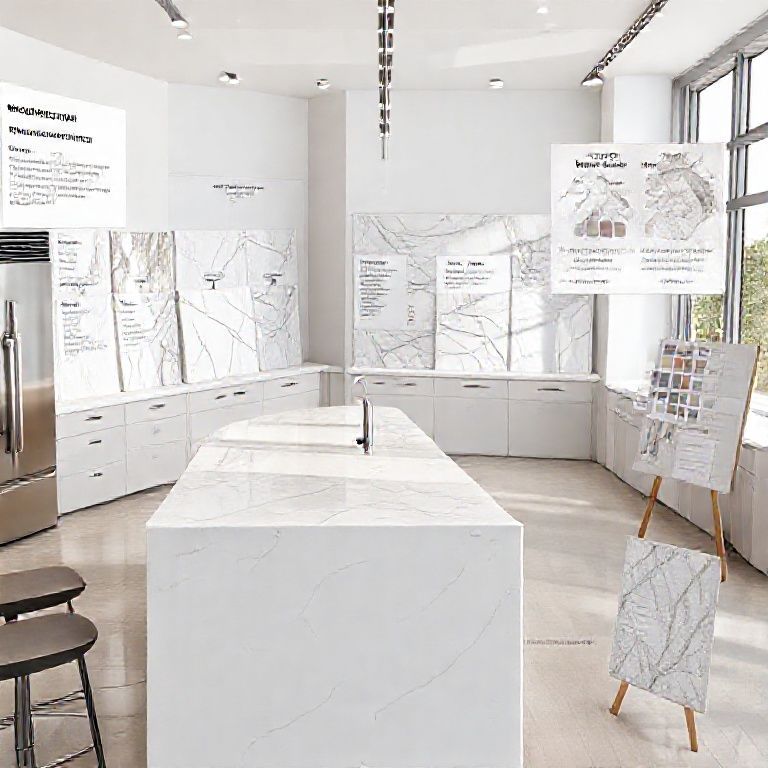
artificial marble, natural marble, cost-effective, home decor, durability, aesthetics, maintenance, budget, investment, countertop, flooring, countertops
The Cost-Effective Choice: Artificial vs. Natural Marble for Your Home
When it comes to choosing the perfect material for your home’s interior, marble often stands out for its elegance and timeless appeal. However, the decision between artificial and natural marble can be complex, particularly when considering cost-effectiveness. This first part will delve into the price differences, aesthetic appeal, and initial investment required for both types of marble.
Price Differences
Artificial marble, also known as engineered or synthetic marble, is generally more affordable than natural marble. The production process of artificial marble involves mixing various minerals and resins, allowing manufacturers to control costs effectively. This results in a product that is significantly cheaper than its natural counterpart.
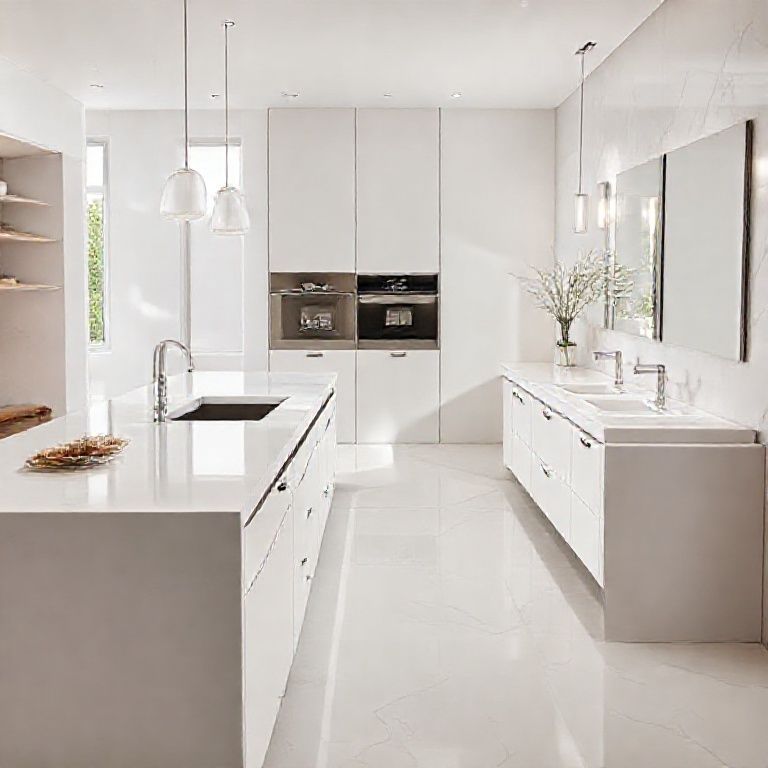
Natural marble, on the other hand, is prized for its unique veining and color patterns, which are the result of millions of years of geological processes. This uniqueness comes at a higher price point due to the natural variations and the labor-intensive process of quarrying and cutting.
Aesthetic Appeal
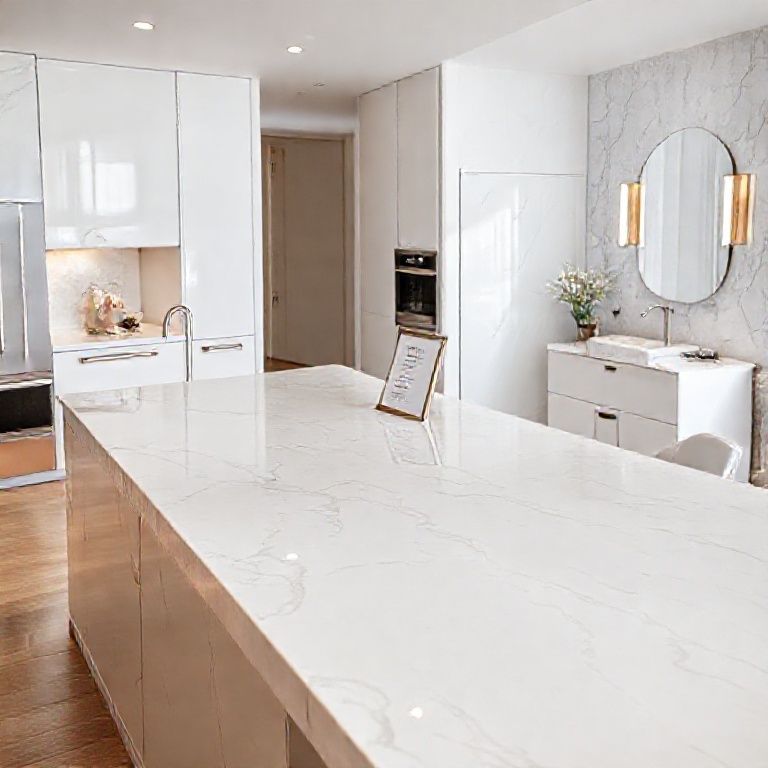
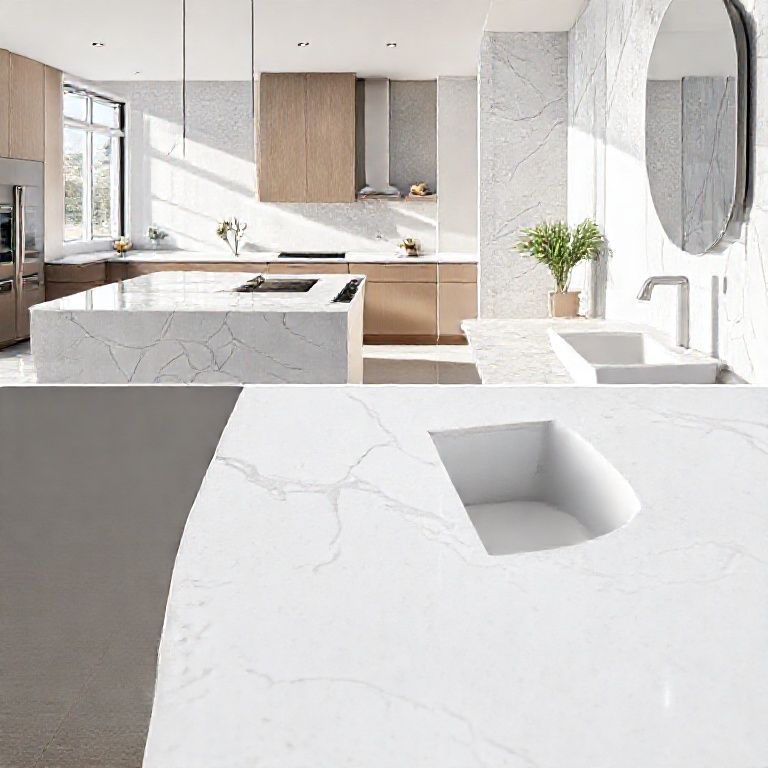
Both artificial and natural marble offer stunning aesthetics, but they cater to different tastes. Artificial marble can mimic the appearance of natural marble quite closely, often to the point where discerning observers might find it indistinguishable. However, it lacks the unique, organic beauty of natural marble, which is celebrated for its one-of-a-kind patterns and colors.
Natural marble is often favored for its unparalleled beauty and the sense of luxury it brings to any space. Whether it’s the refined elegance of Italian Carrara marble or the bold patterns of Brazilian black marble, natural marble can set a sophisticated tone in any room.
Initial Investment
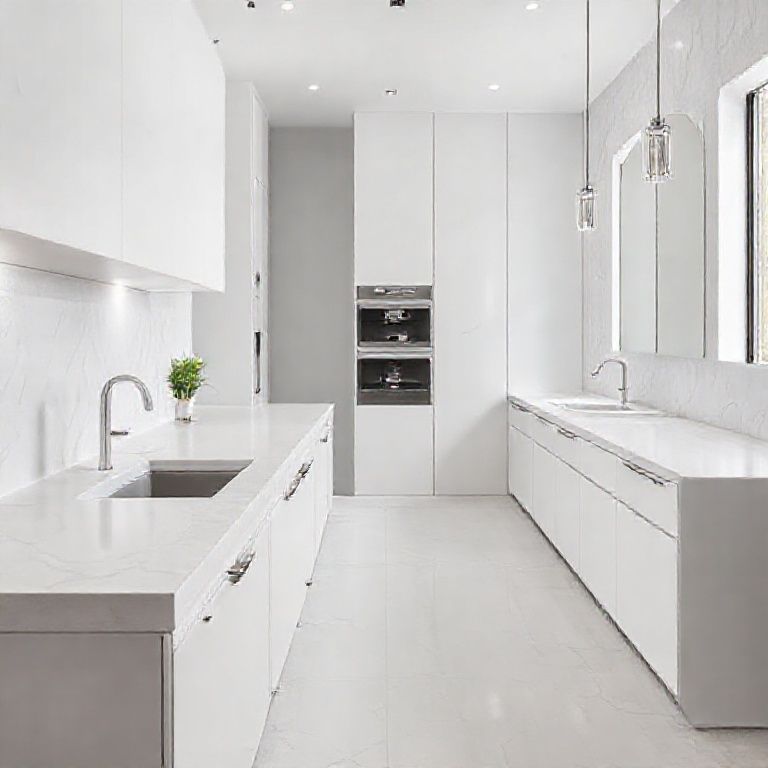
When considering the initial investment, artificial marble is undoubtedly the more economical option. This is primarily due to its lower production costs and the ability to offer a wide range of designs and colors at a fraction of the price of natural marble.
Natural marble, while more expensive, often offers a more premium feel. The cost difference can be substantial, especially for large-scale projects like countertops, flooring, and fountains. However, the initial investment in natural marble can be justified by its timeless appeal and the enduring value it adds to a property.
Durability and Lifespan
Durability is another crucial factor to consider when choosing between artificial and natural marble. Artificial marble is known for its durability and resistance to scratches, stains, and heat. This makes it an excellent choice for high-traffic areas where wear and tear are common.
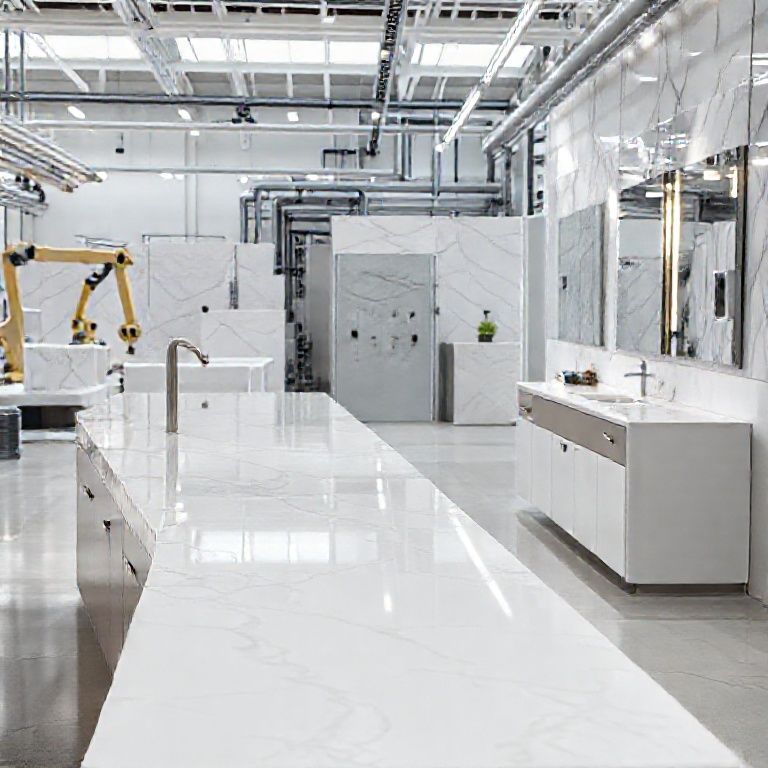
Natural marble, while beautiful, can be more susceptible to staining and scratching, which often requires professional maintenance and sealing to preserve its appearance. However, when properly cared for, natural marble can last for generations, offering a level of durability that is hard to replicate with artificial alternatives.
Maintenance
The maintenance requirements for artificial marble are relatively low. It can be easily cleaned with basic household cleaning products, and it does not require sealing like natural marble does. This makes artificial marble a low-maintenance option, ideal for busy households or those looking to minimize upkeep.
Natural marble, however, demands more rigorous maintenance. It requires regular sealing to protect its surface from stains and scratches, and improper cleaning can lead to damage. While this may seem daunting, the effort is often worthwhile for those who value the natural beauty and prestige that genuine marble offers.
Conclusion
In conclusion, both artificial and natural marble have their unique advantages and considerations. Artificial marble offers significant cost savings, durability, and low maintenance, making it an attractive option for budget-conscious homeowners. On the other hand, natural marble provides unparalleled beauty and a luxurious touch that can elevate any space, though it comes with a higher price tag and greater maintenance needs.
In the next part, we will further explore the long-term benefits, environmental impact, and specific applications of both types of marble to help you make an informed decision.
The Cost-Effective Choice: Artificial vs. Natural Marble for Your Home
In the previous part, we discussed the initial cost, aesthetic appeal, durability, and maintenance of artificial and natural marble. Now, we’ll delve deeper into the long-term benefits, environmental impact, and specific applications to help you make a well-rounded decision.
Long-Term Benefits
Artificial Marble: Artificial marble is designed to last, with many manufacturers offering warranties that cover scratches and stains for several years. Its durability means that it often requires less replacement over time, thus saving money in the long run. Moreover, since it is resistant to heat and chemical damage, it tends to maintain its appearance and integrity over many years, providing consistent value.
Natural Marble: Natural marble, despite its higher initial cost, offers long-term benefits that often justify the expense. Its natural beauty can increase the resale value of a property. Over time, natural marble can develop a patina that enhances its aesthetic appeal, often leading to a more cherished and valued surface. While it requires more upkeep, the investment in maintaining its pristine condition can be seen as an enhancement to the overall value of the home.
Environmental Impact
Artificial Marble: The production of artificial marble involves the use of synthetic materials, which can have environmental implications. The manufacturing process typically requires energy-intensive processes and the use of resins and other chemicals. While some manufacturers strive for sustainability by recycling materials and reducing waste, the overall environmental footprint can still be significant.
Natural Marble: The extraction and processing of natural marble also have environmental impacts. Quarrying can lead to habitat destruction and contribute to dust and noise pollution. However, natural marble is a finite resource, and its use can lead to over-exploitation if not managed sustainably. On the positive side, natural marble is a natural product, and its environmental impact, while considerable, is often viewed as more acceptable compared to synthetic alternatives.
Specific Applications
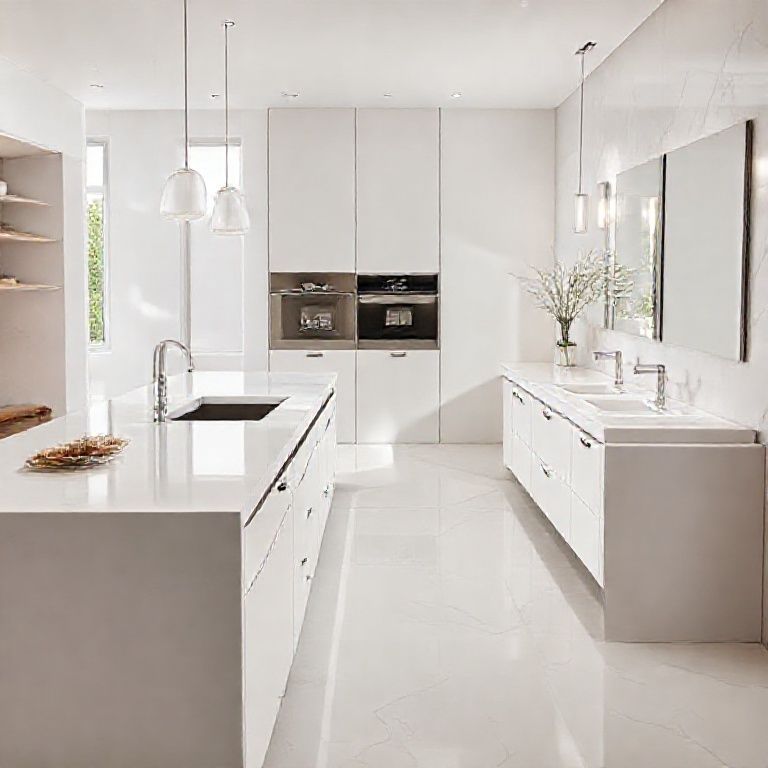
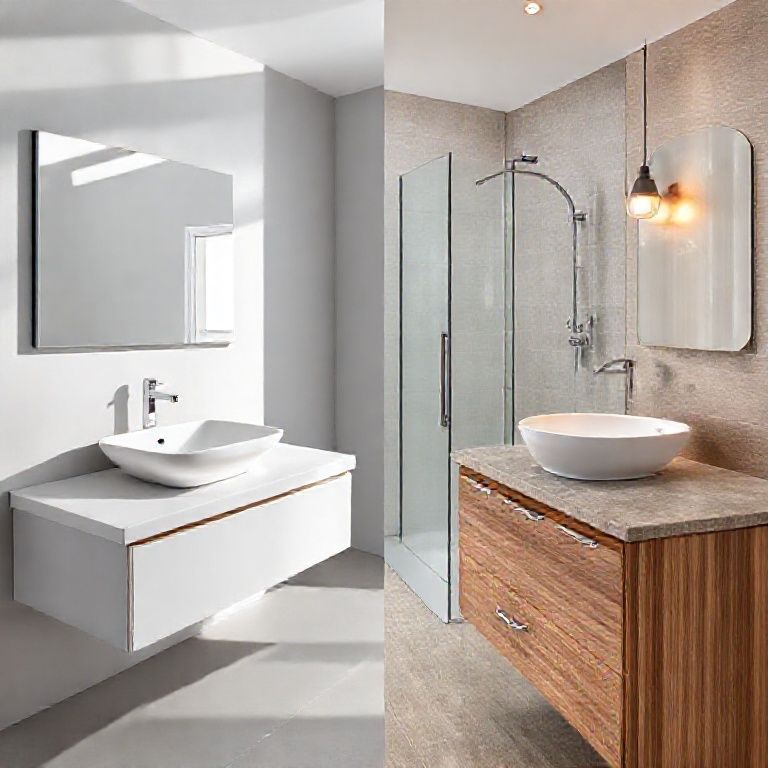
Artificial Marble: Artificial marble is highly versatile and can be used in various applications where its durability and low maintenance are crucial. It is an excellent choice for countertops, bathroom vanities, backsplashes, and even decorative elements like fountains and sculptures. Its ability to mimic natural marble closely makes it a popular choice in settings where a luxurious appearance is desired without the high cost and maintenance.
Natural Marble: Natural marble’s unique beauty makes it ideal for high-end applications where its aesthetic appeal is paramount. It is often used in high-end kitchens, luxurious bathrooms, and as a statement piece in living rooms and dining areas. Natural marble can also be found in historic restorations, where its authenticity and the story it tells are invaluable.
Installation and Design Flexibility
Artificial Marble: Artificial marble offers great flexibility in design and installation. It can be molded into various shapes and sizes, making it ideal for custom designs and unique architectural elements. Its uniformity allows for consistent color and pattern across large installations, which can be particularly advantageous in commercial settings.
Natural Marble: Natural marble’s inherent variations provide a sense of uniqueness that is difficult to replicate. This variability allows for endless design possibilities, from traditional patterns to bespoke designs that reflect specific tastes and styles. While the cost and complexity of working with natural marble can be higher, the end result often offers a sense of exclusivity and craftsmanship that is hard to achieve with artificial alternatives.
Sustainability and Ethical Considerations
Artificial Marble: The production of artificial marble involves the use of synthetic materials, which raises questions about sustainability and ethical manufacturing practices. However, advancements in technology and manufacturing processes are continually improving, with some companies focusing on more sustainable practices, such as using recycled materials and minimizing waste.
Natural Marble: The ethical considerations surrounding natural marble primarily revolve around its extraction and the environmental impact. Sustainable quarrying practices are essential to minimize the negative effects on local ecosystems and communities. Some regions have implemented stringent regulations and ethical guidelines to ensure that marble extraction is done responsibly, focusing on the preservation of natural habitats and the welfare of local populations.
Conclusion
Choosing between artificial and natural marble ultimately comes down to your specific needs, budget, and preferences. Artificial marble offers a cost-effective, durable, and low-maintenance alternative that can closely mimic the beauty of natural marble. It is ideal for large-scale projects and settings where aesthetic consistency is crucial.
Natural marble, while more expensive and requiring more upkeep, offers unparalleled beauty, durability, and a timeless elegance that can enhance the value of your home. It is perfect for high-end applications where the unique, organic appeal of natural stone is desired.
By understanding the long-term benefits, environmental impact, and specific applications of both types of marble, you can make an informed decision that best suits your vision and budget.
In the end, whether you choose artificial or natural marble, both options offer the potential for stunning, elegant, and enduring beauty in your home.