The Allure and Production of Artificial Marble
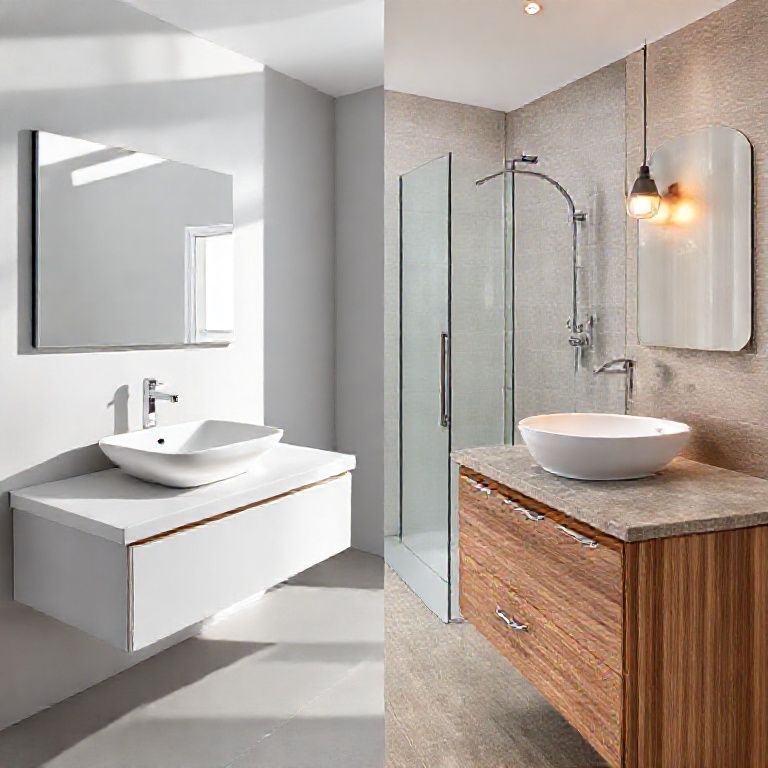
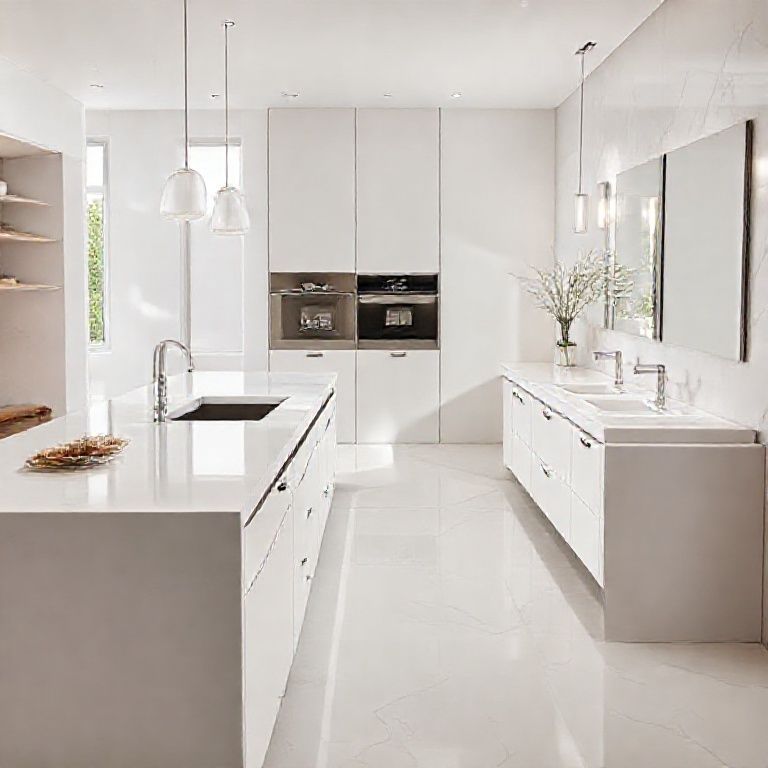
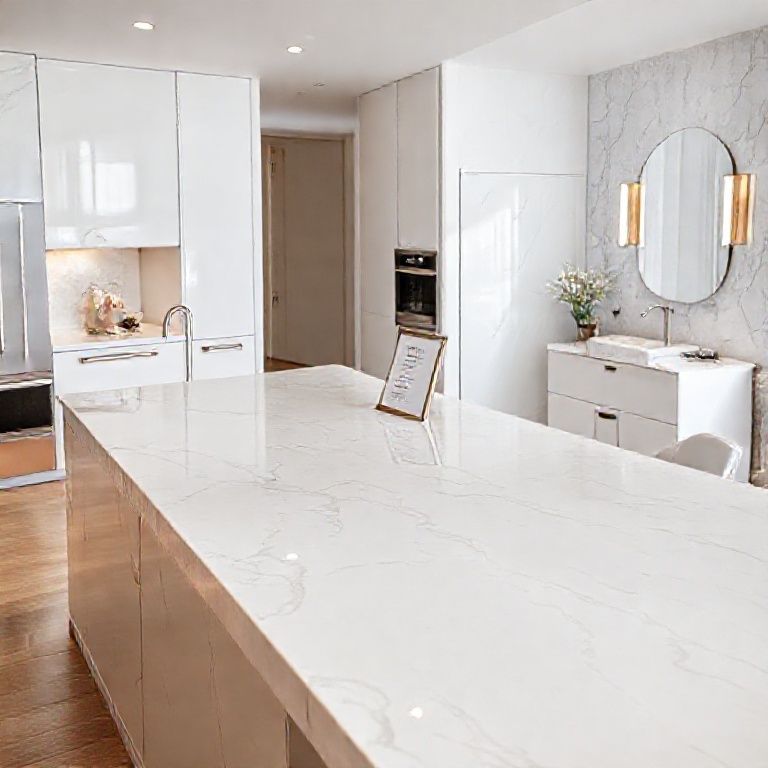
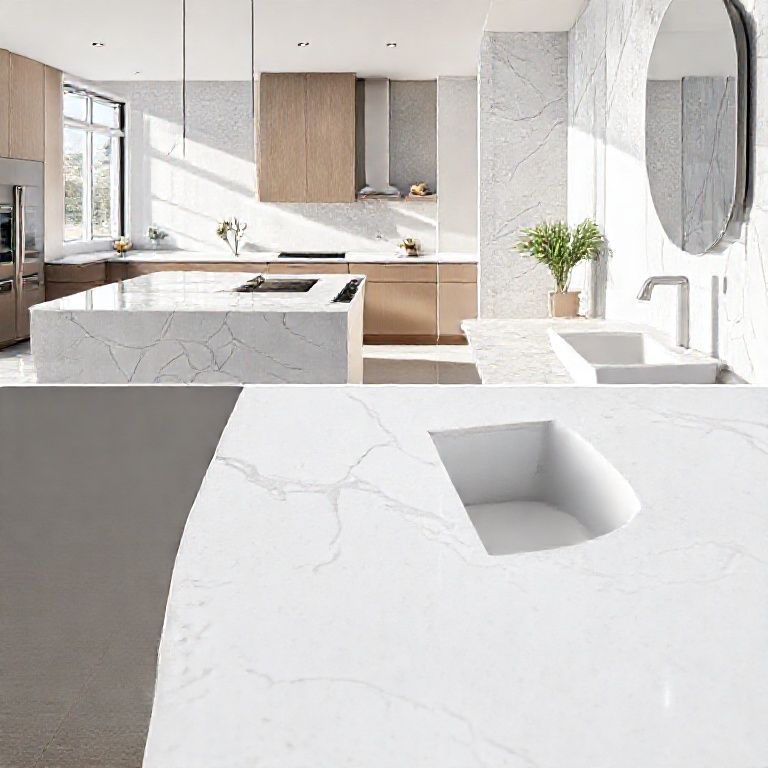
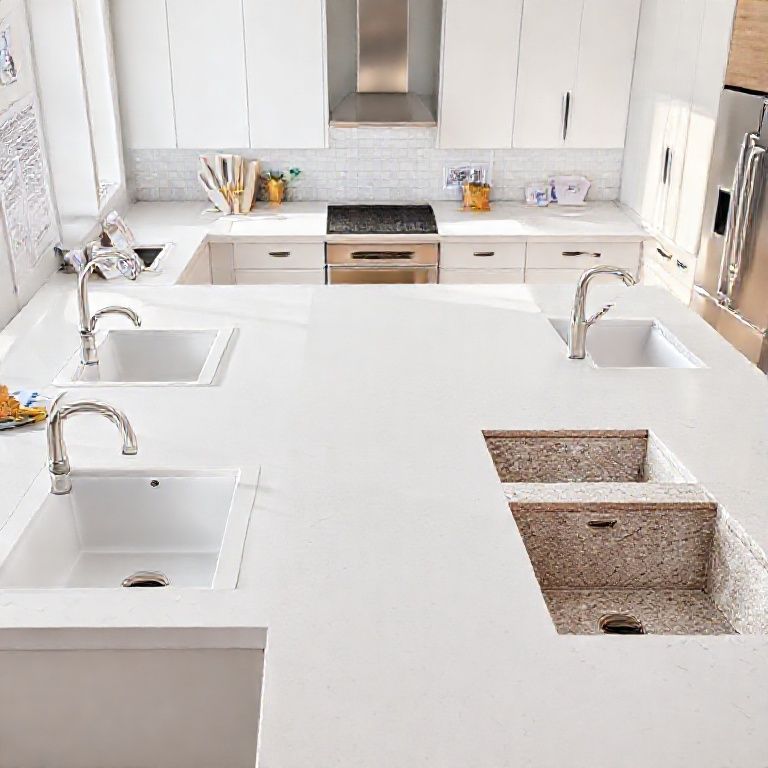
Artificial marble, also known as cultured stone or synthetic marble, has surged in popularity due to its aesthetic appeal and durability. This material, which combines a resin base with minerals and other additives, mimics the beauty of natural marble while offering a more affordable and maintenance-free alternative. Its sleek, glossy finish and vibrant color options have made it a favorite in countertops, sinks, and other interior design elements.
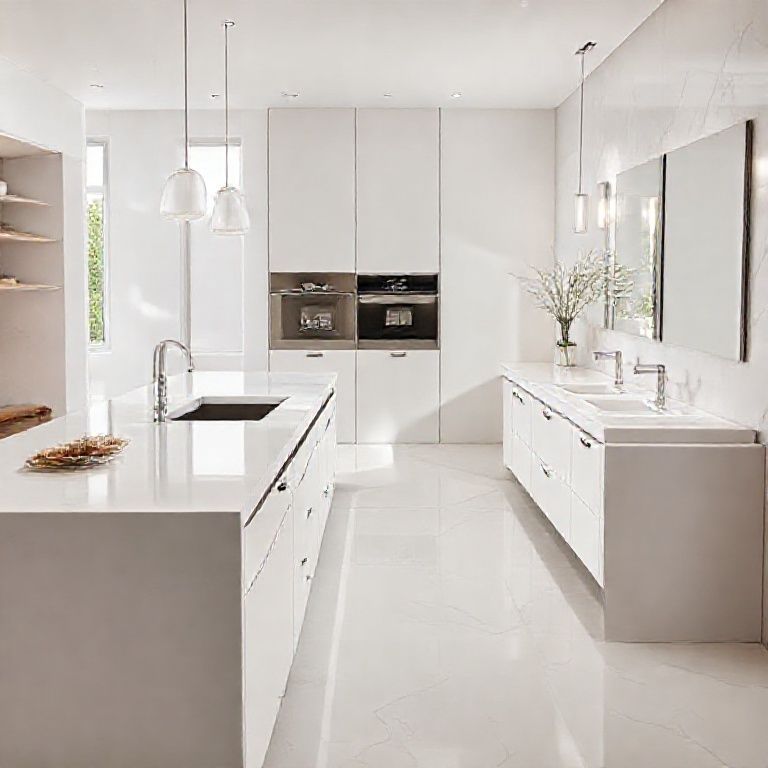
However, the journey from raw materials to the finished product involves several stages, each of which raises questions about potential pollution. The production process of artificial marble includes mixing, pouring, and curing resins, which often involves the use of various chemicals. While manufacturers claim that their products are non-toxic and safe for indoor use, scrutiny about the environmental impact and the potential release of pollutants during production and use has not been fully addressed.
Chemical Composition and Environmental Concerns
The primary ingredients in artificial marble are melamine, resin, and various minerals. Melamine, a chemical compound used as a building block in plastics and other materials, is a crucial component in the production of artificial marble. While the finished product is stable and non-toxic, the manufacturing process raises concerns. Melamine and other resins are derived from petrochemicals, which are known to be significant sources of environmental pollution.
During the production of artificial marble, there are potential emissions of volatile organic compounds (VOCs). VOCs are chemicals that easily vaporize at room temperature and can have adverse effects on both human health and the environment. They are linked to respiratory issues, eye irritation, and even long-term health problems like cancer. Although manufacturers often state that their products emit minimal VOCs due to advanced curing processes, the initial stages of production can still pose risks.
Manufacturing Processes and Emission Control
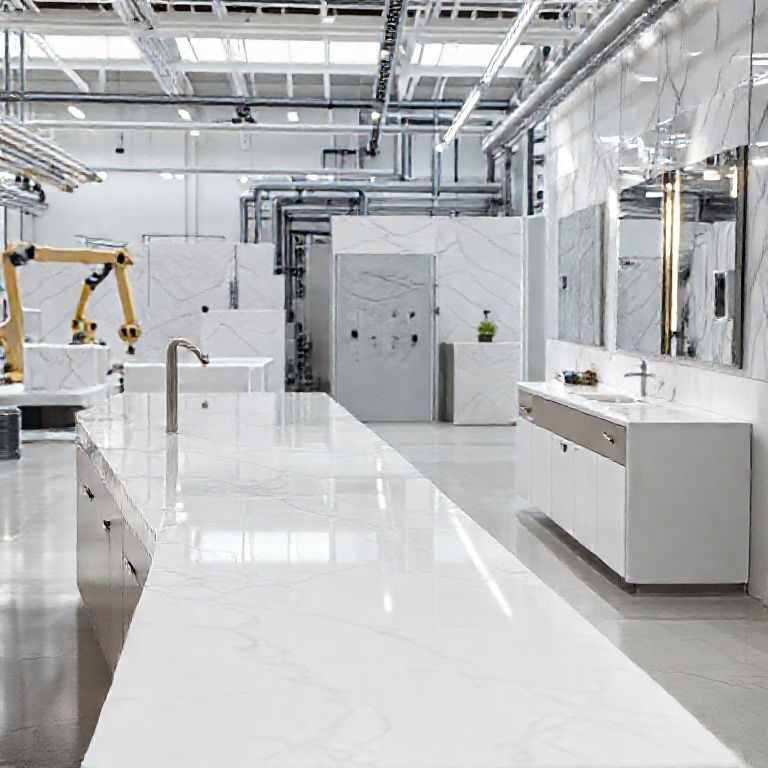
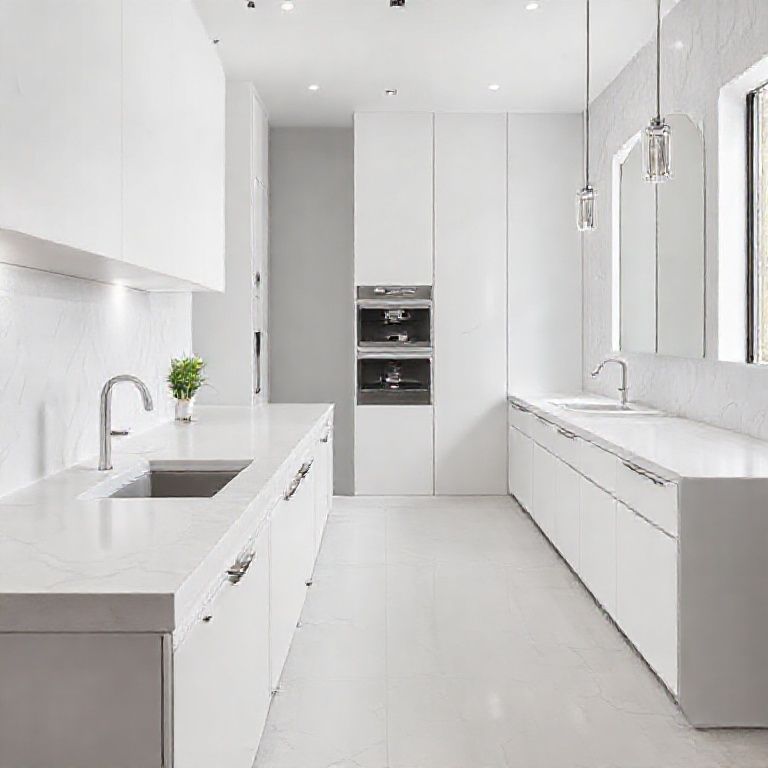
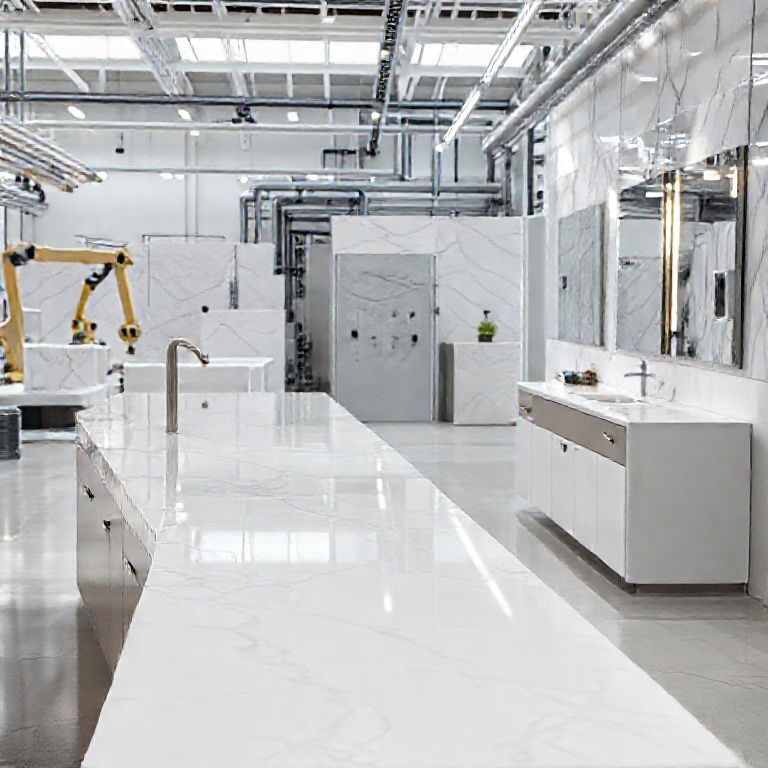
The manufacturing process of artificial marble includes several stages: mixing the resin and minerals, pouring the mixture into molds, and curing it under high heat. During these stages, there can be emissions of harmful chemicals. To mitigate these risks, modern factories often employ advanced ventilation systems and filtration technologies to control VOC emissions. These systems can capture and neutralize harmful chemicals before they escape into the environment.
However, the effectiveness of these systems can vary depending on the manufacturing plant’s technology and adherence to environmental regulations. In regions where regulations are lax or enforcement is weak, the risk of significant chemical emissions can be higher.
Health Implications and Safety Measures
While artificial marble is designed to be a non-toxic material, the chemicals used in its production can pose health risks if not properly managed. During the curing process, high temperatures can cause some of the chemicals to off-gas, potentially leading to indoor air quality issues. In poorly ventilated spaces, this could result in elevated levels of VOCs, posing health risks to occupants.
Manufacturers often provide guidelines to minimize these risks. Recommendations include ensuring adequate ventilation during installation and allowing the material to cure fully before using the finished product. Despite these safety measures, the underlying question remains: does the environmental and health cost justify the aesthetic and practical benefits of artificial marble?
Sustainable Alternatives and Future Directions
As the awareness of environmental pollution grows, so does the demand for sustainable materials. Many manufacturers are exploring eco-friendly alternatives that reduce or eliminate harmful chemicals. Innovations in synthetic materials are paving the way for safer, more environmentally friendly options. Some companies are experimenting with biodegradable resins and natural additives to create artificial marble that has a lower ecological footprint.
The future of artificial marble may lie in materials that are both aesthetically pleasing and environmentally responsible. Sustainable practices in manufacturing, coupled with stringent environmental regulations, could help mitigate the potential pollution concerns associated with traditional artificial marble production.
Conclusion
In conclusion, while artificial marble offers remarkable benefits in terms of durability and design flexibility, it is not without its environmental and health concerns. The production process involves chemicals that can pose risks if not properly managed. However, advancements in technology and a growing emphasis on sustainability are leading to safer and more eco-friendly alternatives.
The next part of this article will delve deeper into the specific pollutants associated with artificial marble, the broader ecological impact, and how consumers can make informed choices to balance aesthetics with environmental responsibility.
The Specific Pollutants Released
The production of artificial marble involves several chemicals that, if not properly managed, can release pollutants into the environment. These pollutants include:
Volatile Organic Compounds (VOCs): VOCs are emitted during the curing process of artificial marble. They are derived from the resin and other chemicals used to bind the minerals. VOCs can contribute to air pollution and have adverse effects on human health, including respiratory problems and eye irritation.
Formaldehyde: Although some newer formulations of artificial marble have reduced or eliminated formaldehyde, it was once a common component in resins. Formaldehyde is a known carcinogen and can cause respiratory issues and skin irritation.
Heavy Metals: Although artificial marble is generally free of heavy metals, the production process can sometimes introduce trace amounts. These metals can be harmful if released into the environment and can accumulate in soil and water sources.
Broader Ecological Impact
The broader ecological impact of artificial marble extends beyond the pollutants released during its production. The extraction of raw materials, such as melamine and resins, has significant environmental consequences. The production of these materials often involves petrochemical processes that emit greenhouse gases, contributing to climate change.
Additionally, the disposal of artificial marble at the end of its life cycle poses challenges. Unlike natural stone, which can often be recycled or repurposed, artificial marble may not be as easily recyclable. Improper disposal can lead to environmental contamination and the release of residual chemicals.
Consumer Choices and Environmental Responsibility
Consumers play a crucial role in driving demand for environmentally responsible materials. By making informed choices, individuals can help reduce the environmental impact of artificial marble and support sustainable practices in the building industry.
Choose Certified Products: Look for artificial marble products that are certified by reputable environmental organizations. Certifications such as GreenGuard or Cradle to Cradle can indicate that the product meets stringent environmental standards.
Support Eco-Friendly Brands: Opt for brands that prioritize sustainability in their manufacturing processes. Companies that use eco-friendly resins, biodegradable additives, and other sustainable practices are making a positive impact on the environment.
Demand Transparency: Encourage manufacturers to provide detailed information about their production processes and the materials used. Transparency can help consumers make informed decisions and hold companies accountable for their environmental practices.
Innovations in Sustainable Materials
The building industry is witnessing a shift towards sustainable materials that offer the aesthetic and practical benefits of artificial marble without compromising environmental integrity. Innovations in synthetic materials are leading to the development of eco-friendly alternatives.
Biodegradable Resins: Researchers are developing resins that break down naturally over time, reducing the environmental impact of artificial marble. These resins can offer the same durability and aesthetic appeal without the associated pollution risks.
Natural Additives: Some manufacturers are experimenting with natural additives that enhance the properties of artificial marble while minimizing environmental impact. These additives can improve strength and durability without the use of harmful chemicals.
Recyclable Materials: Advances in recycling technology are making it possible to create artificial marble from recycled materials. This approach not only reduces waste but also lowers the demand for virgin materials, further mitigating the ecological footprint.
Balancing Aesthetics and Sustainability
Balancing the beauty and functionality of artificial marble with environmental responsibility is an ongoing challenge. However, with increasing awareness and technological advancements, there are promising pathways towards a more sustainable future.
Design for Longevity: Choosing high-quality artificial marble that is durable and low-maintenance can reduce the frequency of replacements, thereby minimizing waste and the associated environmental impact.
Indoor Air Quality: Ensuring proper ventilation during installation and allowing adequate curing time can help minimize the release of pollutants. This practice not only protects indoor air quality but also supports the health and well-being of occupants.
Lifecycle Assessment: Conducting a lifecycle assessment of artificial marble products can provide valuable insights into their environmental impact from production to disposal. This information can guide consumers and manufacturers in making more informed choices.
Conclusion
In conclusion, while artificial marble offers significant advantages in terms of aesthetics and practicality, it is essential to consider its environmental impact. The specific pollutants released during production, the broader ecological consequences, and the importance of consumer choices all play a crucial role in shaping the future of this material.
By supporting sustainable practices, demanding transparency, and choosing eco-friendly alternatives, individuals and businesses can help mitigate the potential environmental and health risks associated with artificial marble. The journey towards a more sustainable future is ongoing, but with informed choices and innovative solutions, we can balance the beauty of artificial marble with environmental responsibility.
Thank you for joining us on this exploration of artificial marble’s environmental impact. Stay tuned for更多细节与未来方向
4. 政策与法规的作用
政策和法规在减少人造大理石污染方面起着至关重要的作用。和监管机构可以通过制定和执行严格的环境标准来促进可持续生产和消费。这些标准可以涵盖从原材料的获取到产品的最终处置的各个环节。
环保法规: 可以制定更严格的环保法规,要求生产商在整个生产过程中限制VOC和其他有害物质的排放。例如,可以规定最大允许的VOC浓度,并要求使用低VOC或无VOC的材料。
绿色认证: 推动绿色认证体系的发展,使消费者能够轻松识别符合环保标准的产品。这样可以增加对环保产品的需求,从而推动市场转向更可持续的选择。
回收和再利用: 可以推动回收和再利用政策,减少人造大理石在生命周期结束时对环境的影响。这包括提供回收计划和激励措施,鼓励建筑废料的回收利用。
5. 科技创新与研发
科技创新和研发在减少人造大理石污染方面也有巨大的潜力。通过开发新的、更环保的材料和生产技术,可以显著降低污染排放。
新材料研发: 研发新型环保材料,如低VOC或无VOC的树脂和矿物添加剂,以替代传统的有害化学品。这些新材料可以在不牺牲产品性能的情况下,减少对环境的影响。
生产工艺优化: 通过优化生产工艺,可以减少废料和有害物质的排放。例如,采用先进的过滤和吸收技术,可以更有效地控制工厂内的污染物排放。
循环经济: 推动循环经济的发展,使废弃的人造大理石能够被回收再利用。这不仅减少了对新原材料的需求,还减少了废弃物对环境的污染。
6. 教育与意识提升
教育和意识提升也是减少人造大理石污染的关键因素。通过提高公众对环境问题的认识,可以促使更多人选择环保产品,从而推动市场向可持续发展的方向转变。
公众教育: 、企业和非组织可以共同开展公众教育活动,提高人们对人造大理石生产过程中潜在污染问题的认识。通过宣传和培训,让人们了解如何选择和使用环保产品。
企业社会责任: 企业应承担起社会责任,通过透明的环境报告和可持续发展的实践,向公众展示他们在减少污染和推动环保方面的努力。这样可以增加消费者的信任,并推动更多企业采取环保措施。
学校教育: 在学校中引入环境教育课程,让学生从小就树立环保意识。通过实践活动和项目,让学生亲身体验和了解环境保护的重要性。
7. 国际合作与交流
由于环境污染是一个全球性问题,国际合作和交流在解决这一问题中起着至关重要的作用。各国可以通过合作共享技术和经验,推动全球范围内的环境保护进程。
国际标准: 各国可以共同制定和推广国际环境标准,确保生产和使用人造大理石的全球过程中都符合环保要求。这样可以避免“环境放松”的现象,保护全球环境。
技术交流: 通过国际技术交流和合作,各国可以共享最新的环保技术和研发成果。这不仅有助于提高环保技术的普及率,还可以促进创新和技术进步。
环境保护组织: 国际环境保护组织如联合国环境规划署(UNEP)可以发挥重要作用,通过提供技术支持、资金援助和政策建议,帮助各国实施更有效的环保措施。
总结
尽管人造大理石在建筑和装饰领域具有诸多优点,但其生产和使用过程中也存在潜在的环境和健康风险。通过政策法规的完善、科技创新、公众教育、企业社会责任以及国际合作,我们可以有效减少人造大理石的污染,推动可持续发展。
在未来,随着技术的进步和环保意识的提高,人造大理石行业有望朝着更加环保和可持续的方向发展。我们每一个人都可以通过选择环保产品和支持可持续发展的企业,为保护地球环境贡献一份力量。让我们共同努力,创造一个更清洁、更美丽的未来。