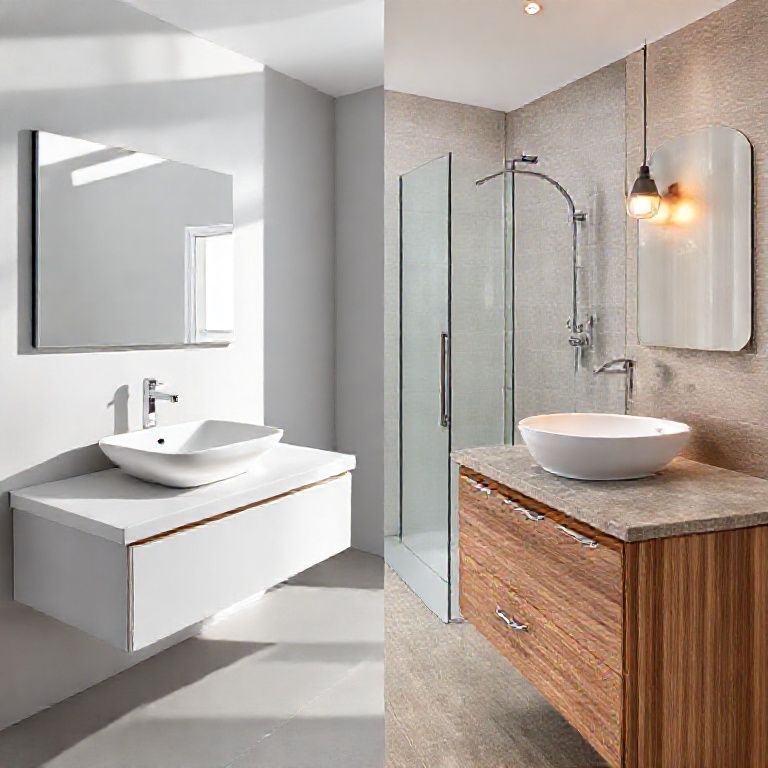
Unveiling Artificial Marble: An Overview
${part1}
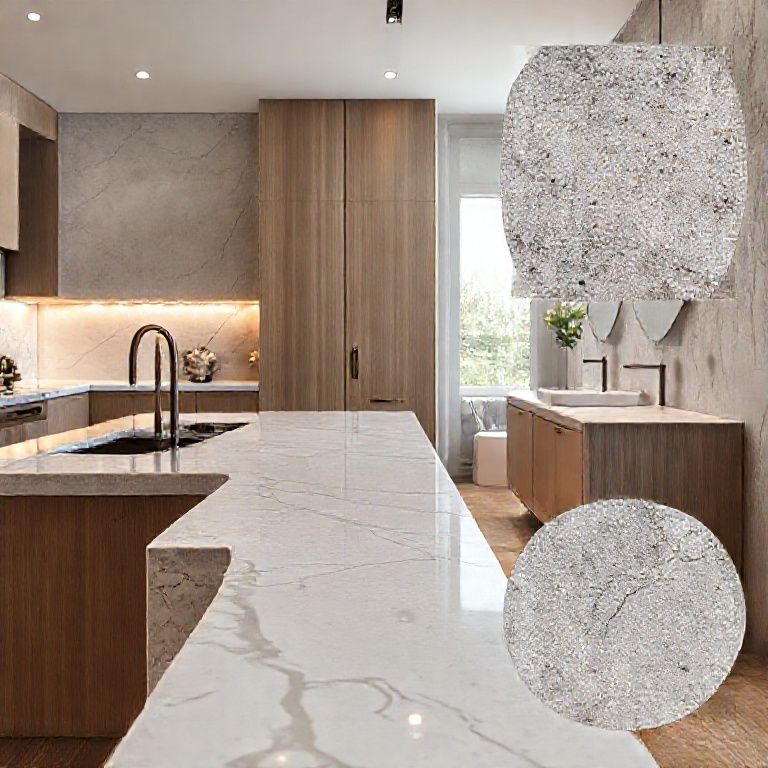
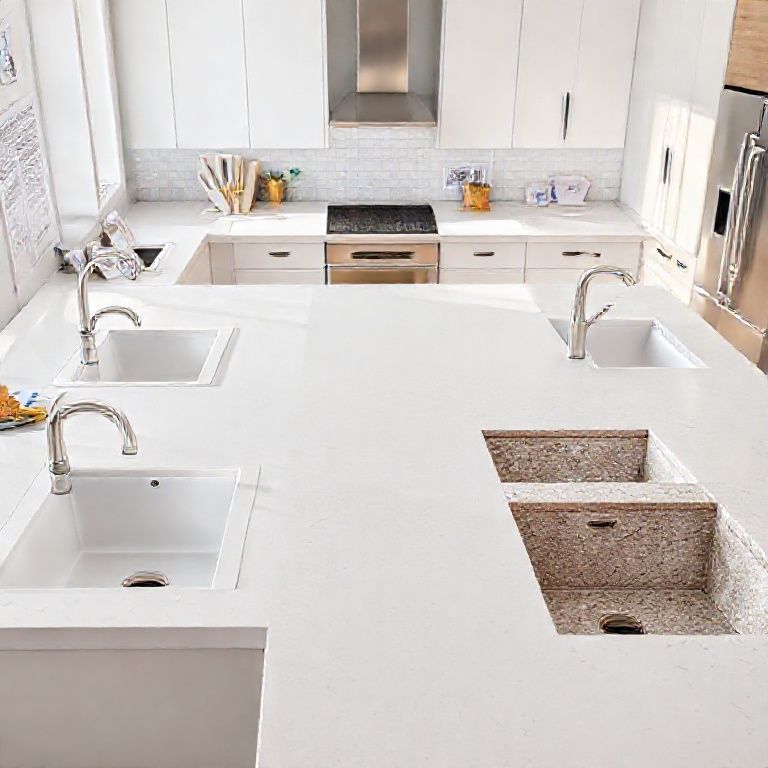
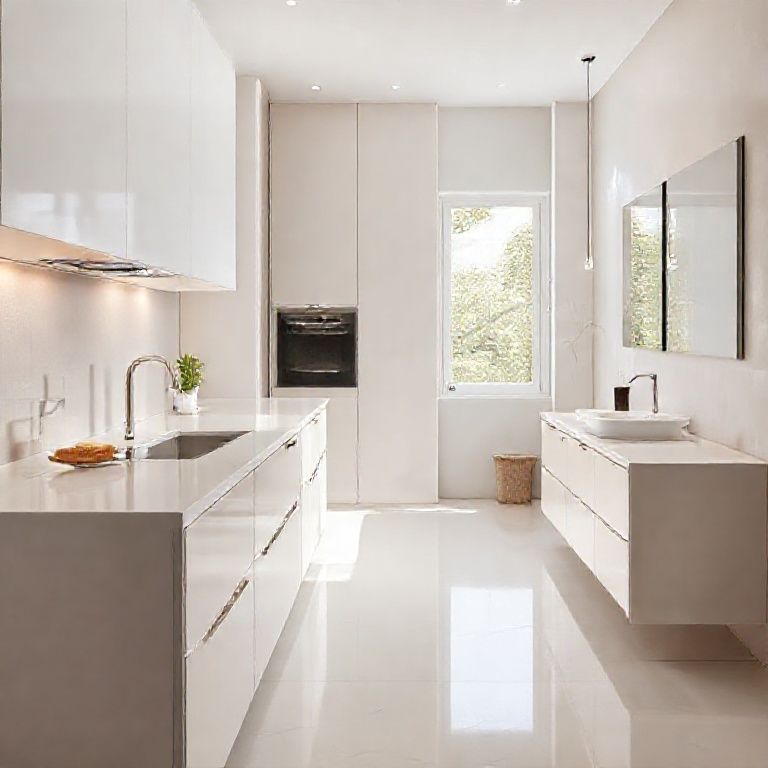
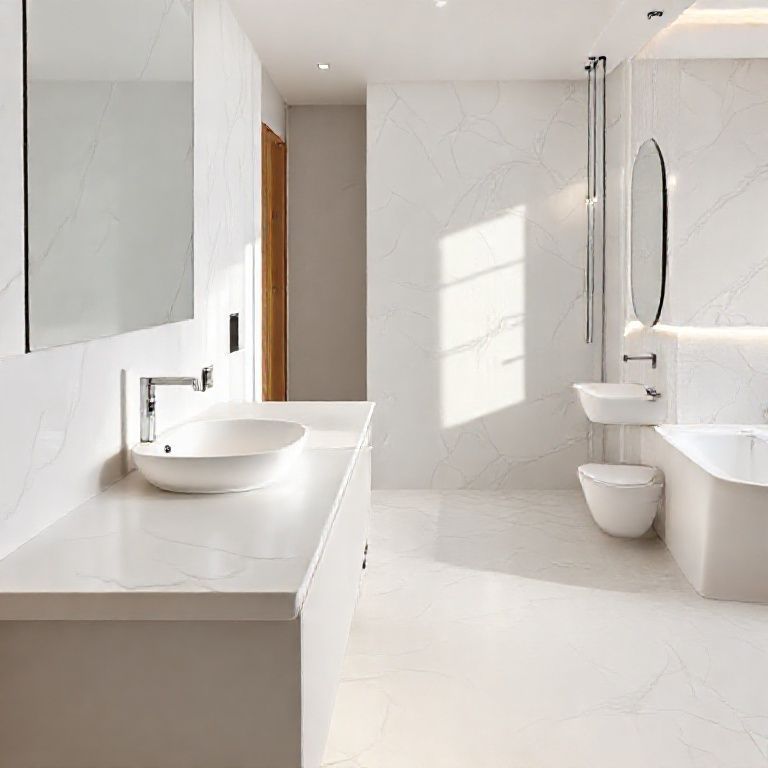
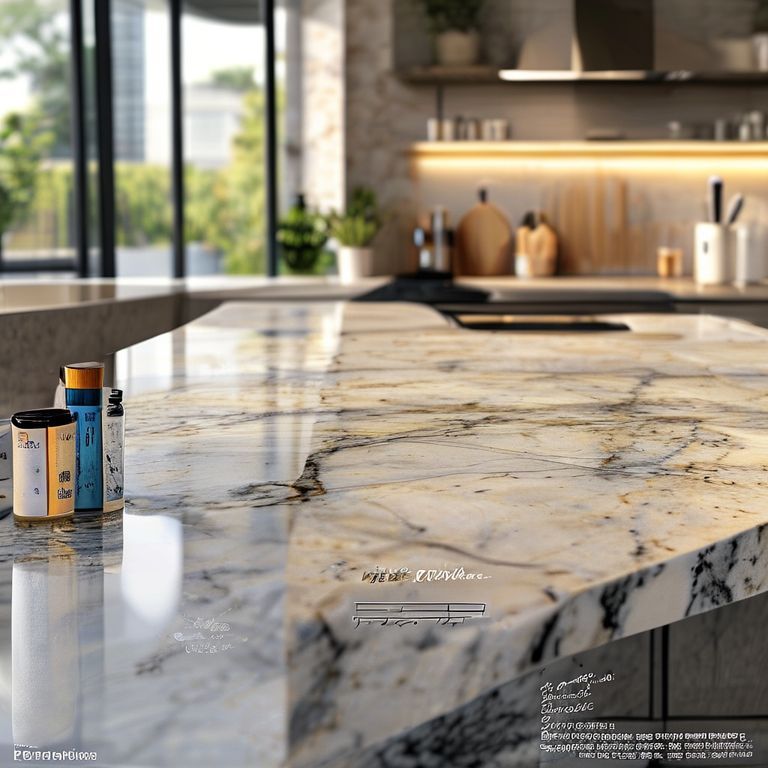
Artificial marble, also known as engineered stone or synthetic marble, has surged in popularity due to its aesthetic appeal and cost-effectiveness. Often used for countertops, bathroom fixtures, and other interior design elements, this material promises the elegance of natural marble without the hefty price tag. However, beneath its alluring surface lies a complex web of scientific scrutiny, safety concerns, and ongoing debates about its health implications.
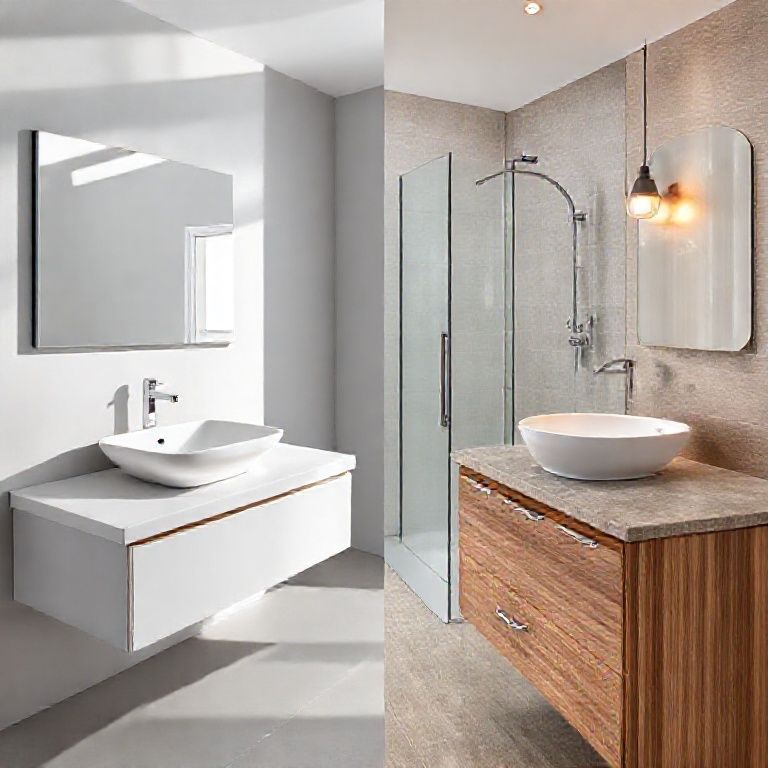
The Composition and Creation of Artificial Marble
Artificial marble is primarily composed of quartz, a naturally occurring mineral, combined with other substances like resins and pigments to create a stone-like material. The process involves mixing these components and heating them under high pressure to form a solid, stone-like composite. This engineered stone is then polished to achieve a marble-like finish. The key advantage of artificial marble is its durability and resistance to stains, making it a popular choice for modern home and commercial interiors.
Common Uses and Benefits
One of the primary reasons for the widespread adoption of artificial marble is its versatility. It’s commonly used in:
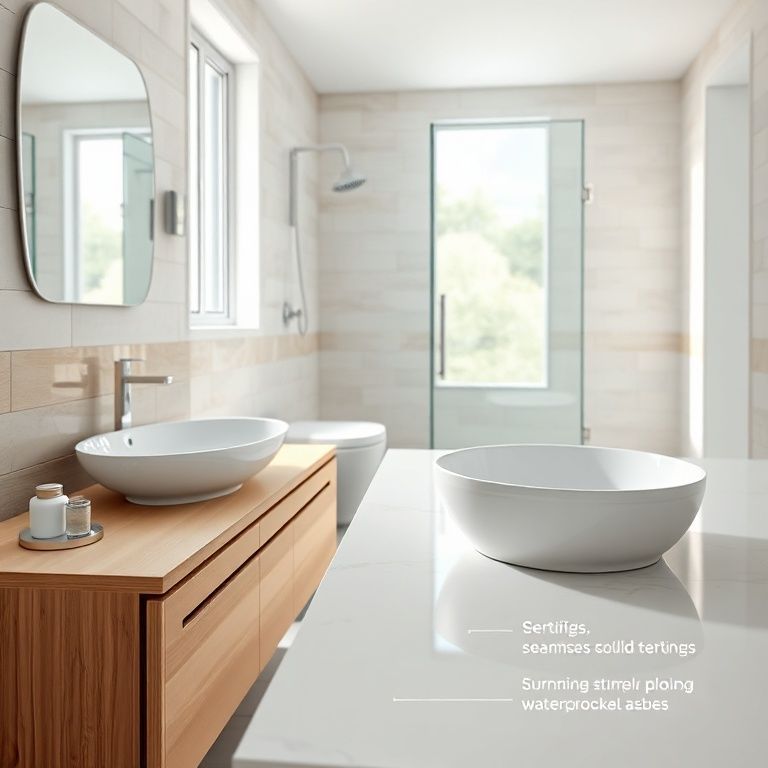
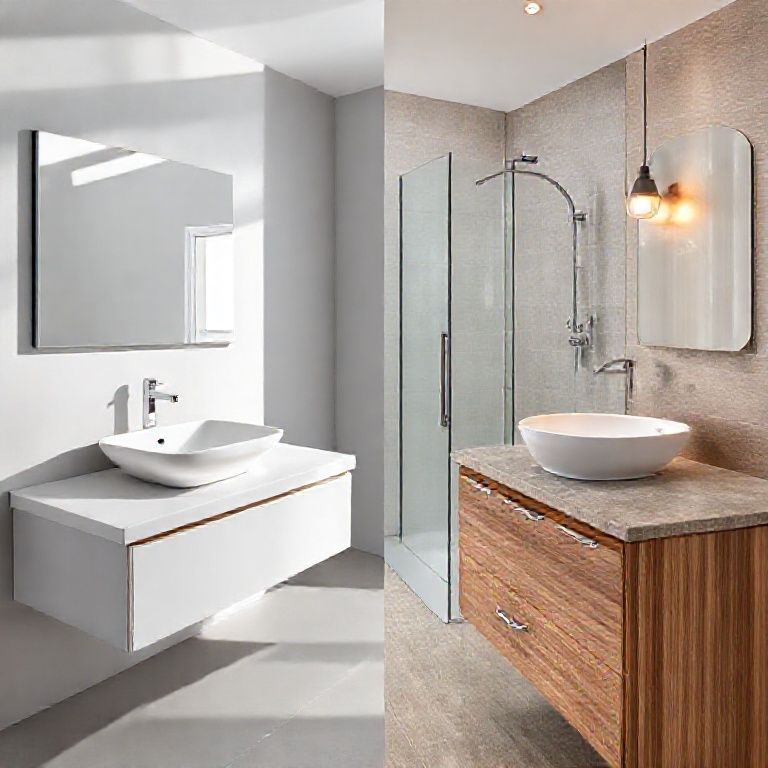
Countertops: Providing a luxurious look that’s easier to maintain than natural stone. Bathroom fixtures: Offering a sleek, easy-to-clean surface that resists water and mold. Interior design: Serving as a decorative element that mimics the beauty of natural marble without the high cost.
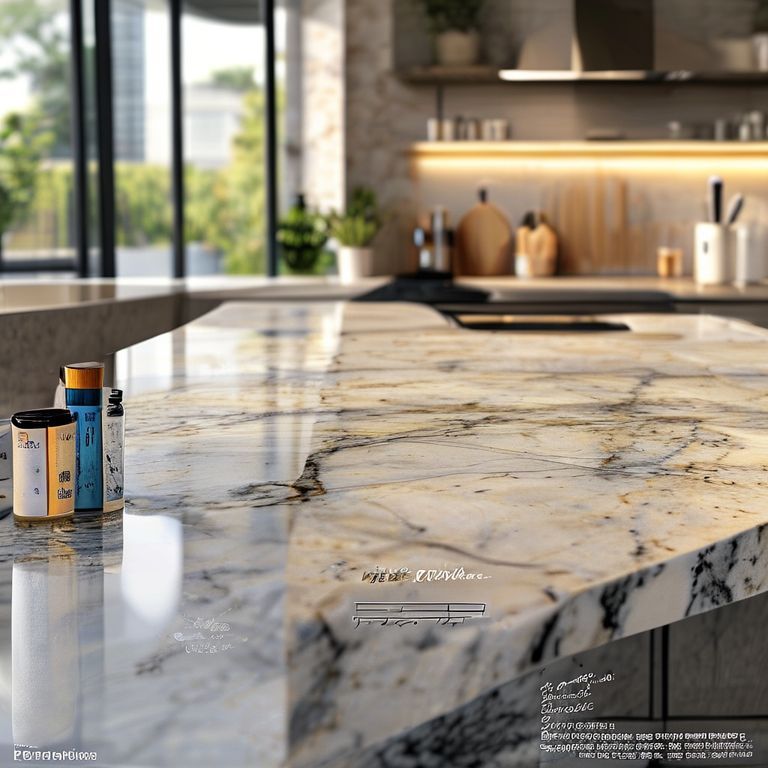
Beyond its visual appeal, artificial marble boasts several benefits:
Durability: It’s more resistant to scratches and stains than natural marble. Cost-effectiveness: Generally more affordable, making it accessible for a wide range of applications. Maintenance: Easier to clean and maintain, requiring less upkeep.
The Safety Concerns: What’s the Controversy?
Despite its advantages, artificial marble has faced scrutiny over its potential health risks. The main concern revolves around the release of chemicals during its manufacturing process and over its lifespan.
Manufacturing Process
During the creation of artificial marble, chemicals such as resins, pigments, and other additives are used. While manufacturers claim that the materials used are non-toxic and safe, some critics argue that the bonding agents and resins might emit volatile organic compounds (VOCs). VOCs are known to cause various health issues, including respiratory problems, headaches, and long-term effects like cancer. This raises questions about the safety of the materials used in artificial marble and their potential long-term health impacts.
Potential Release of Hazardous Substances
One of the key issues is the potential release of hazardous substances from artificial marble over time. Studies have shown that certain chemicals used in its production might leach into the surrounding environment, including indoor air and water. While the extent of this leaching and its health implications are still under investigation, it has led to a growing concern about the overall safety of artificial marble.
Scientific Research and Findings
Scientific research into artificial marble’s safety has yielded mixed results. Some studies suggest that while the material itself may not be inherently harmful, the chemicals used in its production could pose risks. For instance, research has found that certain resins and bonding agents used in artificial marble might emit low levels of formaldehyde, a known carcinogen. However, the concentrations detected are generally much lower than those found in other common household items, such as furniture and carpets.
Regulatory Standards and Guidelines
To address these concerns, various regulatory bodies have established guidelines and standards for the production and use of artificial marble. These standards aim to ensure that manufacturers use safe materials and that the levels of harmful emissions are within acceptable limits. However, the enforcement and adherence to these guidelines can vary significantly across different regions and manufacturers.
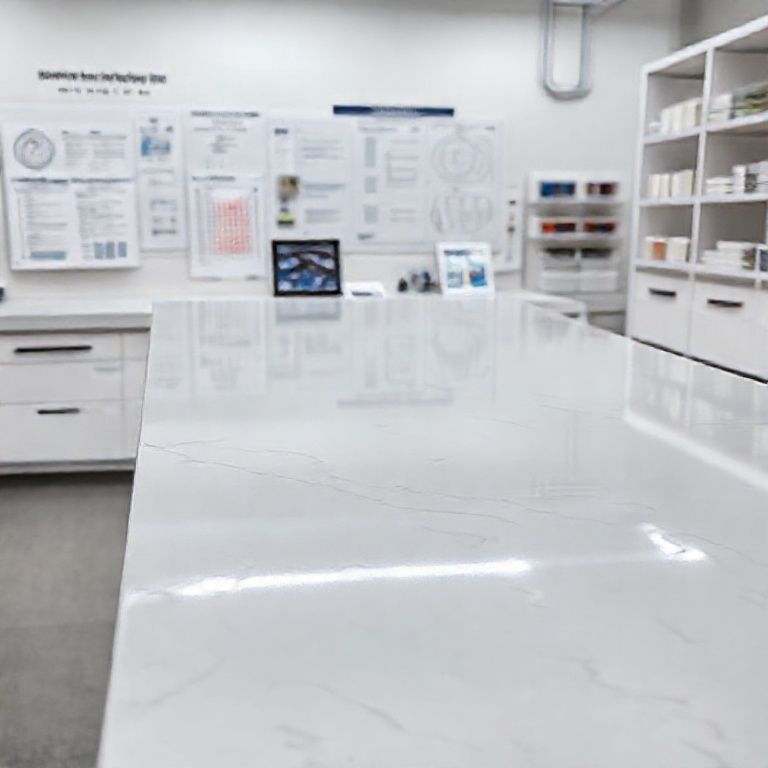
Consumer Perception and Public Opinion
Public perception of artificial marble is divided. On one hand, many consumers appreciate its beauty and practicality. On the other hand, there’s a growing segment of the population that’s wary of its potential health risks. This divide is influenced by varying levels of awareness about the material’s composition and the ongoing research into its safety.
Conclusion
In summary, artificial marble is a fascinating material that combines the elegance of natural stone with modern engineering. While it offers numerous benefits in terms of durability and cost-effectiveness, the ongoing debate about its safety cannot be ignored. As research continues and public awareness grows, it’s essential for consumers to make informed decisions based on the latest scientific findings and regulatory guidelines. In the next part, we will explore alternative materials to artificial marble and their potential as safer, healthier options for your home and business.
Alternatives to Artificial Marble: Safer Choices for Modern Interiors
${part2}
As the debate about the safety of artificial marble continues, many are looking for safer, healthier alternatives. This second part of our exploration will delve into the various alternatives to artificial marble, examining their benefits, safety, and suitability for modern interior design.
Natural Stone: A Time-Honored Option
Natural stone, such as granite, limestone, and travertine, has been used for centuries in architecture and interior design. It’s prized for its timeless beauty, durability, and natural aesthetic.
Benefits of Natural Stone
Aesthetic Appeal: Natural stone offers unique patterns and colors that cannot be replicated by artificial materials. Durability: While more expensive than artificial marble, natural stone is incredibly durable and long-lasting. Low Maintenance: Natural stone surfaces are generally easy to clean and maintain. Safety: Natural stone does not involve the use of synthetic resins or chemicals, making it a safer option in terms of potential health risks.
Safety Considerations
Natural stone is composed entirely of natural minerals and does not involve synthetic chemicals in its creation. While it’s generally considered safe, it’s important to choose high-quality stone and have it properly installed to ensure long-term safety and durability.
Alternative Materials: The Future of Safe Interior Design
Beyond natural stone, several other materials have emerged as safer, healthier alternatives to artificial marble.
Quartz Countertops
Quartz is a composite material made from 93% quartz particles and 7% resin. It’s known for its durability, scratch resistance, and low maintenance.
Benefits of Quartz
Durability: Quartz is incredibly hard and resistant to scratches, stains, and scratches. Safety: Free from synthetic resins and chemicals, quartz is considered safe and non-toxic. Aesthetic Versatility: Available in a wide range of colors and patterns to mimic natural stone.
Safety Considerations
While quartz is a safer alternative to artificial marble, it’s important to ensure that the product is made from high-quality materials and installed correctly to maximize its safety and longevity.
Ceramic and Porcelain Tiles
Ceramic and porcelain tiles are another excellent option for those looking for a safer alternative to artificial marble. These materials are made from natural clay and other minerals, fired at high temperatures to create a durable and beautiful surface.
Benefits of Ceramic and Porcelain Tiles
Durability: These tiles are highly durable and resistant to scratches, stains, and water. Safety: Free from synthetic chemicals, ceramic and porcelain tiles are safe and non-toxic. Aesthetic Versatility: Available in a wide range of colors, patterns, and finishes.
Safety Considerations
When choosing ceramic or porcelain tiles, it’s important to select high-quality products and ensure proper installation to prevent any potential issues related to water damage or tile cracking.
Sustainable and Eco-Friendly Alternatives
In recent years, there’s been a growing emphasis on sustainability and eco-friendliness in interior design. Several innovative materials have emerged that prioritize both aesthetics and environmental responsibility.
Cork
Cork is a natural, renewable material harvested from the bark of the cork oak tree. It’s lightweight, durable, and has excellent insulating properties.
Benefits of Cork
Sustainability: Cork is a renewable resource that can be harvested without harming the tree. Safety: Free from synthetic chemicals, cork is non-toxic and environmentally friendly. Aesthetic Appeal: Cork can be finished in various colors and patterns to suit any interior design.
Safety Considerations
Cork is generally safe and non-toxic, but it’s important to choose high-quality cork products and ensure proper maintenance to prevent any potential issues related to mold or mildew.
Bamboo
Bamboo is a fast-growing, renewable resource that’s highly durable and resistant to scratches and stains.
Benefits of Bamboo
Sustainability: Bamboo grows quickly and can be harvested without harming the plant. Safety: Free from synthetic chemicals, bamboo is safe and environmentally friendly. Aesthetic Appeal: Bamboo can be finished in various colors and patterns to suit any interior design.
Safety Considerations
Bamboo products are generally safe and non-toxic, but it’s important to choose high-quality products and ensure proper maintenance to prevent any potential issues related to water damage or mold.
Conclusion
In conclusion, while artificial marble offers aesthetic appeal and当然,接下来我们可以深入探讨一些替代材料的具体优点和使用场景,以及如何在选择材料时权衡美观、耐用性和健康安全等因素。
1. 石英石(Quartz)
石英石是一种高科技的复合材料,其主要成分是93%的天然石英和7%的树脂。它不仅美观,而且具有以下优点:
耐用性:石英石非常耐刮擦和耐污,不易磨损,适用于厨房和浴室等需要频繁清洁的地方。 安全性:由于其成分的天然和无毒,石英石不会释放有害化学物质。 多样性:石英石可以模仿各种天然石材的外观,并且有丰富的颜色和纹理选择。
2. 瓷砖和陶瓷砖
瓷砖和陶瓷砖是另一种广泛应用的材料,特别适用于地面和墙面:
耐水性:这些材料具有很强的抗水性,适合湿度较大的环境,如浴室和厨房。 多样性:瓷砖有各种图案和颜色,可以满足不同装修风格的需求。 易清洁性:瓷砖表面光滑,不易藏污纳垢,清洁起来非常方便。
3. 软木
软木是一种天然的、可再生的材料,常用于地板和墙面装饰:
环保性:软木是可再生资源,采集过程对环境影响小。 隔热性和隔音性:软木具有优异的隔热和隔音性能,适合寻求舒适环境的家庭。 灵活性:软木可以压制成各种形状和尺寸,适应不同的设计需求。
4. 竹材
竹子是一种快速生长的植物,可以用来制成各种建材,包括地板和墙面板:
可持续性:竹子生长速度快,可再生资源,环保。 强度:竹材强度高,耐磨性能优良。 美观性:竹子天然的纹理和质感具有独特的美感。
如何选择合适的材料
在选择材料时,需要综合考虑以下几个因素:
用途:不同的房间对材料的要求不同。例如,厨房和浴室需要耐水、耐污的材料,而客厅则更注重美观和舒适性。 预算:不同材料的价格差异很大,需要根据预算合理选择。 健康安全:选择经过认证的、环保材料,确保不含有害化学物质。 维护:一些材料需要特殊的维护和保养,选择时需要考虑这一点。
通过综合考虑这些因素,可以选择最适合你家居设计需求的材料,既美观又安全。